
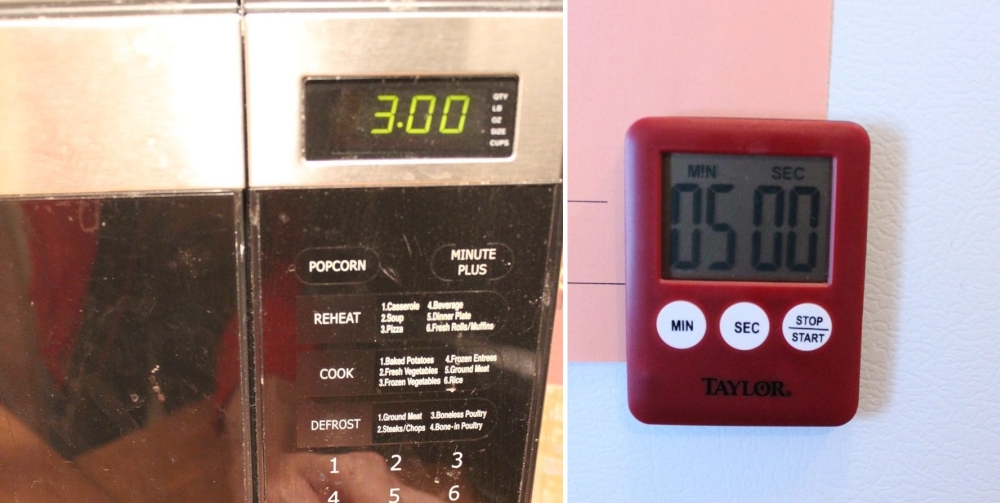
Repeated heating cycles can cause food splatters in a microwave to harden into persistent stains. Rather than scrubbing the interior walls and glass turntable, a common technique involves placing half a lemon in a bowl of water and heating it for three minutes.
While the steam aids in loosening dried residue, the subsequent five-minute waiting period is equally important. This method leverages the properties of lemon and water, keeps the door closed to retain moisture, and aligns with guidance from appliance manufacturers.
The Role of Lemon Water in Microwave Cleaning
Boiling water generates steam that coats the microwave’s interior, effectively softening dried food particles. Although lemon imparts a fresh citrus aroma, the water itself is the primary cleaning agent.
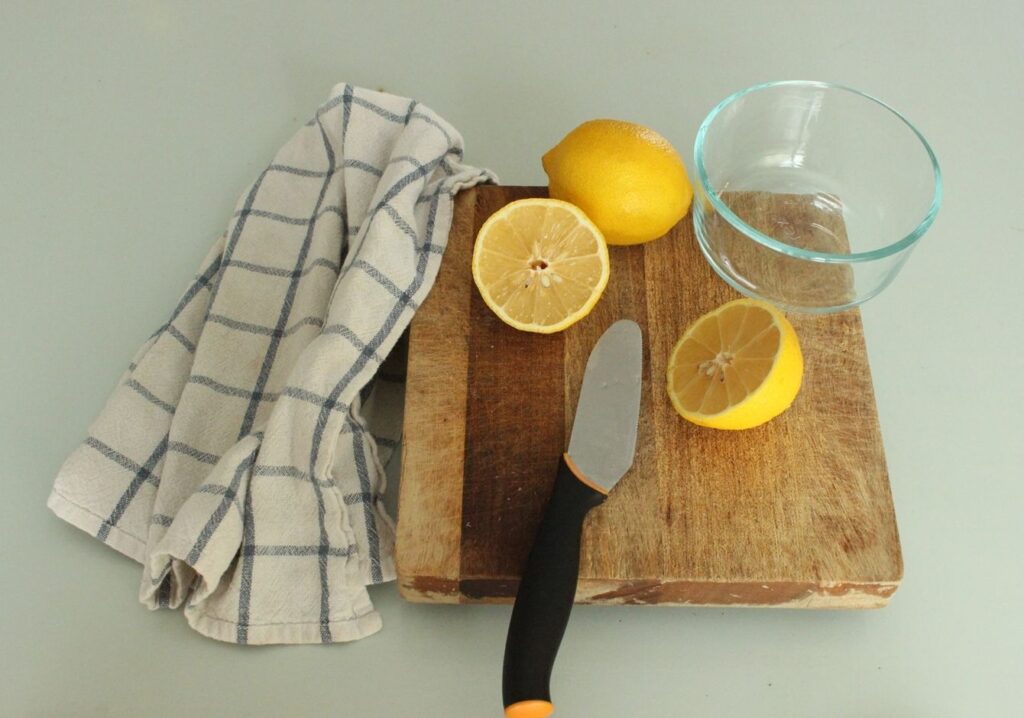
Brittney Smart, a DIY creator at Homedit, demonstrated this cleaning technique on a microwave stained with food splatters. Her setup included one lemon, half a cup of water, and a dish towel.
Preparation Steps for Lemon Water
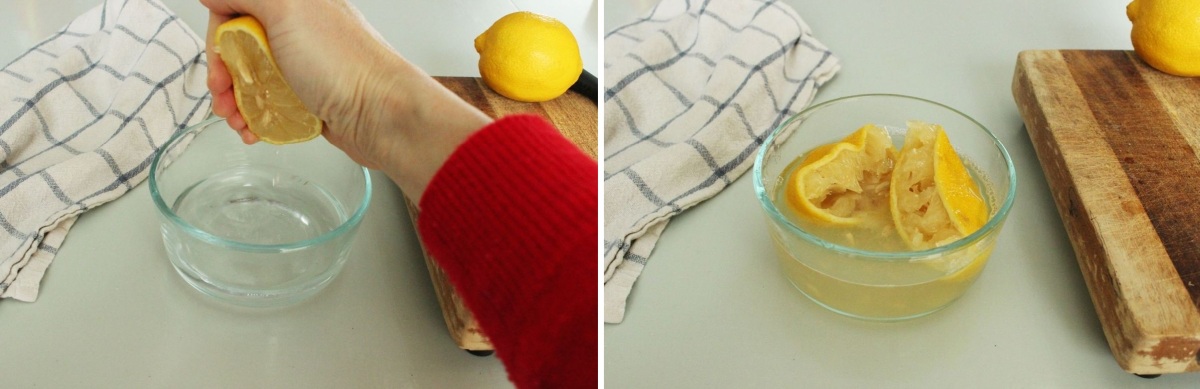
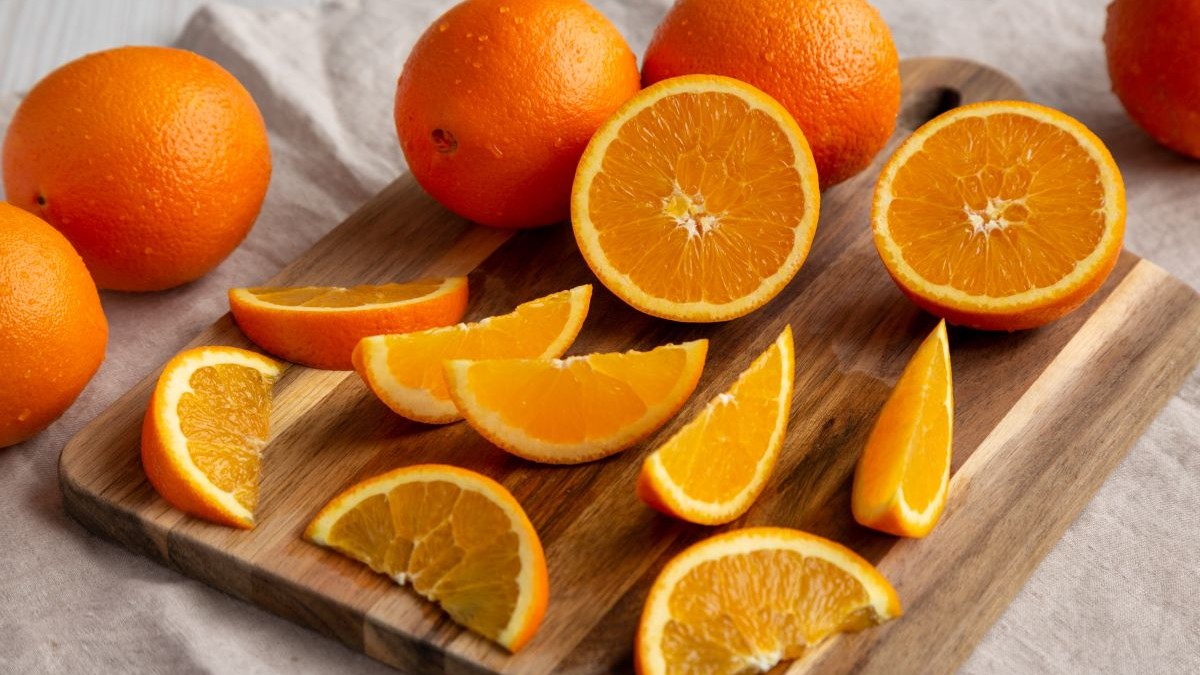
Smart sliced the lemon in half and extracted the juice into a microwave-safe bowl filled with half a cup of water.
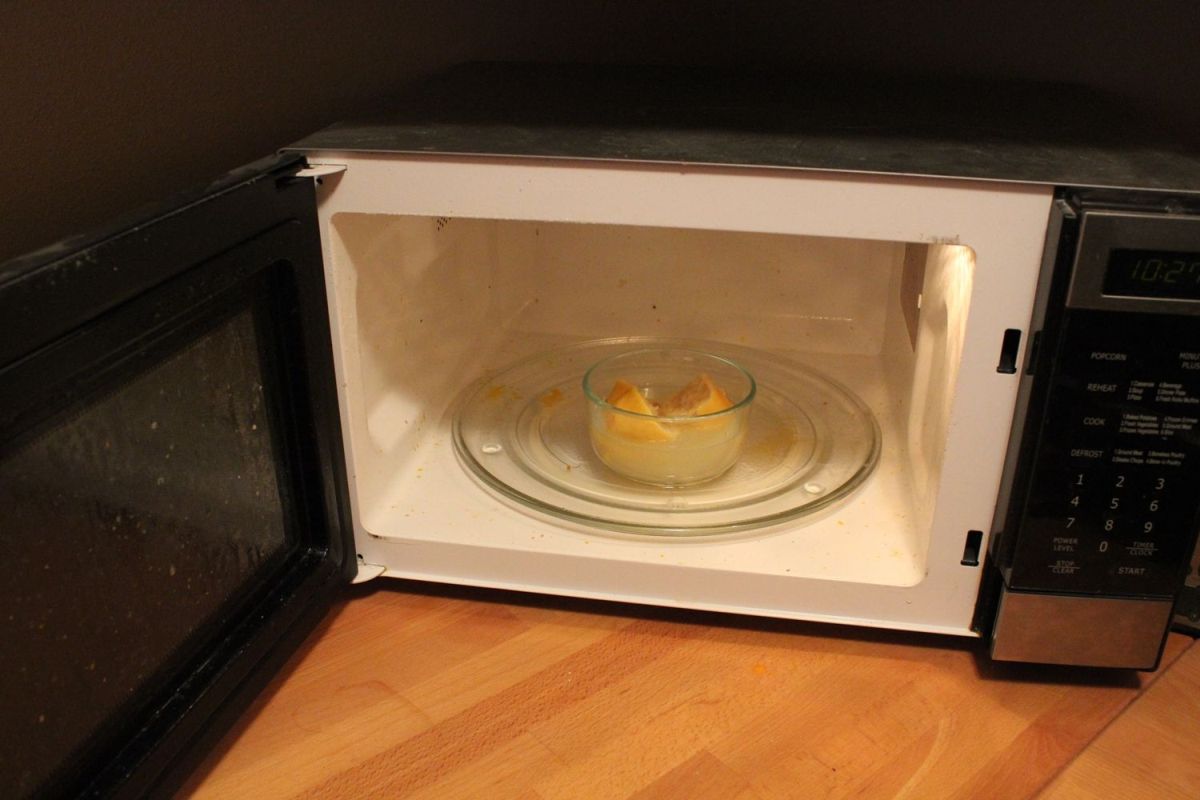
She then placed both squeezed lemon halves into the bowl, ensuring the rinds remained in the mixture. Using a larger bowl is recommended to prevent boiling water from spilling over the edges of smaller containers.
Heating for Three Minutes, Then Waiting Five Minutes with the Door Shut
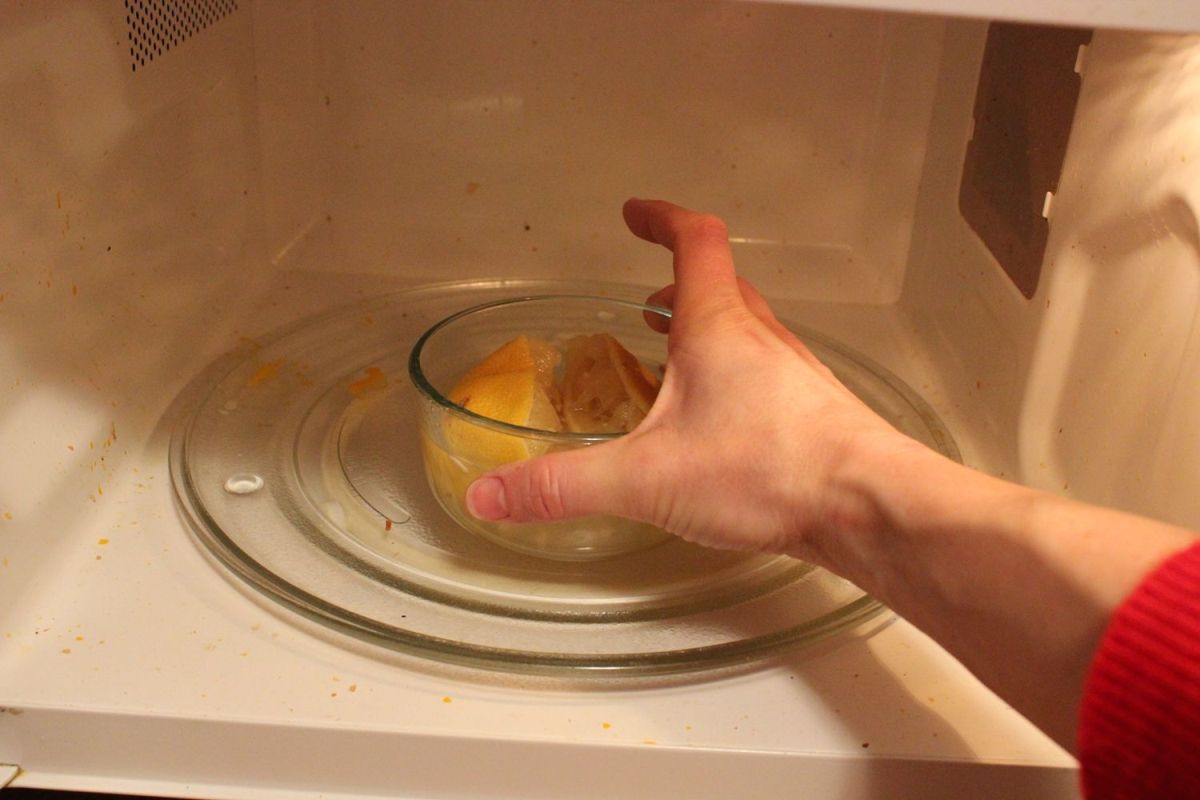
Smart positioned the bowl on the microwave’s glass turntable.
She set the microwave to high power and heated the mixture for three minutes, allowing the water to boil and produce steam.
Following the heating cycle, she kept the door closed for an additional five minutes. This pause allowed moisture to further penetrate and soften the dried food deposits.
Upon opening the door, the interior was visibly damp, though some food spots were still apparent.
A Single Wipe Cleaned Half the Turntable
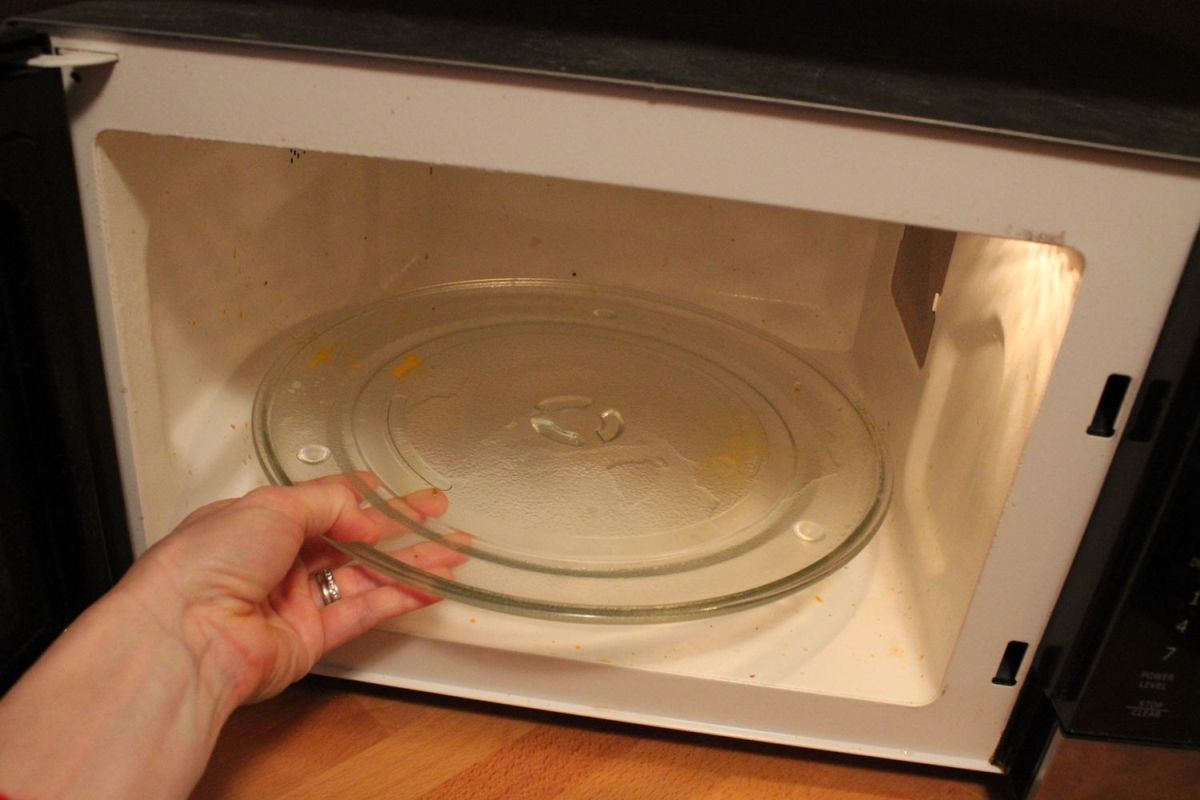
After the steam treatment, Smart removed the glass turntable.
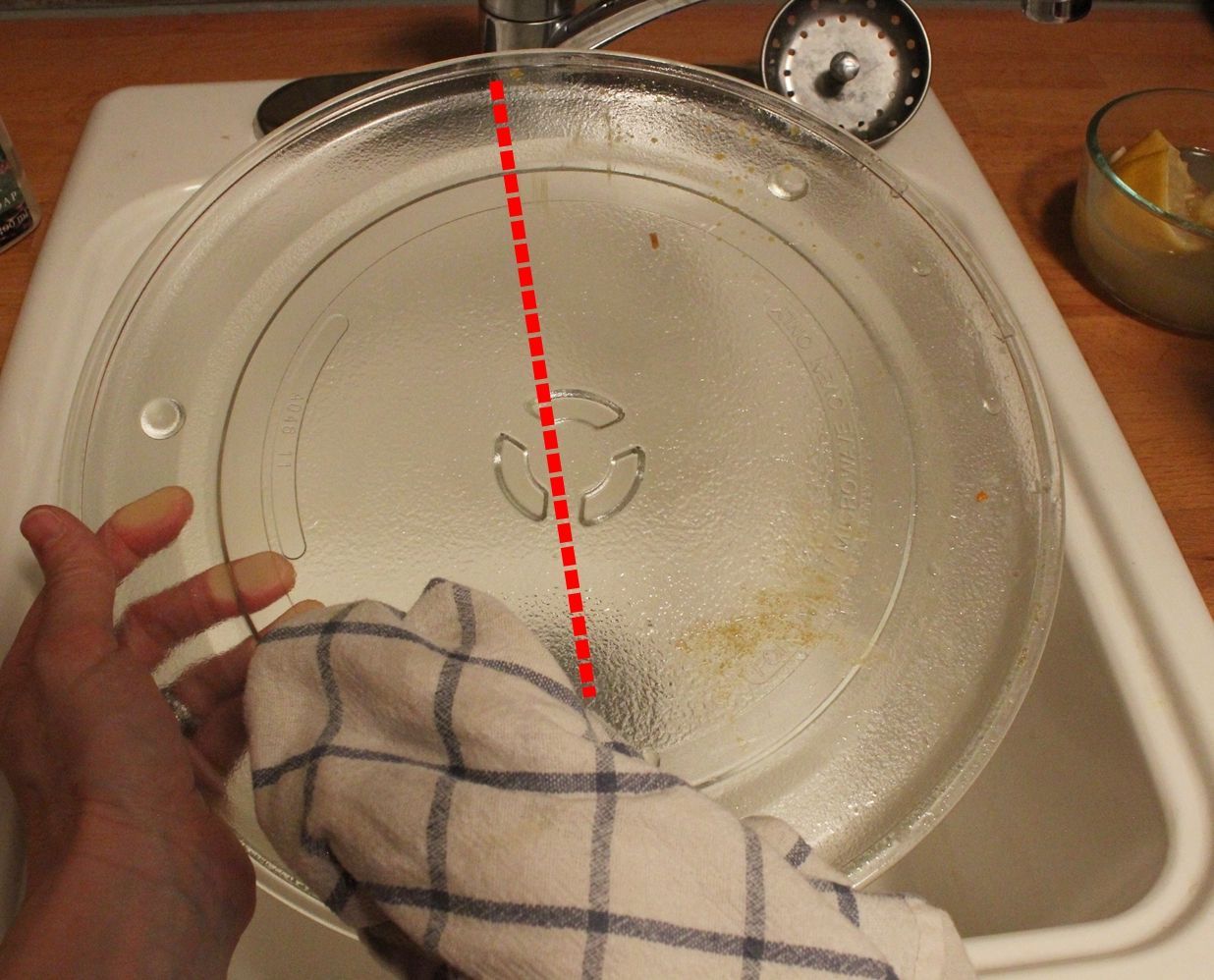
She wiped one half of the turntable with a dish towel while leaving the other half untouched. The resulting image displays a clean section adjacent to the remaining food residue. No soap was applied during this part of the test.
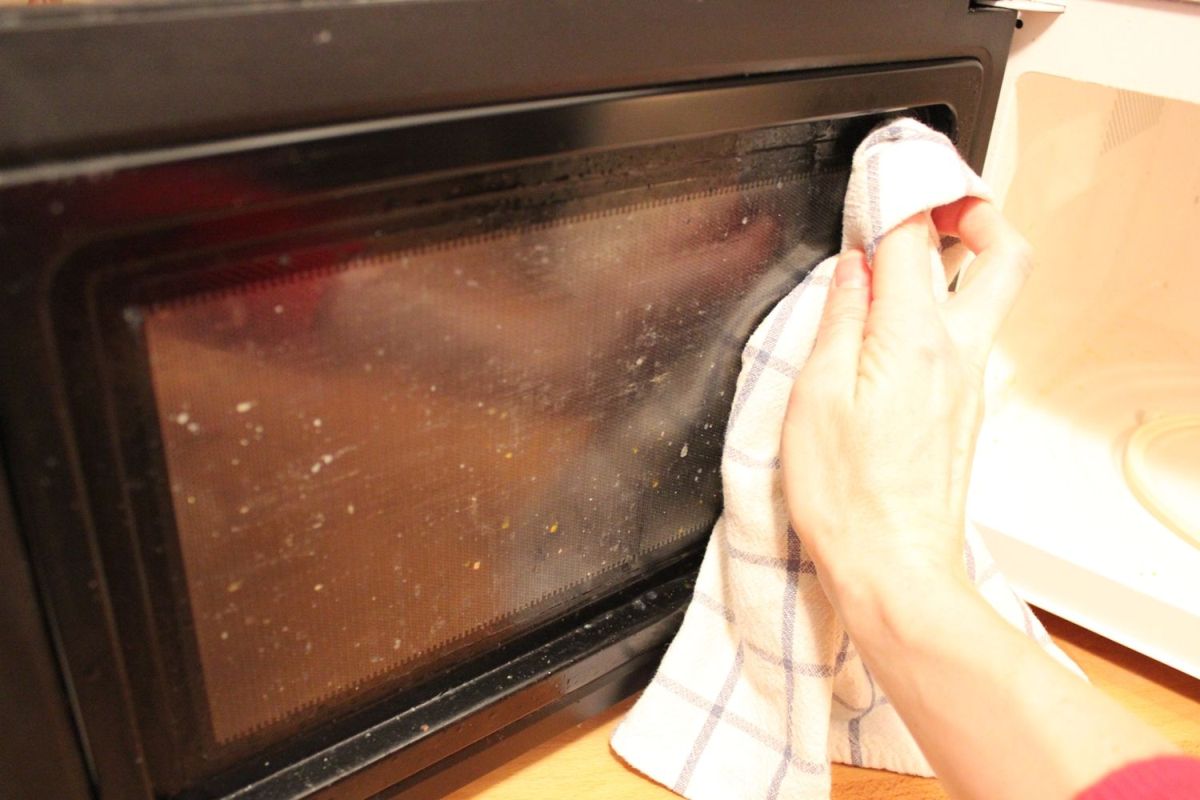
The microwave door also featured dried splatters. Smart used the towel to wipe away the softened deposits from the glass.
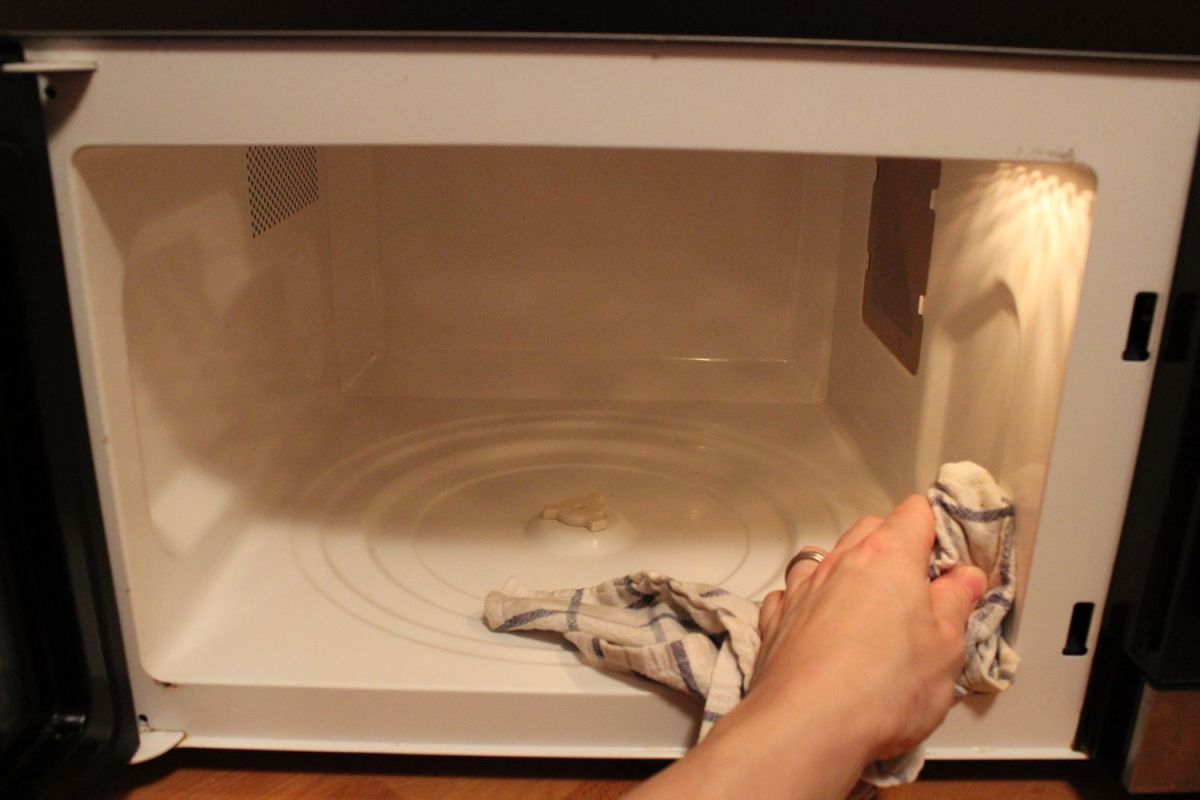
She extended the wiping process to the interior walls, ceiling, and floor, removing food residue from the white surfaces.
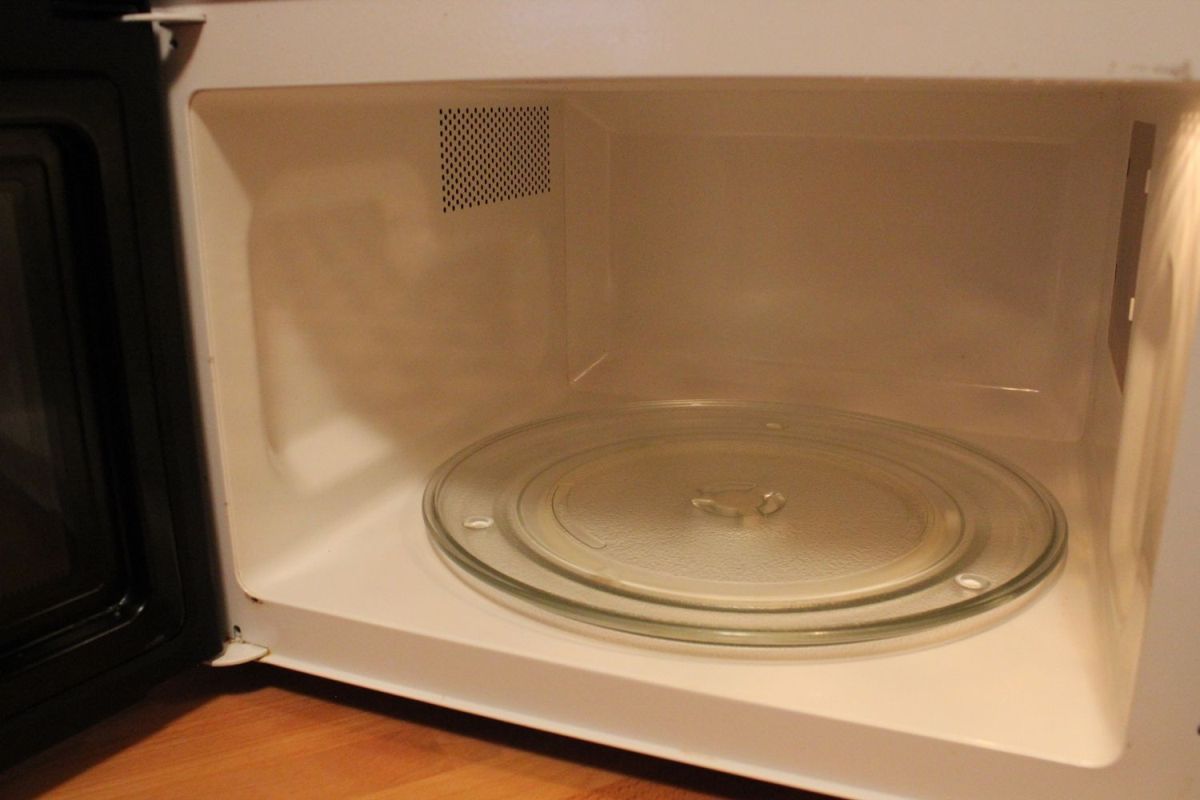
The final image shows the cleaned microwave with the glass turntable reinstalled. The entire process, including heating and waiting, took approximately 10 to 12 minutes.
Insights from Microwave Manufacturers
Whirlpool advises heating water for three to four minutes to loosen food residue before wiping. The manufacturer also recommends adding lemon juice to the water for enhanced cleaning.
Samsung outlines a similar approach, suggesting two cups of water with optional lemon juice, heated for five minutes, followed by a brief waiting period before wiping.
In contrast, Bosch recommends against using lemon for cleaning its microwaves, as the acidity could potentially damage certain surfaces. Instead, it suggests using mild soapy water.
This distinction is significant because steam performs the majority of the cleaning work, rather than the lemon juice. Plain water is sufficient to soften dried food deposits without introducing an acidic component.
Consult your appliance manual before using lemon, select a microwave-safe bowl, and exercise caution when handling hot water. Persistent grease may still require dish soap for removal.
Would you attempt the lemon water method after viewing the results, or prefer using plain water to clean your microwave?
The article "Putting Half a Lemon in the Microwave With Water: Why People Recommend Doing It and What It’s For" originally appeared on Homedit.






















































I’m curious: does the citric acid actually break down the grease, or is the steam doing all the heavy lifting? Also, does this method leave a lasting scent, or does it fade quickly?
Steam does the heavy lifting by loosening grease, while citric acid helps dissolve stubborn residue. The lemon scent is fresh but fades after wiping. It’s the combination of heat and acid that makes this method so effective for a quick, eco-friendly clean.