
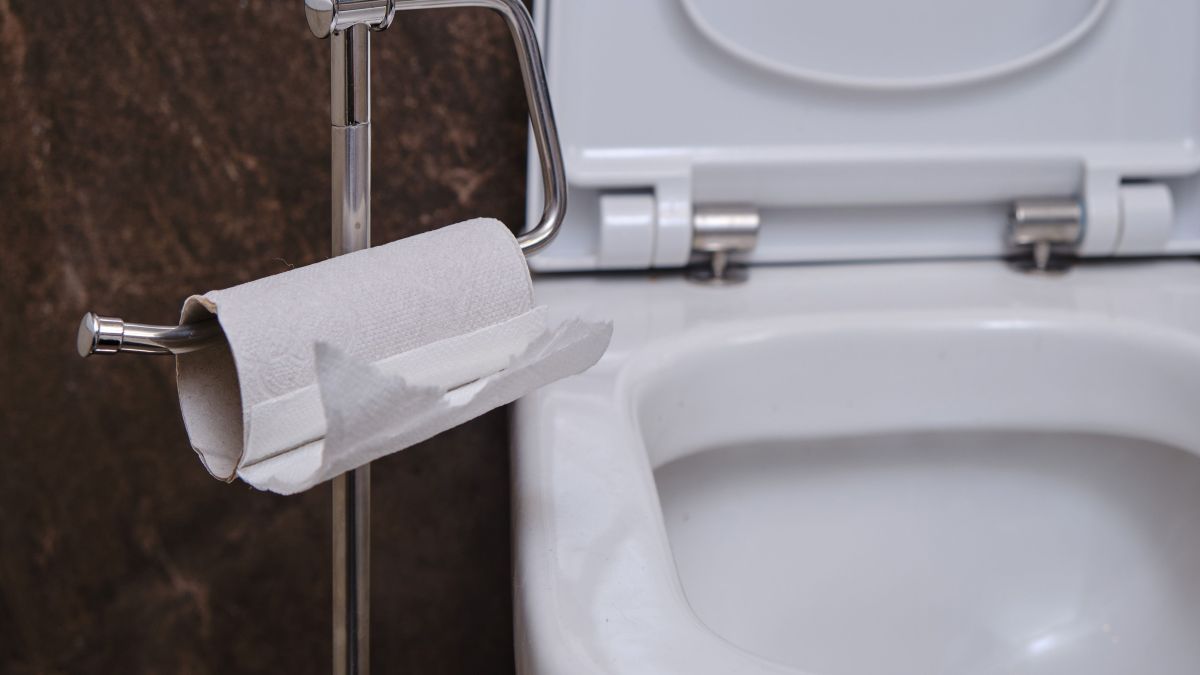
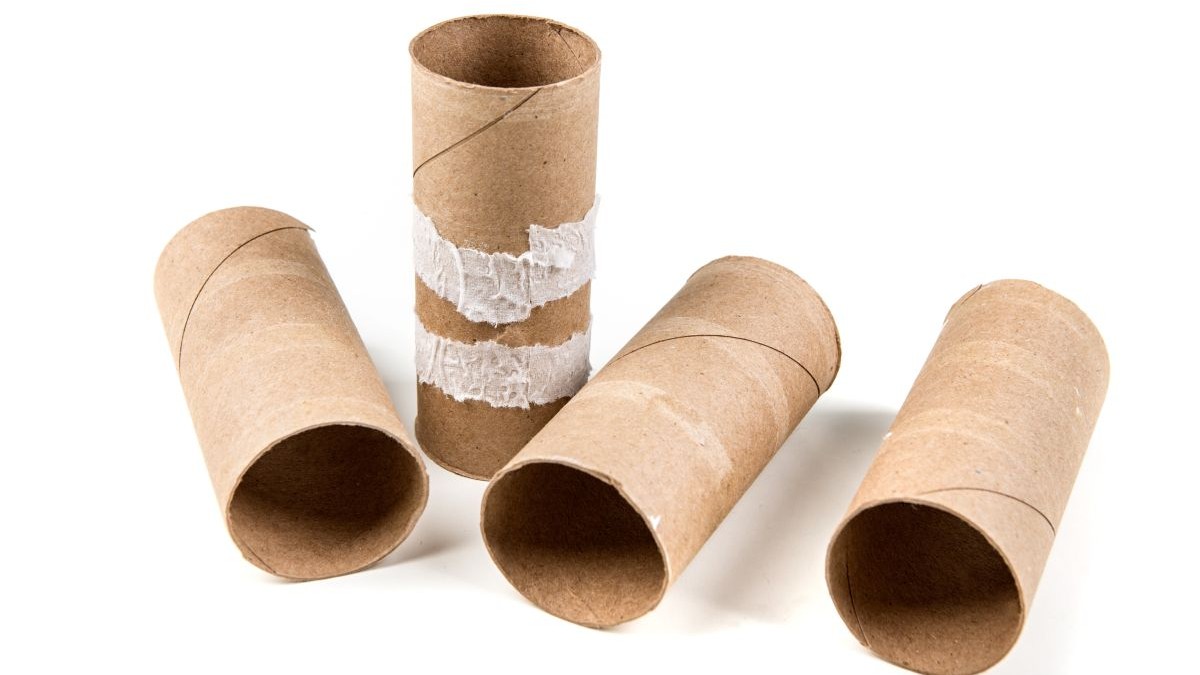
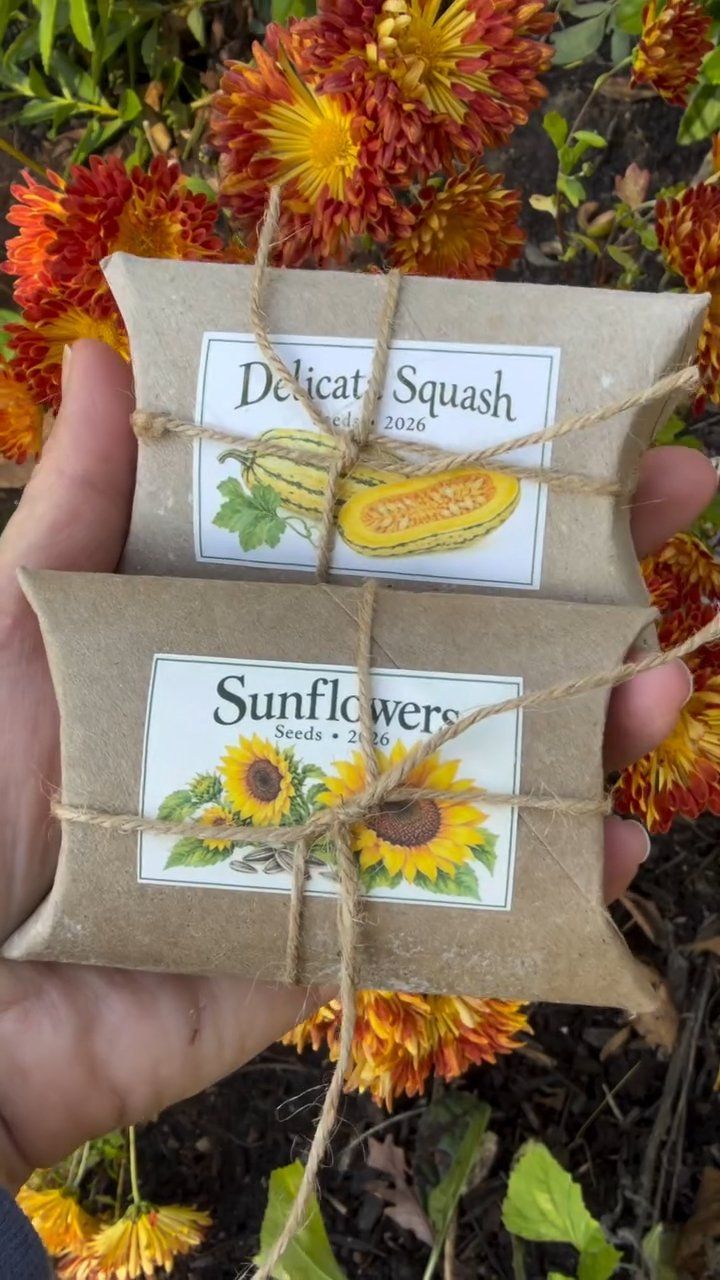
Cardboard tubes from empty toilet paper rolls are commonly recycled, yet one gardener discovered a practical application for them after harvesting seeds from her garden. Rather than repurposing the tubes as biodegradable starter pots, she fashioned them into compact envelopes designed to store seeds until the upcoming planting season.
Gena Murray, known on Instagram as @gigisgardentips, provided a tutorial on constructing these envelopes. Her process involves flattening a cardboard roll, cutting off the ends, and folding the material into a small holding container. The necessary tools include scissors, tape, and materials for labeling.
This technique is most effective for larger seeds like squash and sunflowers, whereas smaller seeds require an additional envelope to keep them from falling out. Once completed, the packets should be labeled with the specific seed type and the year they were collected prior to storage.
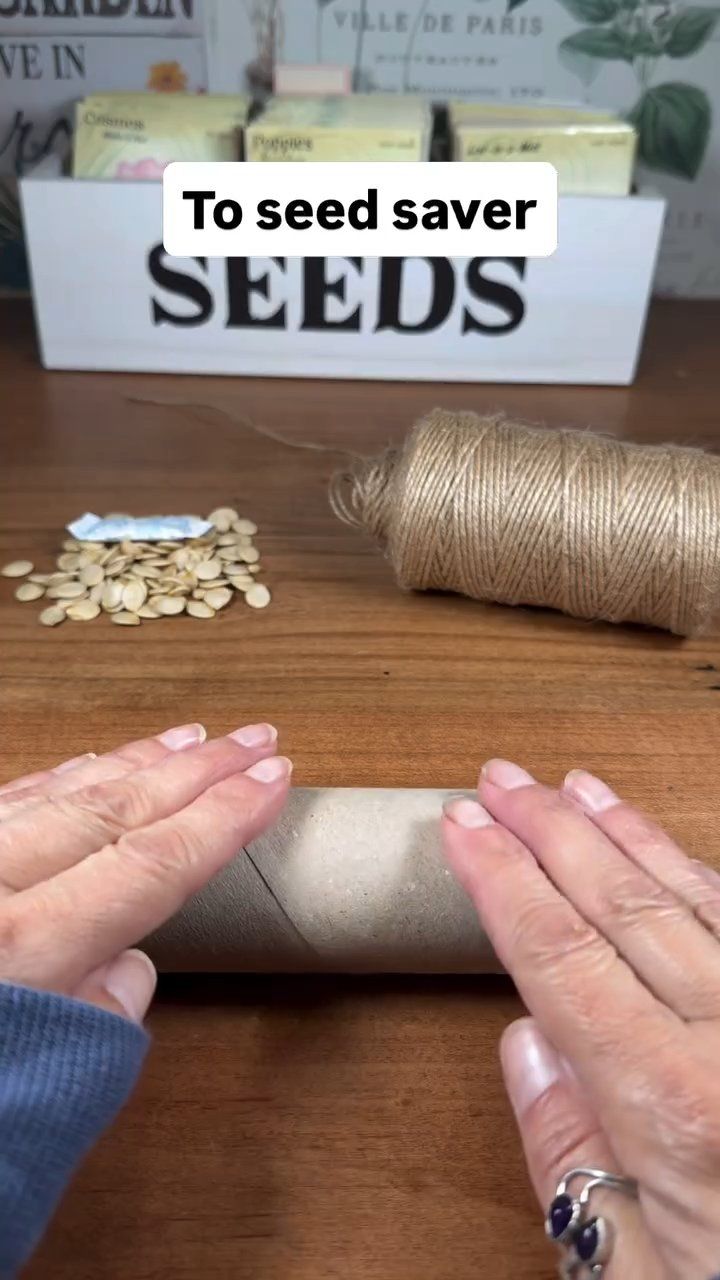
She Flattened a Toilet Paper Roll and Trimmed the Ends
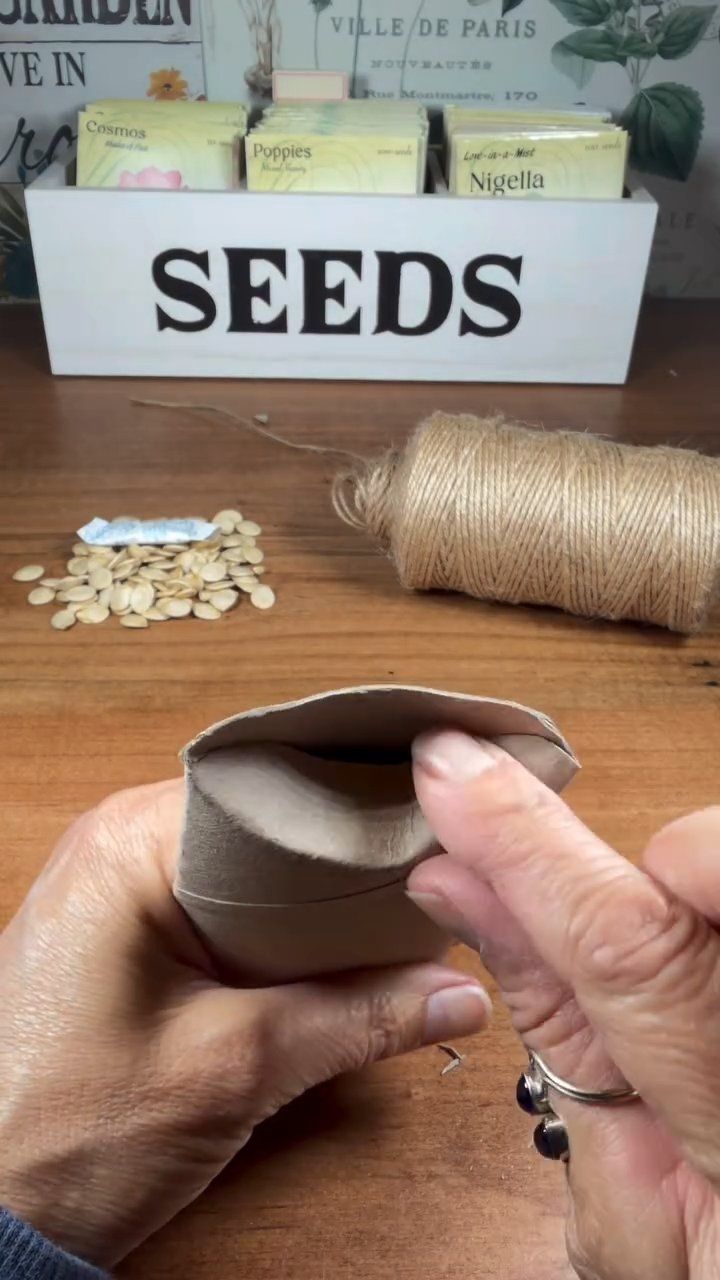
The process starts with an empty cardboard tube. Flattening the tube creates two wide sides with folded edges, establishing the fundamental shape of a small envelope.
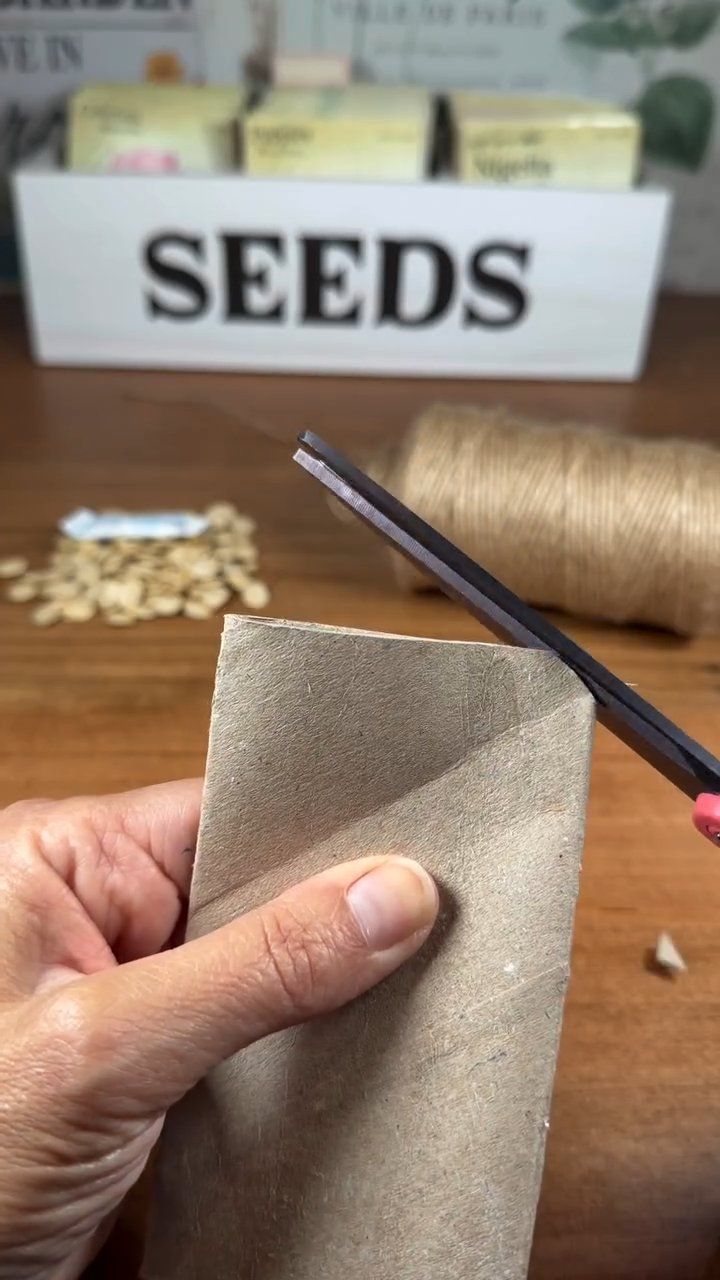
She uses scissors to cut the open ends into rounded curves instead of leaving them straight. These curved edges enable the material to fold inward, creating overlapping flaps.
The sides of the tube remain connected, eliminating the need for extra cardboard or a separate base.
Folding the Cardboard Creates a Small Seed Packet
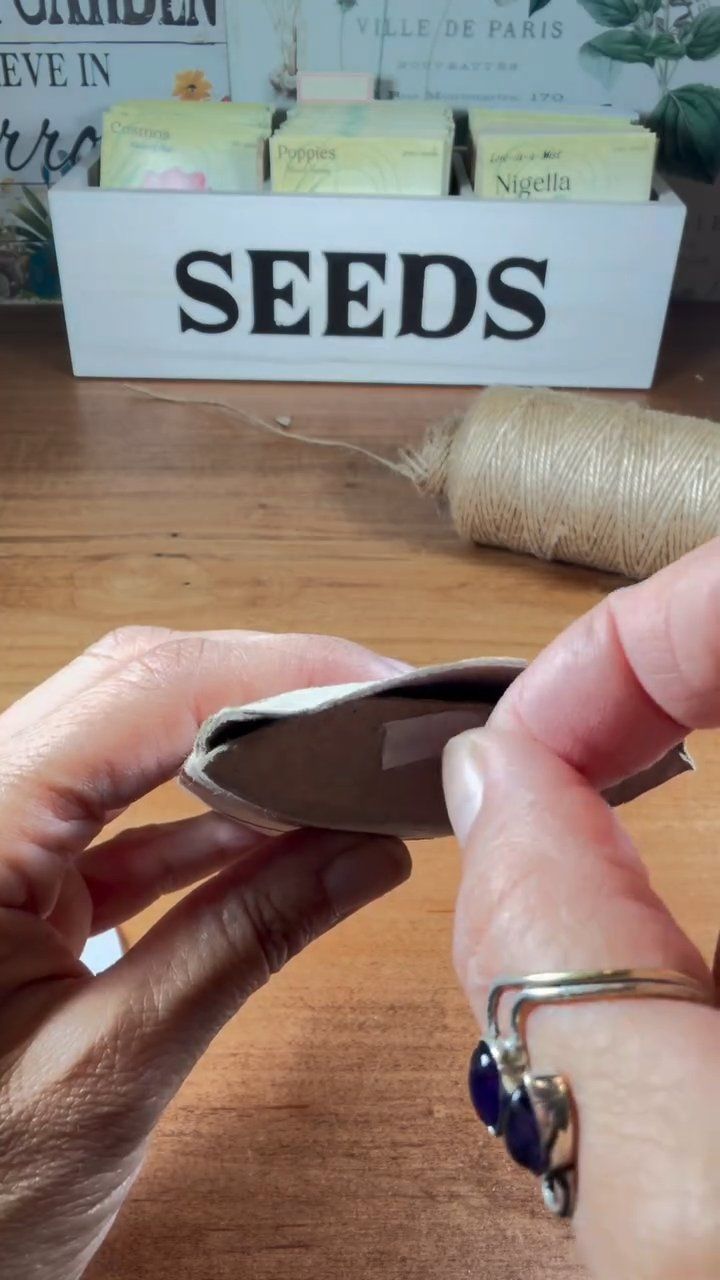
She folds one curved flap inward and then folds the opposite flap over it to seal the first end. This overlapping cardboard creates a rounded closure reminiscent of a pillow box used for gifts.
A small piece of tape secures the flaps, ensuring the packet does not open when seeds are placed inside.
With one end sealed, the remaining opening is wide enough to pour seeds into the cardboard container.
Dried Seeds Go Inside Before the Second End Is Closed
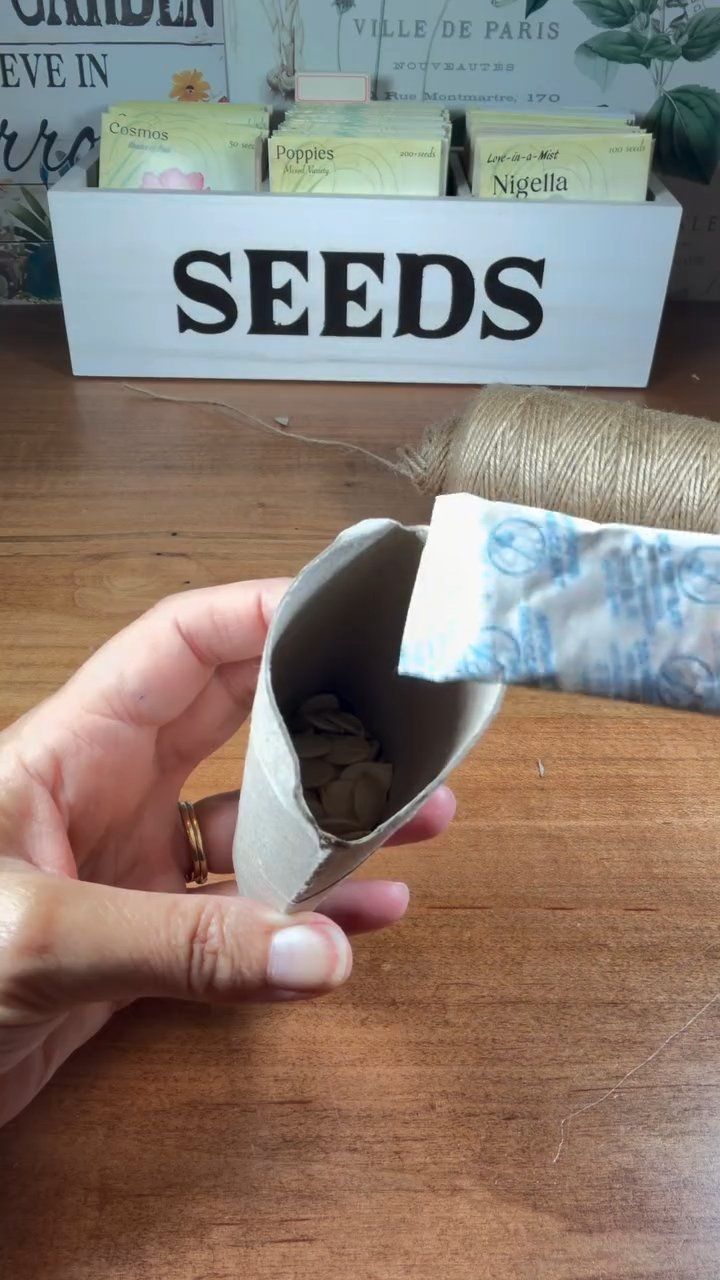
The gardener fills the packet through the open end, leaving sufficient space to fold the cardboard without damaging the seeds.
She advises using fully dried seeds for storage and suggests adding a small silica gel packet to absorb moisture. For fine seeds that might escape through the folds, she recommends placing them in a sealed envelope first before putting them into the cardboard tube.
After filling, the second end is closed using the same overlapping flap technique.
Labels and Twine Finish the Seed Packets
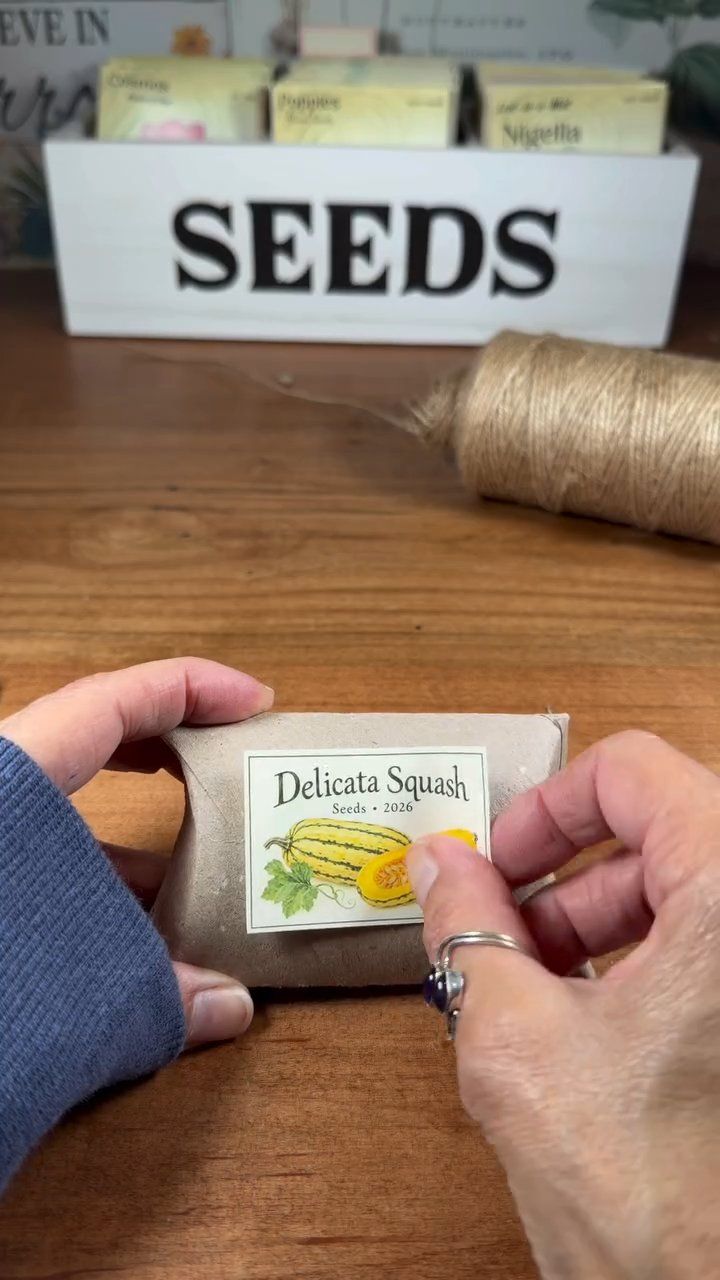
The sealed cardboard is labeled with the seed variety and the collection year. In the demonstration, one packet is labeled Delicata Squash, featuring an illustration of the vegetable below the name.
The finished examples feature Delicata Squash and Sunflower seeds, with natural twine wrapped around and tied across the front.
The string secures the folded ends, while the labels allow for easy identification of different seeds without opening each packet.
What to Know Before Storing Seeds in Cardboard
Cardboard is moisture-absorbent and does not shield seeds from humidity during long-term storage. The finished packets should be placed in an airtight container and stored in a cool, dry place until planting time.
Would you use folded toilet paper rolls for seed storage, or would you worry about moisture getting inside?
Image credits go to @gigisgardentips.
The post Instead of Throwing Away Empty Toilet Paper Rolls, She Turned Them Into Seed Packets for Next Spring appeared first on Homedit.

















































Love this clever twist! Turning simple toilet paper rolls into seed packets is such a practical, eco-friendly solution. Great tutorial, Gena—your tips make upcycling feel effortless and inspiring for any gardener looking to reduce waste.
Thank you so much! I’m thrilled you found the tutorial helpful. It’s amazing how easy it is to reduce waste with such simple materials. Happy gardening, and I hope your seeds sprout beautifully!