
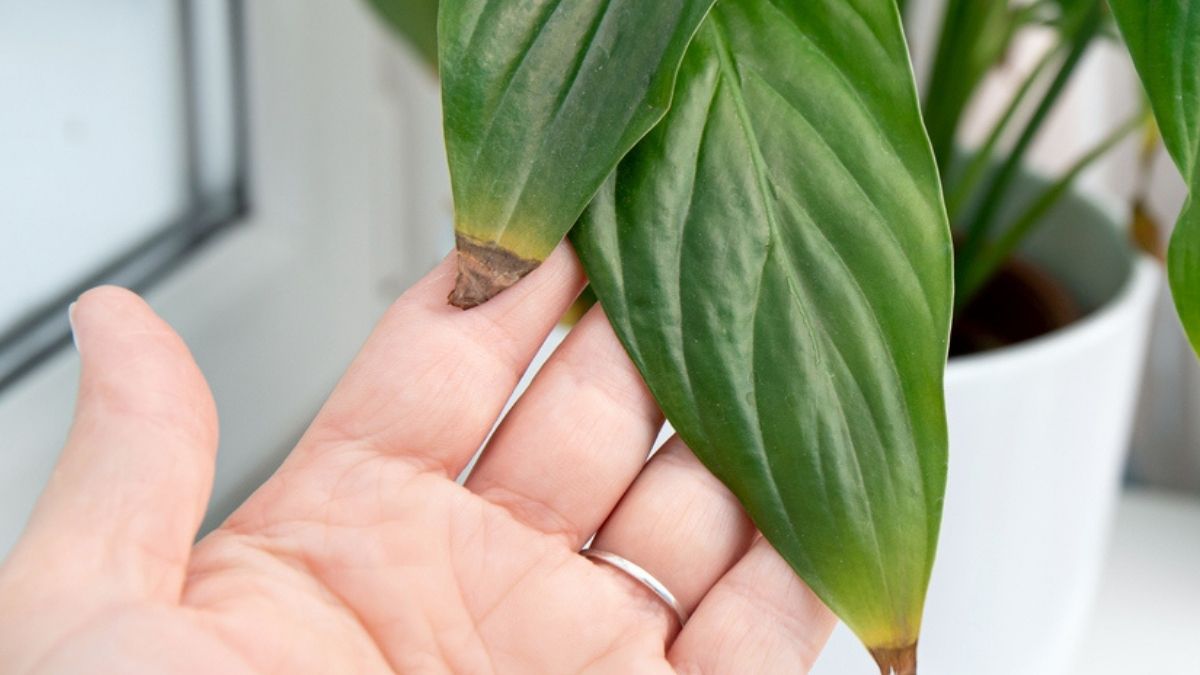
When spider plant leaves develop brown, crispy edges, the instinct is to increase watering. However, a week later, more tips may turn brown while the soil remains wet, and the plant's condition deteriorates further, creating a sense that standard interventions are ineffective.
The issue is not neglect but misdiagnosis. Aaron Steil, a consumer horticulture specialist with Iowa State University Extension, clarifies the situation. "The most likely cause is low humidity." Winter heating systems are highly effective at reducing indoor humidity levels.
Reasons why heated rooms cause leaf edge browning
According to Nebraska Extension, drying and browning along leaf edges or tips is a typical sign of low humidity, similar to the scorched margins seen on outdoor trees during hot, dry periods. Most houseplants thrive in humidity levels between 70 and 80%. While the human comfort range is 30 to 50%, indoor humidity often drops below this threshold once heating is activated.
Low humidity is not the sole culprit. Iowa State University identifies three additional causes: allowing soil to dry out excessively between waterings, accumulation of fertilizer salts in the soil, and the presence of chlorine, fluoride, or other chemicals in the water. Spider plants, ti plants, dracaenas, prayer plants, and calatheas are particularly vulnerable to water quality issues.
Plants moved from outdoor summer environments directly into heated rooms face an immediate shift in conditions. Additionally, bringing a collection of porch plants indoors introduces the challenge of providing adequate light for all specimens.
Strategies to increase leaf moisture
Create a pebble tray. Select a tray that is 1 to 2 inches deep and 2 to 3 inches wider than the plant pot on each side. Fill the tray with gravel, place the pot on top, and add water among the stones, ensuring the water level stays below the base of the pot.
Cluster plants together. Since plants release moisture through their leaves, grouping them creates a localized pocket of higher humidity that benefits the entire cluster.
Use a humidifier. Portable units can effectively increase humidity in a single room. Position plants away from exterior doors, radiators, and heating vents.
Maintain a consistent watering schedule. Avoid letting the soil dry out completely between waterings, but also prevent overwatering to compensate for dry air.
Monitor fertilizer and water sources. Apply fertilizer at the recommended rate for the specific plant. If a sensitive plant continues to brown, switch to a different water source.
Avoid misting. Nebraska Extension notes that misting is ineffective because it requires frequent application every few minutes to be beneficial. Furthermore, wet leaves can increase the risk of disease.
If increasing humidity is not feasible, select plants that tolerate dry air better. Nebraska Extension recommends cacti, succulents, cast iron plants, Chinese evergreens, pothos, philodendrons, and dracaenas, though dracaenas remain sensitive to water quality.
When brown tips indicate other issues
Trimming brown sections improves appearance, but Iowa State University warns that browning will recur unless the underlying cause is addressed. Monitor new leaf growth after making any changes.
If the soil is consistently wet and the plant is wilting, increased humidity may not help. A University of California guide links brown tips and margins to overly wet soil, excessive sun or heat through windows, and drafty areas, suggesting a review of the entire environment.
Avoid overusing humidifiers. To prevent mold, the EPA recommends keeping indoor humidity below 60%, ideally between 30 and 50%. Allow pebble trays and plant groupings to handle most of the humidity work. Check the air before watering; this is the key to success.
The post Few people know brown tips on houseplant leaves usually mean dry air, not thirst appeared first on Homedit.





















So I’m watering my plant to death because it’s lonely? Great. I’ll just add a humidifier and a therapist. Because apparently, my houseplant has separation anxiety, not thirst. Thanks for the overcomplication.
Not quite! Brown tips usually mean low humidity, not loneliness. While your plant might appreciate the company, a humidifier is the real fix for that dry air. You’re likely overwatering because the soil stays wet too long. Less water, more misting—your plant will thank you!