
After you have swept the porch, wiped down the door, and shaken out the welcome mat, a week later you might notice a gray film forming around the handle, a gritty strip along the threshold, and a thin line of ants slipping under the weatherstripping.
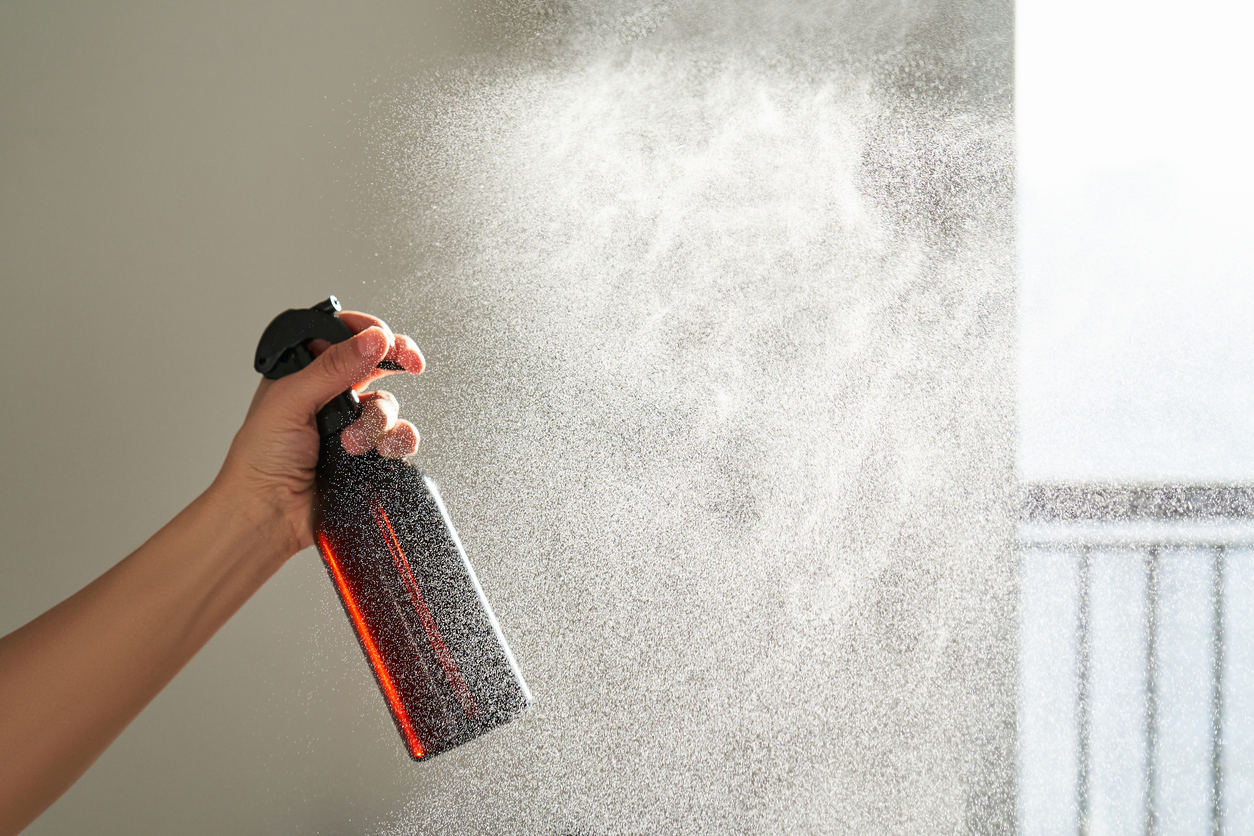
Your front door is not necessarily dirtier than the rest of your home simply because you neglect it; rather, it is the single point that every hand, shoe, and grocery bag touches, and it sits partially outdoors. This exposure is why a spray bottle filled with diluted white vinegar has become a common habit for front door maintenance. While this solution does not deliver on every promise made in viral social media posts, it excels at one specific task: cleaning the exact area where dirt and pests first enter your home.
What the entrance collects every day
Shoes bring in dust and mud, the handle accumulates oils from every hand that turns it, and glass panels or sidelights streak quickly. Ants are also part of this daily accumulation. Experts from the University of California pest management program note that ants enter homes seeking food, water, warmth, or shelter, or they may be fleeing hot, dry weather or flooding. They rely on scent trails to navigate. Thoroughly cleaning entry points with soapy water removes these scent trails.
This is the honest reason why a vinegar spray helps: it serves as a cleaning step at the precise spot where ants and grime use as a doorway. The popular claim that the smell of vinegar creates a barrier that spiders and cockroaches will not cross lacks scientific study behind it. The physical act of wiping is more important than the scent itself.
How to clean a front door with vinegar
The standard mixture consists of 1 cup of distilled white vinegar combined with 1 cup of water in a spray bottle. This is the same ratio that New Mexico State University Extension recommends for a homemade window cleaner, making it an excellent choice for cleaning door glass. Here is how to apply it:
- Sweep first. Brush grit off the threshold and the mat so you are not smearing it around.
- Test a hidden spot. Spray the inside edge of the door, wipe it, and check the finish before you do the whole surface.
- Using a microfiber cloth, wipe the glass, the handle area, and the kick zone at the bottom of the door after misting these surfaces.
- Follow the ant line. Wipe along the threshold, the bottom of the frame, and any corner where you’ve seen ants walking.
- Dry everything. Finish with a dry cloth, especially on wood doors and metal hardware.
If your door or threshold cannot tolerate an acid, skip the vinegar entirely. Plain soapy water is what the same university pest guide names for wiping out ant trails.
Where vinegar does more harm than good
Because marble, limestone, and travertine thresholds contain calcite, acids such as vinegar will etch these materials, resulting in dull patches. Similarly, concrete steps require caution since the acidity in vinegar can degrade the cement paste, creating a rougher texture that grabs stains faster than before.
According to the New Jersey Department of Health, combining bleach and vinegar generates dangerous fumes such as chlorine and chloramine that can irritate the lungs and eyes. Therefore, if you have previously bleached a porch, you must rinse it thoroughly with water before applying vinegar in that same cleaning session.
According to the university guide, baits are a safer and more effective solution than sprays when used correctly, especially if ants persist despite spraying. The guide also advises sealing the foundation cracks that allow ants to enter.
Spray, wipe, and leave the trail nothing to follow. That’s the trick.
Source: Homedit.




















































Great post! I love how you cut through the social media hype to explain the real science behind vinegar. Your explanation of removing ant scent trails is spot on. A practical, honest guide for keeping our entryways clean and pest-free.
Thanks so much! I’m glad you found the science behind it clear and useful. It’s always great to hear when practical tips resonate with readers. Enjoy your pest-free entryway!