
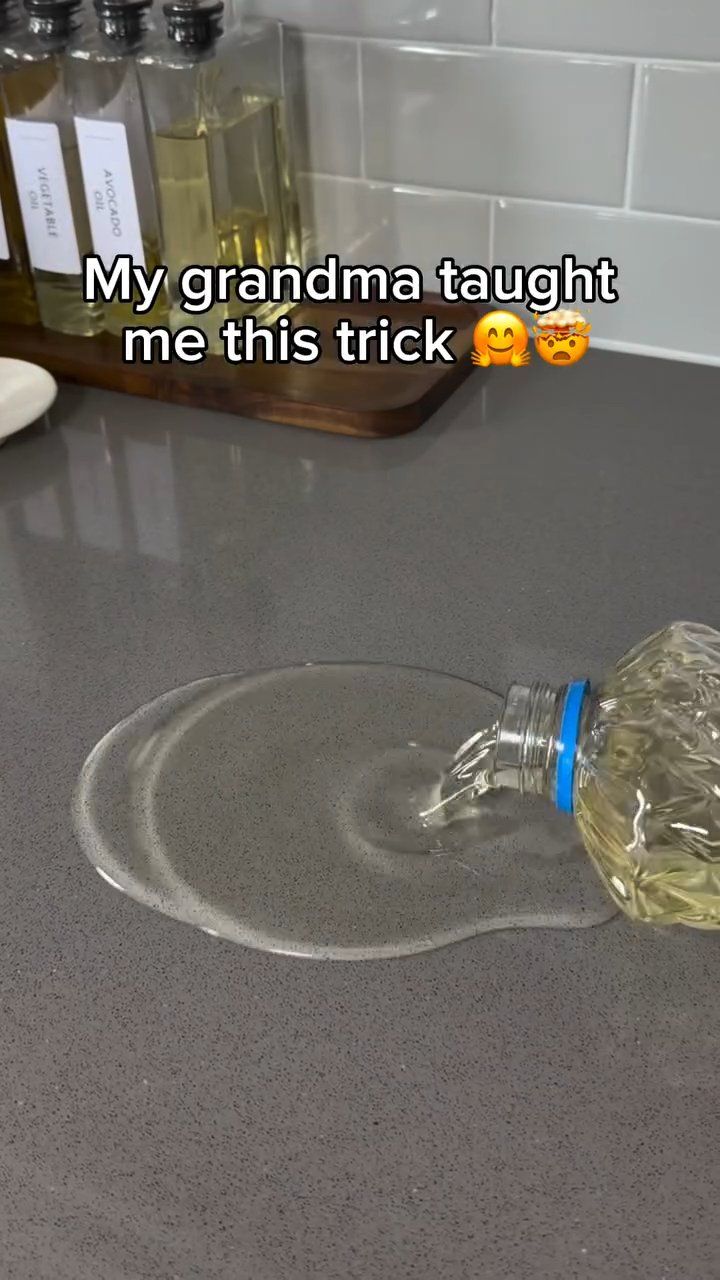
Cooking oil spills on kitchen counters create a greasy film that often requires multiple wipes to remove. While paper towels can absorb some of the liquid, a significant puddle may soak through several sheets before the area is dry.
Instagram user @daria_kids_usa presented an alternative method she learned from her grandmother. Rather than absorbing the oil, she applies baking soda to convert the spill into white clumps that can be collected.
The video highlights an unconventional use for a standard kitchen staple, though some viewers doubted whether this technique actually reduces effort.
Why Put Baking Soda on Spilled Cooking Oil?
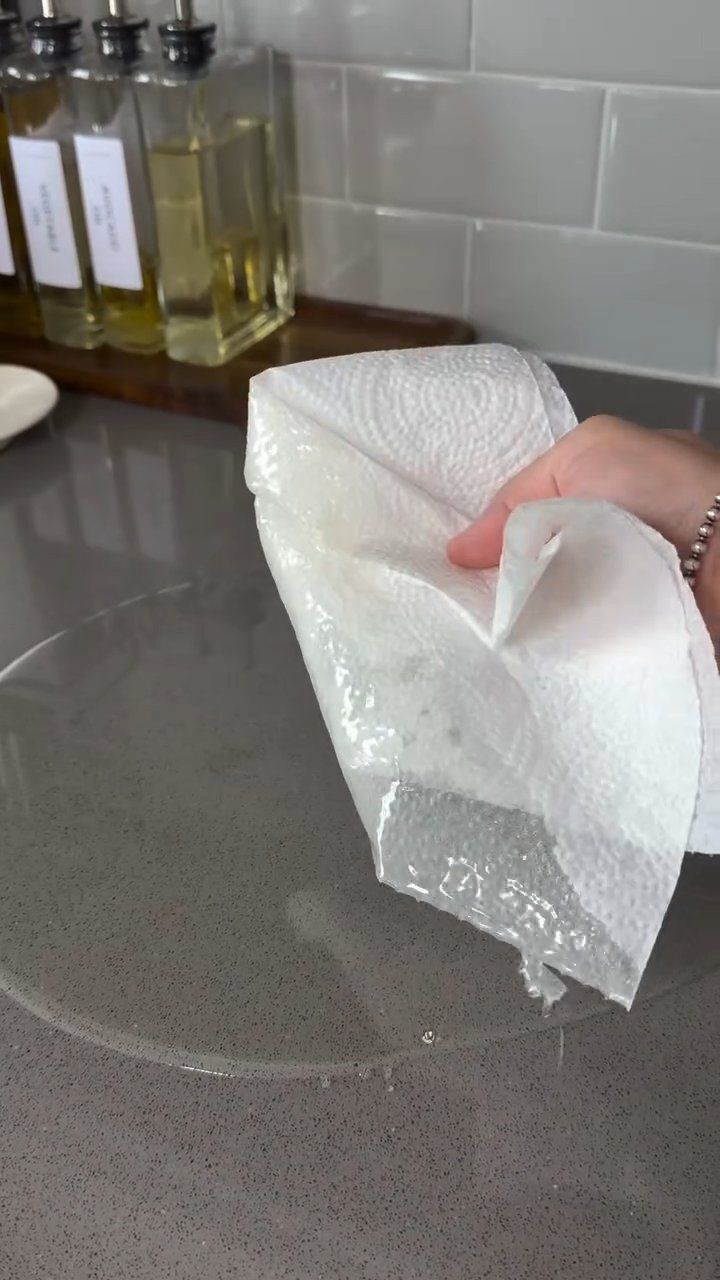
The video starts with cooking oil spread on a gray countertop. The creator presses a folded paper towel against the puddle to demonstrate how the liquid transfers to the paper.
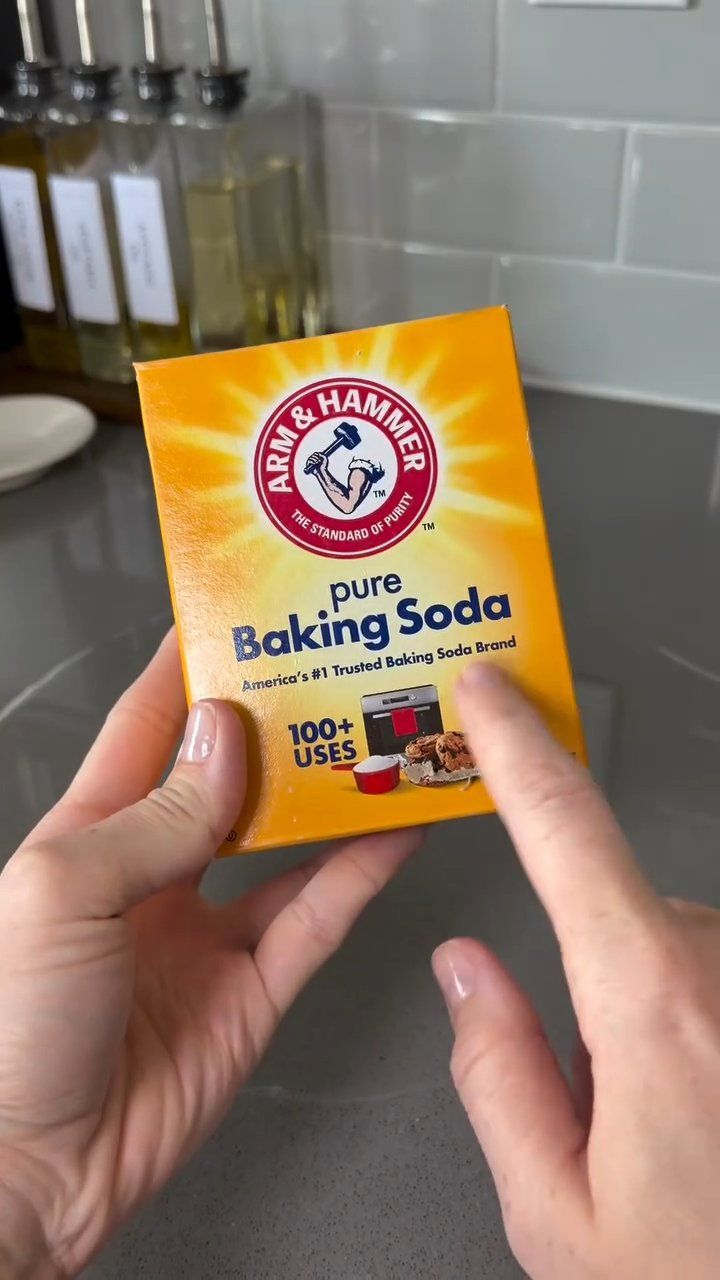
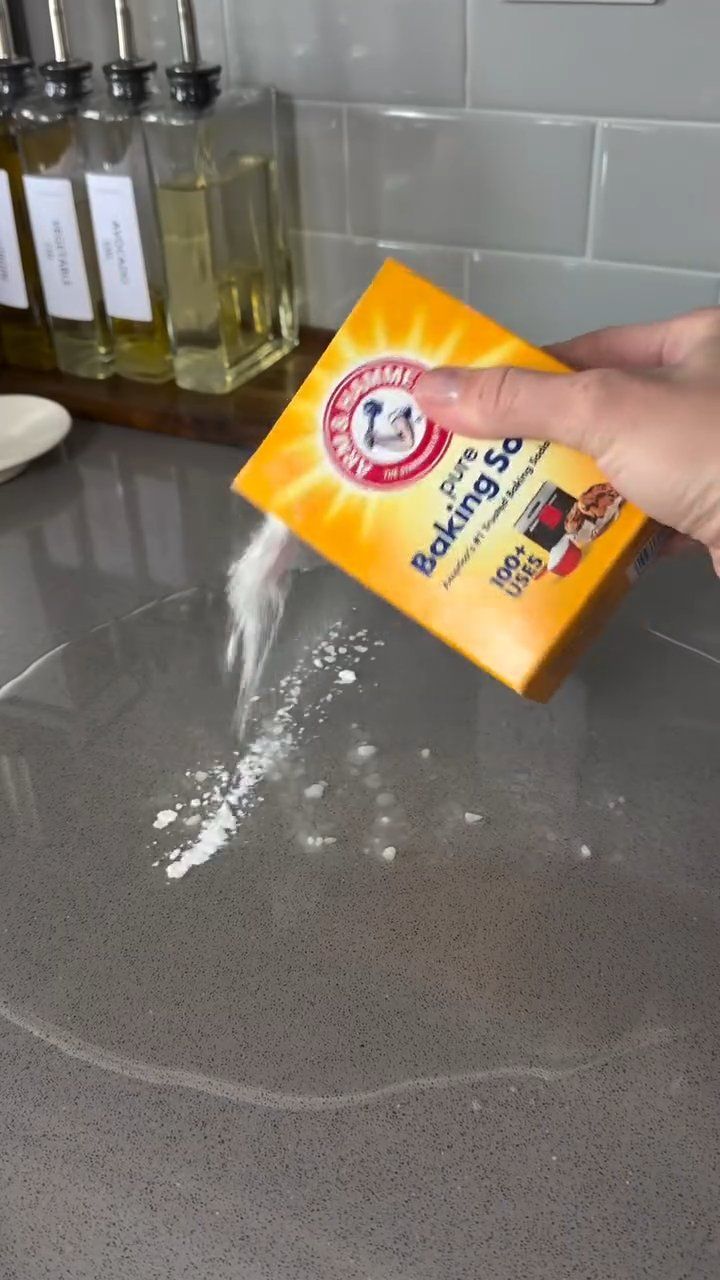
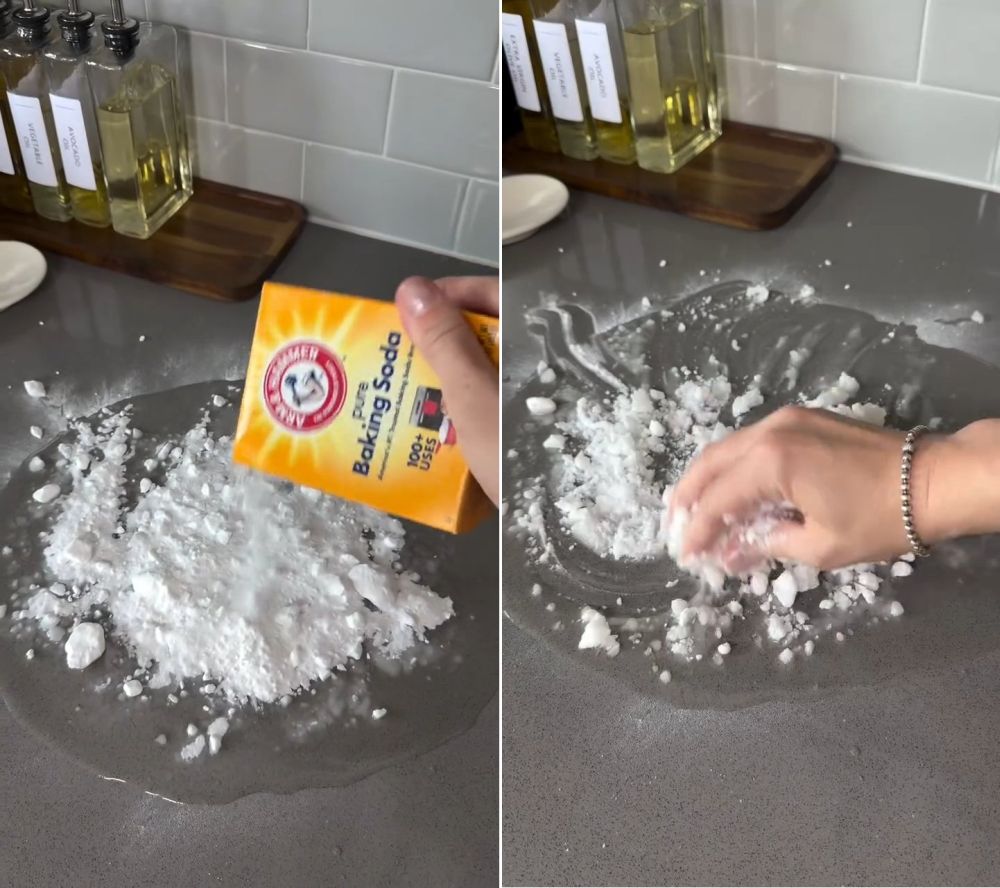
Next, she introduces a box of Arm & Hammer baking soda, a household staple. Instead of using it for stain removal or odor neutralization, she sprinkles the powder directly onto the oil spill.
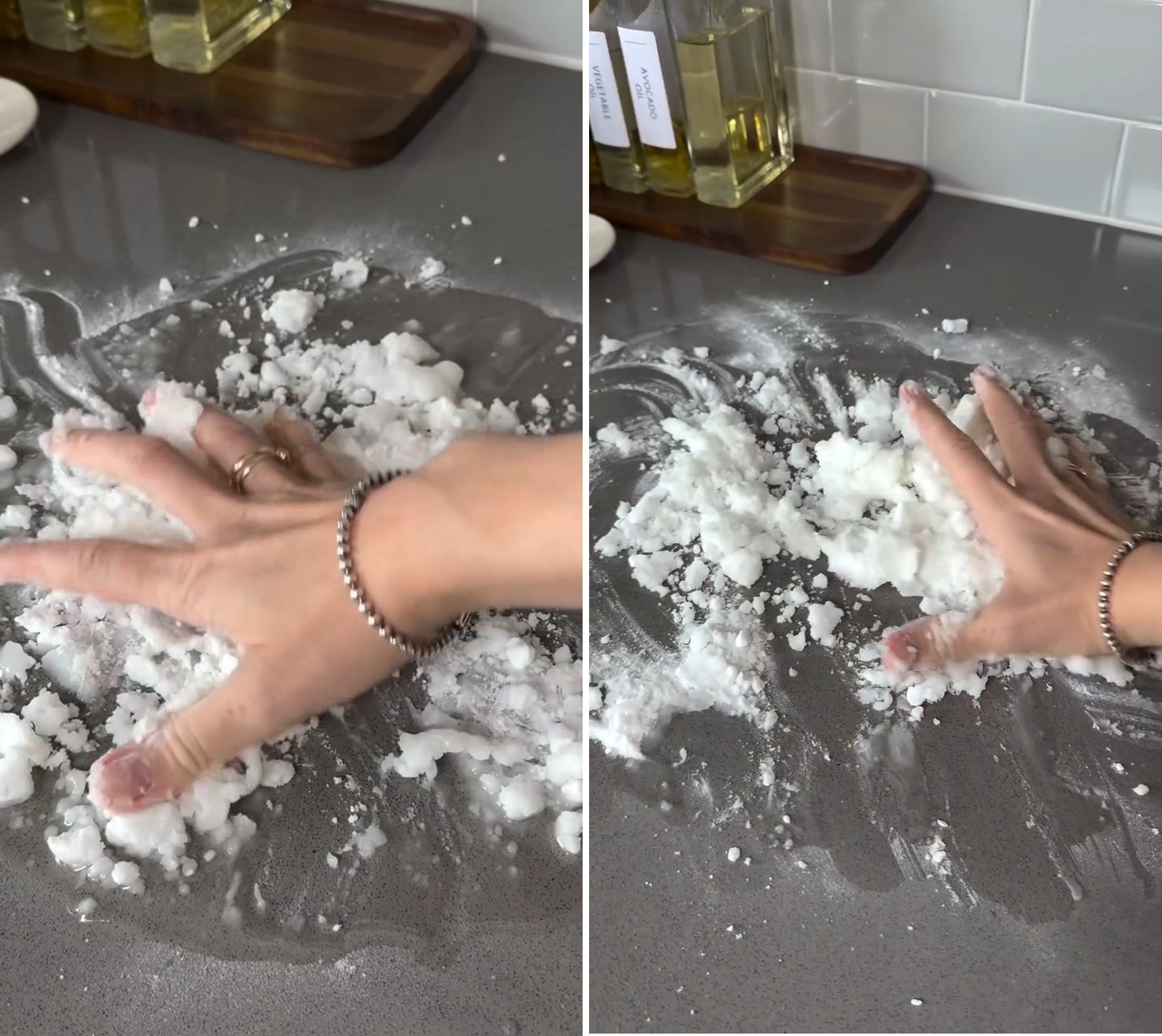
The white powder starts to absorb the liquid. As the creator moves her fingers through the spill, the combination forms clumps rather than spreading further across the surface.
What Happens When Baking Soda Meets Cooking Oil?
Baking soda does not dissolve or break down oil like dish soap does. Its fine particles trap the liquid, creating a thicker substance that can be collected instead of wiped away.
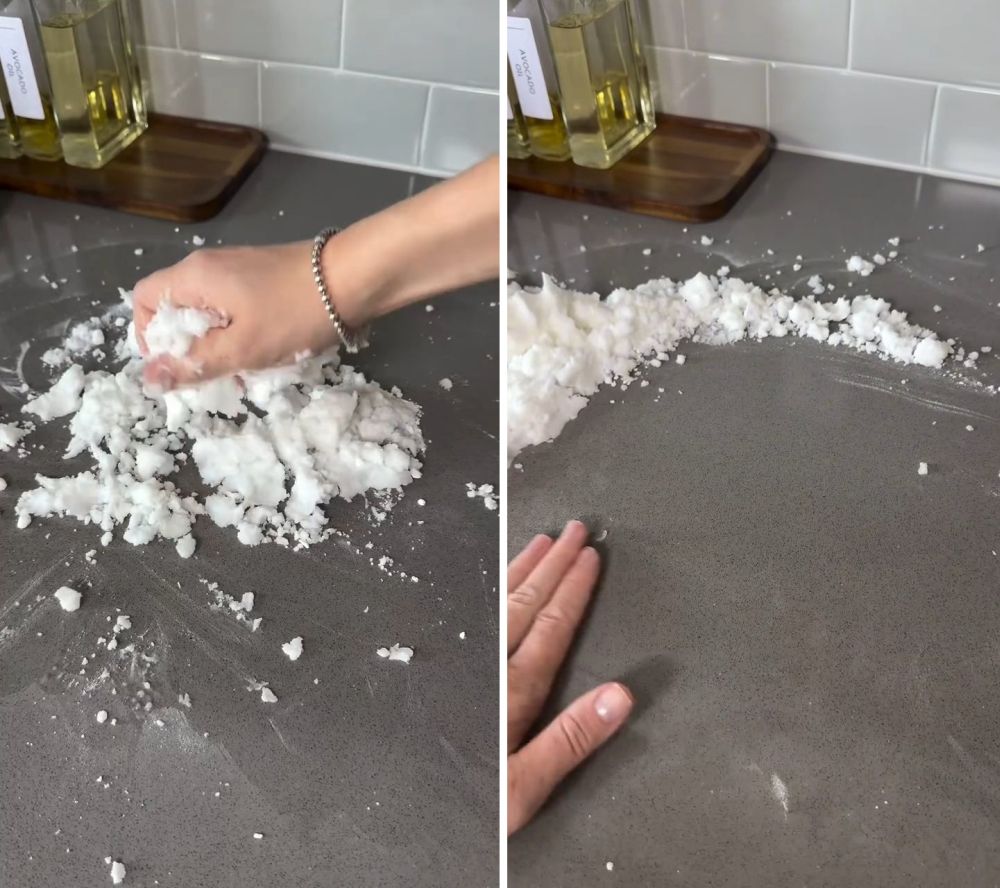
The video shows the creator gathering the white clumps with her hands. The material retains enough oil to form small masses, leaving parts of the gray countertop visible between them.
By the end, most of the mixture is piled on one side of the spill. The center looks clear, but the video does not confirm whether any greasy residue remains.
This result illustrates why the trick is appealing. A liquid that spreads across the counter becomes a solid material that can be picked up. However, whether this actually saves time is debatable.
Viewers Questioned the Amount of Baking Soda Used
The Instagram reel faced criticism from viewers who viewed the method as wasteful.
"Just use a towel. You just wasted a lot of baking soda," one commenter wrote.
Another viewer responded, "So instead of 1 mess, its 2 and takes 4 times as long to clean."
Some suggested using cornmeal or flour instead. Others noted that the creator would still need to remove the powder and wash away any remaining grease.
This criticism underscores the difference between collecting oil and cleaning the surface. Baking soda can clump the liquid, but it does not ensure a grease-free countertop.
For small spills, paper towels and dish soap might be less effort. A larger puddle provides a stronger justification for using an absorbent material, though the quantity of powder required may make the method less attractive.
The reel shows a change in the oil’s texture, not evidence that baking soda cleans better than traditional methods.
Would you use baking soda to collect spilled cooking oil, or would you rather wipe it up with paper towels?
The post Neither Paper Towels Nor a Sponge: She Used This to Clean Up Spilled Cooking Oil From Her Countertop appeared first on Homedit.





















































So we’re scrubbing counters now? Brilliant. Next, they’ll tell us to use vinegar to polish the floor. Because nothing says “efficiency” like replacing one greasy mess with a powdery, clumpy disaster.
Haha, fair point! It definitely creates a temporary mess, but the baking soda absorbs the oil so you can wipe it up easily. It’s usually faster than scrubbing with a soapy rag. Give it a try next time you spill!