
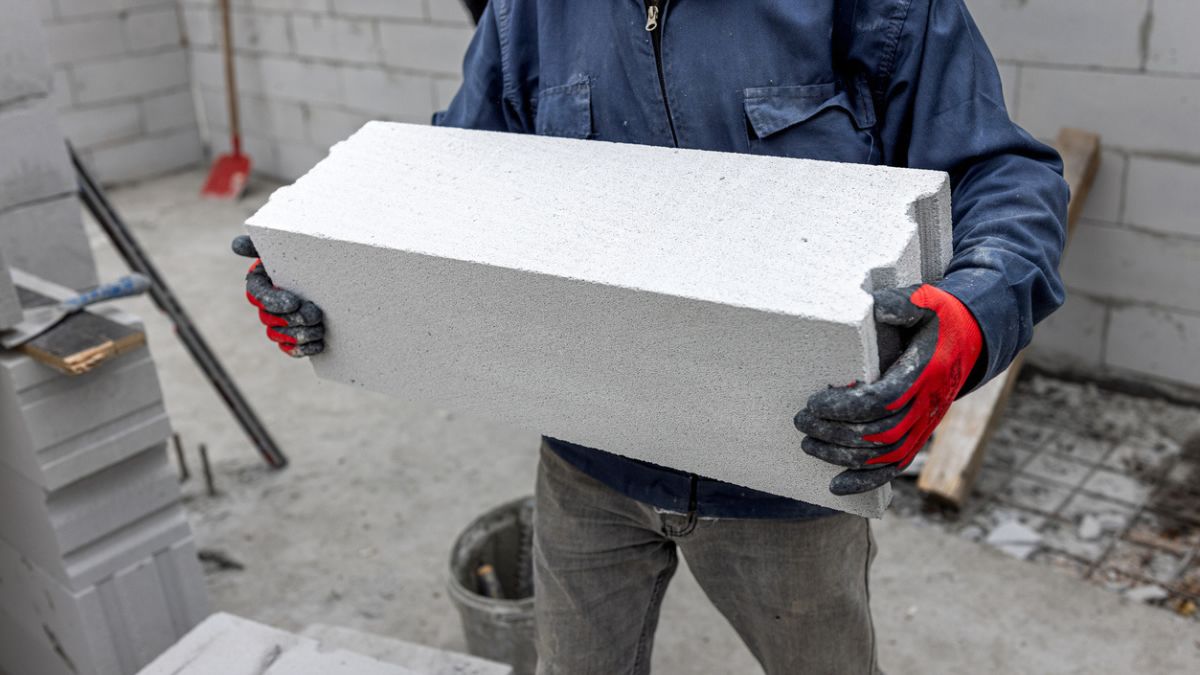
Typical backyard cooking involves a chaotic arrangement of wood and rocks, resulting in a persistent cloud of smoke that clings to clothing and delays meal preparation. The issue lies not in the fire itself, but in the open, uncontained nature of the pile. Don Wynn demonstrates a superior alternative in a YouTube video: a rocket stove constructed from five standard hollow concrete blocks, also known as CMUs. Four of these blocks remain intact, while only one requires modification.
How Block Stacking Improves Combustion
Open fires tend to burn broadly and unevenly, causing wood to smolder rather than combust efficiently. A rocket stove channels small fuel pieces into a narrow cavity, maintaining a tight, intense heat. The air rushing through this vertical stack creates a distinct roaring sound, which gives the design its name. While commercial versions of these stoves typically retail for approximately $100, the DIY version is far more economical.
Dry fuel is just as critical as the stove’s geometry. The EPA advises burning only dry, split, and well-seasoned wood, noting that optimal combustion occurs when moisture content falls below 20 percent. Wet wood will produce smoke regardless of the stove type. Concrete blocks are also versatile for larger projects; for instance, 48 cinder blocks and six timbers were used to create two low benches surrounding a square fire pit in a neglected gravel corner. Building the benches first allowed the builders to position the pit precisely where the seating faced it.
Assembly Instructions
- Modify one block. Use a circular saw to cut out the ends of a single block, leaving an H-shaped structure. Cut along the long sides rather than across, as cutting across will shorten the block and misalign the stack.
- Establish the base. Place a whole block horizontally on a level surface.
- Position the modified block. Place the H-shaped block on top of the base, keeping it horizontal.
- Add the third block. Stack another whole block horizontally on top of the modified one.
- Install the vertical supports. Stand the remaining two blocks upright at each end of the stack. Minor gaps are acceptable provided the blocks sit snugly.
- Introduce fuel. Feed small branches, twigs, or scrap wood into the upper cavity of the block structure.
- Begin cooking. Place pots or pans directly on the blocks. For items like burgers or steaks, lay a grill grate or metal tray across the top surface.
This setup functions like a two-burner stove without requiring mortar, welding, or specialized kits. If you lack a circular saw or wish to avoid masonry dust, purchasing a commercial rocket stove for around $100 is a viable alternative that eliminates the cutting process.
Limitations and Safety Precautions
These stoves can reach several hundred degrees Fahrenheit. Flames may be difficult to see or might not reach the top, yet the heat remains intense. Keep children and pets away while the stove is active, and assume the blocks retain heat long after the fire appears extinguished. Ensure adequate space by following Smokey Bear’s guidance, which recommends a 10-foot diameter clearance around the fire site. Place the stove on bare ground, gravel, or pavers, keeping it away from fences, decks, and low-hanging branches. Keep water and a shovel nearby, and verify local burn regulations before your first use, as some municipalities restrict outdoor burning.
Be cautious with fuel sources. The EPA warns against burning coated, painted, or pressure-treated wood, so exclude leftover deck boards and painted trim from the stove. Inspect the blocks for cracks before each use and replace any damaged units. While these stoves are renowned for producing little to no smoke, this is not a certified rating. A homemade stack is not appliance-certified, and smoke output depends heavily on wood dryness. Providing a narrow path and dry wood allows the design to perform effectively.
Source: Homedit.

































Great find! This rocket stove design looks incredibly efficient. The idea of using just five blocks to solve the smoke problem is brilliant. Don Wynn’s approach is simple yet effective—perfect for anyone wanting cleaner, faster backyard cooking.
Thanks, John! I’m glad you appreciate the simplicity. Using just five blocks really does make a huge difference in efficiency and smoke reduction. It’s a fantastic, low-cost solution for cleaner backyard cooking. Enjoy building it!