
It is a familiar scenario: a discounted seed packet sits in a drawer until spring, only to yield nothing or perhaps three stray seedlings in a long row, leading the gardener to blame the packaging. The issue is rarely the packet itself; it is the uncertainty of the guesswork. A gardener in Reddit’s r/gardening community discovered that Dollar Tree had pulled seed packets from the sales floor and marked them down to just one cent each. She acquired 957 packets in total, comprising 701 flower varieties and 256 vegetable and herb options. While the full retail price for this collection would have been $478.50, the final cost was merely $9.57.
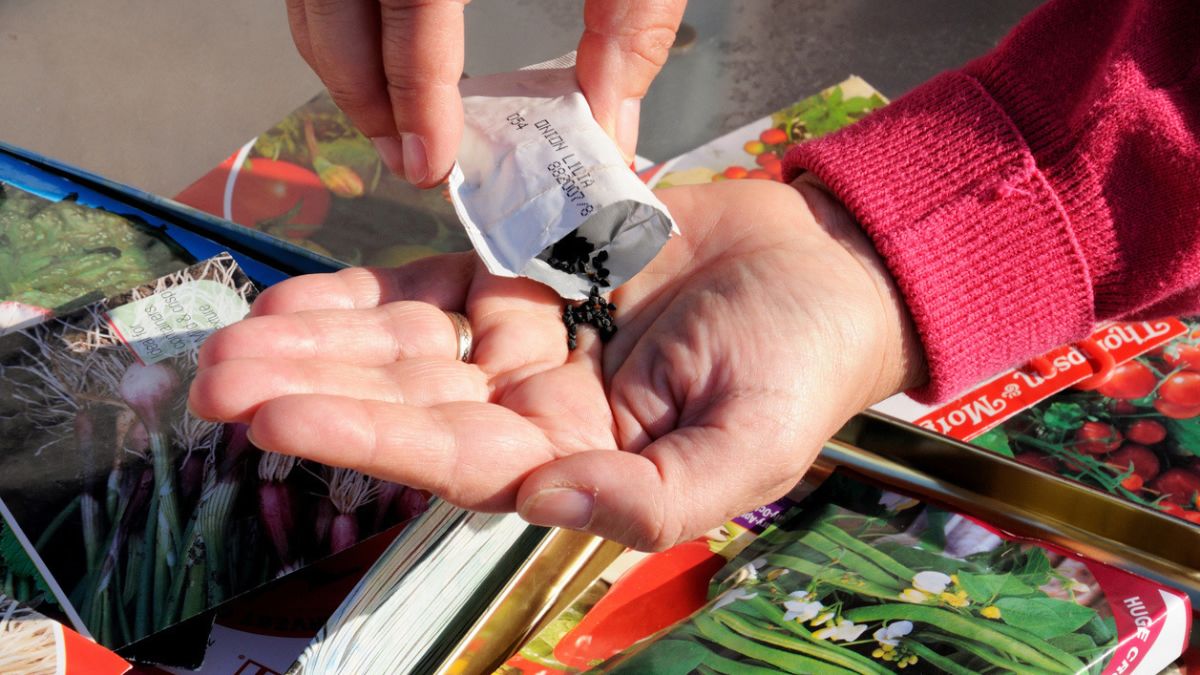
The store manager heard the gardener discussing the markdown and retrieved additional inventory, including an unopened display of flower seeds, while apologizing for the lack of vegetable seeds. The gardener joked that she had essentially taken over an entire flower farm and offered to provide vegetables from her own garden in return. The manager agreed enthusiastically. Upon her return with fresh produce, the manager had located more vegetable seeds and packaged them into gift bags. The transaction was summarized by the post’s title: a penny per packet exchanged for homegrown tomatoes, jalapeños, and basil.
Why Cheap Seed Packets May Fail to Germinate
Seeds are living organisms with a finite lifespan. According to the Clemson Cooperative Extension, certain seeds have short viability periods. Varieties such as corn, lettuce, onion, impatiens, and pansy lose their ability to sprout after one or two years, even if stored correctly.
Planting hundreds of packets requires significant space. Establishing a new garden bed does not necessarily require heavy digging. One gardener successfully laid cardboard directly over his lawn, overlapping the sheets to prevent grass from penetrating, soaked the material with a hose, and covered it with mulch instead of removing the sod.
Test Germination Before Planting
Iowa State University Extension suggests conducting a germination test approximately one month before the intended planting date. Their paper towel method takes about a week and requires minimal resources.
- Select seeds. Randomly choose at least 20 seeds from the packet. Testing 50 is preferable, while 100 is ideal.
- Prepare the towel. Place the seeds on several layers of a premoistened paper towel and roll it up to keep the seeds separated.
- Maintain warmth. Place the rolled towel inside a plastic bag, label it with the seed variety, and store it in an area between 70 and 80°F.
- Monitor for growth. Inspect the towel after two or three days, then daily for a week. A seed is considered sprouted once a root or seed leaf emerges from the coat.
- Calculate results. Divide the number of sprouted seeds by the total tested. A rate of 90 percent or higher indicates excellent quality. Rates between 70 and 80 percent are acceptable for small or abundant seeds. If the rate is 50 percent or lower, Iowa State recommends discarding the seeds.
- Adjust sowing density. If the germination rate is low but not poor, increase the number of seeds sown per row to compensate.
Store unused packets in a sealed glass jar placed in a cool, dry location, such as a closet, root cellar, or refrigerator. If you end up with more seeds than your yard can accommodate, consider sharing them. One commenter suggested checking if your local library operates a seed library, allowing residents to borrow seeds for free.
Limitations of a Penny Seed Haul
Clearance seeds often originate from previous growing seasons. Check the year printed on each packet before planning your garden, and prioritize testing short-lived varieties. The success of such a deal also depends on the specific store. The extra seeds and gift bags were a result of one manager’s goodwill, so you cannot expect the same treatment at every location.
Flower packets also warrant careful consideration. Before scattering a wildflower mix, consult your local extension office to determine if any species spread aggressively in your region. Testing a small sample before trusting the entire packet is the key to success.
Source: Homedit.




















































What a delightful story! I love how her seed bargain turned into a fresh produce trade. It’s a perfect example of community spirit and the joy of gardening. Thanks for sharing this heartwarming find!
Thank you! It really is a wonderful example of how small gestures can build community. I’m glad you enjoyed the story as much as I did sharing it. Happy gardening!