
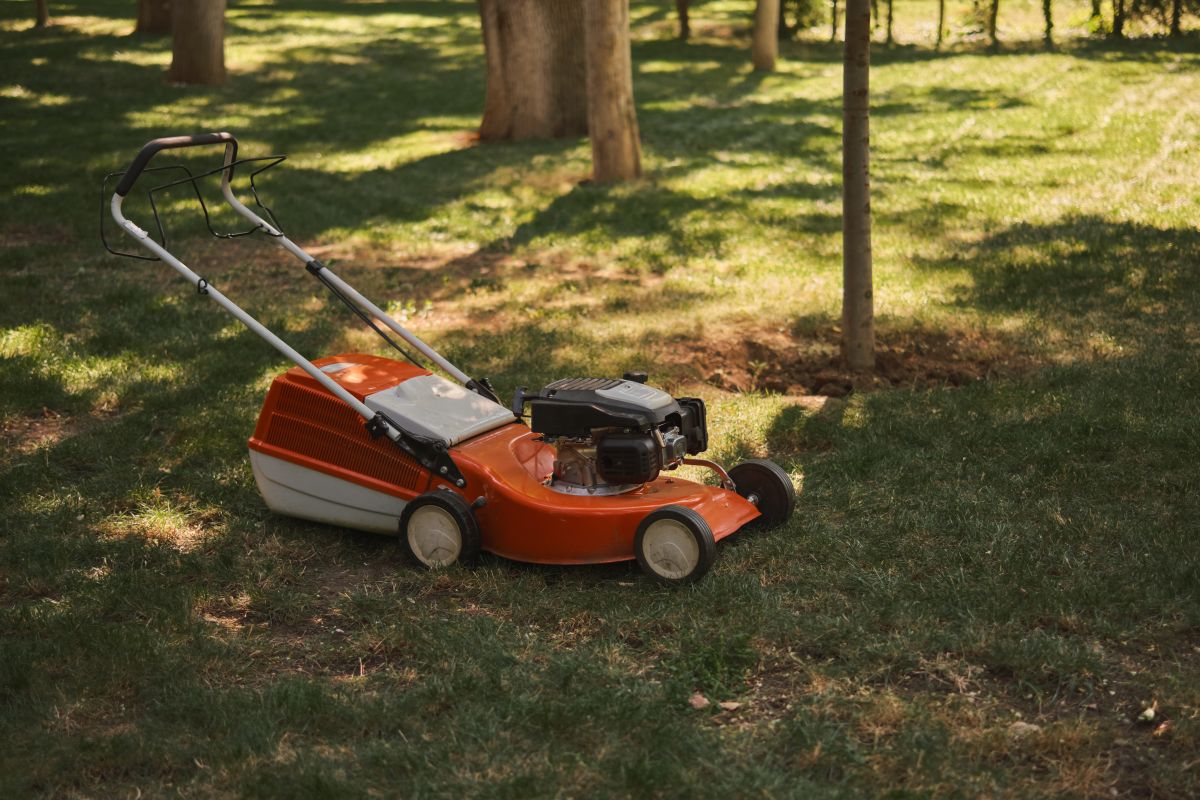
While a shorter lawn may appear prepared for the winter season, cutting the grass too low eliminates the leaf tissue that the turf relies on to absorb sunlight. If too much is removed while the grass's growth rate is decreasing, the lawn will have reduced ability to recover.
Advice on fall mowing typically separates lawns into warm-season and cool-season categories, assigning a specific rule to each group. This approach overlooks variations between different species and cultivars, including certain grasses that actually require a higher cut as temperatures decrease.
Rather than giving the lawn a close cut simply because the mowing season is concluding, you should identify your specific grass type and verify its recommended height before adjusting your mower.
Certain Warm-Season Grasses Require a Higher Cut in the Fall
St. Augustinegrass defies the general recommendation to lower all warm-season lawns before winter. Regional extension guidelines suggest increasing the mowing height by half an inch to one inch when nighttime temperatures drop below 70°F, thereby preserving more leaf surface as the weather cools.
Bermudagrass and zoysia grass have their own distinct requirements. Grouping them together in a single seasonal category does not mean that one mower setting will work effectively for all three types.
Two Inches Is Insufficient for Some Lawns
Standard St. Augustinegrass cultivars require a mowing height of 3.5–4 inches, whereas dwarf cultivars have lower recommended ranges. Cutting the grass to two inches without first identifying the specific cultivar may leave the grass below its optimal height.
Review turf installation records or consult the supplier to determine the cultivar before making any adjustments to the mower height.
Do Not Remove More Than One-Third of the Grass in a Single Mowing
Ensure that at least two-thirds of the grass blade remains after each mowing. This practice limits the amount of leaf tissue removed, even if the lawn has grown beyond its target height.
If grass is six inches tall, it should be left with at least four inches after the cut. If the recommended height is lower, achieve it gradually over subsequent mowings instead of removing all the excess at once. Extension guidance suggests this staged approach when a mowing has been missed.
Consider Shade and Other Stresses
Leaves provide the surface area necessary for photosynthesis, so mowing guidelines emphasize retaining sufficient growth when the turf is exposed to shade or other stressors. The recommended height range for the species serves as the baseline, with site conditions helping to determine where within that range the grass should be cut.
Set your mower based on this guidance, then evaluate the next mowing based on the lawn's actual growth. A calendar date alone cannot determine how much grass needs to be removed.
Sources: clemson, ask.ifas, clemson, ifas and ask.ifas.
The post Cutting Your Lawn Short Before Winter Can Backfire: Check This Before Lowering the Mower appeared first on Homedit.




















































You claim specific grasses need higher cuts, but where’s the data? Which cultivars exactly? You lump Bermudagrass and Zoysia together yet imply different needs. Show me the extension guidelines for each, not just generalizations.
Great point! I’ll update the article to include specific extension guidelines for Bermudagrass and Zoysia. They do have distinct winterization needs—Bermudagrass prefers a lower final cut, while Zoysia tolerates slightly higher heights. I appreciate you pushing for that precision!