
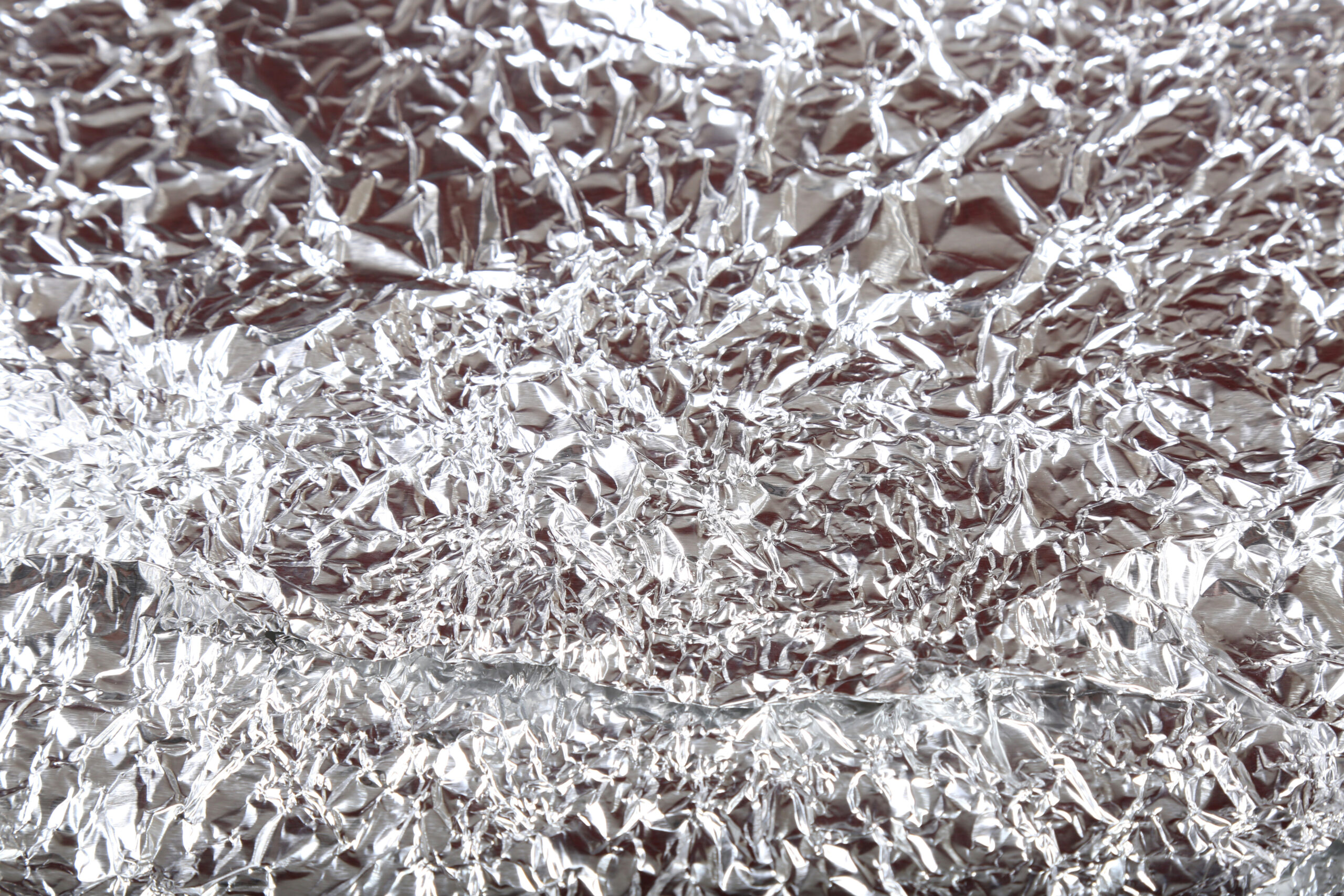
A faint gray shadow appears low on the wall near the corner. After wiping it away, the mark returns two weeks later, slightly darker. Even after applying a fresh coat of paint, the surface bubbles again during the next cold snap.
Paint is not the root cause. A damp patch indicates one of two sources: water entering from the exterior or moisture emerging from indoor air. Solutions for one source fail to address the other. According to the University of Minnesota Extension, homeowners often mistake condensation for a leak when seeing moisture on basement walls. Applying a square of aluminum foil for two days reveals the true source.
Why a sheet of foil can tell a leak from condensation
"Aluminum foil doesn’t allow water vapor to pass through it easily, because it’s a non-porous surface," says Michael Rubino, a mold and air quality expert with HomeCleanse. This setup creates a barrier with two distinct surfaces. Moisture escaping from the wall becomes trapped behind the foil. Conversely, humid air in the room condenses on the cool outer surface, similar to water droplets forming on a cold glass.
This concept is not new. The construction industry has used a similar method since 1983. Standard moisture testing, identified as ASTM D4263, involves taping a clear plastic sheet, measuring approximately 18 by 18 inches, to concrete for at least 16 hours to check for moisture accumulation underneath.
How to read the wall in two days
Here is how to run it:
Begin by drying the area. Pat the spot dry and allow it to fully air out to avoid trapping existing water.
Cover the damp section. Cut a piece of foil large enough to completely cover the patch and press it firmly against the wall.
Seal all edges tightly. Use painter’s tape to secure all four sides, as it is less likely to leave sticky residue on painted surfaces.
Wait 24 to 48 hours.
Inspect both sides of the foil. If water appears on the room-facing side while the wall remains dry underneath, the issue is condensation. If moisture collects between the foil and the wall, water is penetrating through the structure.
For bare concrete, clear plastic sheeting functions identically, allowing you to observe moisture without removing the material.
If the cause is condensation, reduce the room's humidity. The EPA advises maintaining indoor humidity below 60 percent, ideally between 30 and 50 percent, and insulating cold water pipes. If water appears behind the foil, inspect the exterior first; proper grading and drainage around the foundation take precedence over applying interior sealers. The same extension guide states: "A downspout without an extender or splash block is worse than no downspout at all."
What the foil can’t tell you
The foil indicates the location of the water, not its origin. "A pipe could be leaking inside the wall, or water could be entering through the foundation," Rubino says. A dry result does not guarantee a healthy environment: "a dry result doesn’t mean you’re in the clear," he adds.
It also says nothing about mold. "You could find moisture behind the foil and have no idea whether mold has started growing inside the wall," Rubino says. Toxicologist Alex Le Beau, of Exposure Consulting, recommends checking for bubbling or stained paint. "It will take a good amount of water to soak through the back of something," he says.
The EPA states that water-damaged areas must be dried within 24 to 48 hours to prevent mold growth. Areas with mold covering more than 10 square feet may require professional intervention. Keep foil and tape away from outlets and switch plates, and contact a plumber if the wet spot aligns with a pipe run.
Tape it up tonight, and read the wall in two days.
The post Taping aluminum foil to a wall for 48 hours: what is it for and why is it recommended appeared first on Homedit.




















































Ah, the classic “I’ll just paint over it” approach. Foil test? Revolutionary. Since when do we need science to spot a leak? Do try not to confuse your cold beer with your foundation issues.
Haha, fair point! While painting might hide the symptom, it rarely fixes the cause. The foil test is surprisingly effective because condensation and leaks behave differently under that barrier. It’s a simple, non-invasive way to distinguish the culprit before you commit to major repairs.