
Cold plunges are moving from their traditional spots in backyards and home gyms into the heart of residential design. Homeowners are now embedding cold therapy directly into bathrooms as the practice becomes more popular. This shift turns what used to be standalone fitness gear into a permanent, integrated part of the home.
The drive for cold water immersion goes deeper than just recovering from workouts. While studies on broader health impacts are still limited, the practice is linked to reduced muscle soreness, better sleep, and improved stress management. The demand is clear: Houzz’s 2024 Summer Trends Report shows that searches for "cold plunge" increased 74% year over year, while searches for "indoor sauna" rose 69%.
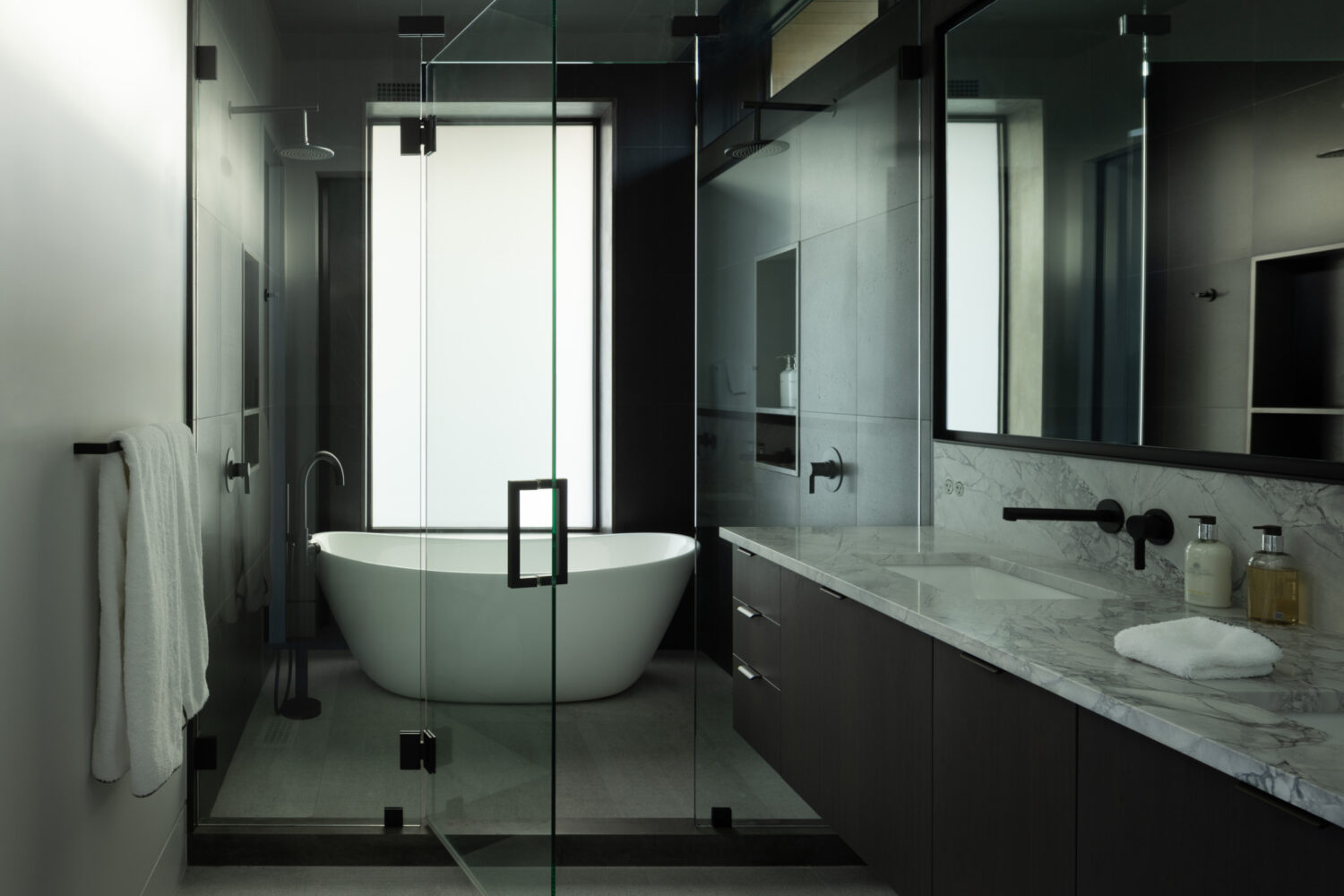
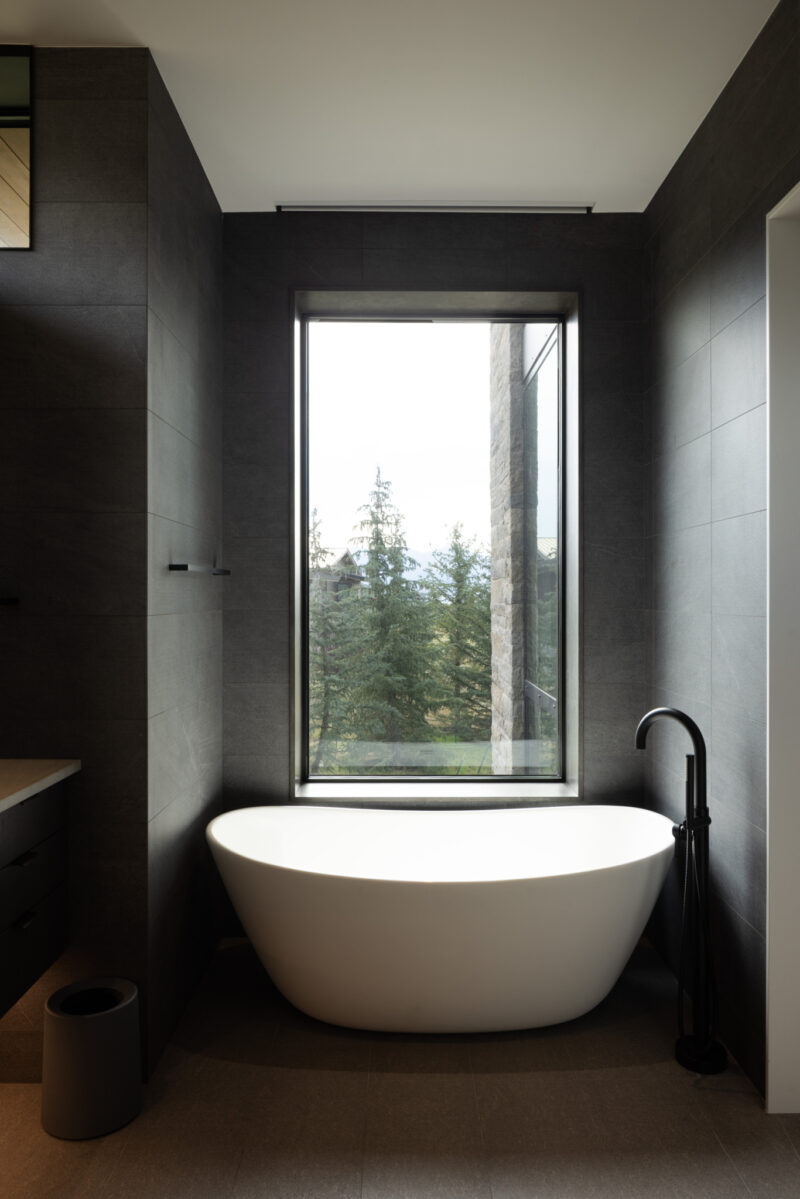
In the Heber, Utah, residence by Berg Design Studio, Hydro Systems’ Marquis bathtub demonstrates how traditional freestanding tubs can accommodate emerging wellness technologies, including cold plunging. Photography by Steve C. Wilson.
This trend signals a broader move toward wellness-centric living spaces. According to the company’s 2026 report, searches for "wellness room" had increased 164%, indicating that residents are becoming more deliberate about designing environments that promote relaxation and health.
Interior designers are facing new challenges as these priorities shift. Stephanie Larsen, an Arizona-based designer who integrates infrared saunas, aromatherapy, and cold plunges, notes that clients are prioritizing these wellness features more than before. "Today’s clients are craving homes that heal and inspire," she told Luxe Interiors + Design. "They want spaces infused with wellness technology."
Meeting these demands requires looking past single fixtures to understand how various wellness experiences interact. Contrast therapy, which alternates between hot and cold exposure, often pairs cold plunges with saunas. Installing both in a home demands careful planning regarding space, plumbing, and the spatial relationship between the two. Meanwhile, manufacturers are creating more flexible, integrated systems to meet these needs.
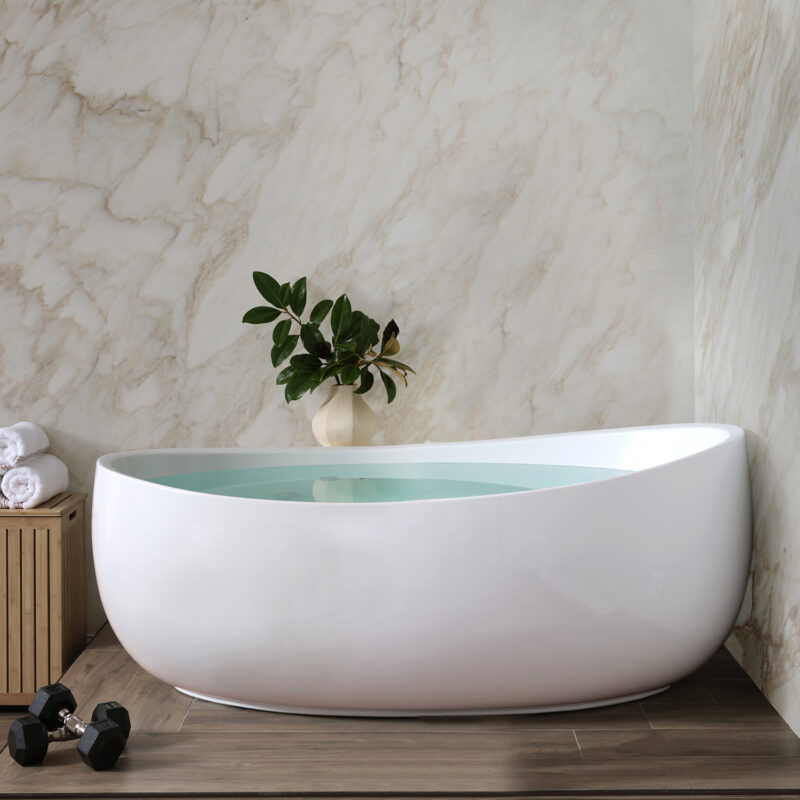
Hydro Systems integrates cold-plunge technology into freestanding bathtubs, bringing cold therapy into residential bathrooms without the need for separate equipment. Photography courtesy of Hydro Systems.
"We’re seeing wellness become a more intentional part of residential design, with dedicated spaces that bring together multiple hydrotherapy experiences in a single tub, from cold plunging and whirlpool to oxygenated microbubble therapy," says Ashley Steinhardt, VP of Sales at Hydro Systems.
The California-based manufacturer created Hydro Chill technology to embed cold plunging into customizable bathtubs, removing the need for extra fixtures. The newest version adds smart-home capabilities, enabling users to schedule plunges and adjust water temperatures remotely.
Hydro Systems is also investigating how different hydrotherapy experiences can occupy the same physical footprint. The Hydro Chill Ultra provides both hot and cold water via a self-contained unit that produces its own hot water. Since it bypasses the need for a traditional hot-water line, this technology allows for greater installation flexibility in pool houses or dedicated wellness rooms.
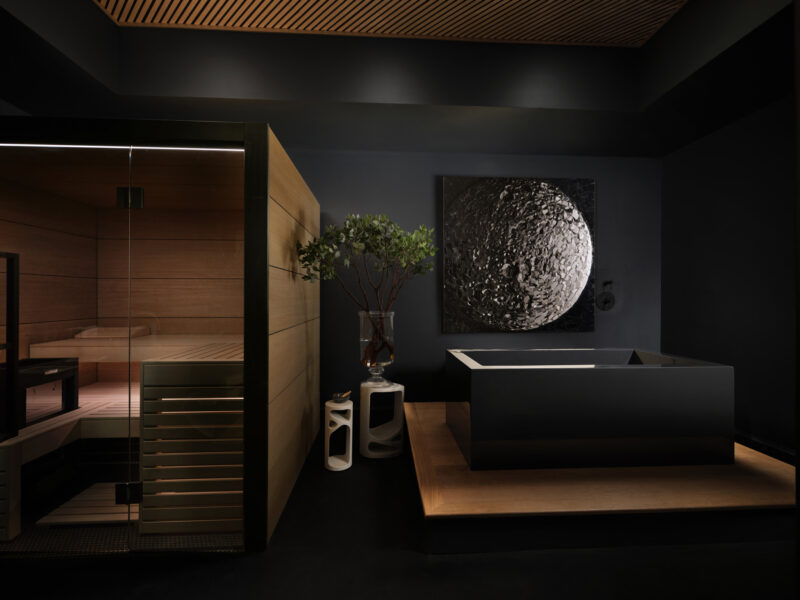
Featured in an Atlanta Homes Showhouse, Hydro Systems’ Slate bathtub features a custom color and polished finish, with integrated Hydro Chill cold-plunge technology. Paired with a wood-paneled sauna, the tub demonstrates how cold therapy can become part of a thoughtfully designed residential wellness space. Photography courtesy of Hydro Systems.
Large home spas can easily house separate saunas and plunge tubs, but fitting hydrotherapy into an existing bathroom requires a different strategy. Multifunctional fixtures reduce the square footage needed for these experiences, making them easier to fit into standard residential layouts.
"Wellness doesn’t have to be confined to a dedicated room," Steinhardt says. "Hydrotherapy can also be incorporated into smaller bathroom footprints, bringing wellness into everyday routines."
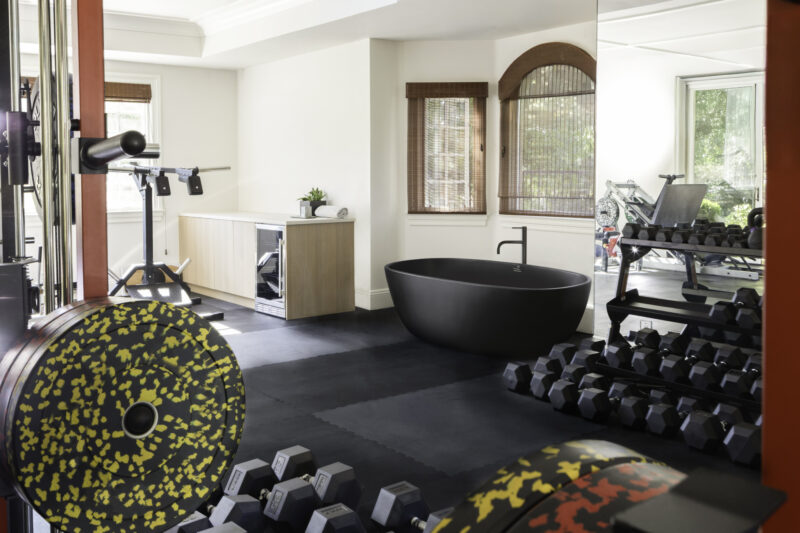
Hydro Systems’ Hydro Chill cold-plunge system is incorporated into a home gym alongside weight-training equipment, bringing cold-water immersion into a dedicated fitness and recovery space. Photography courtesy of Hydro Systems.
Although cold plunges remain a niche amenity, their rising profile is forcing designers to rethink bathroom capabilities. As wellness features enter homes, the main challenge lies in integrating them without sacrificing the comfort, functionality, or aesthetic appeal of the surrounding areas.
Editorial Transparency: This article was developed with the assistance of AI tools, which may have been used for research, outlining, editing, or copy refinement. Reporting, fact-checking, and editorial decisions were made by the Design Milk editorial team.











74% search growth isn’t proof of efficacy. What’s the actual clinical evidence for cold plunges improving sleep or stress? Don’t conflate marketing hype with health benefits. Show me the data, not just the design trends.
Great point. While search trends highlight design interest, clinical evidence for sleep and stress remains mixed. Studies show reduced inflammation, but direct links to improved sleep are less robust than marketing suggests. We are seeing designers prioritize the ritualistic aspect, acknowledging that the perceived benefit often drives the trend more than definitive physiological proof.