
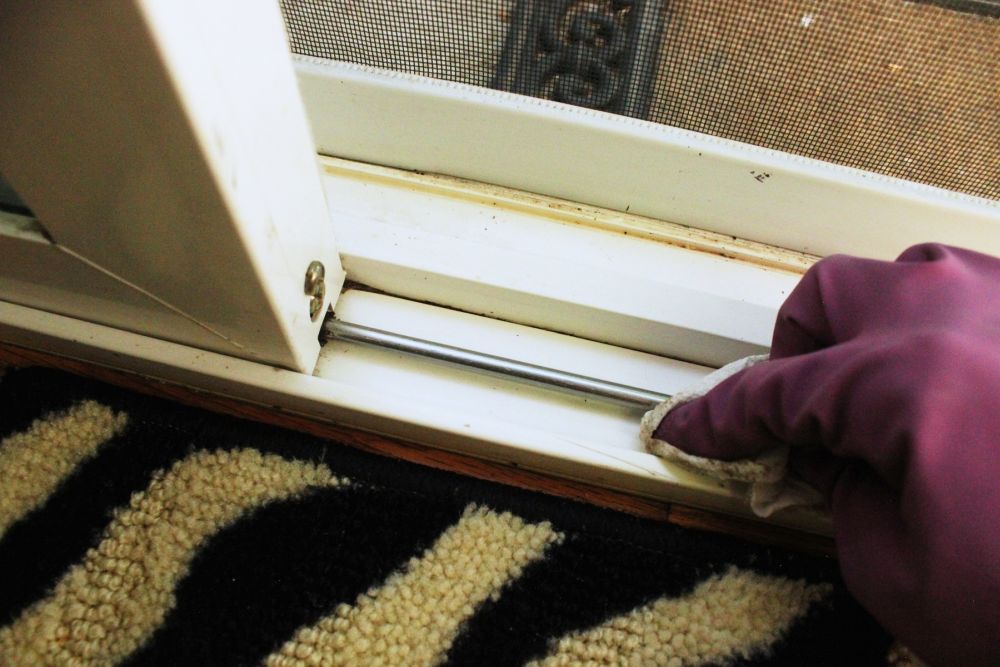
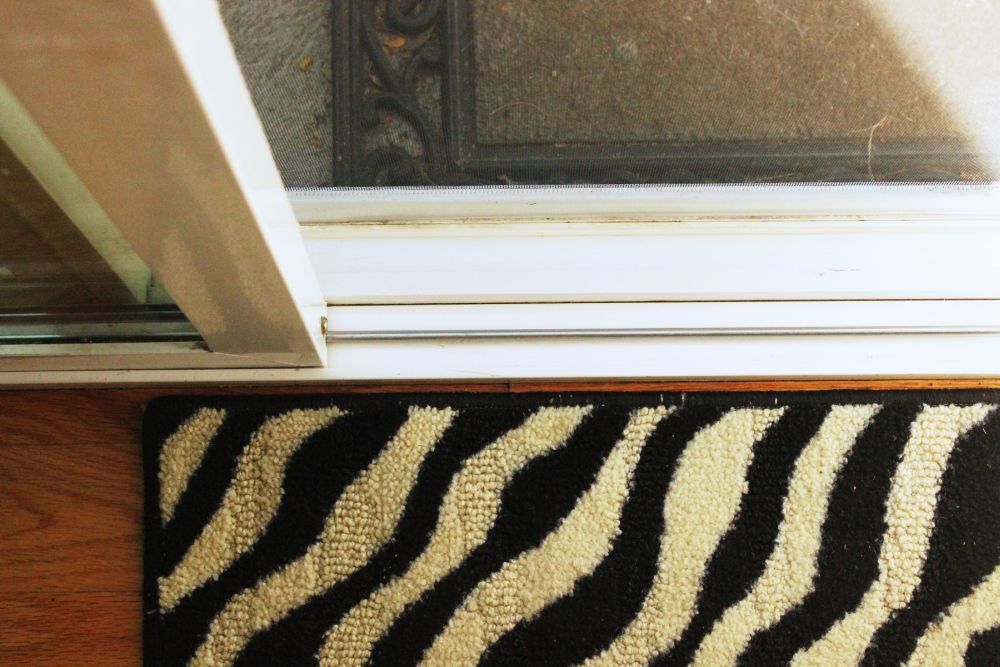
The quickest method for removing buildup often involves spraying cleaner directly into the track. However, this approach causes dust, grit, and leaves to mix with the liquid, creating a wet grime that pushes against the sliding rail and settles into tight corners. While a dry toothbrush can help avoid this issue, applying it at the wrong time leaves significant dirt behind.
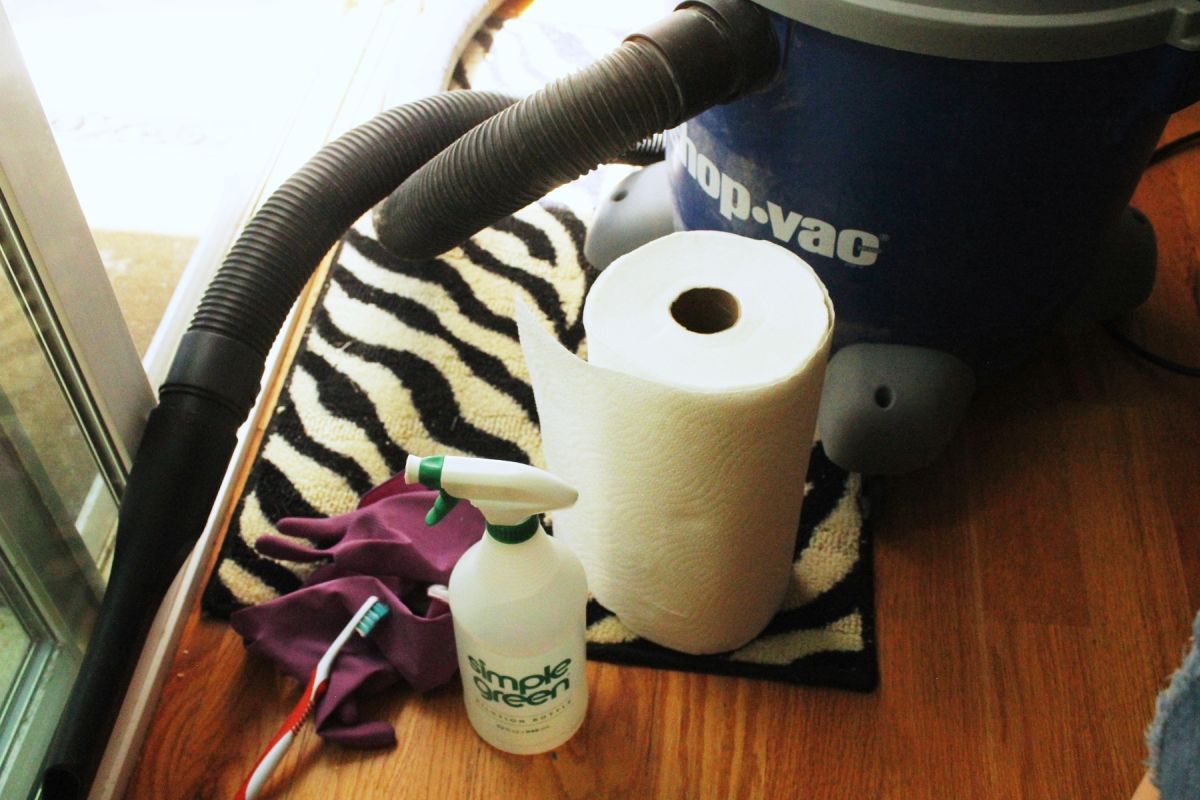
Brittney Smart from Homedit tested an alternative technique on a sliding glass door track filled with debris. By combining a vacuum, an old toothbrush, all-purpose cleaner, and paper towels, she demonstrated that the sequence of steps is more critical than the specific cleaning agents used.
Dirt Collects in the Narrow Grooves of Window Tracks
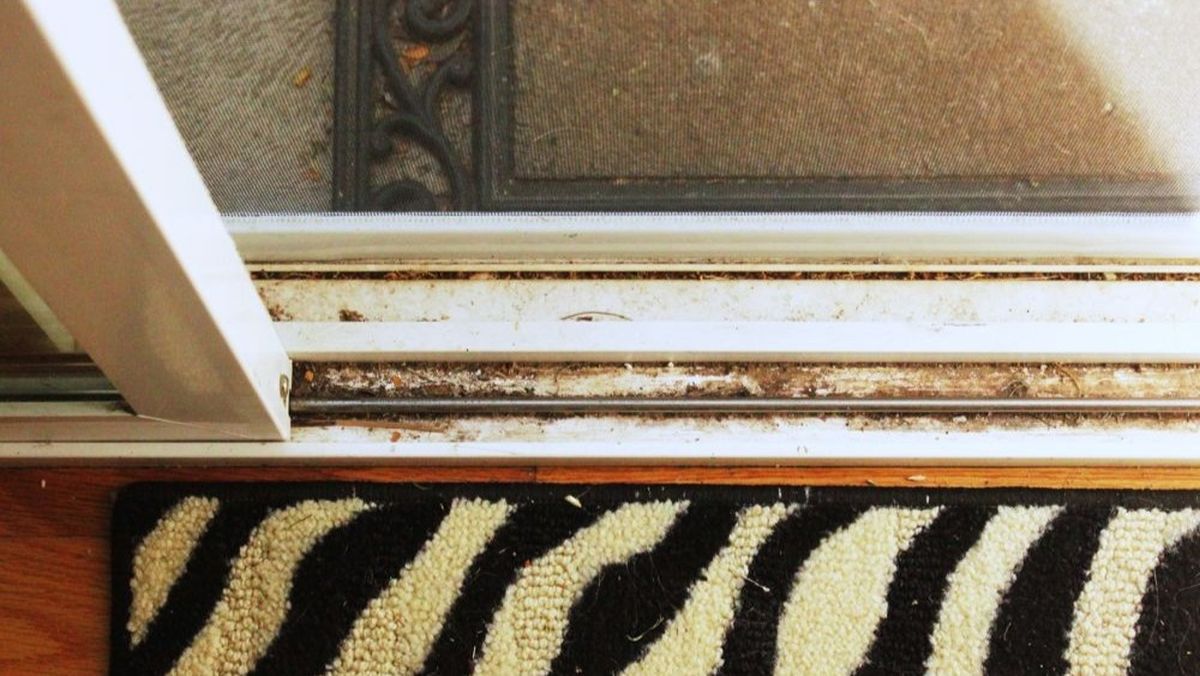
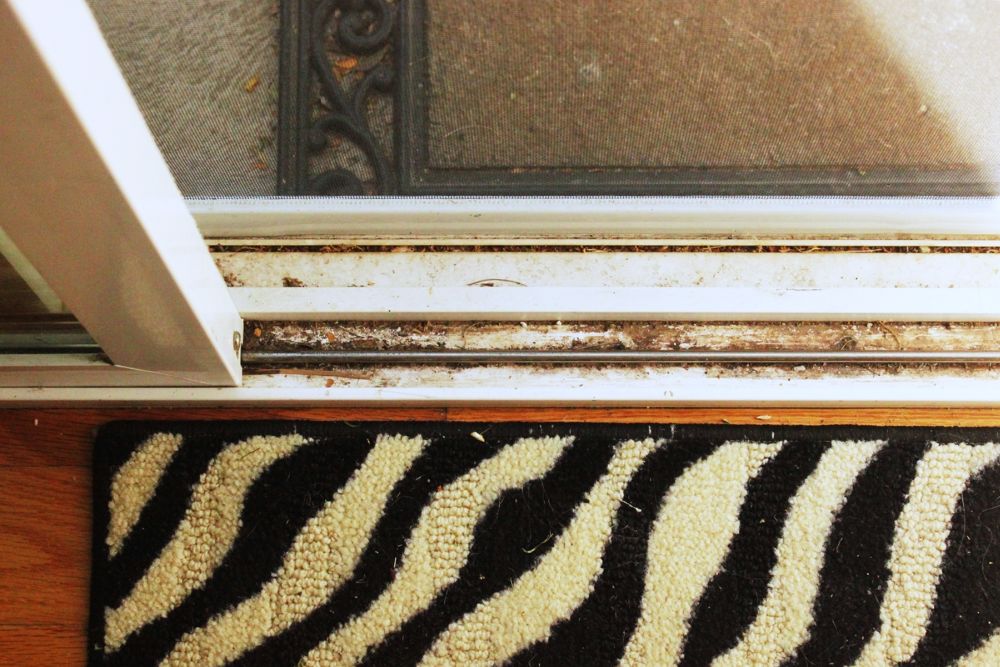
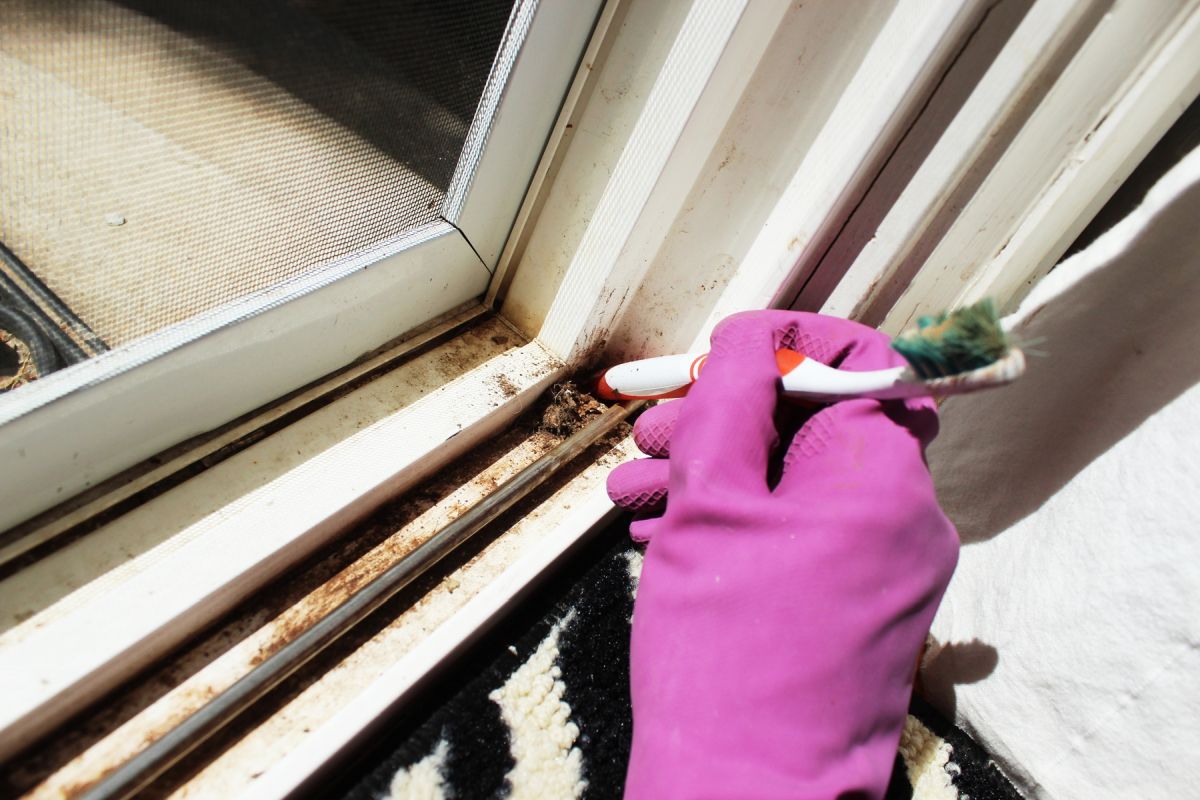
In the initial photo, dark residue lines the metal sliding rail, while loose dirt fills the white channels on both sides. Leaves, dust, and other outdoor debris have accumulated around the frame, particularly in the corners where the door intersects with the track.
Cleaning these tight spaces is challenging because a standard cloth cannot slide under the rail edges. Additionally, spraying cleaner directly onto the buildup can transform loose particles into a sticky paste that is harder to remove.
Remove Loose Debris With a Vacuum First
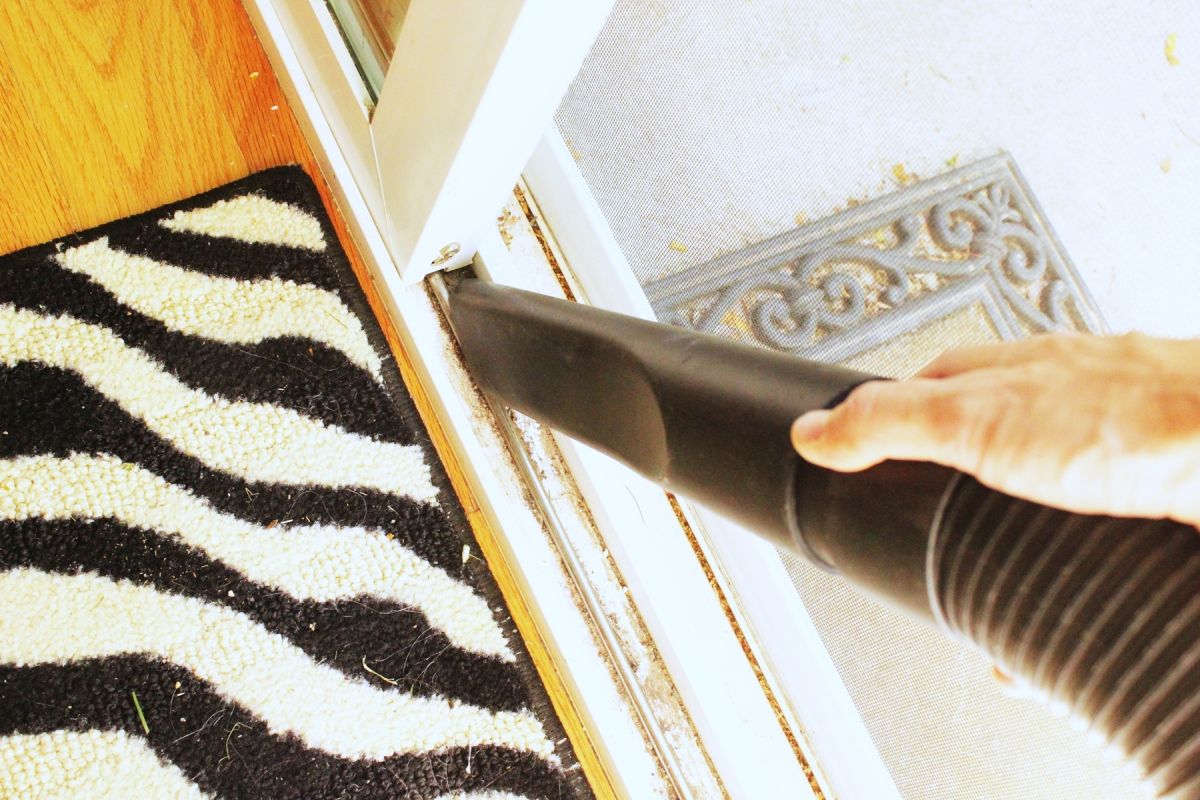
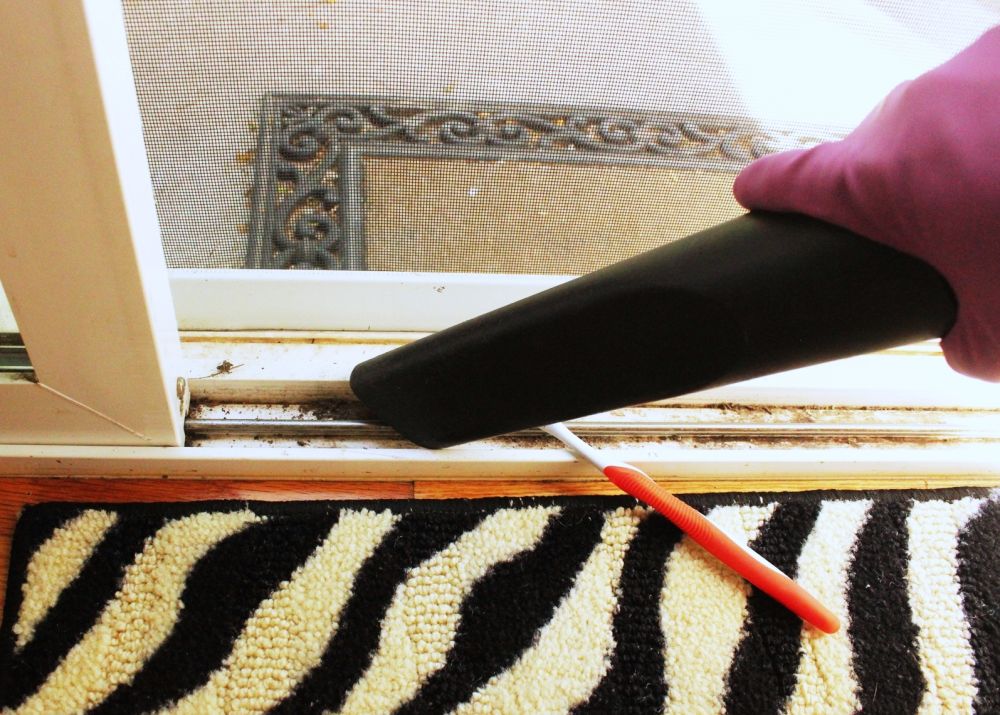
Begin by attaching a narrow nozzle to your vacuum and running it along the track’s length, reaching into the spaces next to the door frame. This step extracts loose dirt before it can combine with water or cleaning solutions.
Although the original method relies on a shop vacuum, a standard household vacuum equipped with a crevice tool works just as well. Position the nozzle close to the metal rail and clean both channels, leaving the dirt adhered to the edges for the next phase.
A Dry Toothbrush Reaches Dirt the Vacuum Leaves Behind
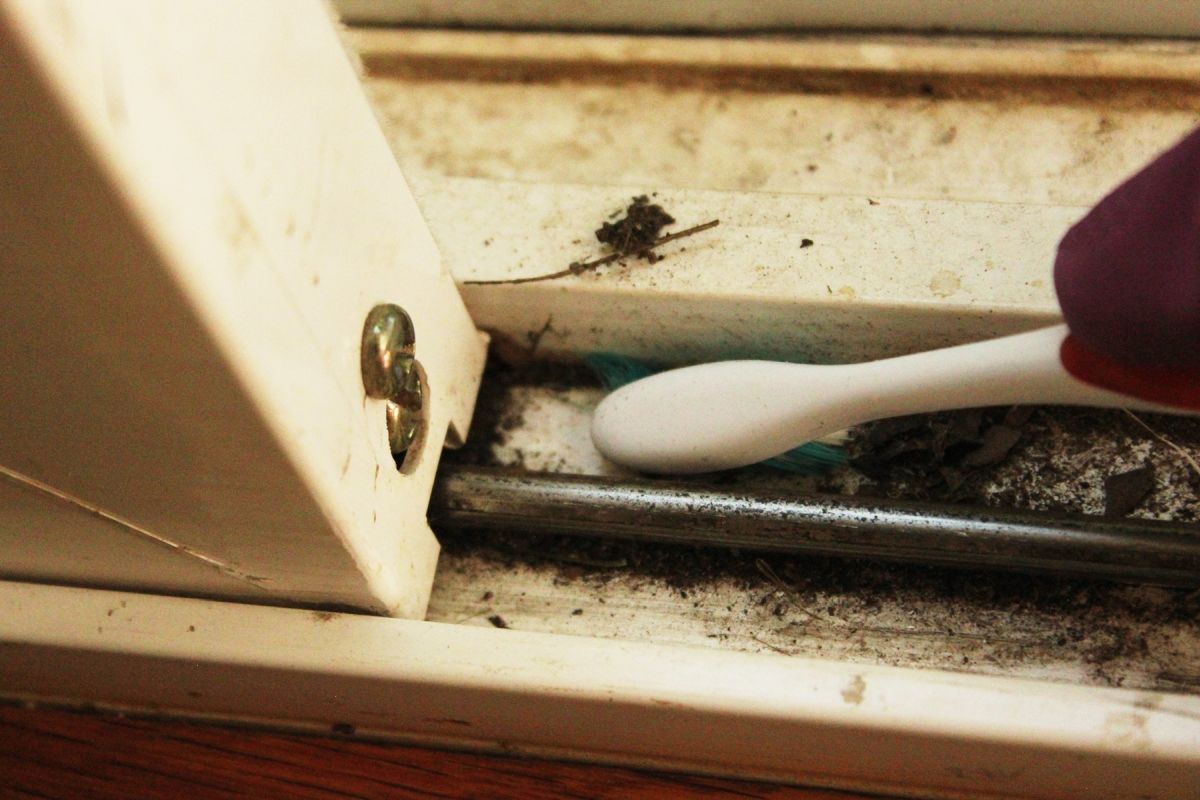
Once the loose debris is cleared, use a dry toothbrush to scrub the dirt stuck against the rail and tucked into the corners. The fine bristles access tight spots that larger brushes or cloths miss, such as the narrow gap next to the vertical door frame.
A close-up view reveals the toothbrush dislodging dark clumps of dirt and small debris from a corner. Use short strokes along the track, and switch to the brush tip when the channel becomes too narrow for the full head.
It is crucial to keep the brush dry at this stage so the loosened material can be vacuumed up rather than smeared across the track.
Vacuum the Loosened Dirt Before Spraying Cleaner
After scrubbing the corners and grooves, use the vacuum again to pick up the material now sitting on the surface. The accompanying photo shows the nozzle placed next to the metal rail, targeting dirt loosened by the toothbrush from the surrounding channel.
This second vacuuming pass readies the track for washing by removing larger particles that might otherwise get trapped in the cleaner.
Use a Small Amount of Cleaner for the Remaining Residue
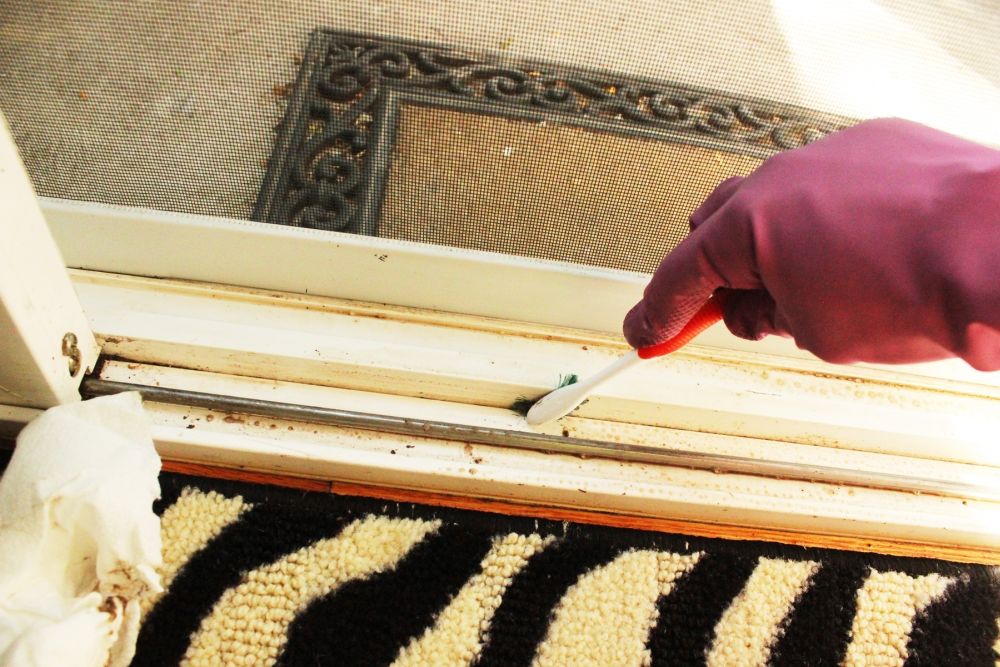
With the bulk of the debris gone, apply a modest amount of all-purpose cleaner to the track and scrub with a rinsed toothbrush. The tutorial suggests using roughly one spray, which is sufficient to tackle remaining grime without flooding the channel with liquid.
Target the edges beside the rail and the corners around the door frame, where dark marks may persist after vacuuming. The brush lifts surface residue, while the cleaner tackles dirt that dry brushing could not dislodge.
Fold a Paper Towel to Reach the Narrow Channels
Complete the process by wiping the track with a paper towel. Fold one corner into a narrow point to slide into the grooves, then move the folded edge along the rail to gather loosened dirt and excess cleaner, switching to a fresh section of the towel as needed.
The towel also absorbs moisture trapped inside the channel, which is especially important in corners where water tends to pool. Continue wiping until the surface no longer transfers dirt to the paper.
The Finished Track Shows the Difference
The final image displays the white track with heavy buildup removed, revealing the metal rail and channels that were previously obscured by dirt. While some faint discoloration lingers along the edges, the loose debris and dark clumps have been eliminated.
The key to this method is not a special product but the strategy of removing dirt before it gets wet. By using a vacuum and a dry toothbrush to access narrow spaces, then applying cleaner only to the remaining residue, you achieve a thorough clean.
The post She Cleaned Her Window Tracks While the Dirt Was Still Dry to Avoid Turning It Into Mud appeared first on Homedit.
























































So we vacuum first to avoid the sticky paste. Genius. Because nothing says efficiency like carefully sucking up dirt before it turns into mud. My window tracks are now pristine, thanks to my profound understanding of sequence.
Glad you found the sequence helpful! Vacuuming first definitely prevents that sticky paste buildup. It’s a small step that makes a huge difference in keeping window tracks pristine. Thanks for sharing your experience!