
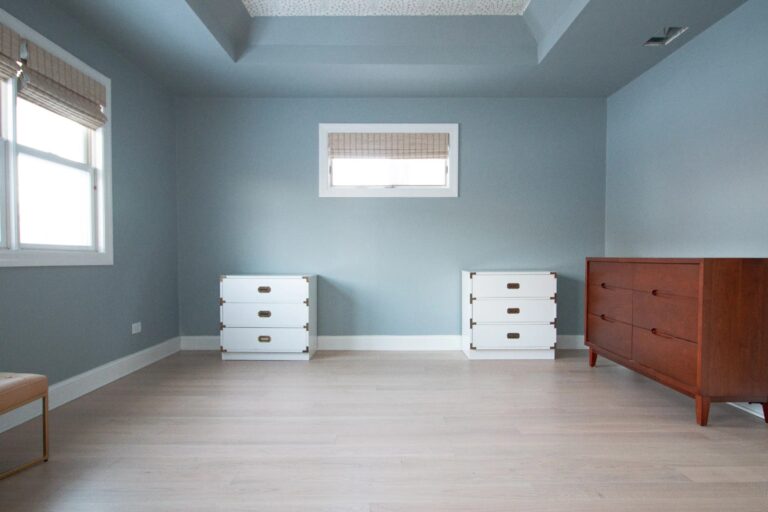
The property listing mentioned energy-efficient windows, or perhaps the former owner claimed so. Regardless, the bedroom remains cold near the glass, there is no label on the frame, and the documentation has been lost. You lack concrete information about the windows installed in those openings.
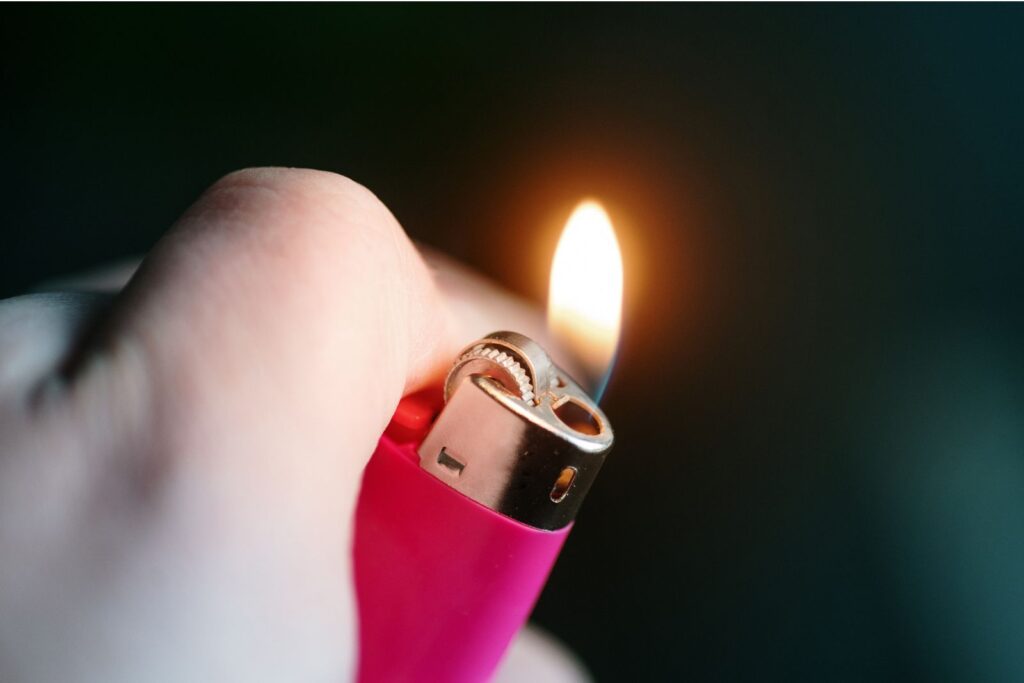
You do not need to dismantle the window to determine its type. The glass reveals its structure using a small flame and approximately one minute. Because each pane reflects light, holding a flame near the window produces a series of small reflections that can be counted.
What the reflections indicate
An energy software help center explains the method clearly. Single glazing produces only one reflection of the flame. Double glazing creates two pairs of reflections, resulting in four flames of the same color. Triple glazing produces three pairs, showing six flames.
Next, observe the color. If the second reflection, counted from the interior, displays a slight violet tint, the glass likely features a low-E coating. This tint is significant because low-E glass has an extremely thin coating that retains heat indoors during cold weather and reflects sunlight, helping to maintain a stable room temperature.
Energy consumption also varies. In a Department of Energy lab test, adding low-E storm panels over double-pane clear glass windows reduced the homes' annual heating and cooling energy usage by about 10%.
How to perform the lighter test tonight
Dim the room. Turn off the lamps nearest to the window so the small reflections are visible against the glass.
Bring the flame close without touching it. Hold a lighter or a lit tealight near the pane and look into the glass rather than at the flame.
Count the flames. One flame indicates single glazing, four indicate double glazing, and six indicate triple glazing.
Check the second reflection. Counting from the inside, determine if it appears slightly violet compared to the other reflections.
Repeat under different lighting. Colors can shift with lighting conditions, so try the test again in daylight or with another lamp on before making a final decision.
Plan B, if you prefer not to hold a flame near the glass: start with the manufacturer’s information. The help center describing this test recommends checking product data first when available, using the flame count as a quick visual check.
When the flame count may be misleading
This is a visual check, not a laboratory measurement. Reflection colors can change with the room's lighting, so a violet tint seen at night may appear different in the morning.
Older windows can also be misleading. Some have been retrofitted with thermal coatings after installation, which can alter the color of the reflections without the window being new.
Treat the flame with care. Keep it away from curtains, blinds, and other flammable materials, place a tealight on a stable surface, and never leave it lit unattended.
Count the flames and check the color to know what you are actually living with. That is the trick.
The post Few people know a lighter flame can tell you if your windows are really double-pane appeared first on Homedit.















You claim four flames mean double glazing, but where is the proof? Why wouldn’t the glass type and coating details be labeled on the frame? I need concrete evidence, not just a light test.
Great question! While labels exist, they’re often hidden or faded. The flame test reveals the actual physical structure: four distinct reflections confirm an air gap between two panes, proving double glazing. It’s a quick, visual confirmation of the window’s construction, complementing—rather than replacing—detailed specs.