
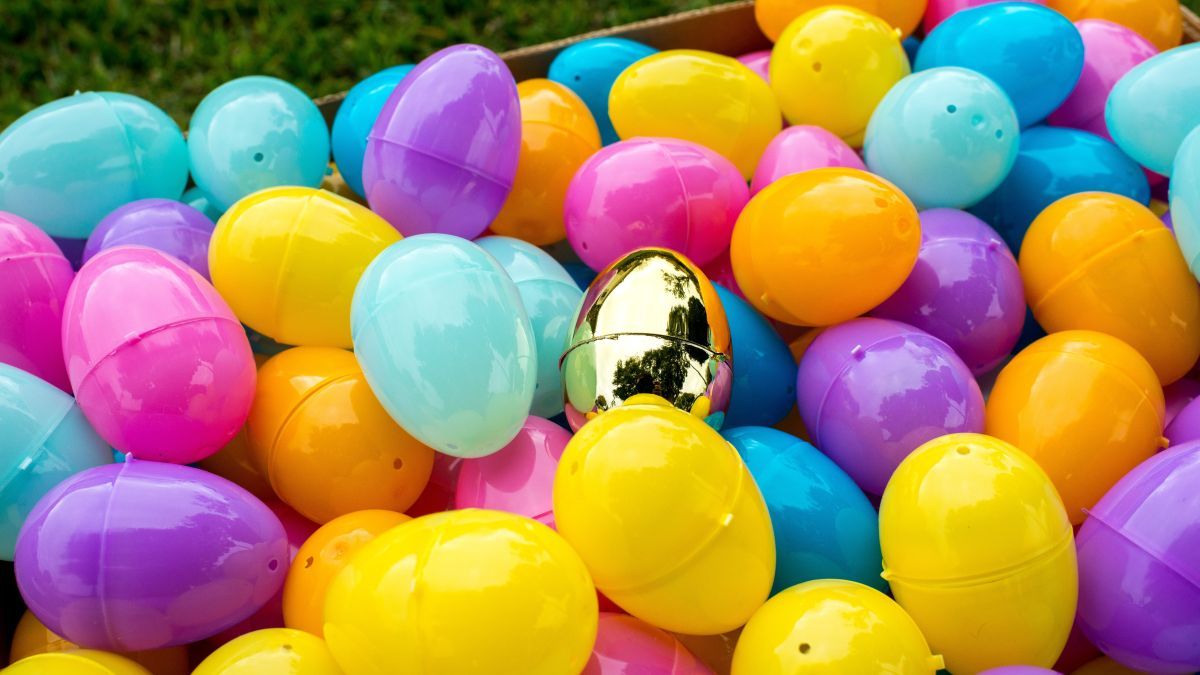
When you open the holiday storage container, you will find plastic Easter eggs in shades of pink, orange, blue, and green. Some are missing their matching halves, while others still contain candy. They may not seem like suitable items for a Thanksgiving table, but their rounded form is the primary reason to save them.
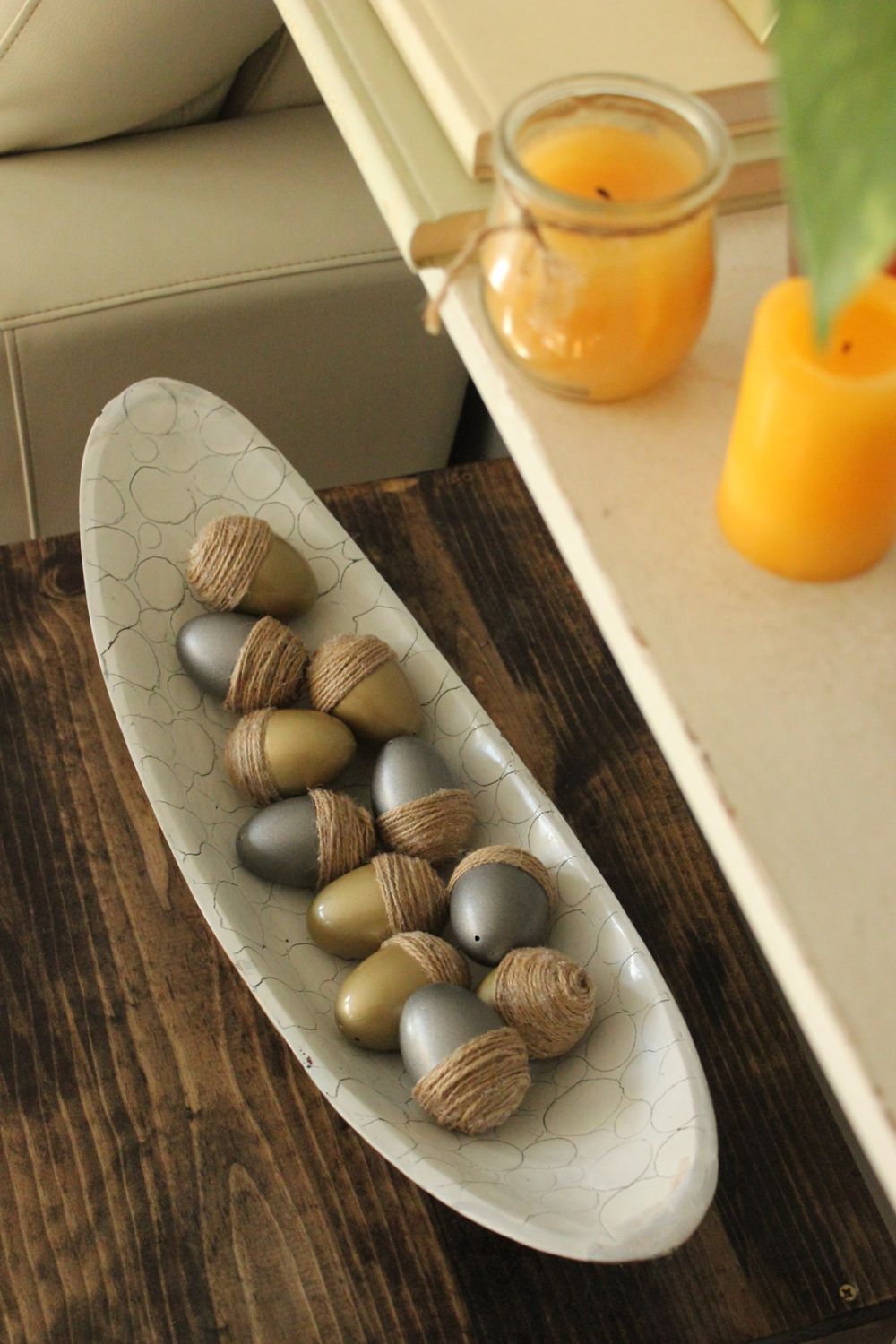
Homedit contributor Brittney Smart transformed these leftover shells into decorations that look like acorns gathered from under an oak tree. Rather than purchasing new autumn decor, she repurposed the eggs using metallic spray paint, jute twine, and hot glue.
Start With Leftover Plastic Easter Eggs
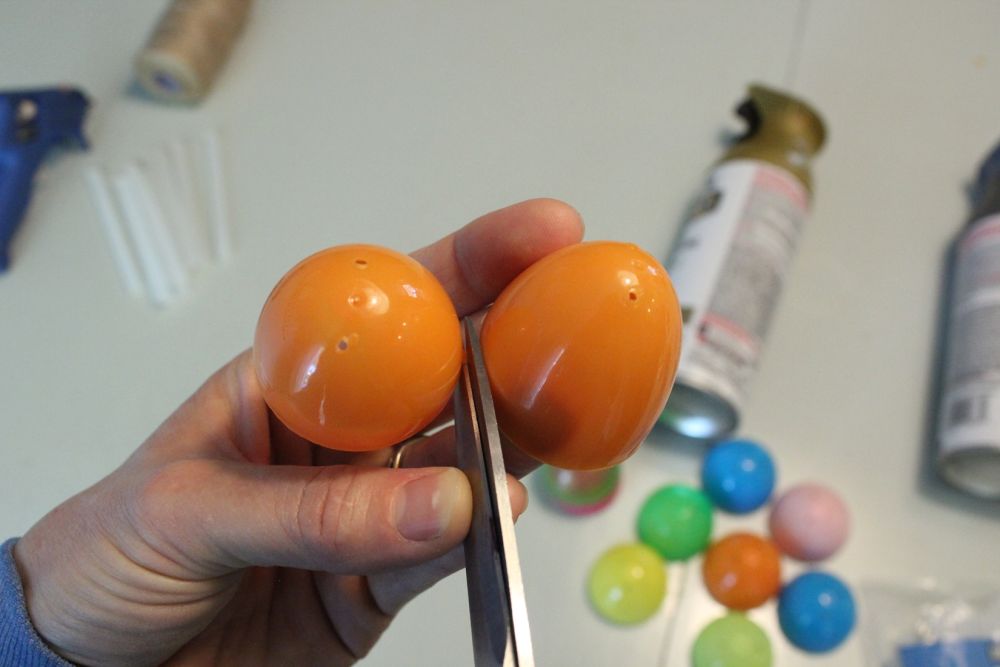
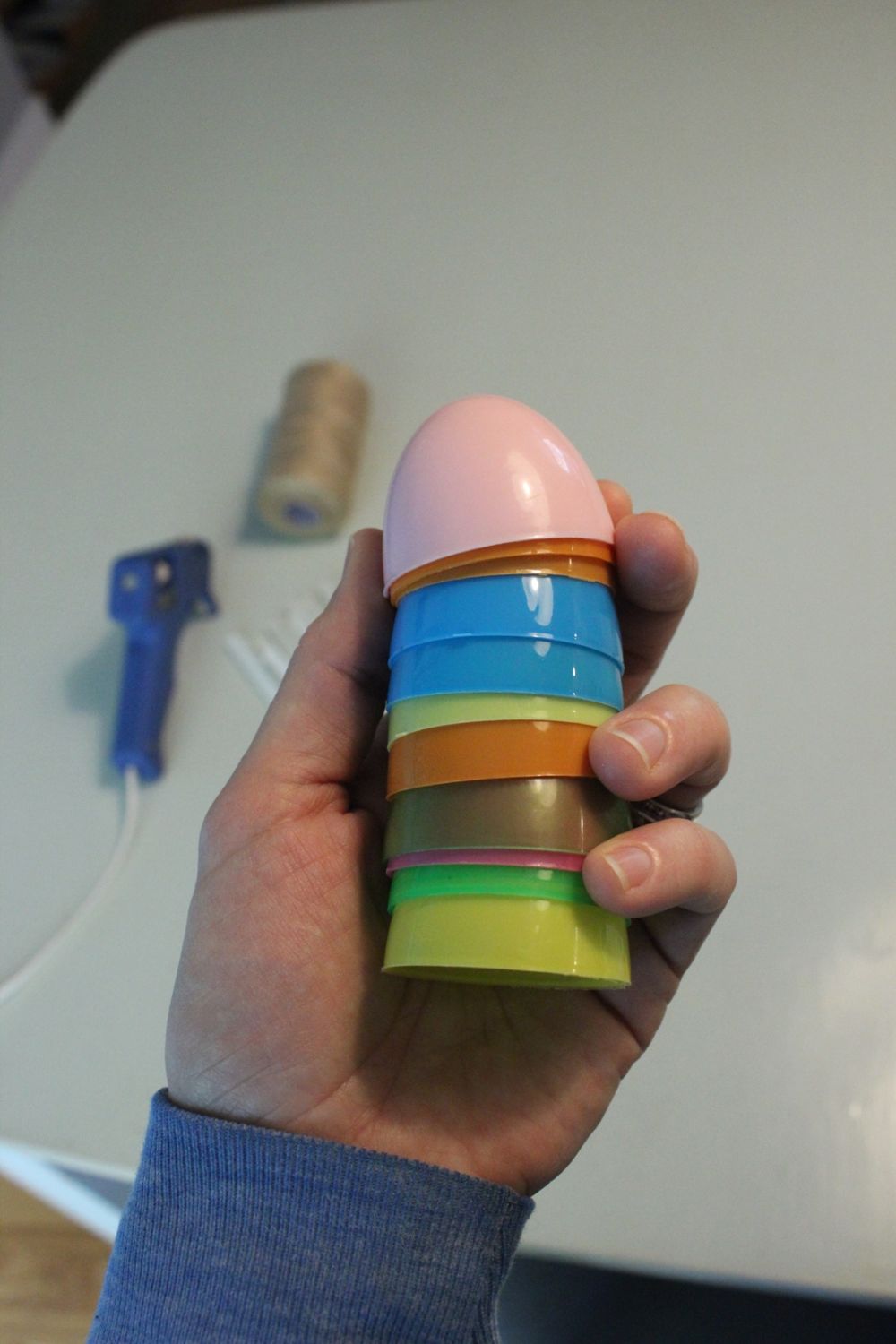
Divide each egg into two halves and remove any plastic tabs that connect them. Reserve the rounded tops for painting and set the other halves aside to serve as the base for the twine caps.
Pair the halves by size before beginning the project. The two pieces must fit together properly once the paint and twine have been applied.
Spray Paint the Acorn Bodies Gold and Silver
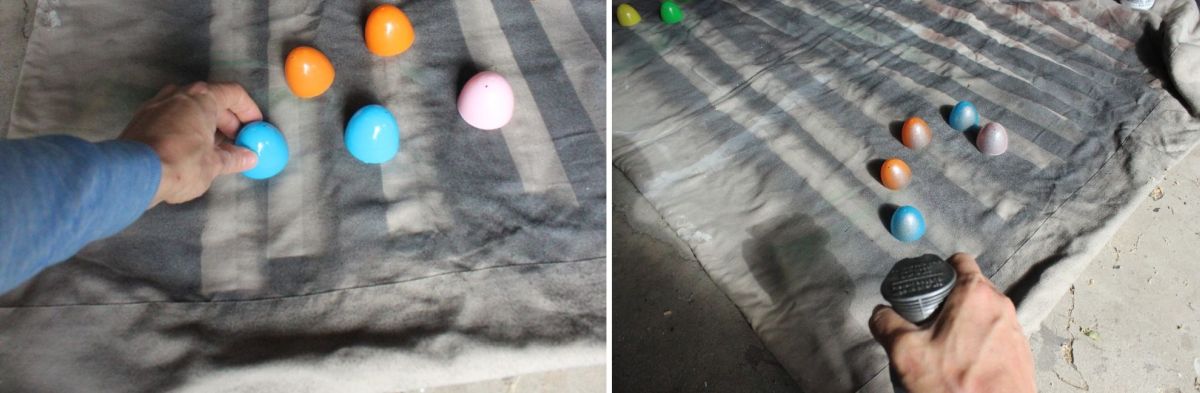
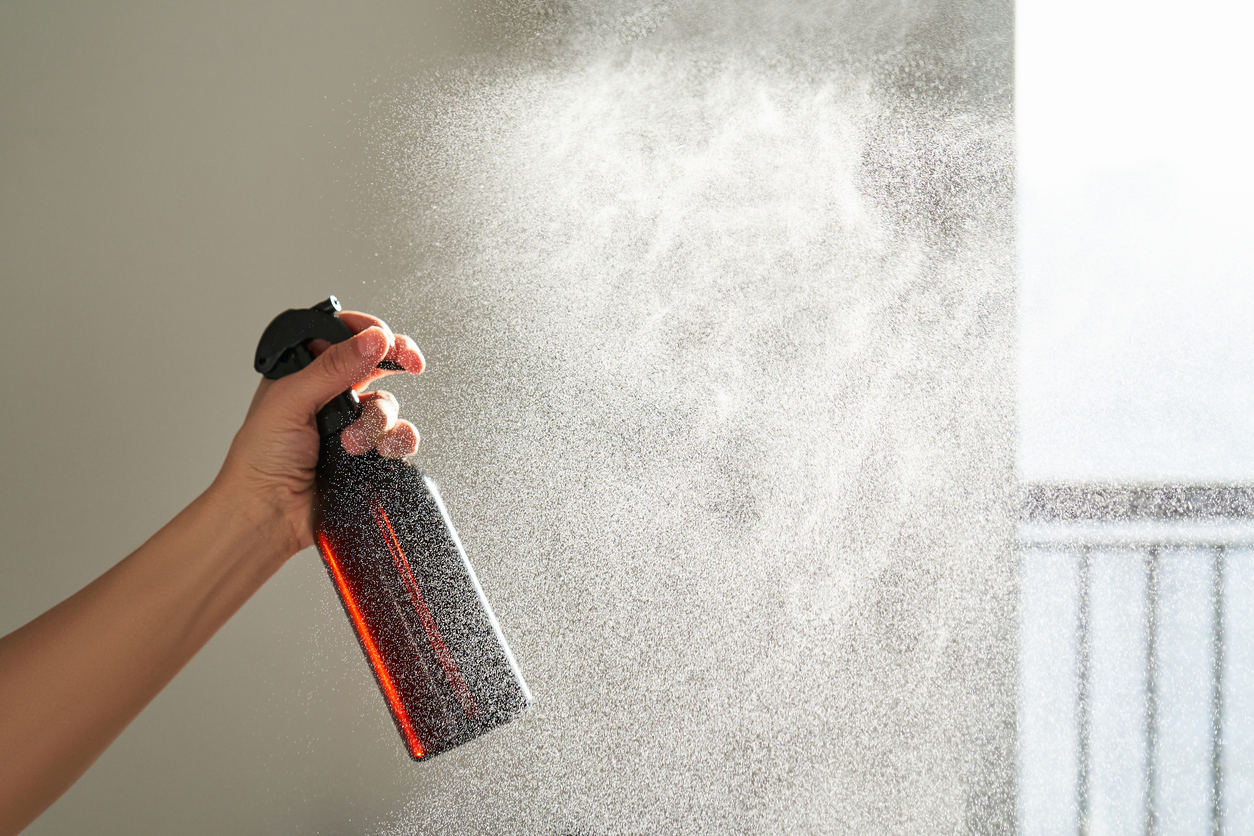
Lay the smooth halves on a protected surface outside. Apply metallic spray paint in thin layers, rotating the pieces to ensure the curved sides are fully covered.
Brittney applied gold and silver paint, using two or three coats to hide the original colors of the plastic. Allow the pieces to dry completely before assembling the acorns.
Make the Acorn Caps With Jute Twine
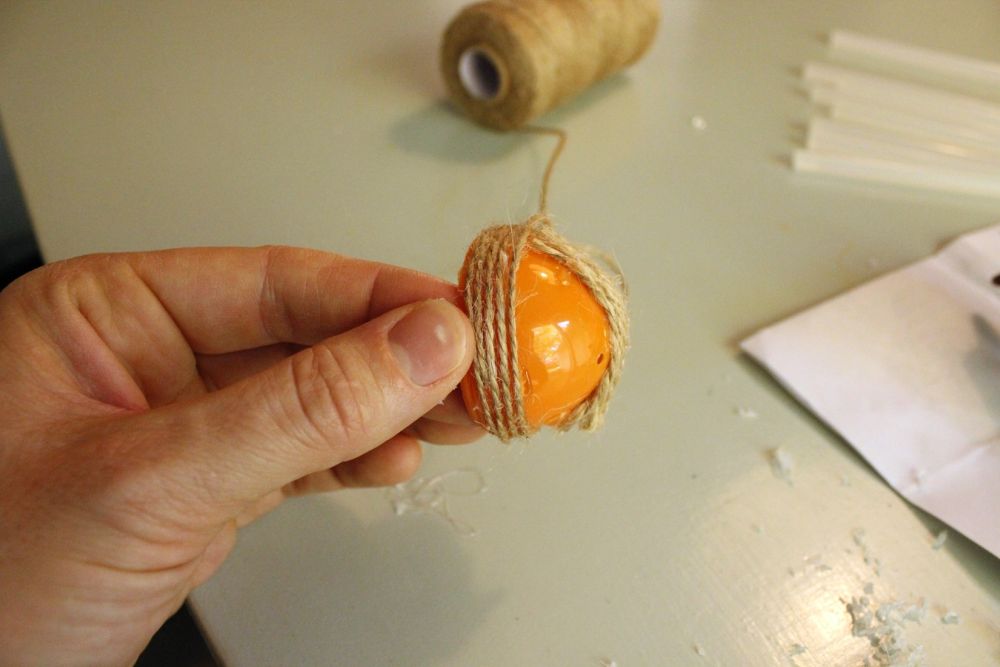
Cut five to eight short pieces of jute twine and glue them over the rounded tip of an unpainted egg half. This step covers the plastic surface beneath the center of the cap.
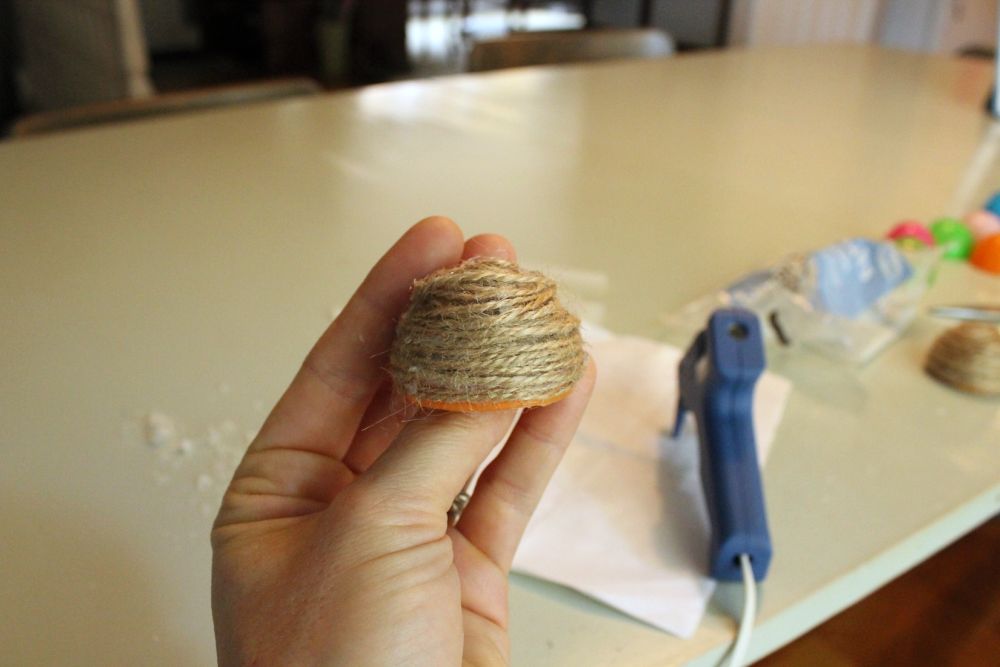
Apply hot glue in small sections and wrap the twine around the shell, ensuring the rows are placed closely together.
Continue wrapping the twine toward the open edge, and trim any excess once the cap is fully covered.
Keep the inner rim free of glue so that the two egg halves can be joined together.
Alternatively, you can thread the twine through the small hole present in some plastic eggs, secure it on the inside, and then wrap outward.
Join the Two Halves
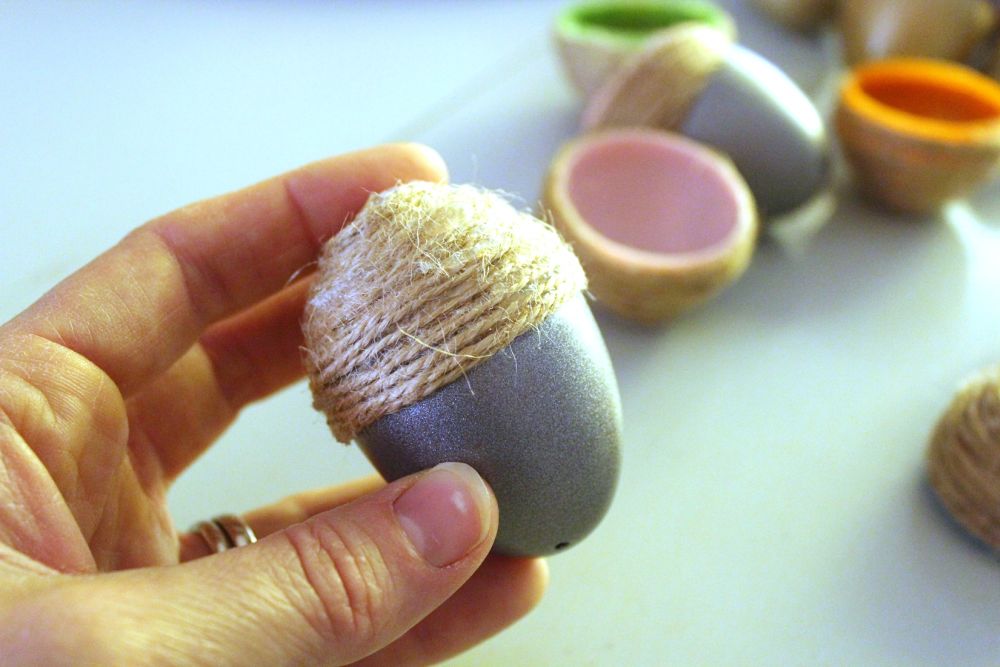
Once both the body and the cap have dried, press the painted body into the twine-covered cap.
You can glue the pieces together permanently or leave them detachable. Leaving them open allows you to fill the acorns with small treats, such as candy corn.
Display the Acorns for Thanksgiving
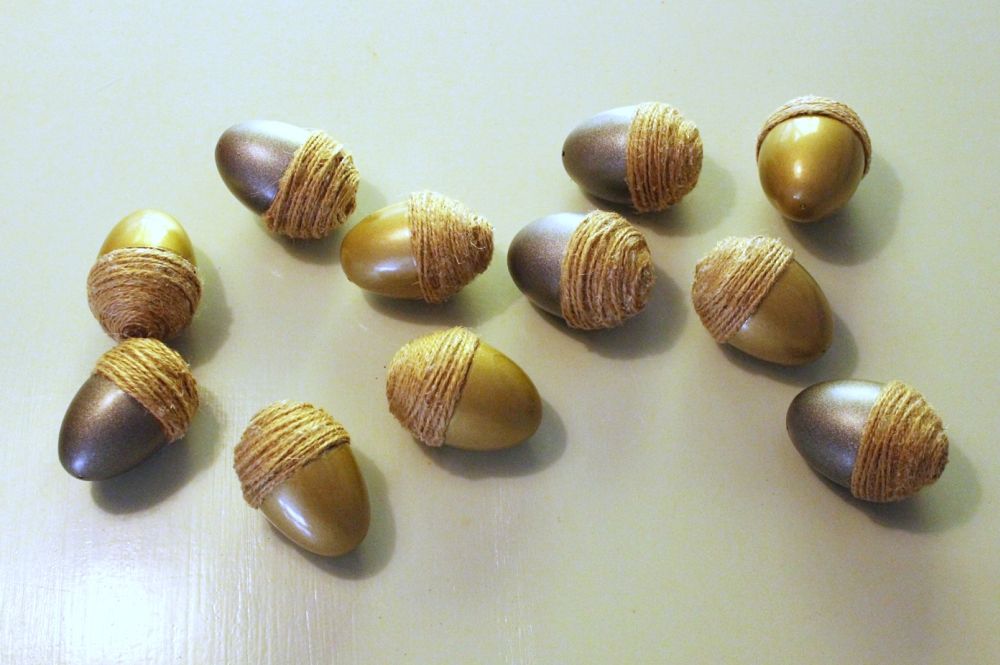
The metallic paint provides a gold or silver finish to the plastic shells, while the jute mimics the rough texture of real acorn caps.
Arrange several acorns in a shallow bowl or scatter them around a Thanksgiving centerpiece. They can also be used as holders for treats at individual place settings.
The post Don’t Throw Away Plastic Easter Eggs: With Twine and Spray Paint, They Become Thanksgiving Acorns appeared first on Homedit.


















































Ah, plastic acorns. Because nothing says “authentic autumn” like a synthetic nut that will outlive my grandchildren. I suppose we’re trading nature for landfill durability. Classic.
You make a fair point! I chose durability for reuse, not just aesthetics. The goal is to keep these in rotation for years, reducing overall waste rather than buying new decor. It’s a small step toward a more sustainable holiday, even if they do outlive us all.