
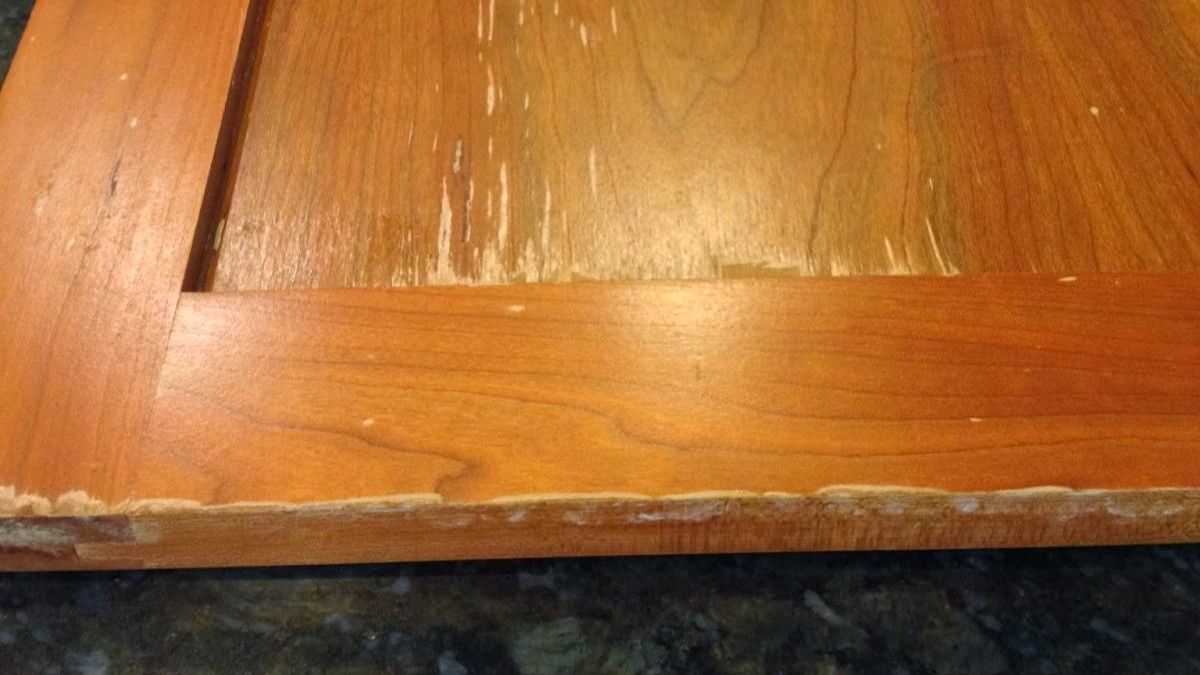
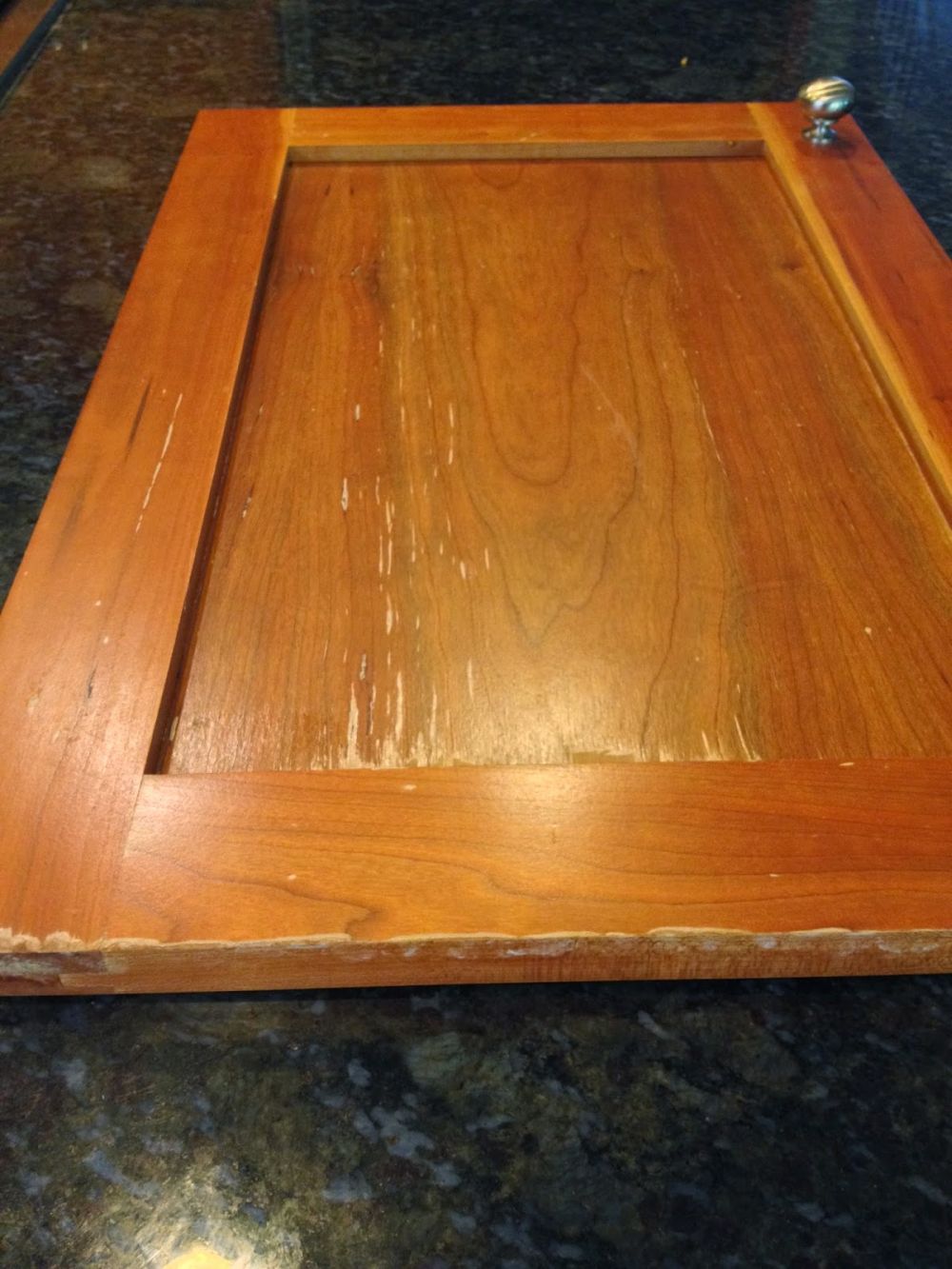
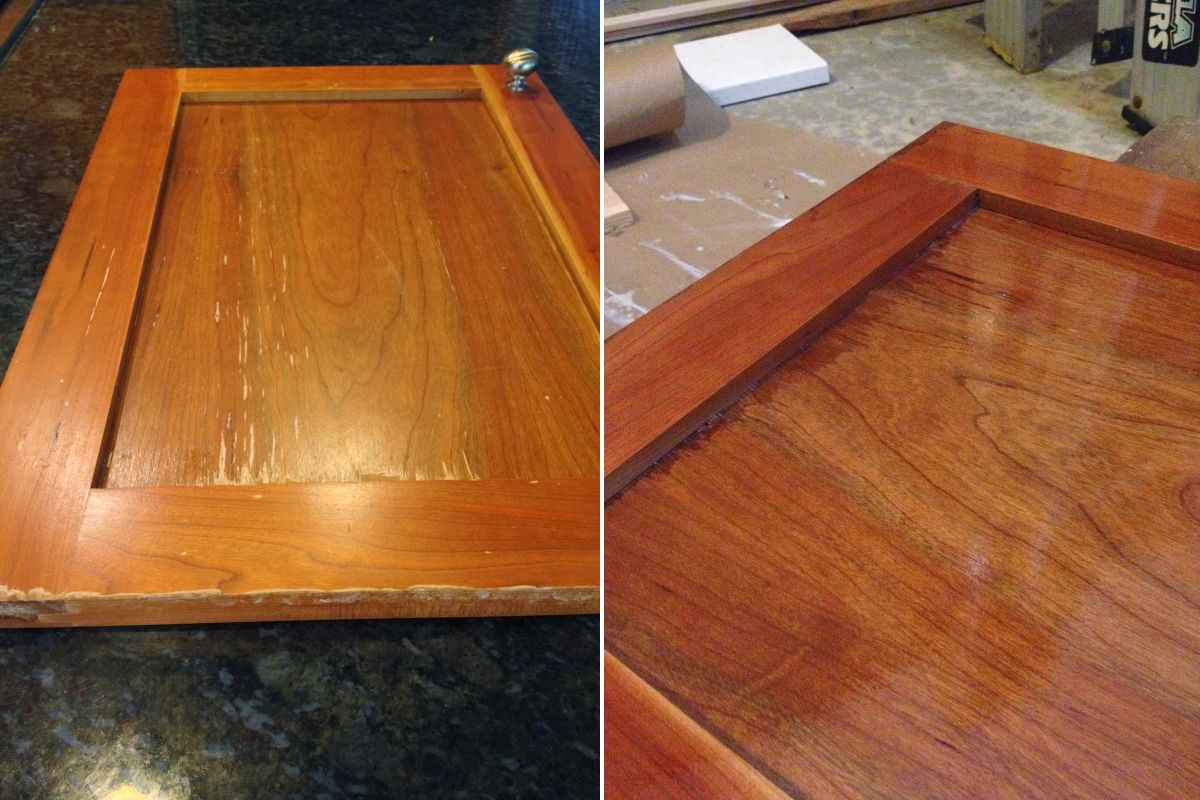
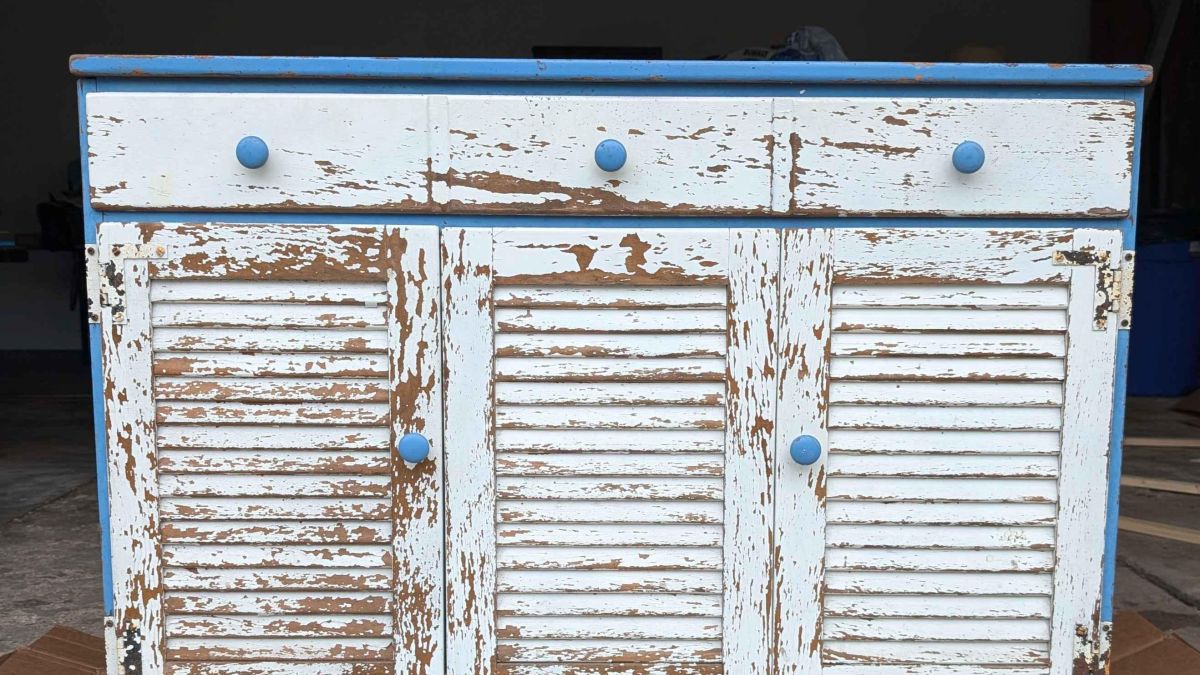
A wooden cabinet door near the sink featured white scratches across its recessed panel and a buckled bottom edge. While sanding and refinishing the whole door was possible, matching the existing cabinet color added complexity.
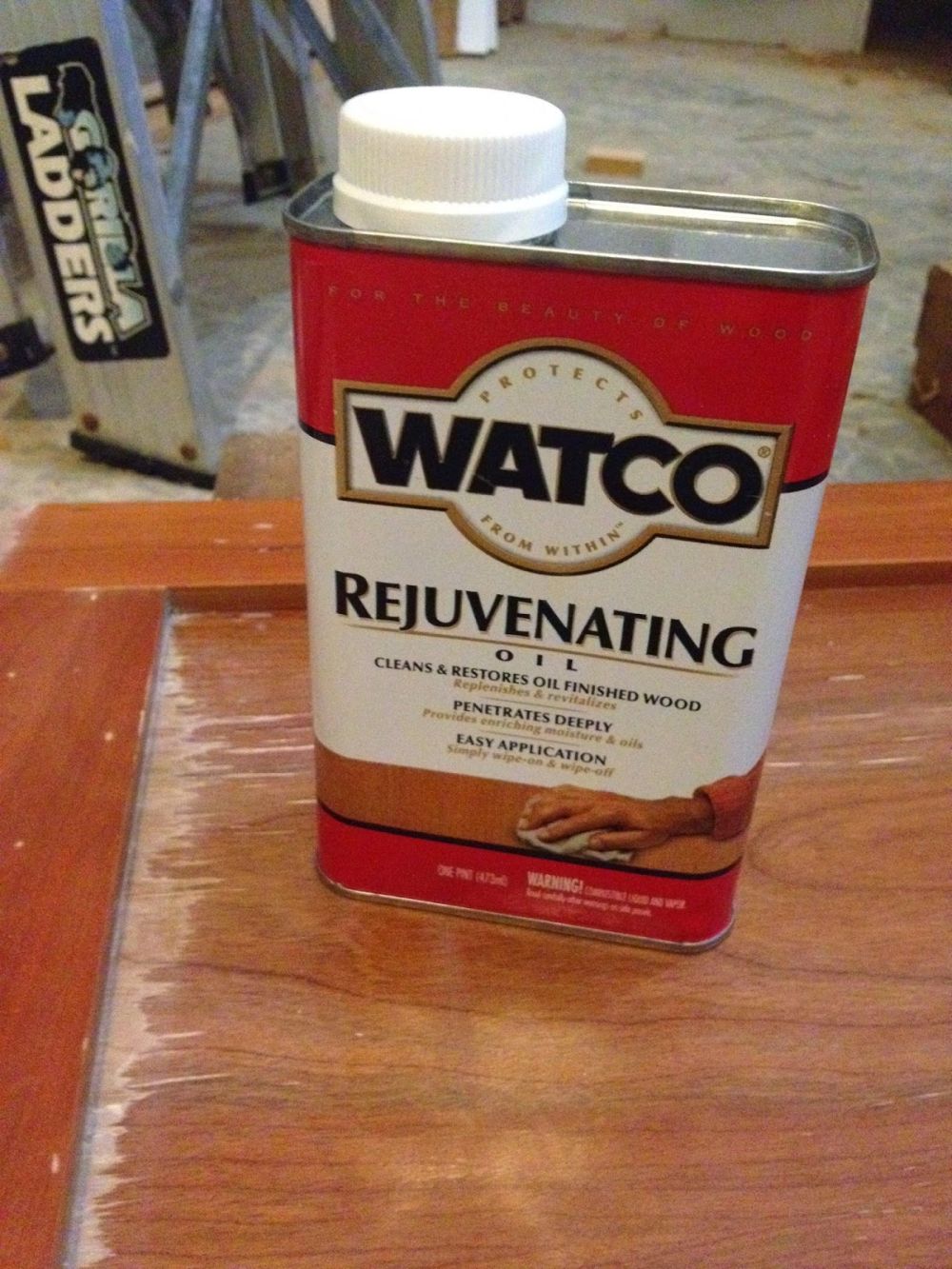
Cynthia, who runs Her Lovely Nest, planned to replace the door until she found a restoration method on Pinterest. She opted to test a $6 can of Watco Rejuvenating Oil instead of beginning a major repair.
This treatment reduced the visibility of pale marks without removing the original finish. Impressed by the outcome, she applied the oil to a nearby drawer that also showed similar scratches.
Water Damage Had Worn Down the Cabinet Door
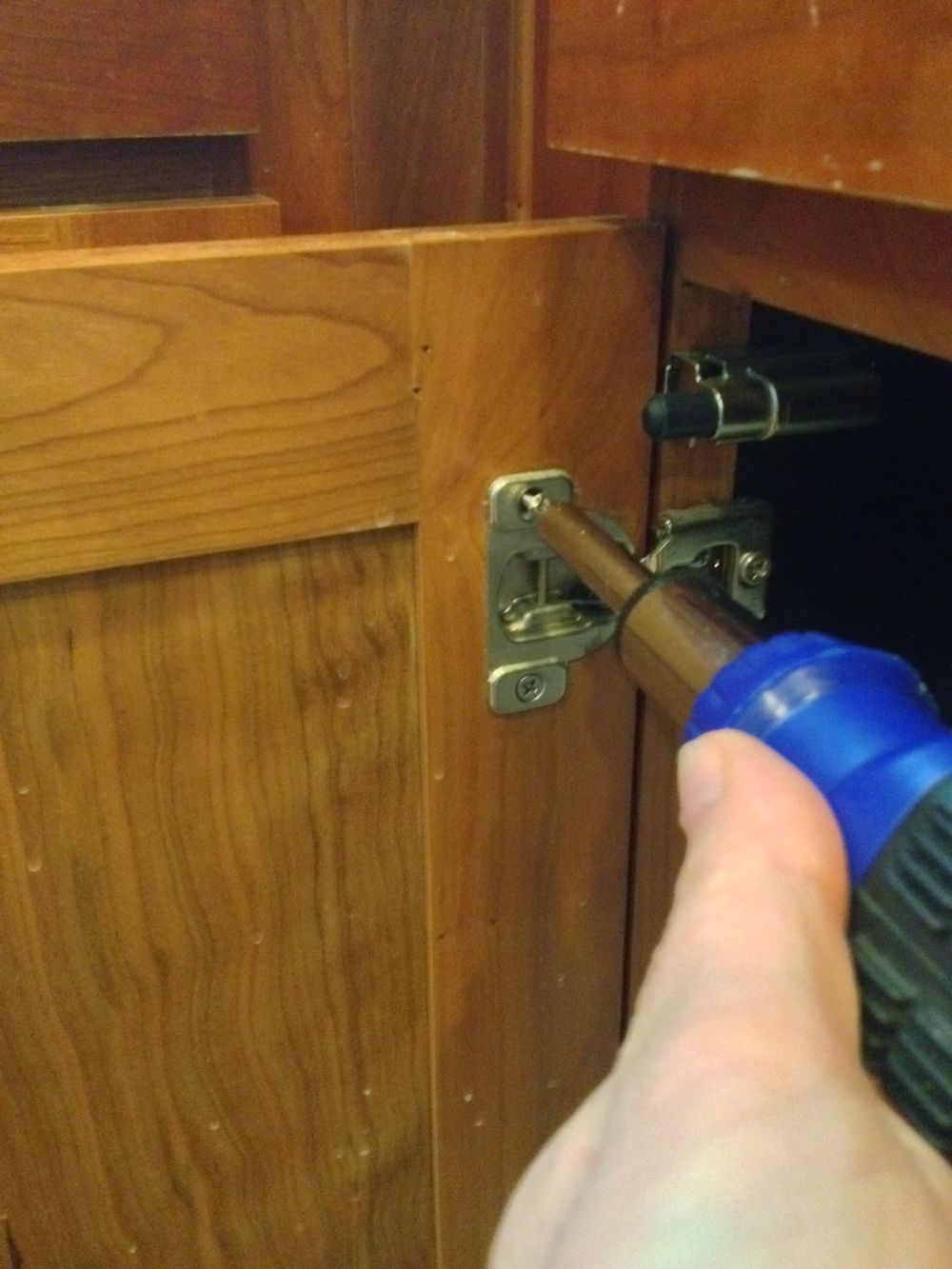
Positioned below and to the right of the sink, the door likely suffered wear from repeated splashes. Cynthia unscrewed the hinges to remove the door, granting full access to the panel.
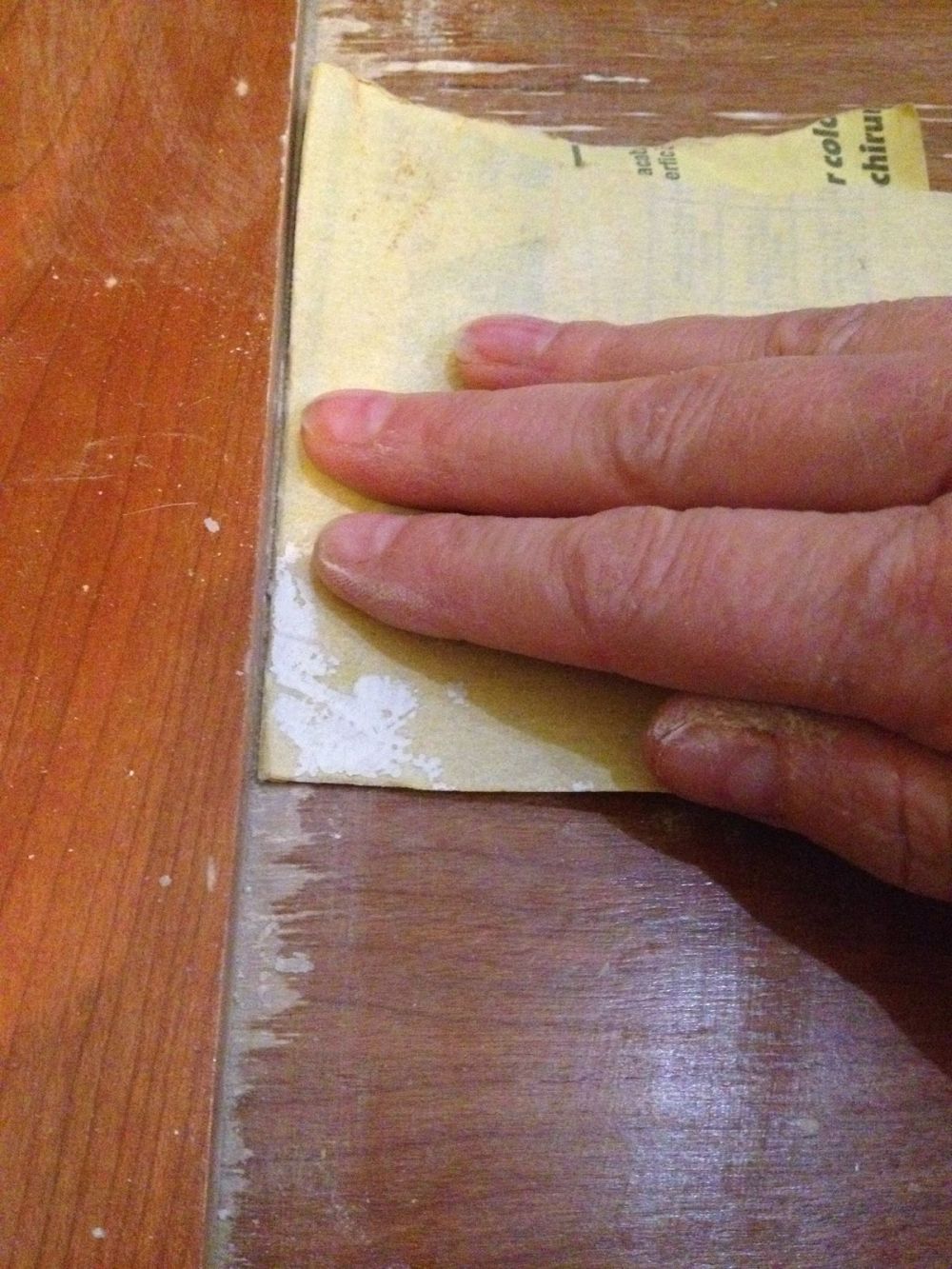
She smoothed the raised sections along the bottom edge using superfine sandpaper before applying the treatment.
By avoiding a full sanding of the door, she sidestepped the need to find a matching stain or coating for the rest of the cabinetry.
She Applied Watco Rejuvenating Oil to the Wood
Priced at approximately $6 in 2015, the product served as a viable alternative to a full refinishing project.
She followed the instructions by rubbing the oil onto the cabinet with a clean cloth. After letting it sit for 10 minutes, she wiped off the excess.
The Before and After Show What Changed
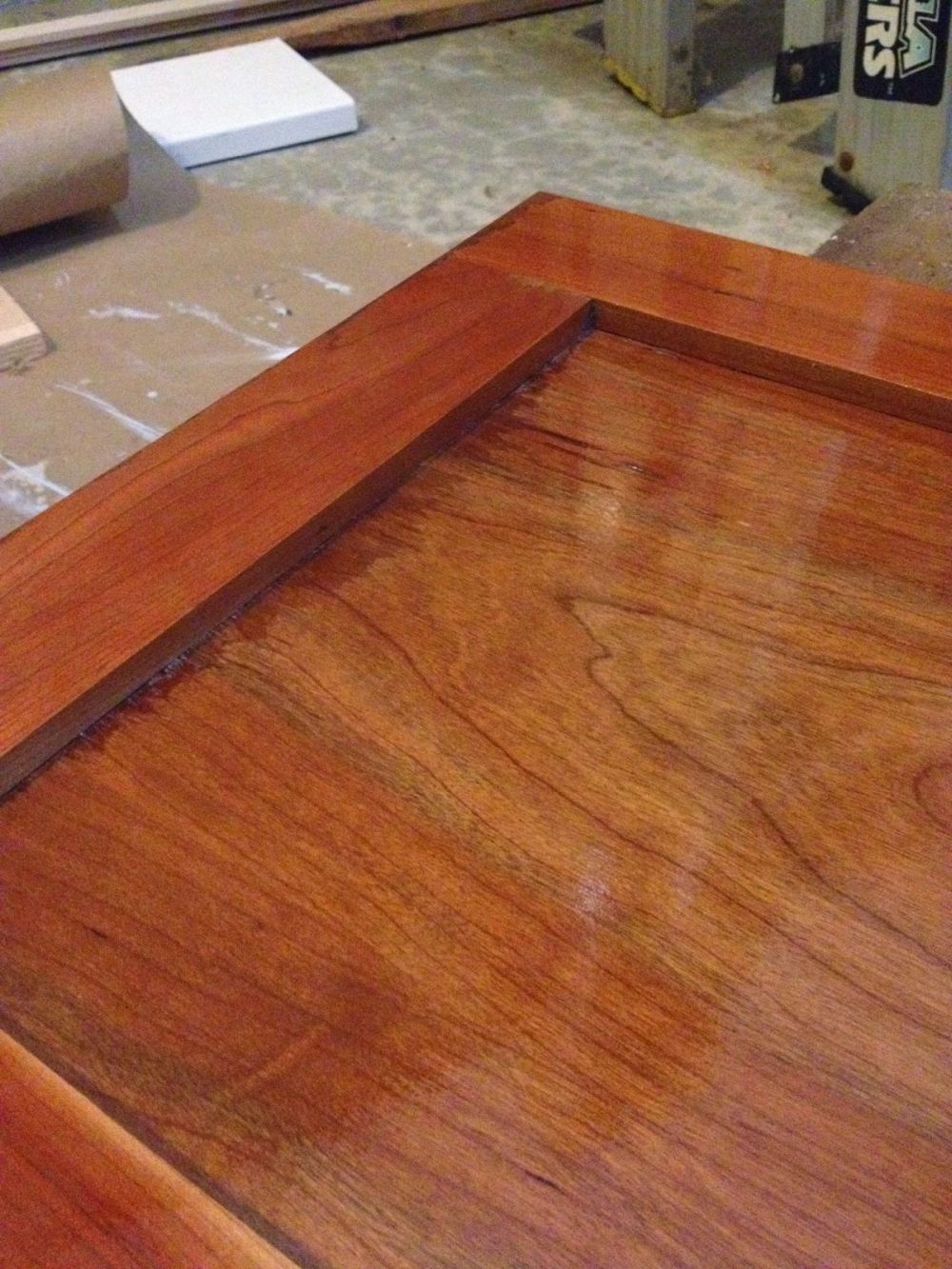
The treated recessed panel achieved a uniform brown tone, revealing the wood grain beneath the restored surface.
Although the bottom edge remained buckled, the visible improvement allowed Cynthia to delay replacing the door.
Comparing the untreated panel with the treated section reveals that much of the white discoloration faded. The surrounding wood maintained its original hue.
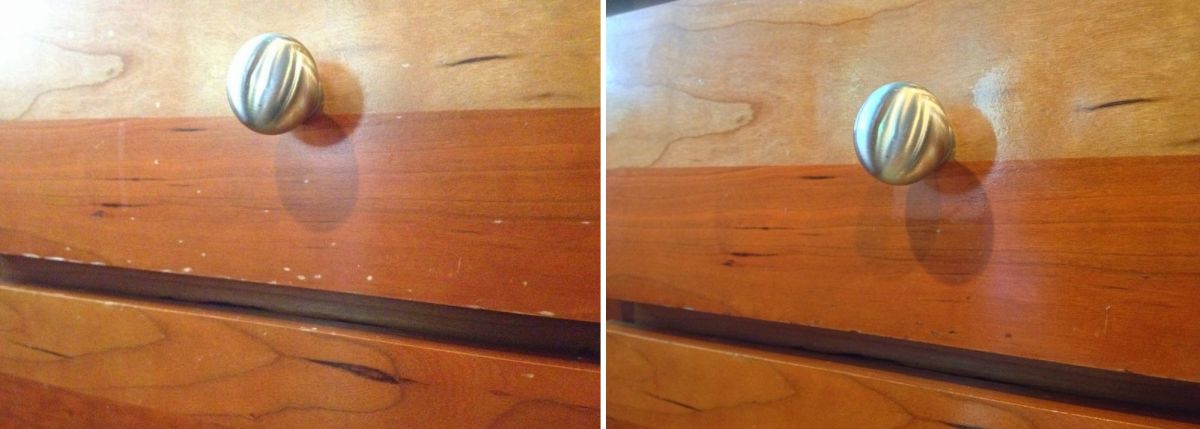
The Oil Also Worked on a Scratched Drawer
Pale marks appeared under the metal knob of the adjacent drawer. The same treatment made these marks blend more seamlessly with the surrounding wood.
The drawer retained its original hardware and coating, avoiding the need for a complete refinishing job.
Watco Rejuvenating Oil works on compatible wood finishes but should be tested in a hidden area first. It cannot fix swollen wood or structural issues, and oil-soaked cloths must be disposed of safely per manufacturer guidelines.
Would you try a wood-restoration oil on scratched kitchen cabinets before considering replacement?
Images and project details courtesy of Her Lovely Nest.
The post A Woman Thought Her Scratched Kitchen Cabinet Door Needed Replacing, but Tried a $6 Oil First appeared first on Homedit.























































Ah, yes. Because nothing screams “professional restoration” like slathering cheap oil on a water-damaged door and calling it a day. At least it’s cheaper than admitting the wood is permanently compromised.
I hear your skepticism. While oil isn’t a magic fix for structural rot, it successfully restored the finish and appearance on this specific door without full replacement. It’s a practical, budget-friendly solution for cosmetic damage, not necessarily a permanent cure for severe structural issues. Thanks for sharing your perspective!