
While placing lime and lemon slices in a food dehydrator may initially seem like a method for preserving fruit, the outcome serves a different purpose during the holiday season. Rather than hanging whole oranges or purchasing store-bought decorations, thin slices of citrus can be transformed into ornaments for evergreen trees.
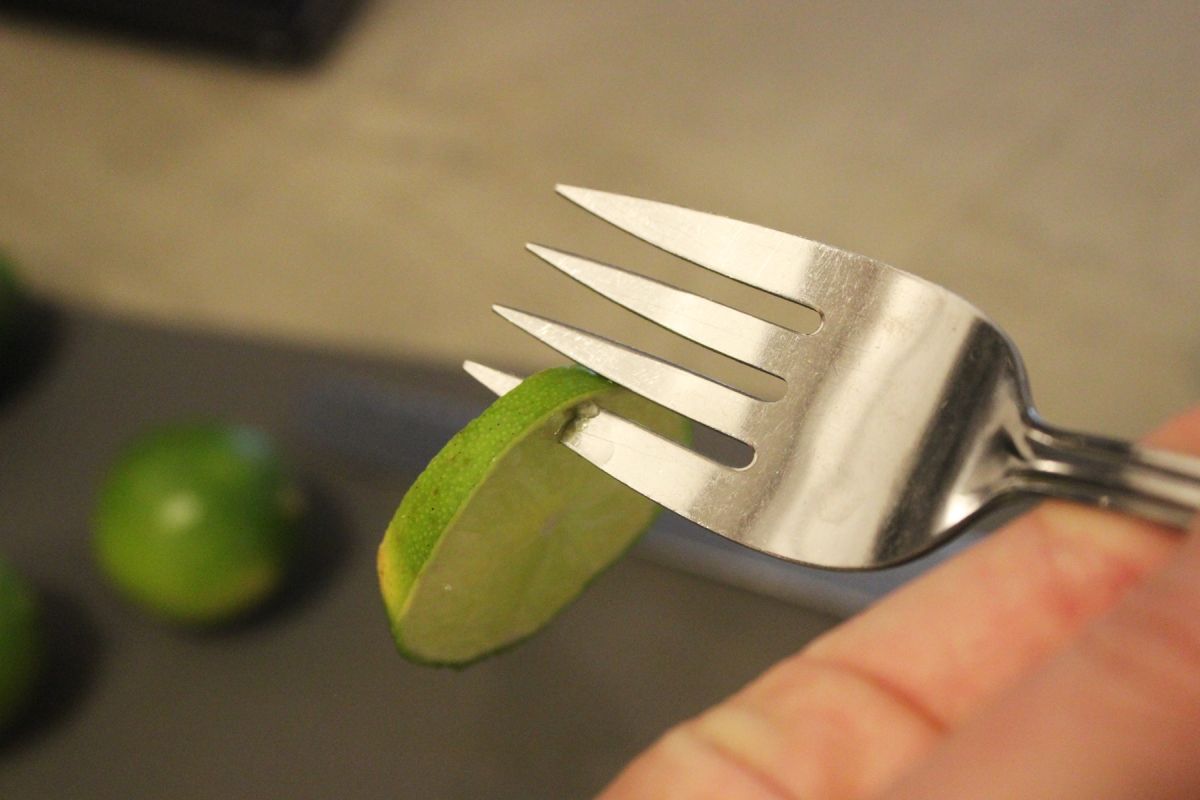
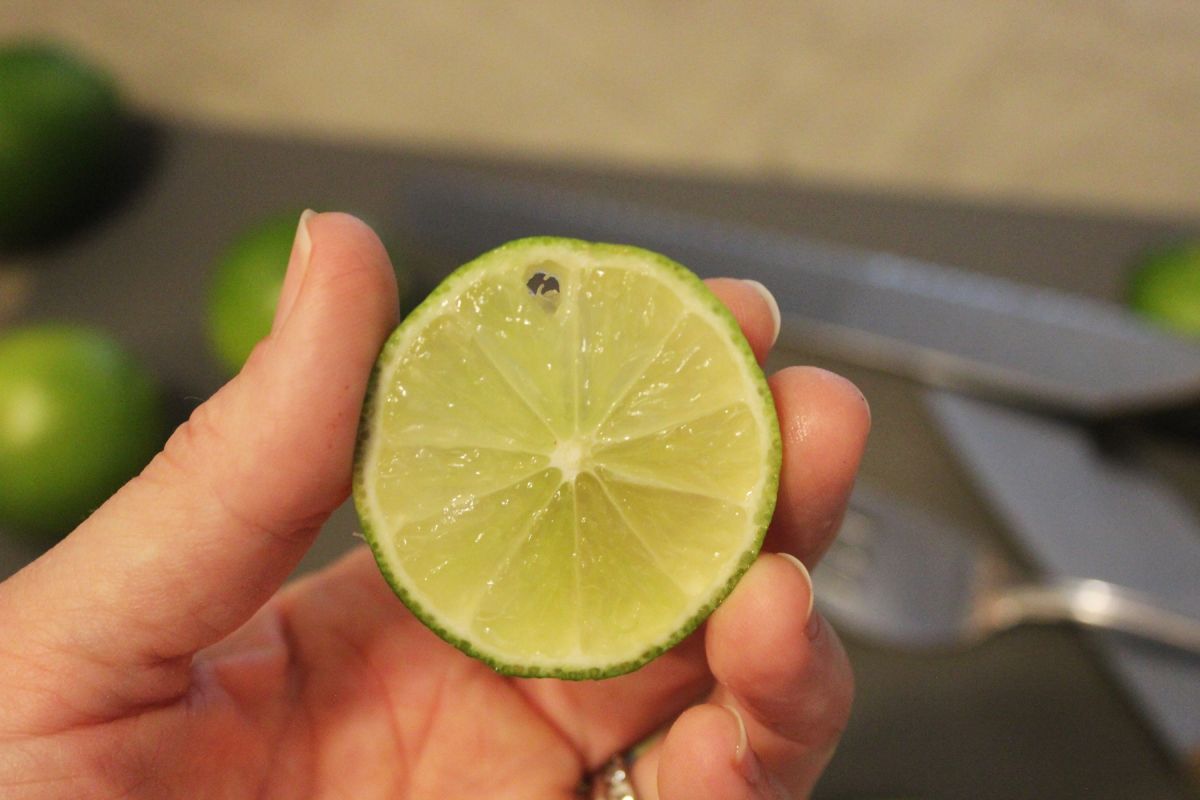
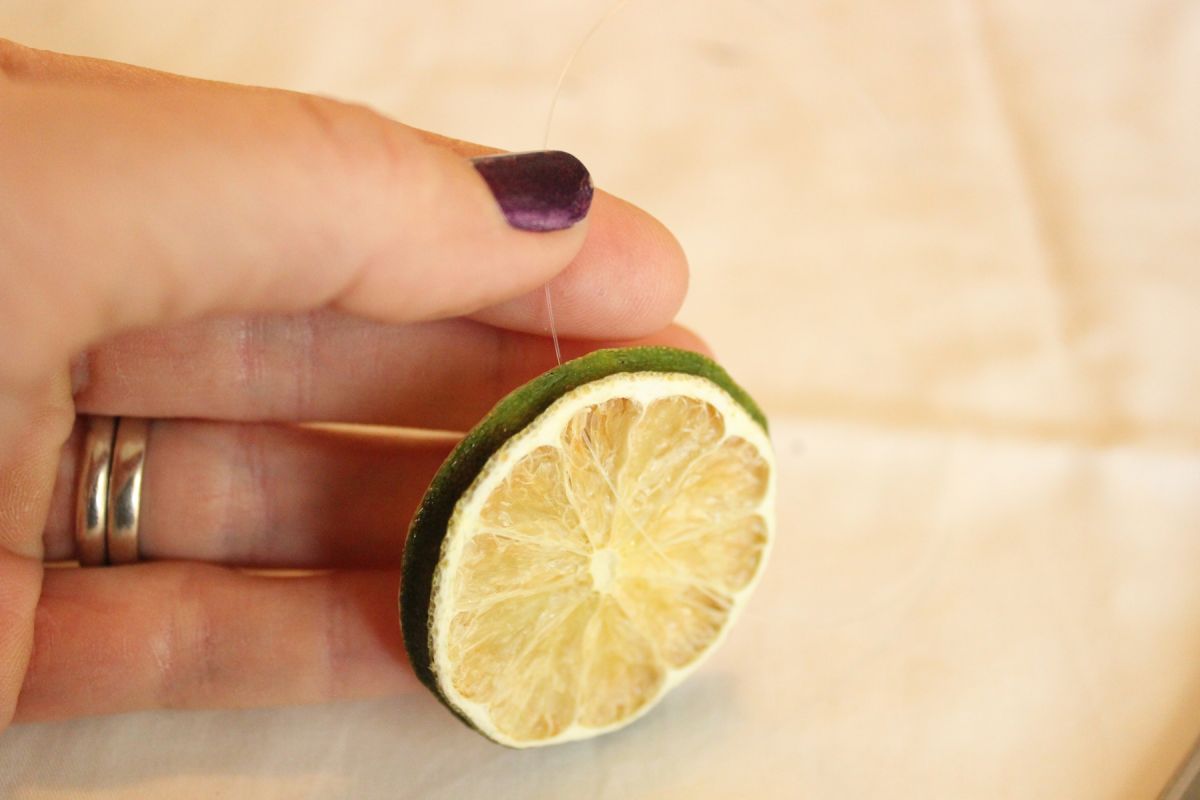
Brittney Smart, a creator for Homedit DIY, cut fresh citrus fruits into rounds measuring ¼-inch thick and placed them in a dehydrator set to 135°F. Prior to the drying process, she pierced a small hole near the rind of each slice, a technique that facilitates hanging the finished decorations.
As the fruit dries and loses moisture, the slices shrink, their colors shift, and the internal segments become more distinct. Once dried, a piece of fishing line is used to turn each slice into a Christmas ornament, requiring no additional paint or glitter.
Start With Fresh Limes and Lemons
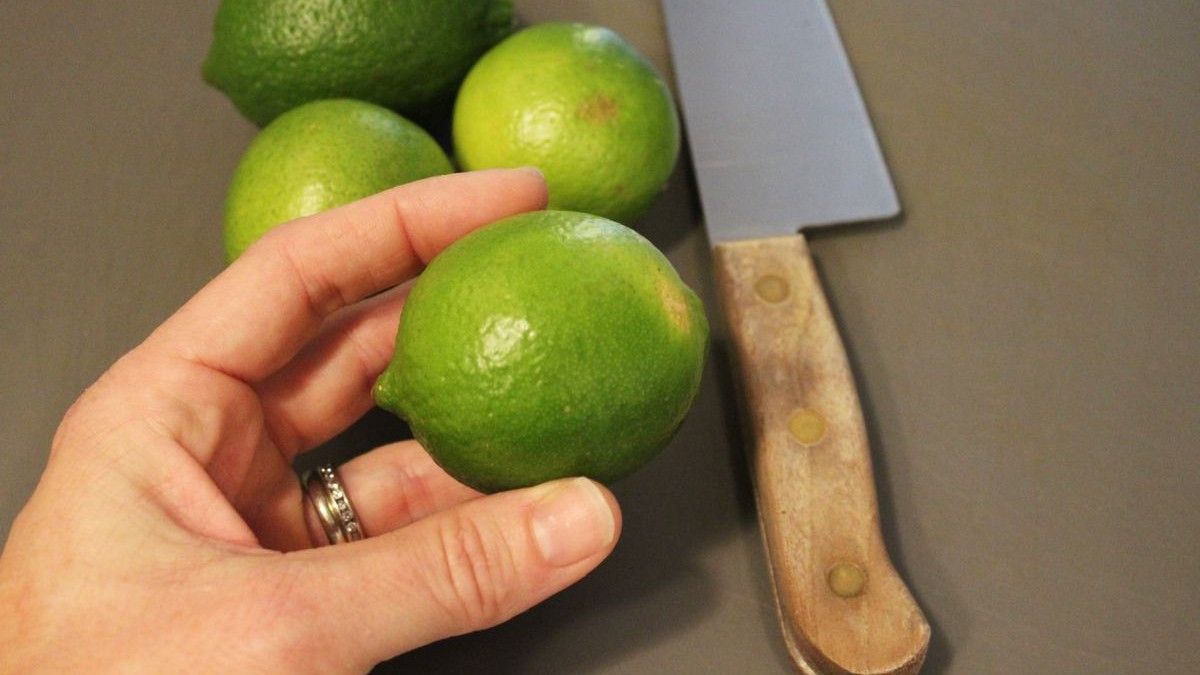
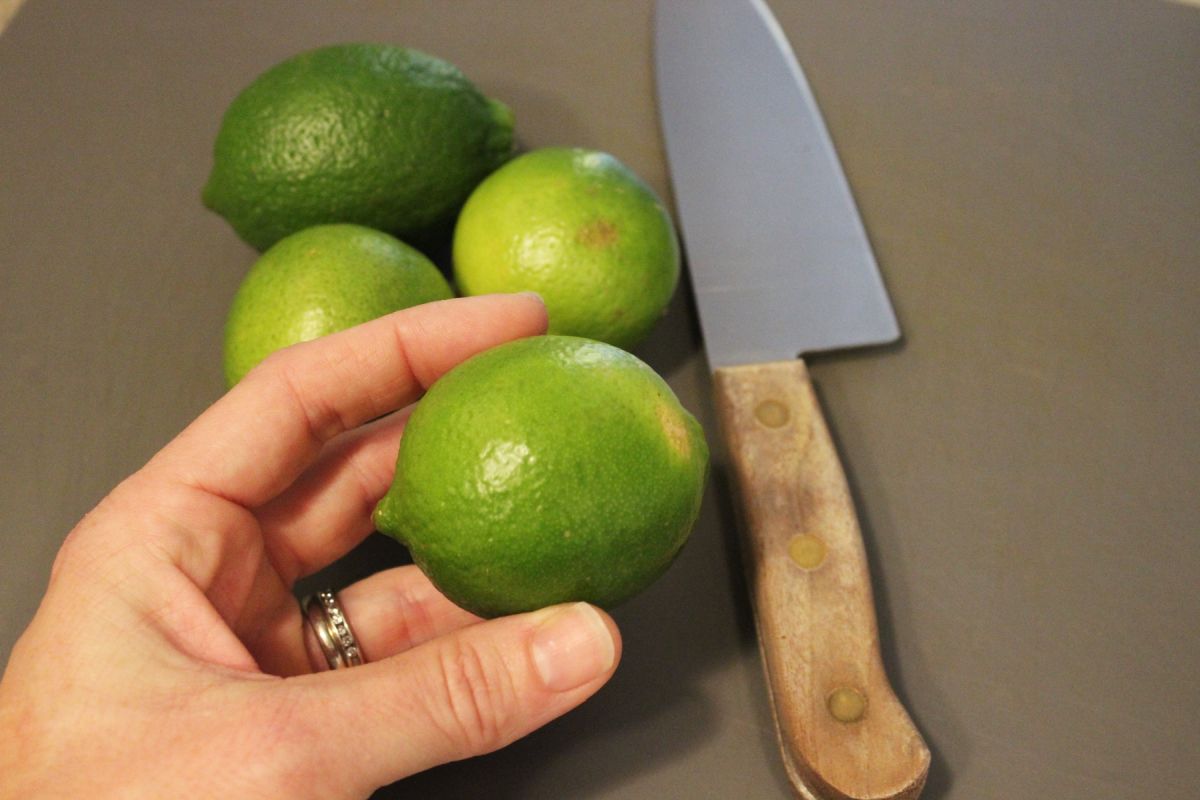
Wash the fruit and dry the rind before proceeding to cut it. Select limes and lemons that have firm skins, as the peel must remain attached to the flesh throughout the entire drying process.
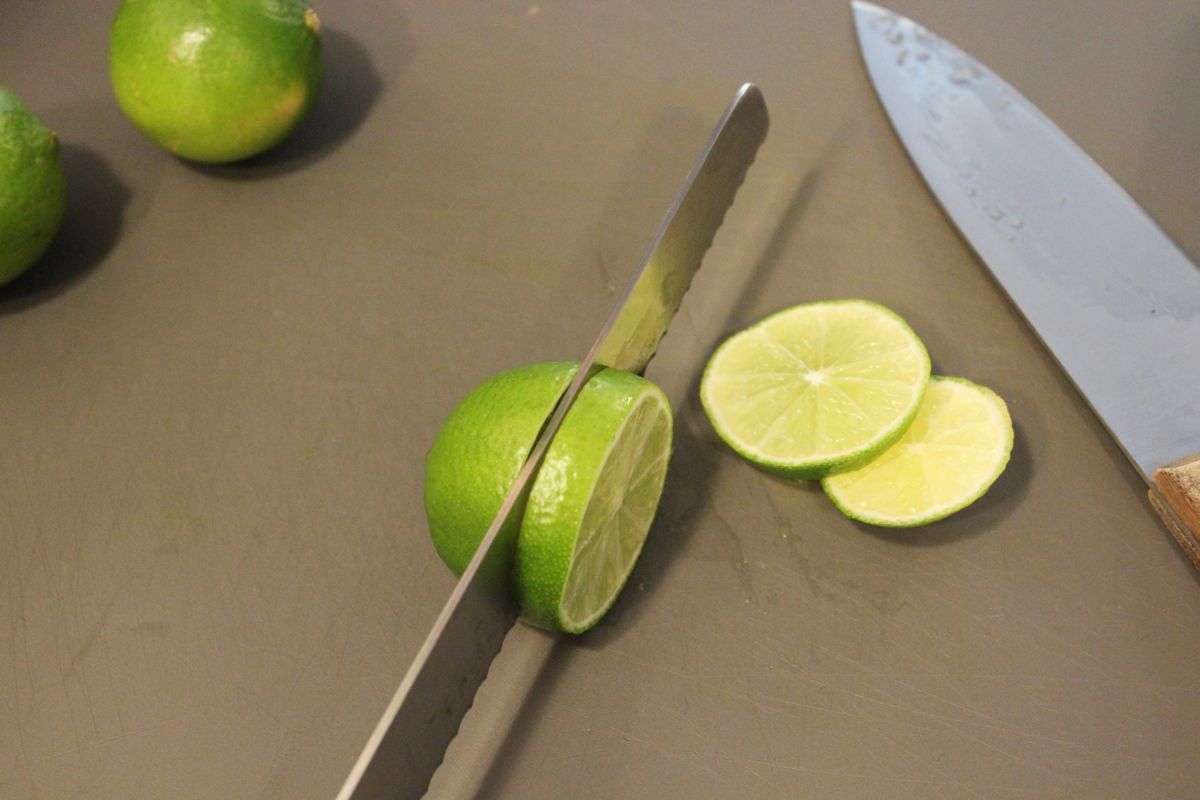
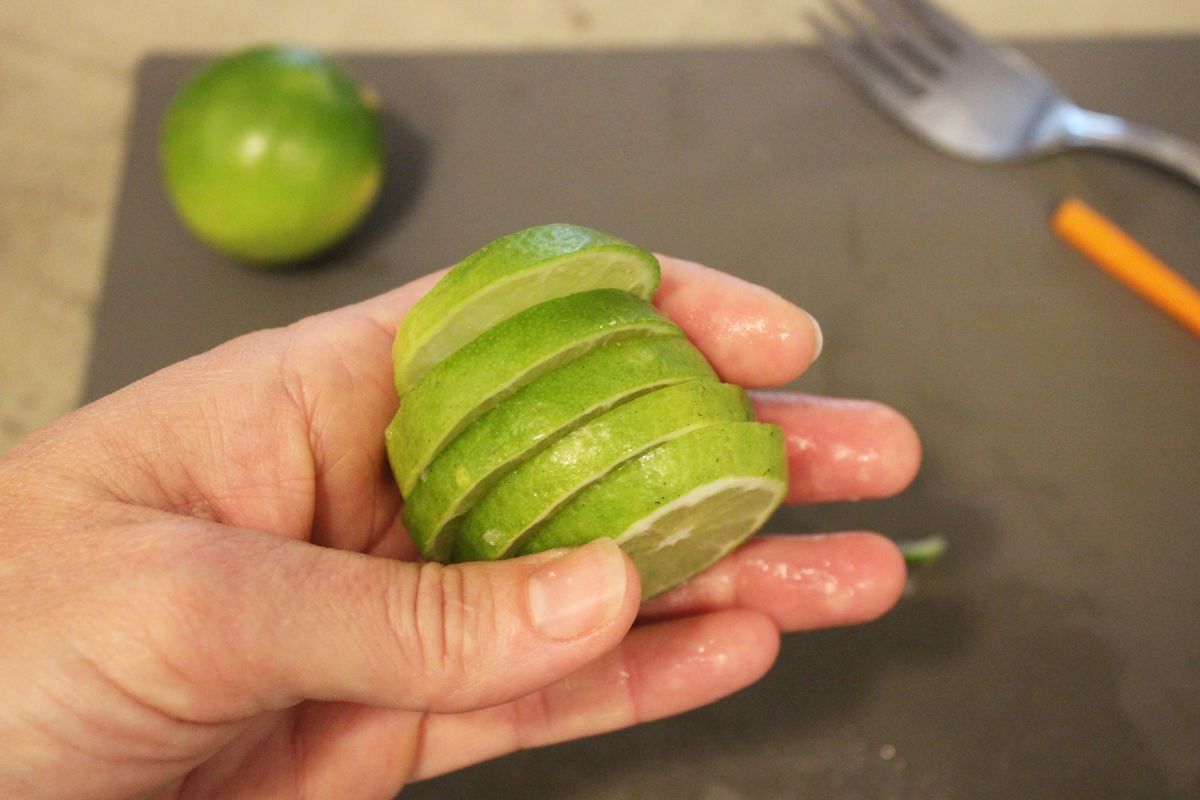
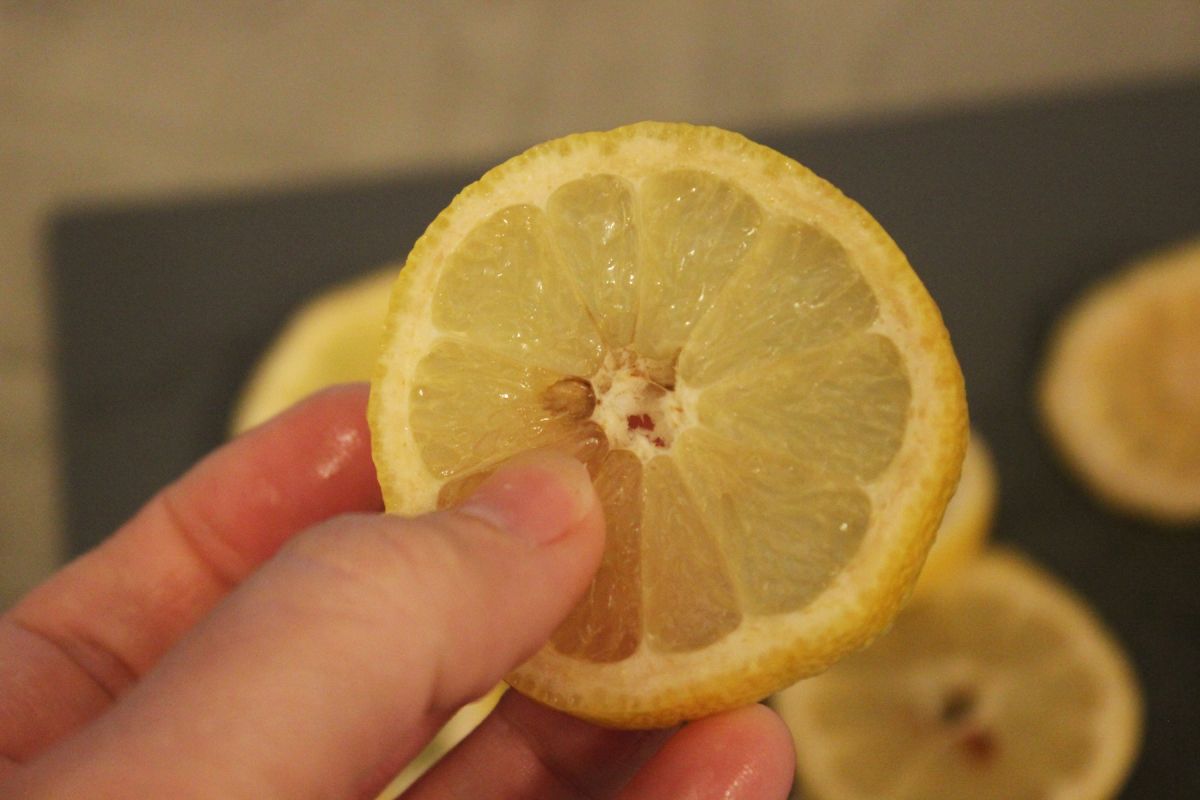
Cut each fruit crosswise into rounds approximately ¼ inch thick. Maintaining a consistent thickness helps ensure that thinner pieces do not dry out before the thicker ones.
The cut rounds should maintain their circular shape, with green or yellow rind encircling the pale citrus segments. It is important to keep the peel attached, as it will serve as the outer border of each ornament.
Make the Hanging Hole Before Drying
Use a single tine of a fork to pierce a small hole near the rind. Position this hole within the flesh, close enough to the outer edge to allow a string or fishing line to pass through without cutting the peel.
The opening must be small because the fruit will shrink as it loses water. Creating the hole at this stage also prevents damage to the slice, which becomes brittle after drying.
Inspect the cut fruit for seeds and remove them before placing the slices in the dehydrator. The citrus segments should remain connected around the center.
Arrange the Slices on a Dehydrator Tray
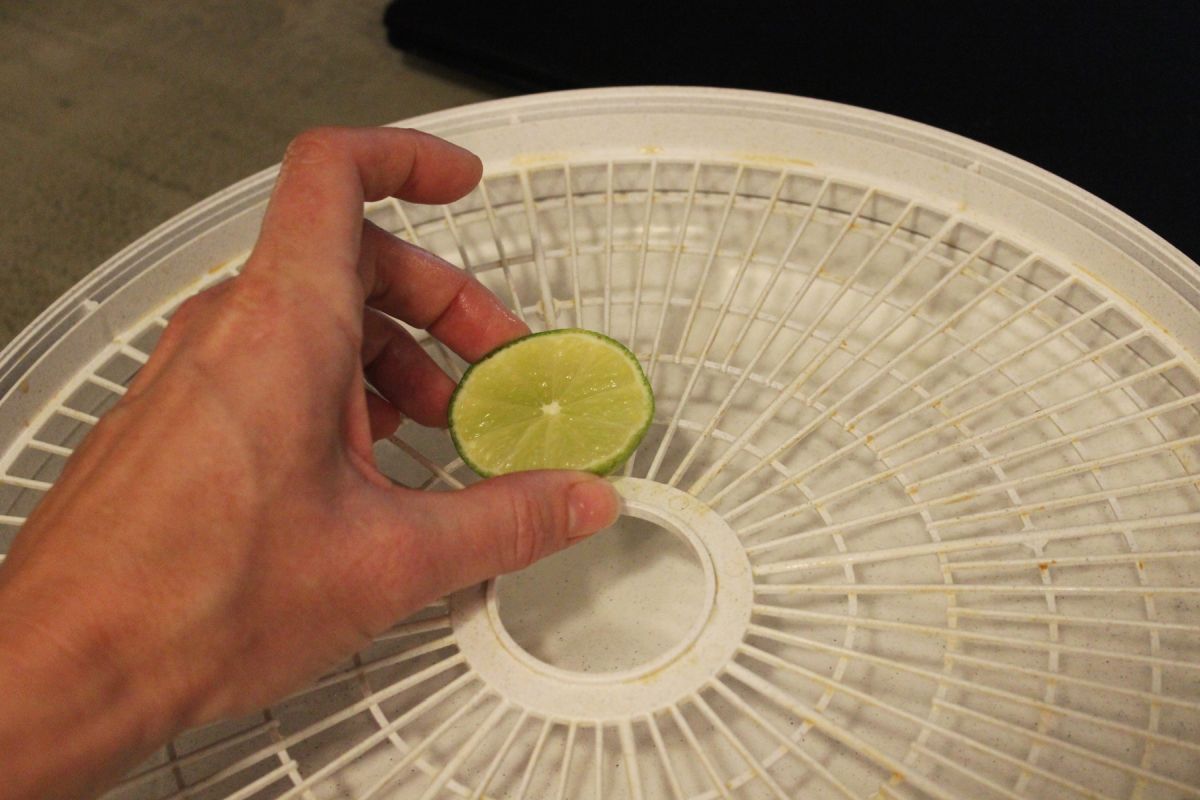
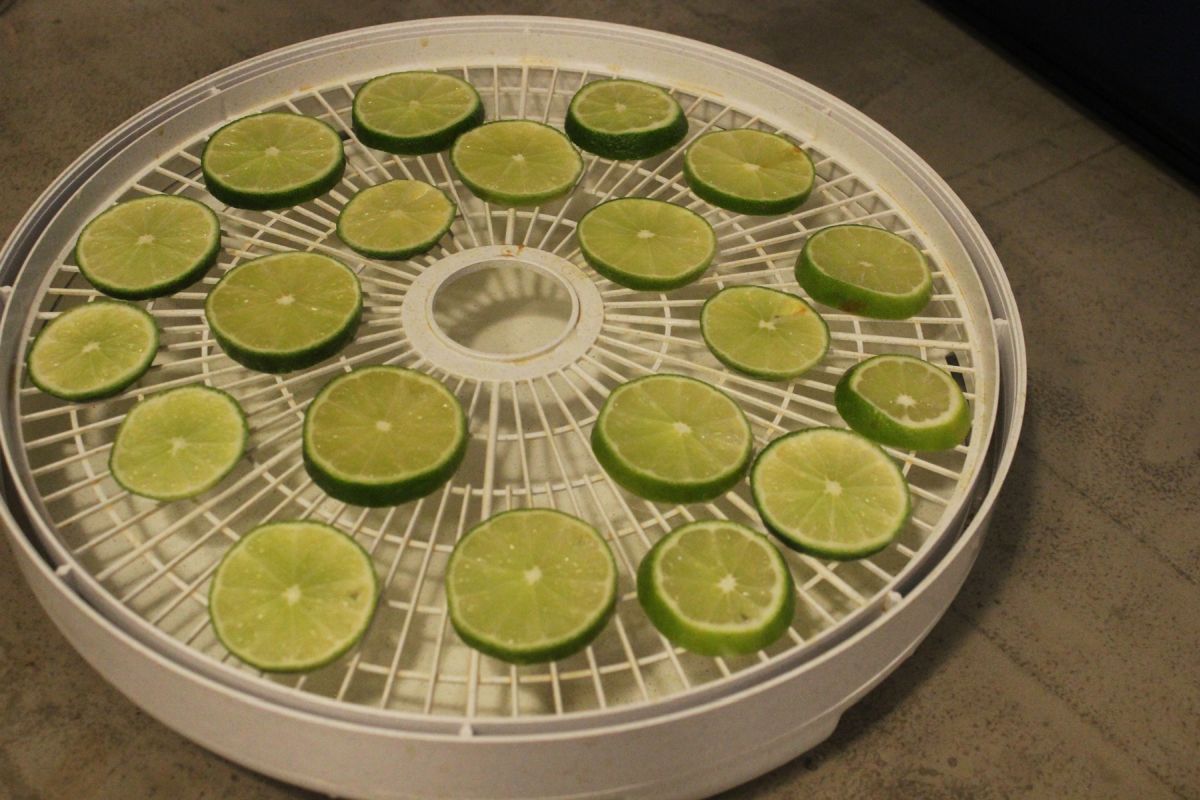
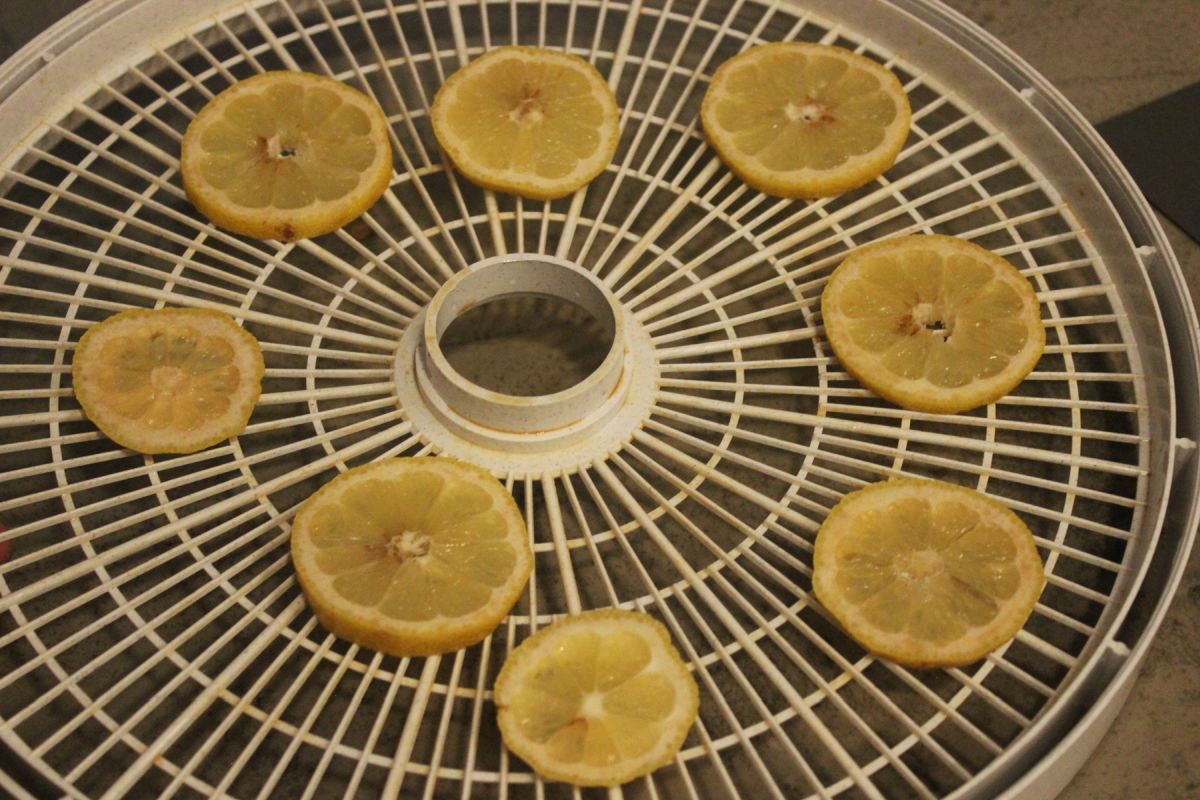
Place each lime slice flat on the dehydrator rack, ensuring there is space around the edges to allow air to circulate between the pieces.
While the tray can accommodate several slices, the rounds should not overlap. This arrangement ensures that all exposed surfaces have access to the circulating air.
Lemons can undergo the same process. Their pale yellow flesh and thicker white pith create a different visual appearance compared to green lime slices.
Spread the lemon rounds across another tray, removing any visible seeds before loading the dehydrator. Multiple trays can be stacked according to the appliance’s instructions.
Set the Dehydrator to 135°F
Smart used a temperature of 135°F and began checking the fruit after approximately four hours. The drying time varies based on the thickness of the rounds, the moisture content of the fruit, and the specific dehydrator used.
The slices must lose their remaining moisture before they are ready to be used as ornaments. If any sections still feel damp or sticky, return them to the dehydrator and continue checking until they are completely dry.
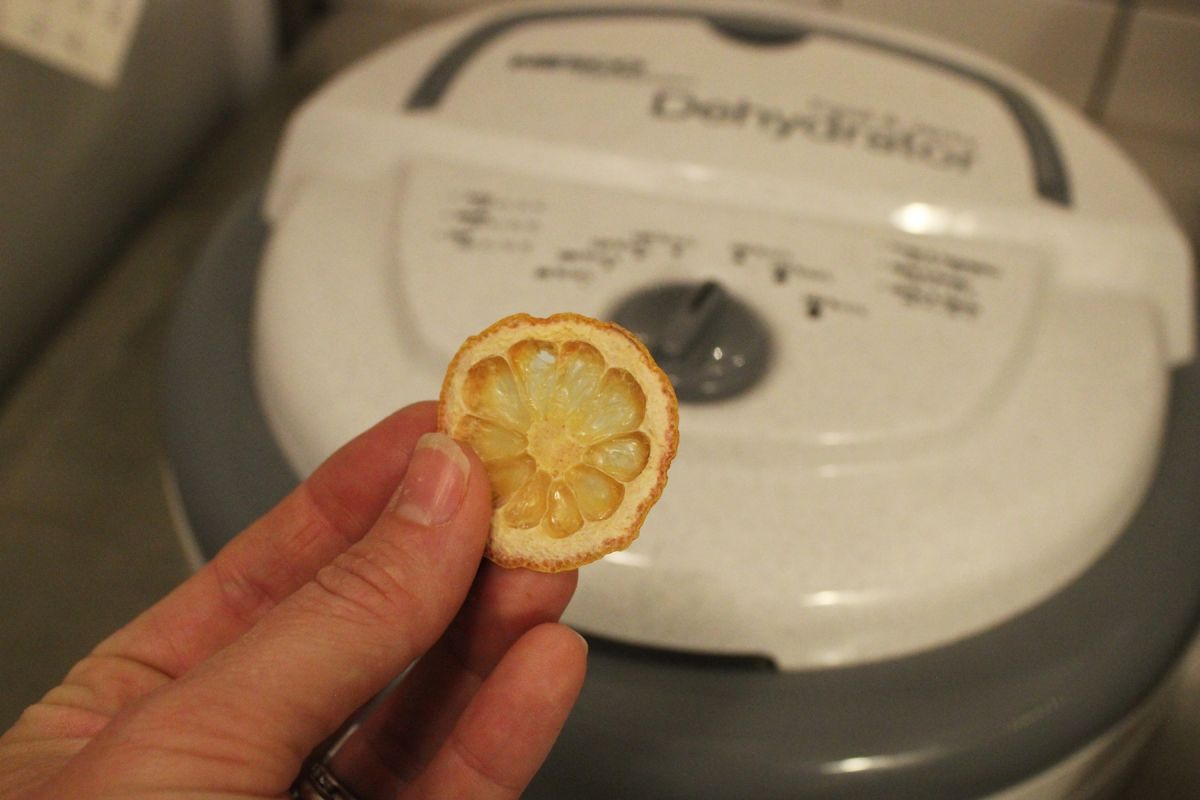
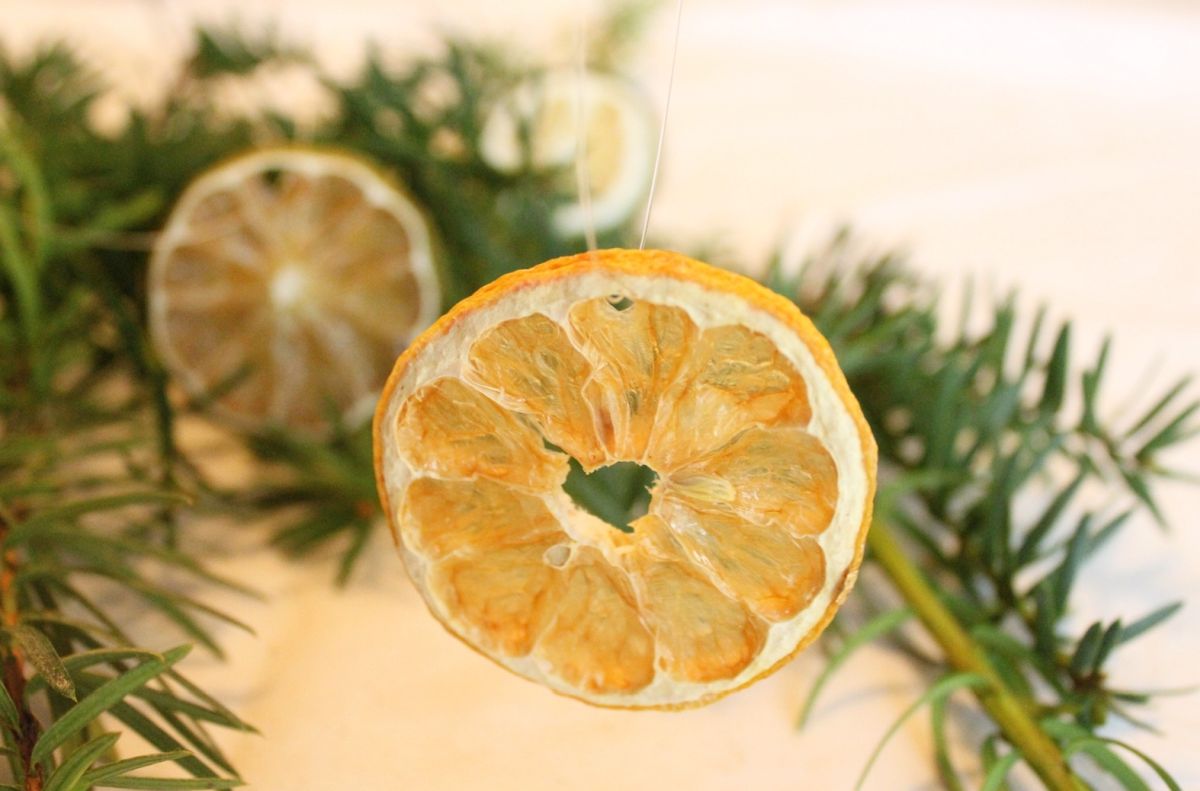
During the drying process, the citrus flesh contracts and the peel becomes firmer. The colors also change, with lemon slices developing a deeper yellow-brown hue.
Thread the Dried Citrus and Hang It on the Christmas Tree
Once the slices have cooled, pass fishing line or thin string through the holes created before drying. A small paper clip can also be used as a hanger.
The finished lime ornament retains its green outer edge, while the dried segments form a pale pattern across the center.
Orange slices provide another option, featuring deeper orange flesh and a white ring beneath the peel. The same method works for tangerines, provided the slices are thin enough to dry thoroughly.
When hung against evergreen branches, the dried fruit adds color without the need for paint, glitter, or purchased ornaments.
For a different result, try drying whole oranges in the oven after cutting the peel. This method allows the fruit to keep its round shape rather than becoming flat Christmas ornaments.
The key is making a small hole near the rind before drying, so the finished citrus slices are ready to hang. Would you try this with limes and lemons, or choose oranges for their deeper color?
Image credits go to Homedit.com
The post Putting lime and lemon slices in a food dehydrator: why people recommend doing it and what it’s for appeared first on Homedit.






















































How do the slices change color during dehydration? Do they retain their original hues, or do they darken significantly? I’m curious if the scent lingers after drying, or if it fades entirely once the moisture is gone.
The slices naturally deepen in hue, shifting from bright to a rich, translucent amber. While the vibrant scent mellows, the citrus aroma remains distinct and long-lasting, creating a lovely festive atmosphere without fading entirely.