
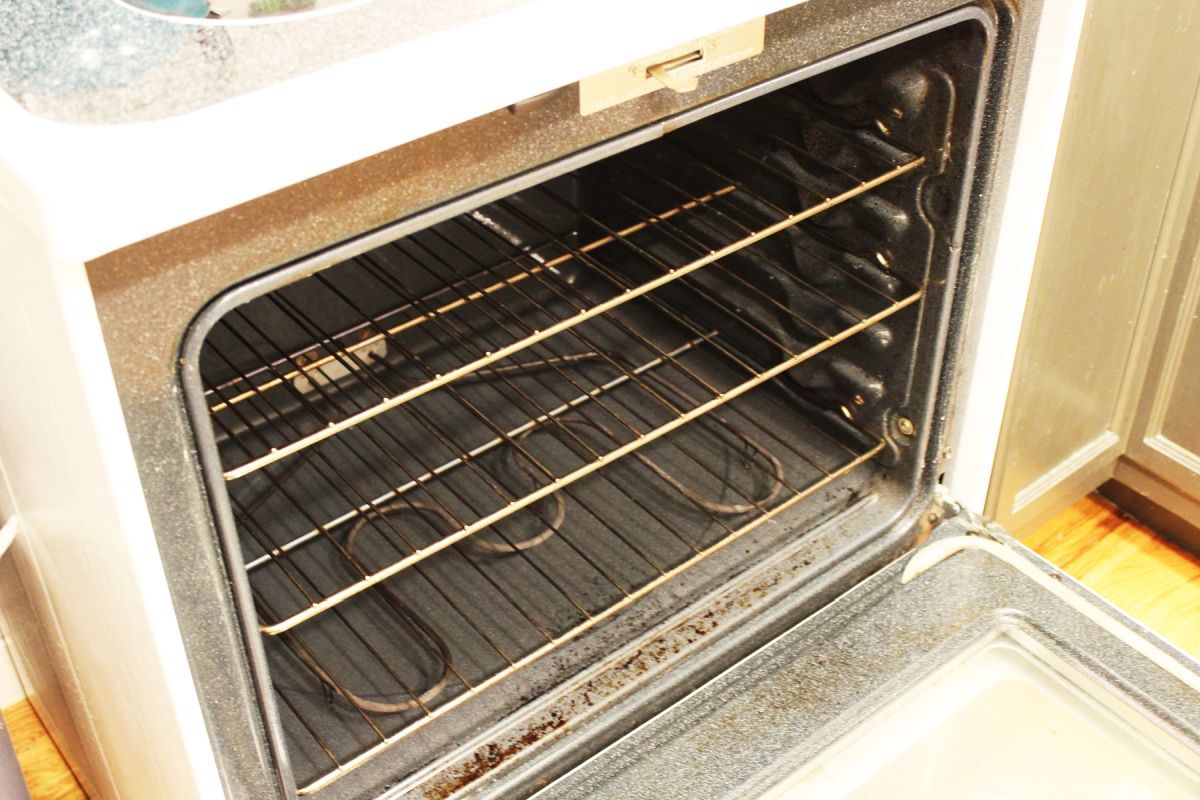
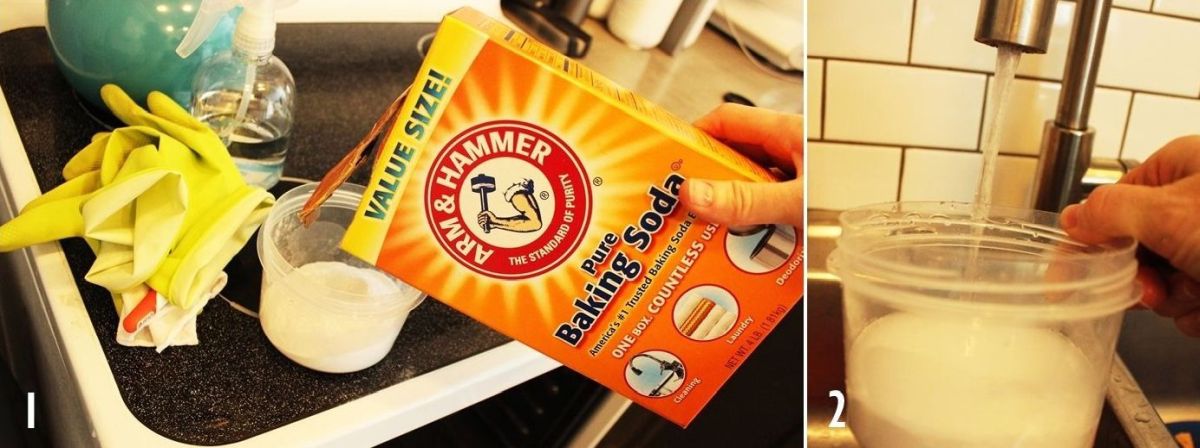
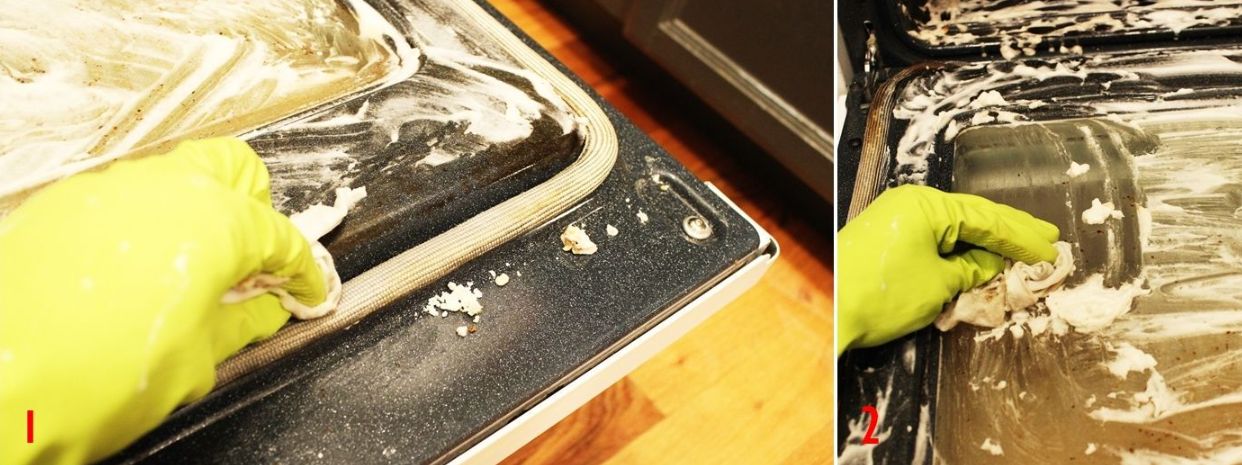
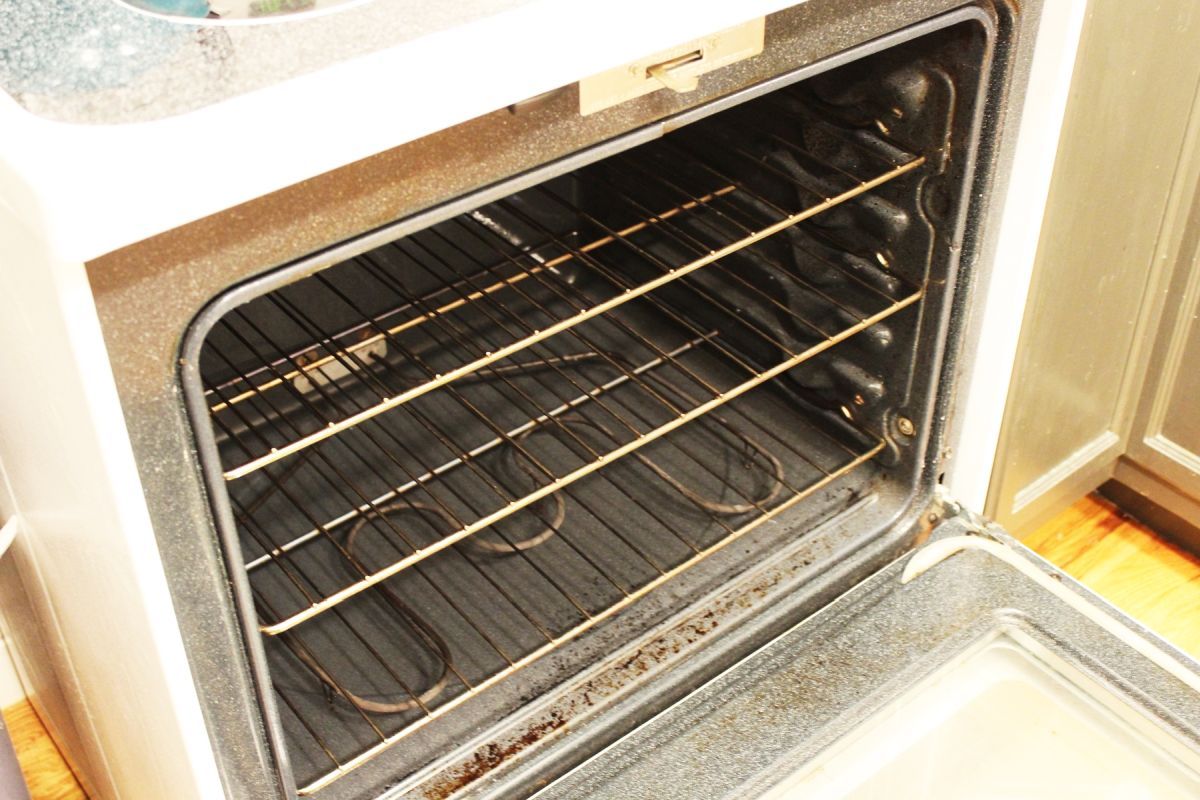
Applying a baking soda paste to a greasy oven and letting it sit for several hours may appear unusual, especially since many cleaning products advertise quick results. Stubborn brown stains on the glass and interior walls often withstand dish soap and repeated scrubbing. Rather than rinsing the paste off after a short period, this approach requires leaving it in contact with the grease for up to 12 hours.
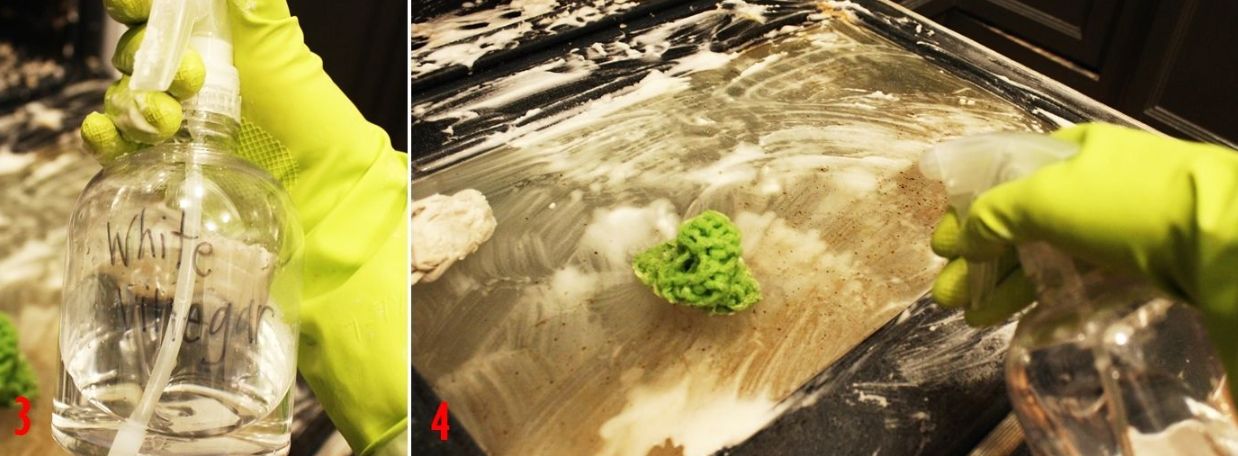
Brittney Smart from Homedit tested this method by applying a mixture of baking soda and water, allowing it to sit for 4 to 12 hours before wiping it away. While the paste aids in loosening deposits, wiping it off can leave a white film on the glass and oven walls. Vinegar is then applied to react with any remaining baking soda and help eliminate the residue.
Why people leave the paste overnight
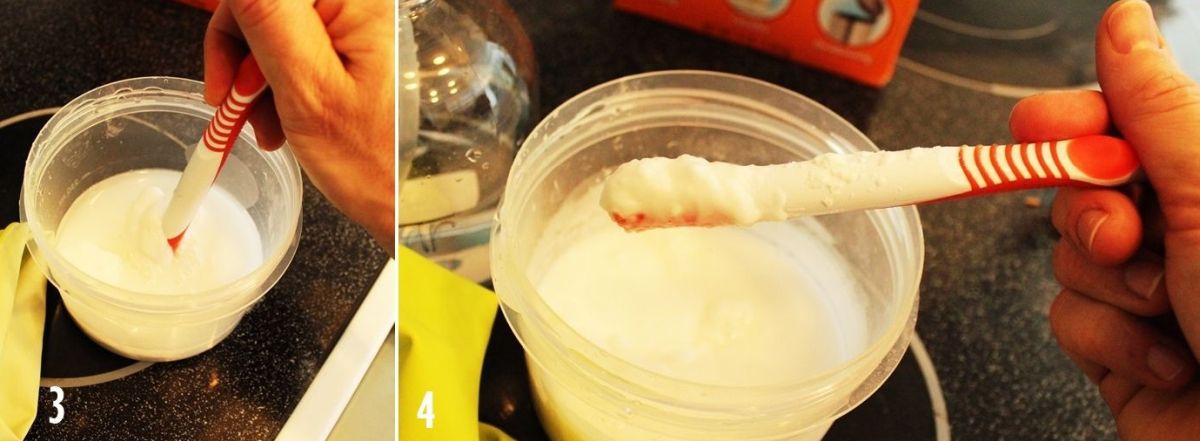
Baking soda begins as a dry powder, but adding water alters its application inside the oven. The resulting mixture adheres to surfaces instead of falling off or running down the walls.
A thick consistency ensures the paste remains in place throughout the oven interior and on the glass. The goal is not to trigger a strong chemical reaction but to maintain prolonged contact with the deposits over several hours.
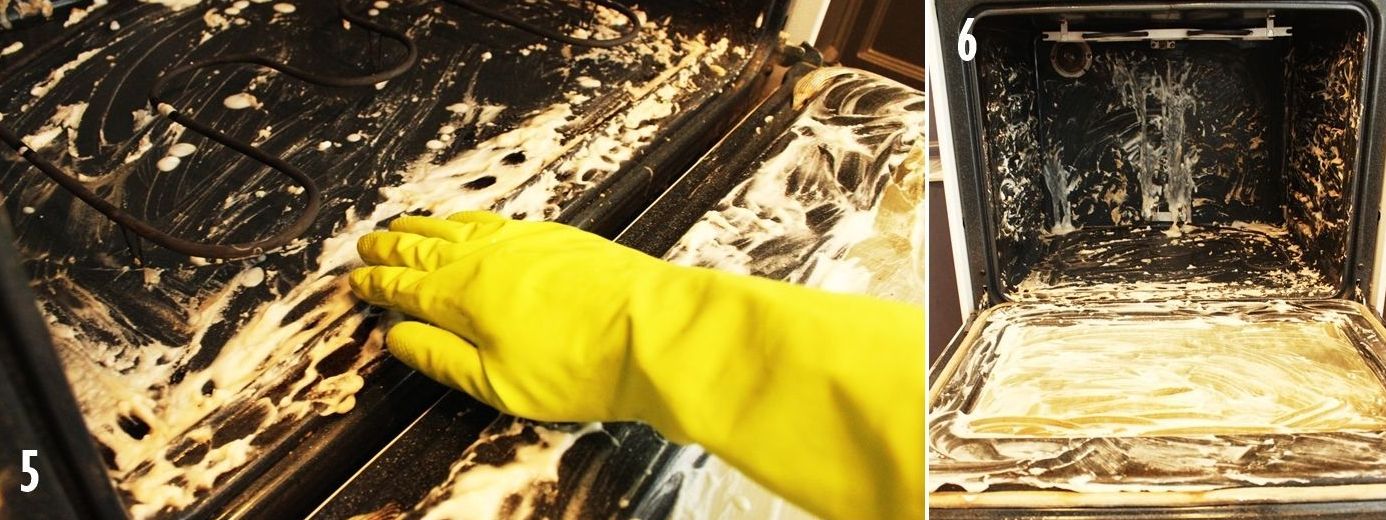
A white paste covers the accessible surfaces of the oven, including the inside of the door. This extended waiting period allows the damp residue to soften prior to removal, minimizing the need for vigorous scrubbing.
The oven must be turned off and cool, with heating elements, vents, fans, and sensitive components kept clear. Manufacturer guidelines dictate which surfaces are suitable for treatment.
Why vinegar is used after the waiting period
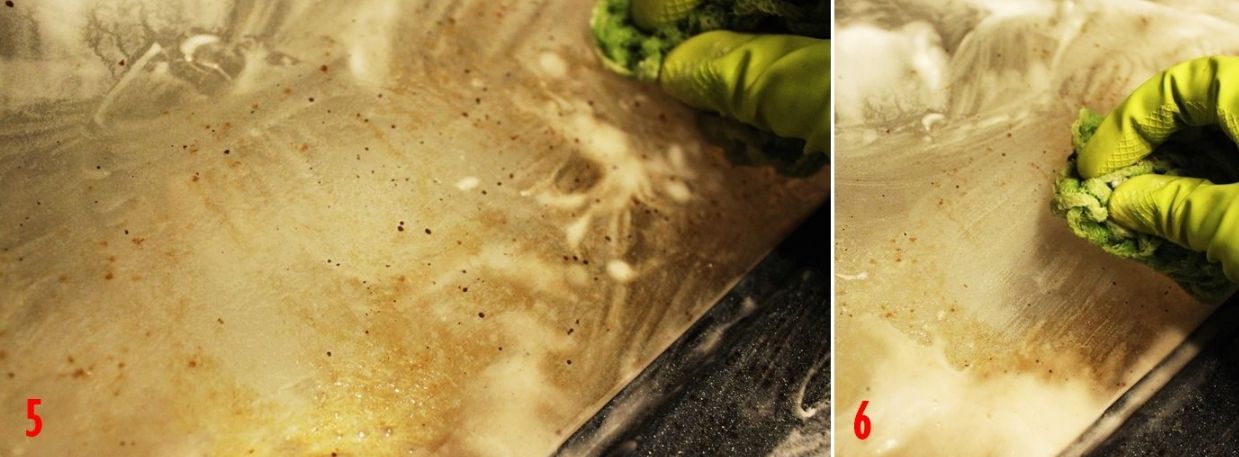
Removing the paste reveals the oven glass underneath, though a white film may persist after the initial wipe. Baking soda residue can cling to corners and textured areas even after most of the grease has been removed.
White vinegar reacts with leftover baking soda, generating carbon dioxide bubbles. This reaction can help dislodge remaining powder, making the chalky film easier to wipe away.
The fizzing action does not create a more powerful degreaser. Vinegar neutralizes some of the baking soda, meaning the two ingredients serve distinct purposes when used in separate stages.
What the oven looks like after the residue comes off
Brown deposits and streaks become visible as the paste lifts from the glass. The contrast between cleaned sections and remaining residue highlights why multiple wipes may be necessary.
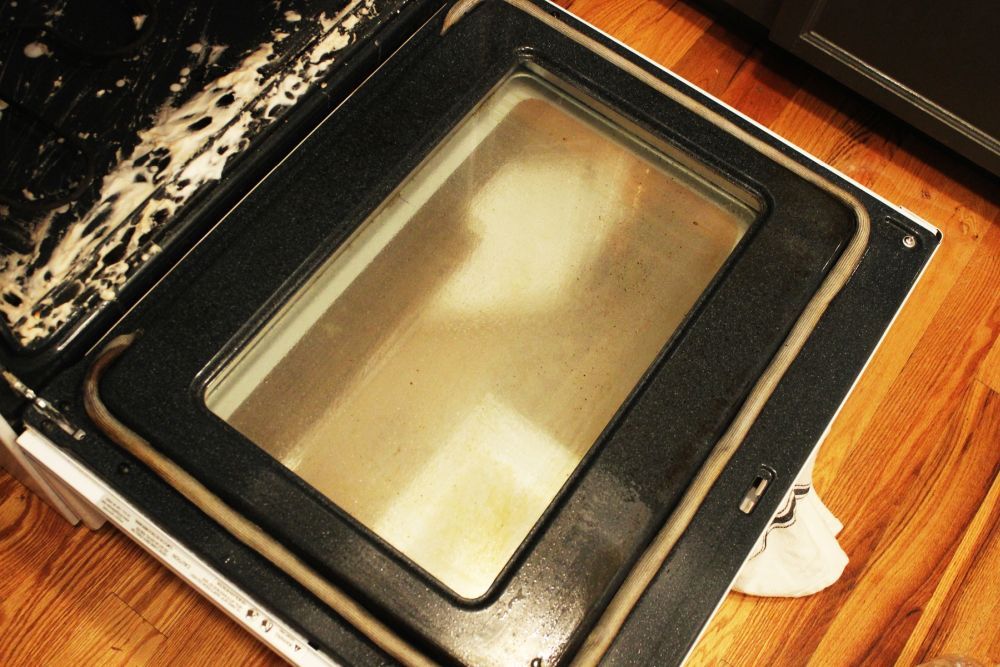
The oven window appears significantly clearer once the paste and loosened grime are removed. The dark door surround is also free of the thick white coating observed during treatment.
With the interior cleaned and racks replaced, the oven no longer displays the same visible buildup across its accessible surfaces. The outcome results from contact time and residue removal, not from leaving baking soda inside during cooking.
This distinction is important: baking soda is applied while the oven is cool, left against the deposits, and removed before the appliance is used again. Vinegar assists with remaining powder, but neither ingredient guarantees the removal of every baked-on stain.
Have you tried cleaning your oven with baking soda and vinegar, or do you prefer a commercial oven cleaner?
The post Putting Baking Soda Paste in the Oven Overnight: What Happens to Baked-On Grease appeared first on Homedit.






















































Patience is often mistaken for inaction. This method reveals that true transformation requires sustained presence, not just force. We soften our burdens by simply staying with them.
I love that perspective! It really highlights how patience often yields better results than brute force. Letting the paste work its magic overnight is a perfect example of gentle, sustained action transforming tough grease. Thanks for sharing such a thoughtful insight!