
Transforming a worn sock into a painting implement offers an alternative to traditional brushes. By wrapping the fabric around the hand, paint spreads evenly over the curved surfaces of staircase spindles. This method addresses the challenge of covering narrow sections and rounded details efficiently.

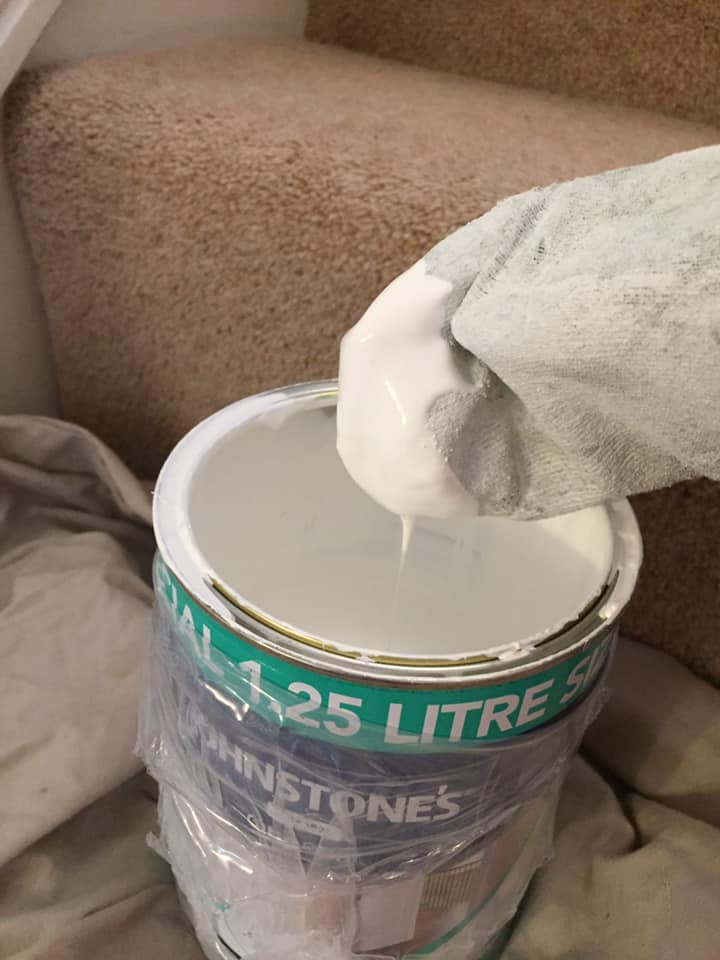
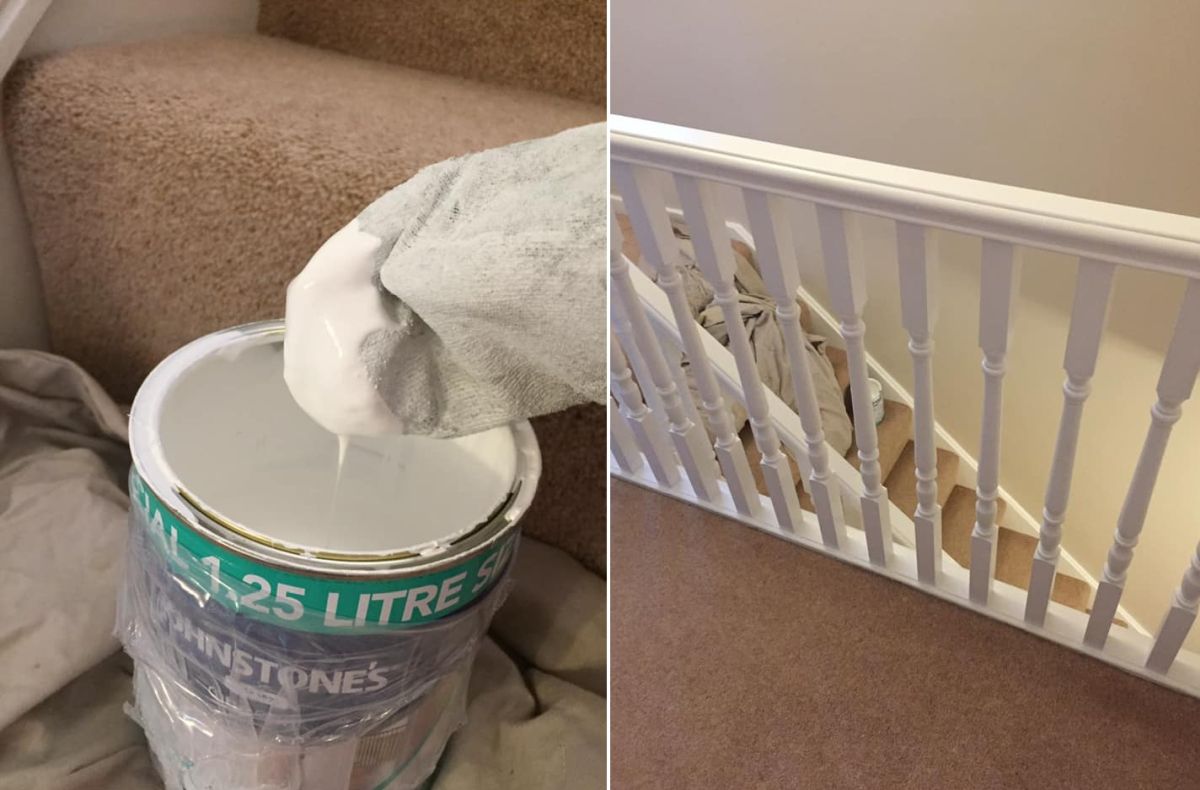
The technique proves valuable when refreshing stair railings featuring turned spindles. A protective glove worn underneath the sock prevents paint from reaching the skin, while the fabric acts as the primary applicator. Reddit user u/litle_Kityso explored this approach after observing another homeowner’s recommendation. In a discussion on r/JustForHome, the user shared that painting the staircase took approximately one hour, a significant reduction from the typical three or more hours required with a standard brush. The project utilized Johnstone’s One Coat Satinwood paint.
Function of the Sock as a Painting Tool
The sock serves as a makeshift mitt, conforming to the spindle’s shape as the hand moves along the wood. This flexibility allows the fabric to reach curved areas that would otherwise demand multiple brush strokes. The latex glove beneath the sock ensures that paint does not soak through to the skin. The homeowner applied this method to refresh an existing white staircase rather than changing its color.
Outcomes of the Sock Painting Method
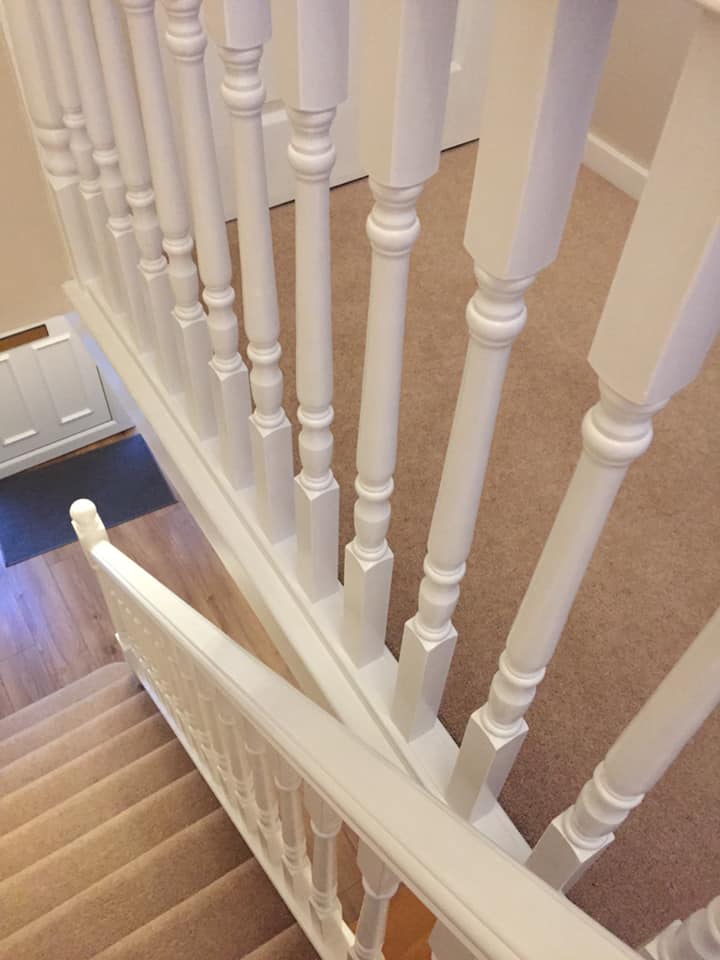
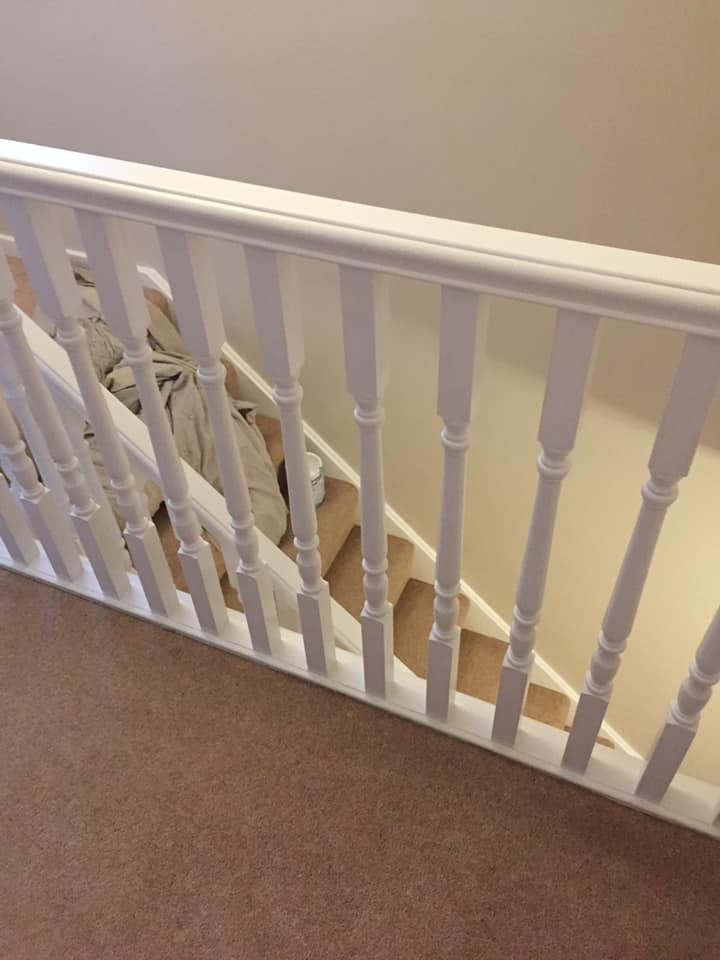
The completed landing railing displays white paint covering the handrail, spindles, and lower rail. The homeowner noted the absence of drips or smears and confirmed the task duration of about one hour. The staircase features a row of turned spindles with narrow sections and rounded details, which explains the time-consuming nature of brush painting. The reported time saving of over two hours reflects the homeowner’s specific experience and may not apply universally to all staircases.
Considerations Before Attempting the Trick
This method suits surfaces that can be reached and wrapped by hand. Flat sections, corners, and joints may still require a brush for precision. Excess paint trapped in the fabric can lead to buildup around carved details. Surface preparation remains critical; previously painted wood should be clean, sound, and suitable for recoating with the selected paint. Checking paint compatibility and drying instructions is advisable before beginning.
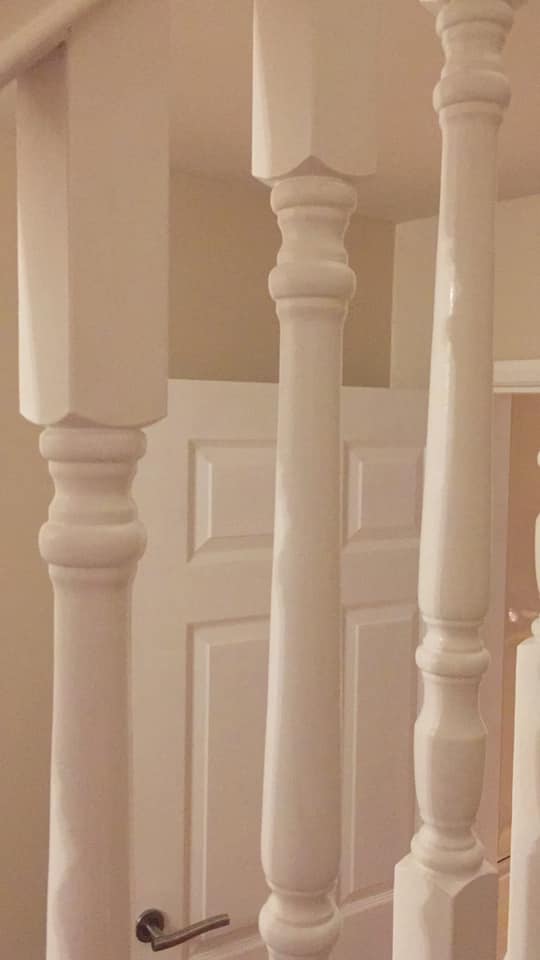
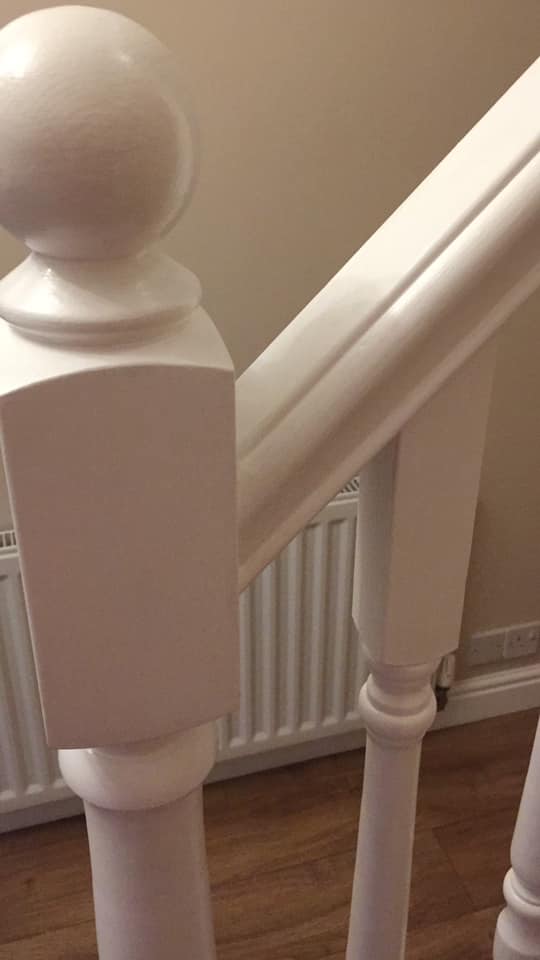
The finished spindles show the coating around their shaped sections. Since the Reddit post lacked a before photograph, the images document the final result rather than providing a direct comparison of the old and new finishes. Other DIY techniques also repurpose common items. For instance, some users attach painter’s tape to a paint roller for floor protection, while others place two strips of tape across an open paint can to remove excess paint from a brush.
Photographs and original experience: Reddit user u/litle_Kityso, r/JustForHome.
Source: Homedit.





















































How do you manage paint pooling inside the sock as it stretches over the spindles? Does the fabric thin out significantly, or does it maintain enough thickness to prevent drips on the steps below?
Great question! The sock’s elasticity actually helps distribute the paint evenly, preventing heavy pooling. While the fabric does stretch, it maintains enough thickness to stop drips. I recommend applying thin coats to ensure a smooth finish without mess on the steps below.