
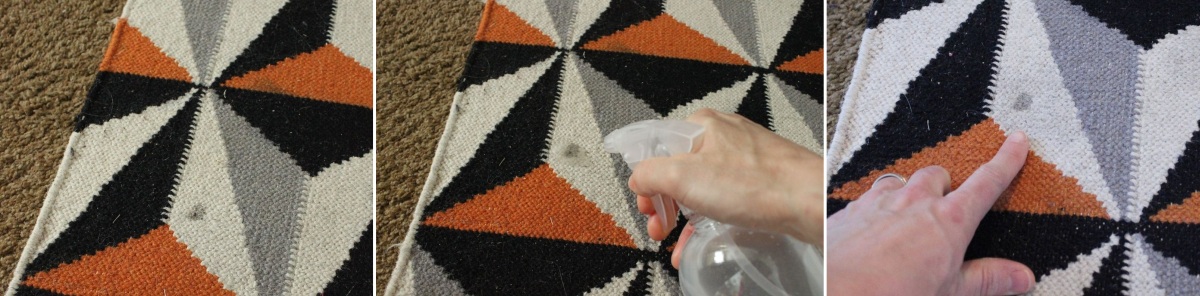
Homeowners frequently turn to common kitchen items like white vinegar, salt, and an empty spray bottle to clean carpets. This DIY approach offers a low-cost alternative to commercial products, utilizing ingredients that are already available in most households.
While this homemade spray is popular, it is important to understand how the vinegar and salt combination interacts with carpet fibers. Experts break down the specific role of each ingredient and offer their professional perspective on the efficacy of this mixture.
What Goes Into the Vinegar and Salt Mixture
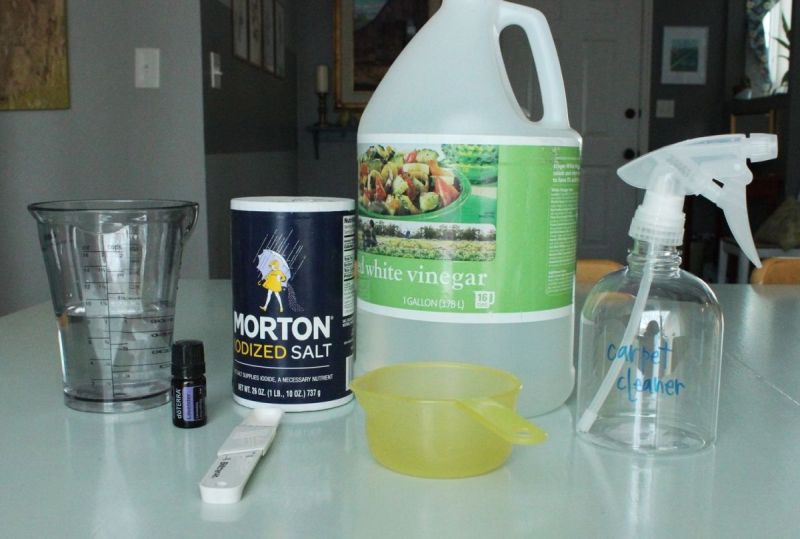
To prepare this solution, you need white vinegar, iodized table salt, water, and lavender essential oil. The process involves using a funnel and a measuring cup to carefully combine these components inside an empty spray bottle.
The vinegar serves as the acidic agent in the mix, while salt is added as a supplementary ingredient. Lavender oil is included primarily for its scent rather than for any documented cleaning power. Water is used to dilute the vinegar before it comes into contact with the carpet.
This preparation differs from baking soda powders because it is a liquid spray designed for spot treatments. It is not intended to be spread as a dry powder across the entire floor surface.
Water Goes Into the Spray Bottle First
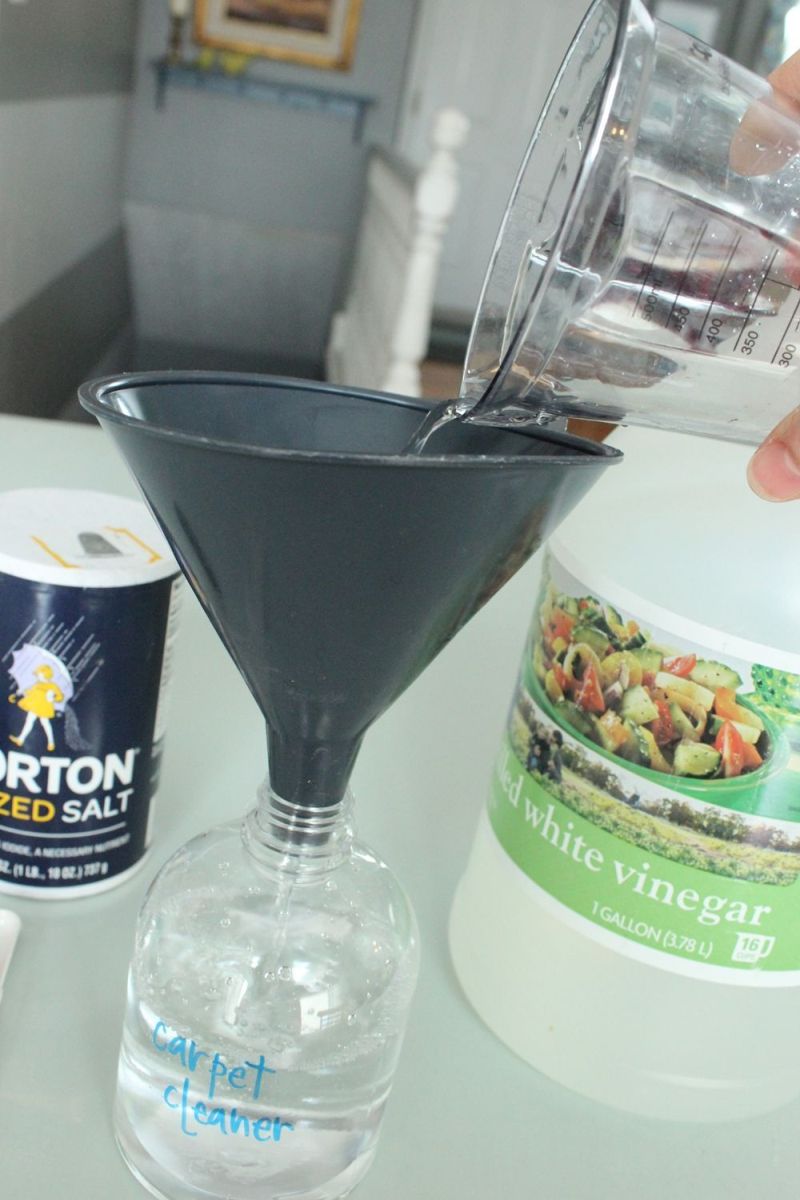
Pouring water from a measuring cup into the bottle is the first step. A funnel is placed in the opening to prevent spills around the narrow neck of the container.
Vinegar is then added to create a diluted solution. While dilution lowers the acidity, the resulting mixture is not universally suitable for every type of carpet material or stain.
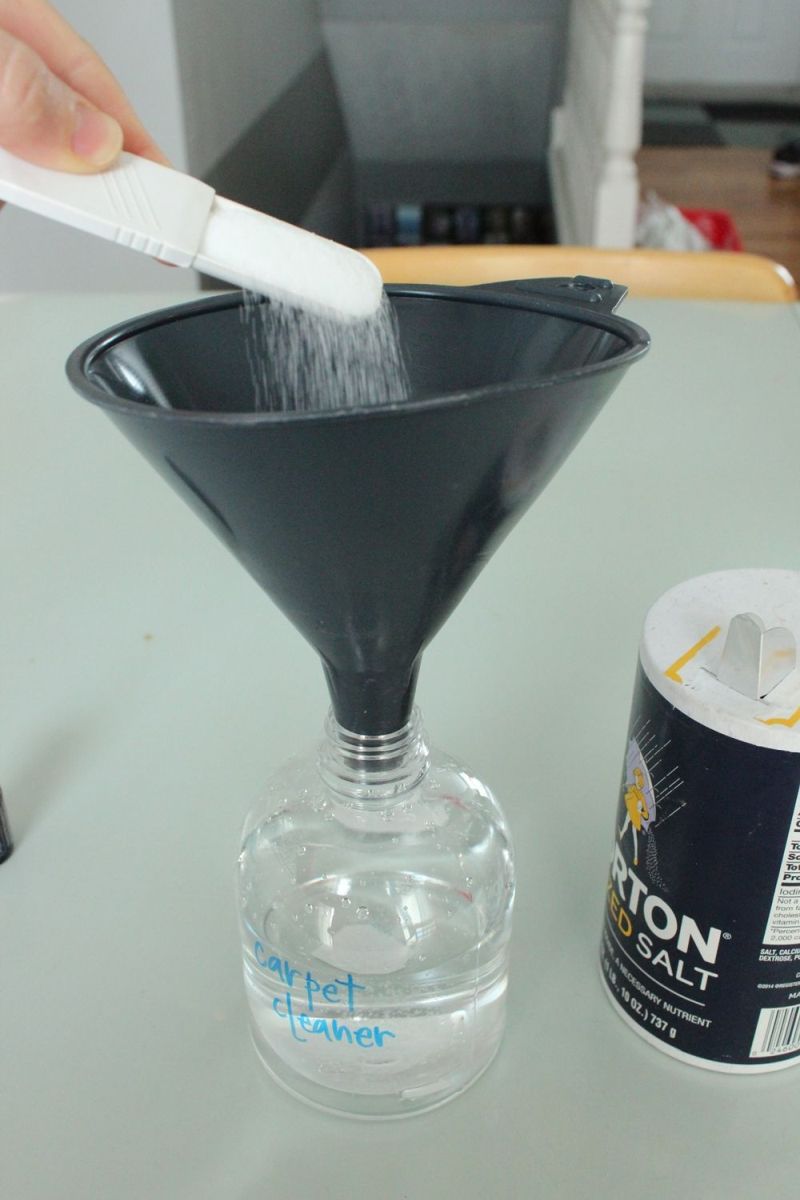
Salt Is Added to the Carpet Cleaner
Table salt is poured into the bottle through the funnel. It is crucial for the salt to fully dissolve in the liquid; otherwise, undissolved grains might settle at the bottom or clog the spray nozzle.
Although salt appears in some homemade stain-removal recipes, there is no established evidence that it enhances the cleaning power of a vinegar spray. If the water evaporates, the dissolved salt can leave behind residue within the carpet fibers.
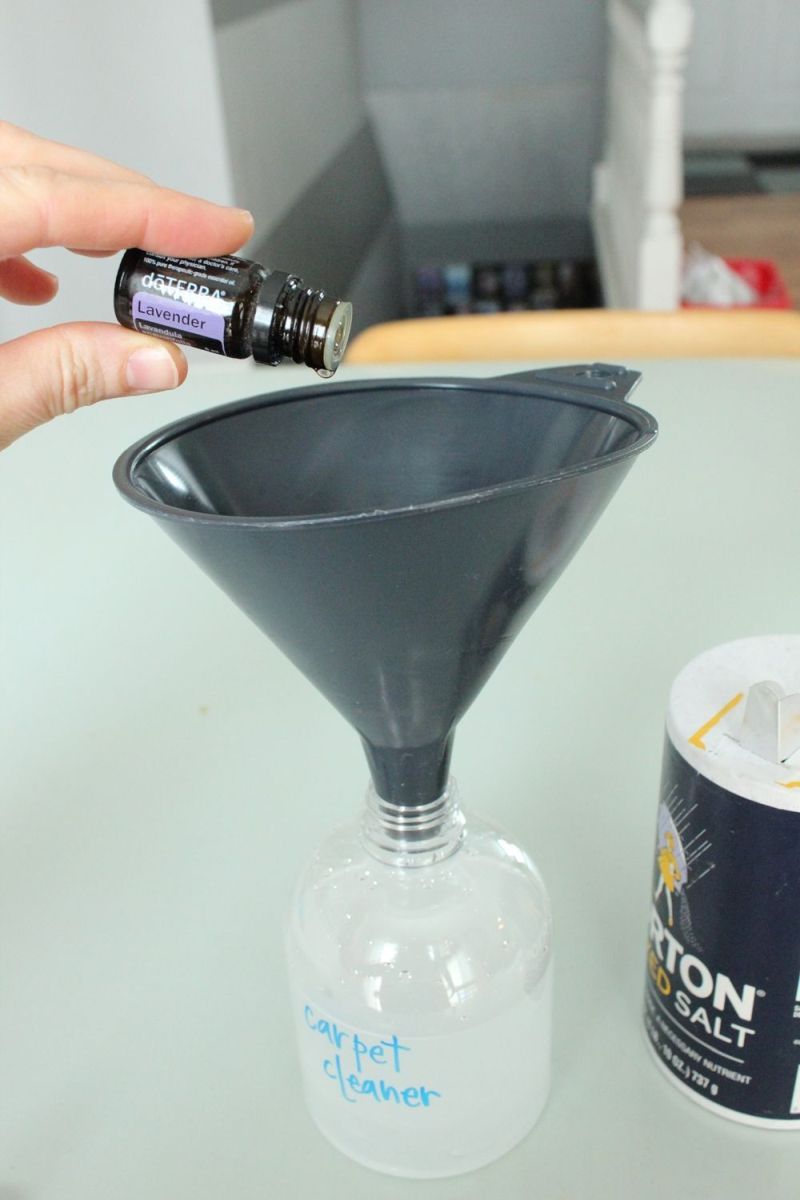
Lavender Oil Adds a Scent to the Mixture
The demonstration adds lavender essential oil in drops from a small bottle. This ingredient is included for fragrance, not for its ability to remove stains.
Essential oils have the potential to leave oily marks on certain fabrics. The ASPCA notes that concentrated essential oils can be hazardous to pets through ingestion, direct contact, or exposure. Omitting lavender oil prevents introducing an additional substance into the carpet environment.
The Ingredients Are Combined in a Spray Bottle
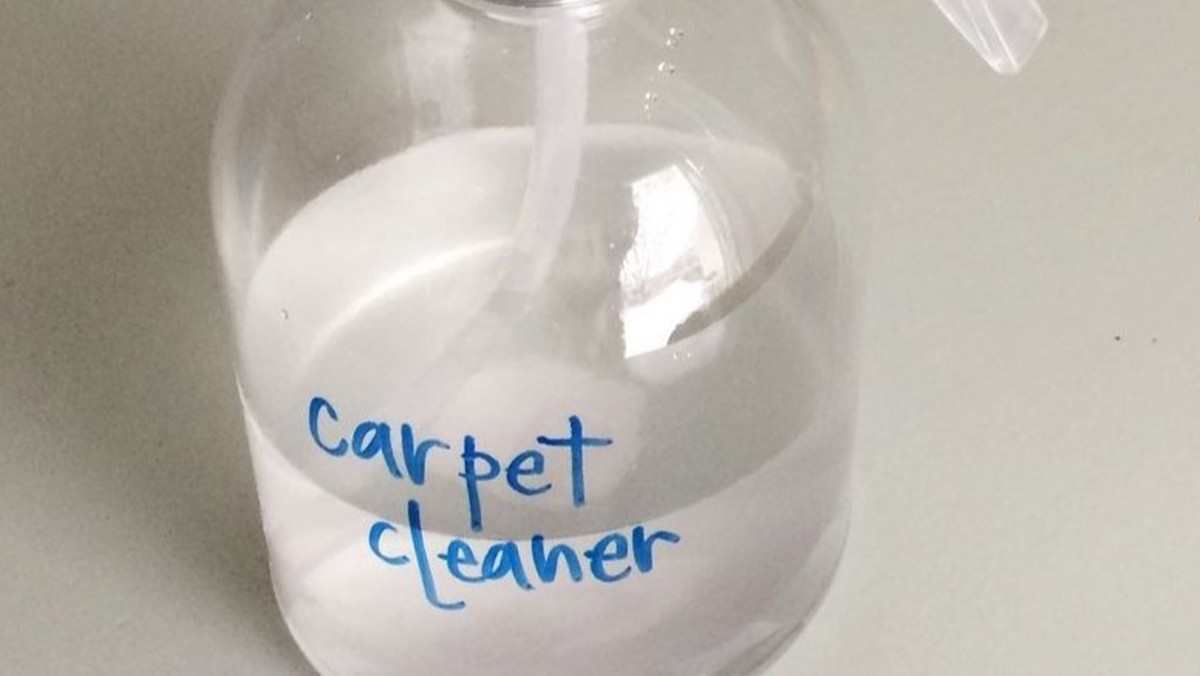
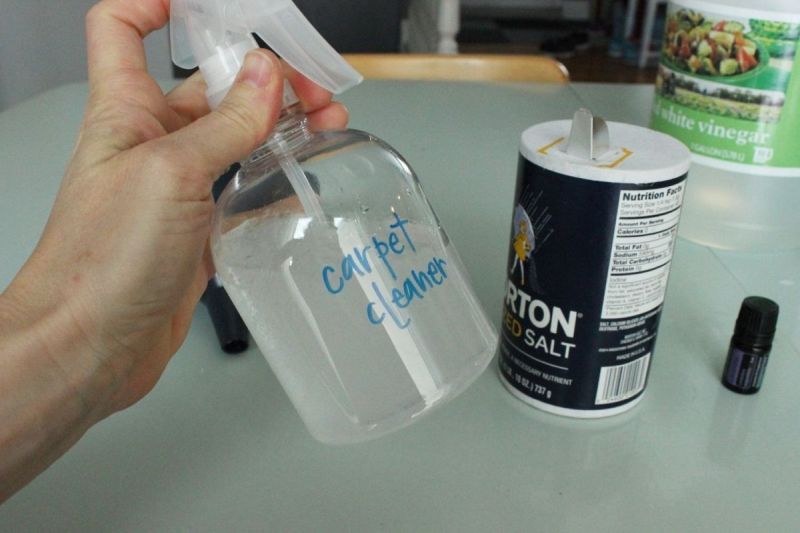
After all ingredients are added, the spray top is secured to the bottle, and the contents are mixed. This allows the finished liquid to be applied via the nozzle rather than being poured directly onto the carpet.
Labeling the bottle helps distinguish this homemade solution from other household cleaners. It is important not to mix this solution with bleach or other cleaning chemicals.
Why Some People Spray Vinegar and Salt on Carpets
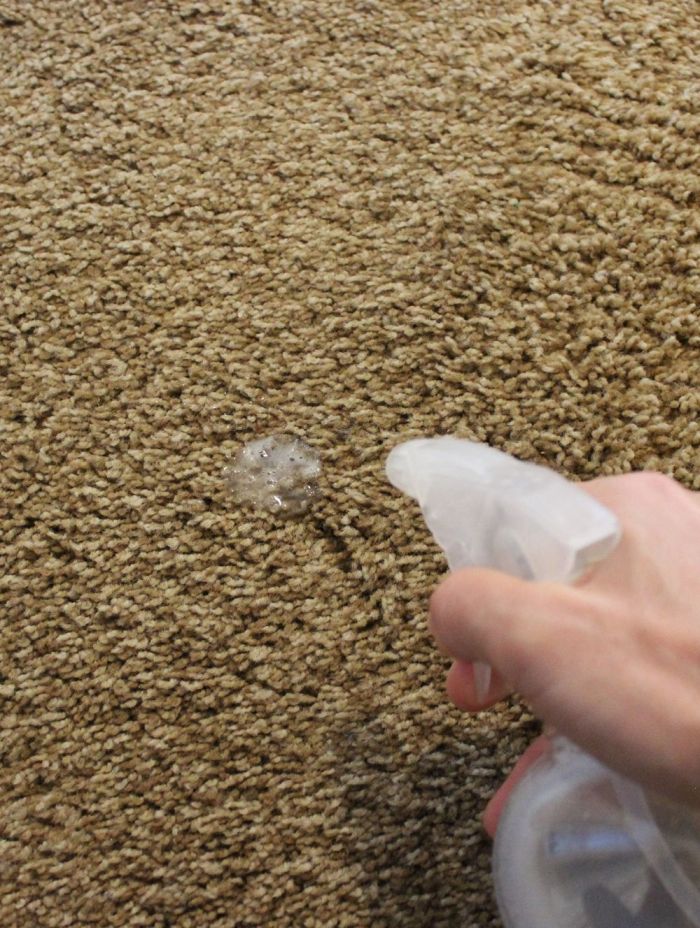
The demonstration shows the mixture being sprayed onto a small section of brown carpet. The goal is to treat a specific, localized area without saturating the surrounding floor.
Diluted vinegar can help remove some residues, but its success varies based on the type of stain and carpet material. Salt does not transform the solution into a proven carpet cleaner, so users should not expect it to remove grease, deep dirt, or set-in stains.
Spraying the carpet is distinct from extracting dirt. Effective cleaning often requires blotting, rinsing, and removing excess moisture to be truly effective.
What to Know Before Spraying Vinegar on Carpet
The Carpet and Rug Institute advises using diluted white vinegar for spot cleaning alkaline residues, recommending a ratio of one part vinegar to two parts water. They also suggest rinsing to remove any leftover solution that might attract dirt.
This guidance does not support the addition of salt or essential oils. Vinegar can damage carpet dyes or fibers, especially natural materials like wool, while salt may leave deposits after the liquid dries.
Consult the carpet manufacturer’s care instructions before applying a homemade mixture. Test an inconspicuous area for color fading or fiber damage, and avoid soaking the carpet backing or padding.
For routine cleaning and stain treatment, products specifically approved for your carpet’s fiber type are more reliable. The vinegar-and-salt mixture is a homemade method and should not replace a tested carpet cleaner.
Would you try a homemade carpet spray or stick with a carpet cleaning product?
The post Mixing White Vinegar With Salt in a Spray Bottle: What It’s For and Why People Recommend It appeared first on Homedit.























































We chase simplicity, mistaking availability for efficacy. Vinegar cleans, but salt merely abrades. We dilute the essence of vinegar with water, seeking convenience over truth. Is this wisdom, or just comfortable ignorance?
A great point! While salt does act as a gentle abrasive, vinegar’s acetic acid is indeed the primary cleaning agent. The water dilutes its potency, but the mix remains effective for many household messes. It’s a practical balance of convenience and cleaning power, even if it isn’t the absolute strongest solution.