
Many homeowners store their mowers in October while the grass remains slightly tall, operating under the assumption that a denser turf will better withstand the cold months. However, when snow melts in March, the yard often reveals matted, grayish patches that require weeks to recover. The issue is not solely the winter itself but rather the height of the grass entering the dormant season. Long blades tend to fold over under snow cover, creating a flattened, damp layer that provides an ideal environment for the fungi responsible for snow mold. Consequently, lawn experts recommend a minor adjustment for the season’s final mowing: lowering the mower deck by just one notch.
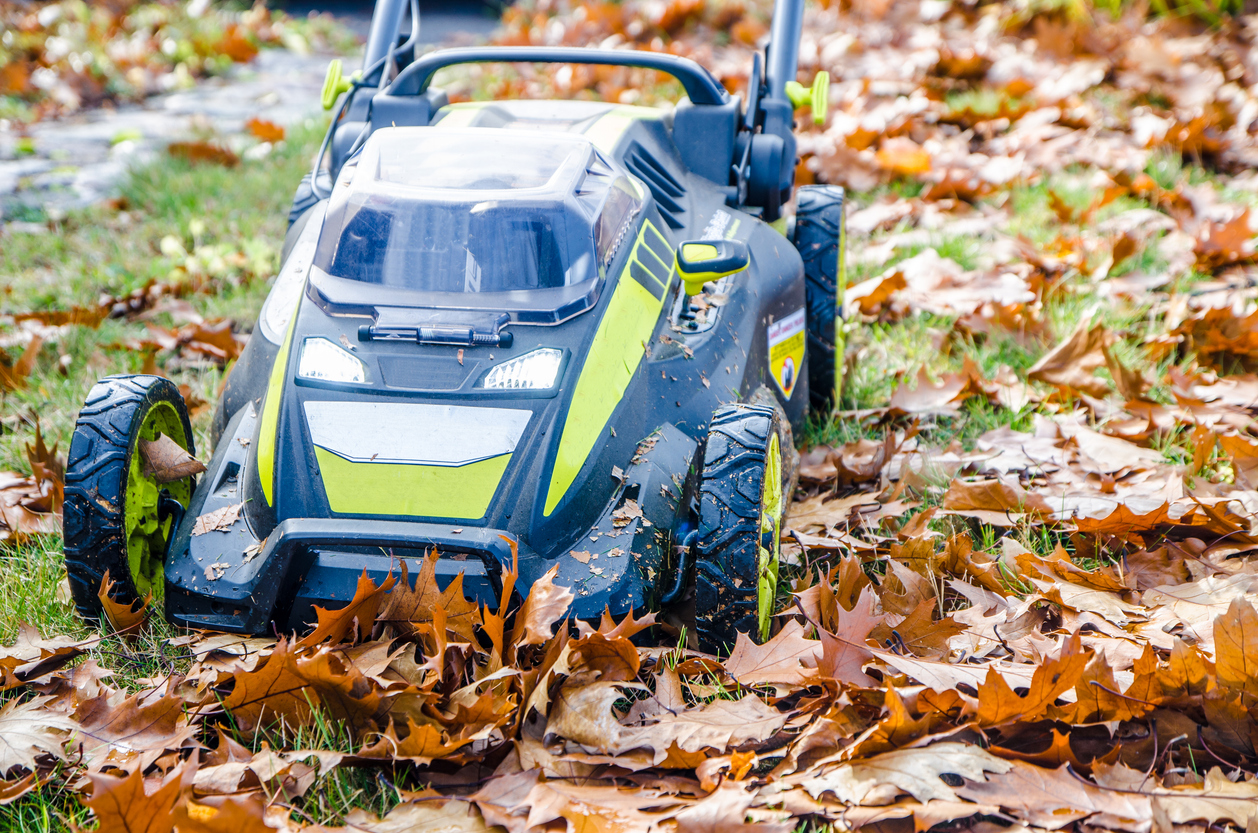
The Conflict Between Tall Grass and Persistent Snow
Snow mold encompasses a group of fungal diseases that thrive in cold weather. Turf specialists at the University of Massachusetts highlight that gray snow mold typically appears in areas where snow cover persists for 45 to 60 days. They note that matted foliage and high humidity within the grass canopy significantly favor its development. Their guidance is straightforward: continue mowing until growth ceases to avoid a tall canopy.
Accumulated debris exacerbates the problem. The University of Illinois Extension identifies excessive debris, such as leaves or straw, as a contributing condition alongside excessive fast-release nitrogen, thatch, shade, and poor drainage. Furthermore, tall grass and leftover vegetation provide cover for voles. The Illinois Extension notes that these rodents create runways beneath the snow as they feed on grass blades and roots.
Timing the Final Cut Correctly
The adjustment is minimal, but the timing is critical:
- Mow until growth stops. The Illinois Extension advises continuing to mow until the grass is completely dormant in the fall.
- Remove leaves first. Rake or mulch leaves to prevent them from matting down with the grass.
- Lower the deck by one notch. An extension expert suggests dropping the mower no more than one notch, which is approximately half an inch, once top growth has essentially ceased.
- Target a height of 2 to 2.5 inches. This is the height recommended by the same expert for the final cut, while the Illinois Extension specifies a final height of about 2 inches.
If snow arrives before you can make that last cut, do not panic. At a minimum, remove leaves from the lawn, as debris is one of the conditions the fungus requires.
For lawns that are mostly thin, worn grass and never look good in spring, some homeowners skip the annual maintenance entirely. One individual replaced most of his lawn with gravel and regraded the yard by hand to ensure rainwater drains toward the street rather than pooling.
When a Shorter Cut Causes More Harm
The recommendation is strictly for one notch. Dropping the deck several notches at once is not part of the expert advice, so resist the urge to cut the lawn very short simply because it is the final mow.
This advice applies to cool-season lawns in regions with lasting snow cover. If your grass type or climate differs, your county extension office can provide guidance on the appropriate height for your lawn entering winter.
Monitor your fertilizer usage as well. The Illinois Extension recommends slow-release or controlled-release nitrogen rather than fast-release products, which can contribute to snow mold. If patches do appear, University of Massachusetts specialists note that regrowth usually originates from the plant crowns, while the leaves are typically the parts killed.
Lower the deck one notch, make one last pass, and the lawn enters winter ready. That is the trick.
Source: Homedit.


















































This is fascinating! I never realized how much matting contributes to fungal growth. Does the one-notch reduction apply universally, or does it vary based on specific grass types? I’d love to know more about the ideal final height for cool-season turf.
Great question! While the principle applies broadly, ideal heights vary. For cool-season turf, aim to reduce the cut by no more than one-third of the blade’s total height. Typically, setting your mower to around 2.5 inches prevents matting without stressing the grass, keeping snow mold at bay effectively.