
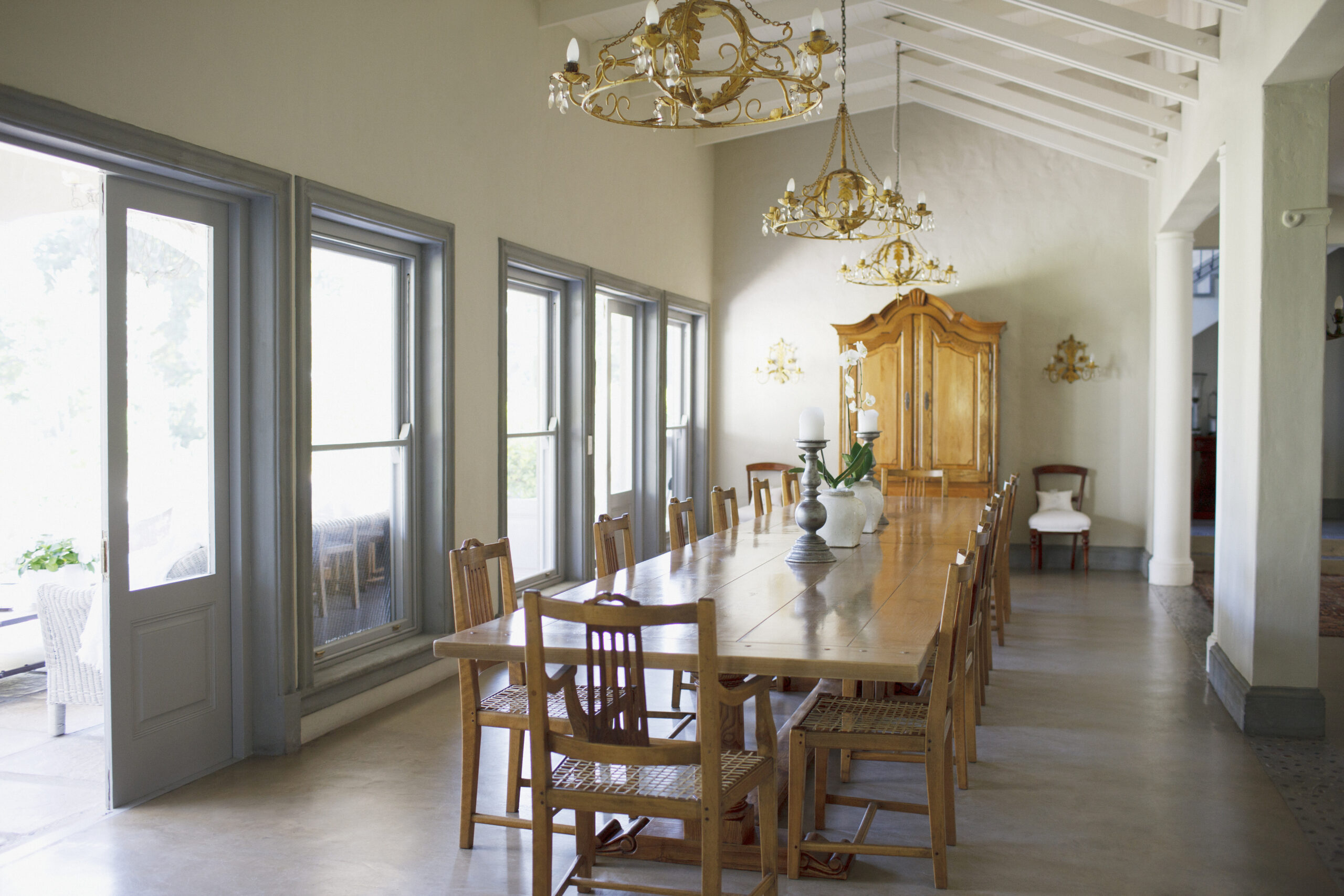
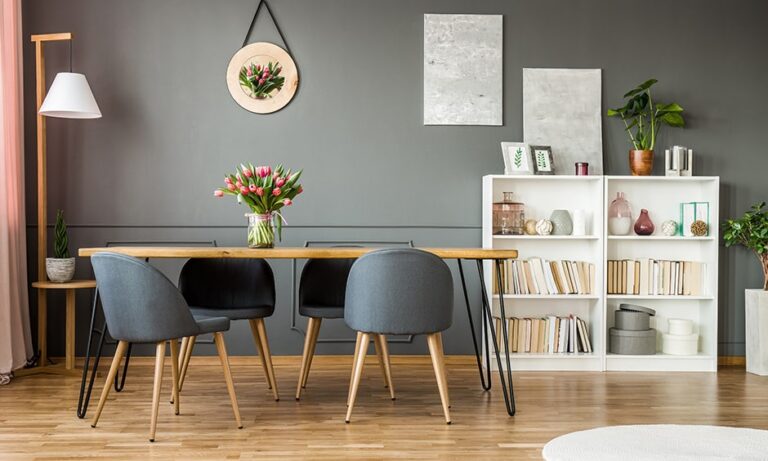
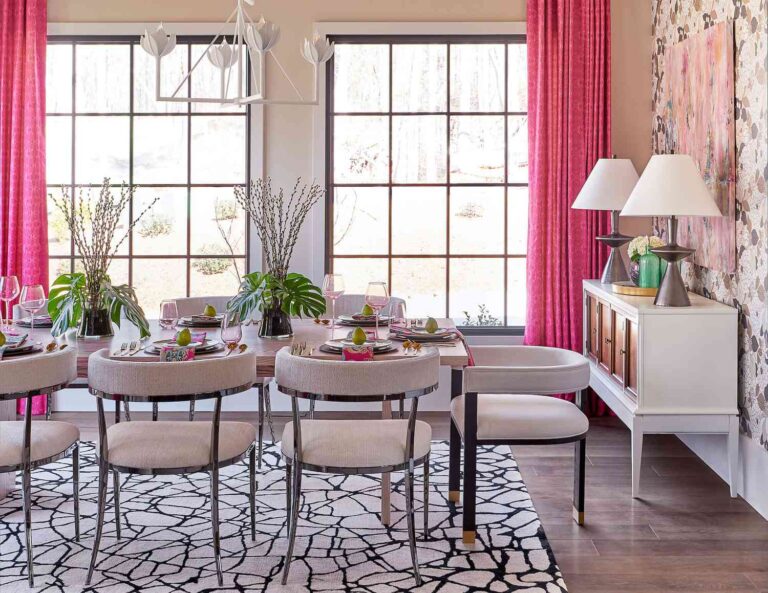
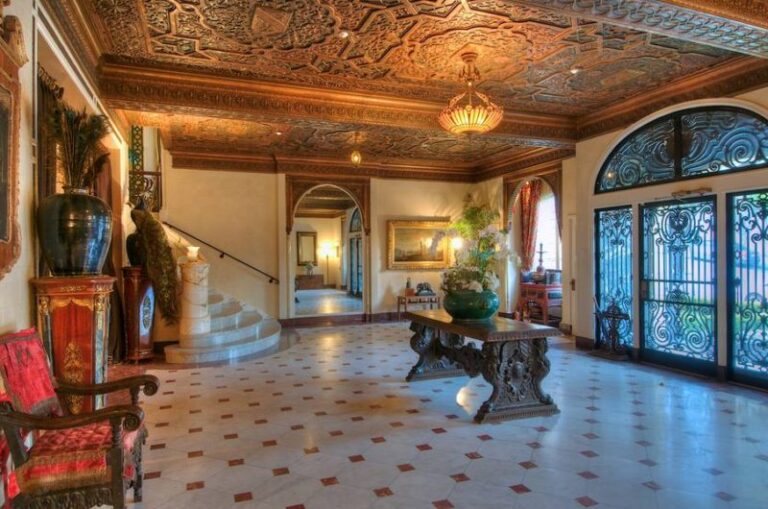
That eight-seat table sees action perhaps three times annually. For the remainder of the year, it serves as a landing spot for mail, laptops, and unfolded laundry. During holidays, the leaf extends and chairs are polished, but silence returns to the room until the next celebration.
Your home’s layout isn’t flawed if this scenario resonates. New construction is adapting to this reality. According to a 2025 survey conducted by John Burns Research and Consulting alongside Pro Builder, nearly 80% of designers noted that dining rooms lost significance in new communities over the previous year. "Formal dining rooms have almost been eliminated from our design vocabulary," said Kelly A. Scibona of Stanley Martin Homes.
Why builders are cutting this room first
Cost is the primary driver. A median-priced new home, priced at $459,826, exceeds the budget for approximately 75% of American households, based on a February 2025 analysis by the National Association of Home Builders. To address this, builders are reducing square footage. Data from the Census Bureau indicates that the median new single-family home finished in 2025 spanned 2,142 square feet. Home sizes have generally shrunk since 2015 as affordability challenges intensified.
When each square foot must justify its existence, a room that remains vacant for most of the week becomes the easiest sacrifice. "Designers are trying to figure out how to fit the same amount of function into a smaller footprint," said Maegan Sherlock of John Burns’ New Home Trends Institute.
What new floor plans are adding instead
Dining rooms are not vanishing entirely; they are merging with the rest of the living space. This is where that square footage is being redirected:
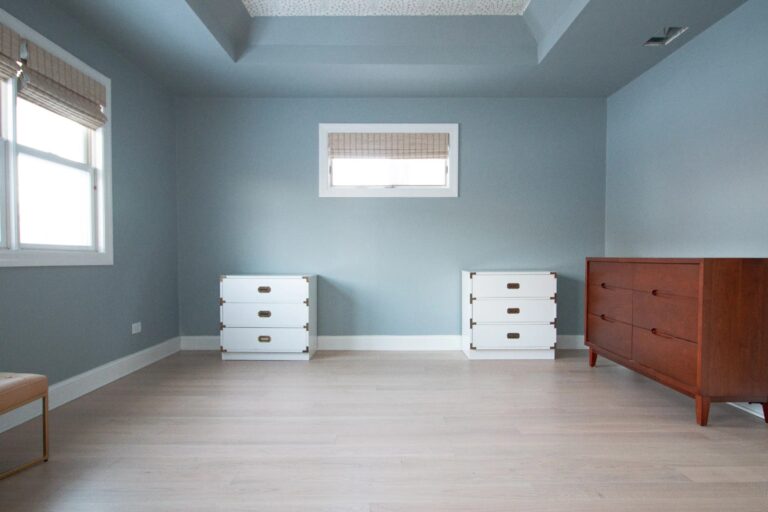
Flex rooms. Builders are replacing dedicated dining spaces with versatile rooms that function as home offices or guest bedrooms based on the household’s current needs.
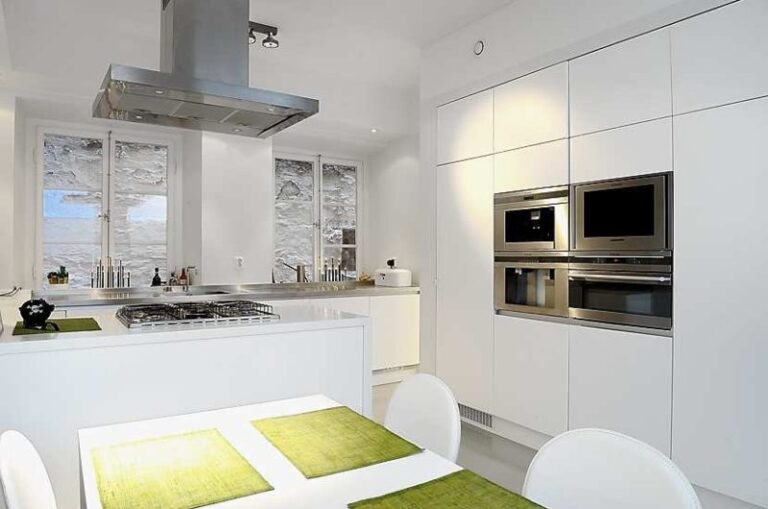
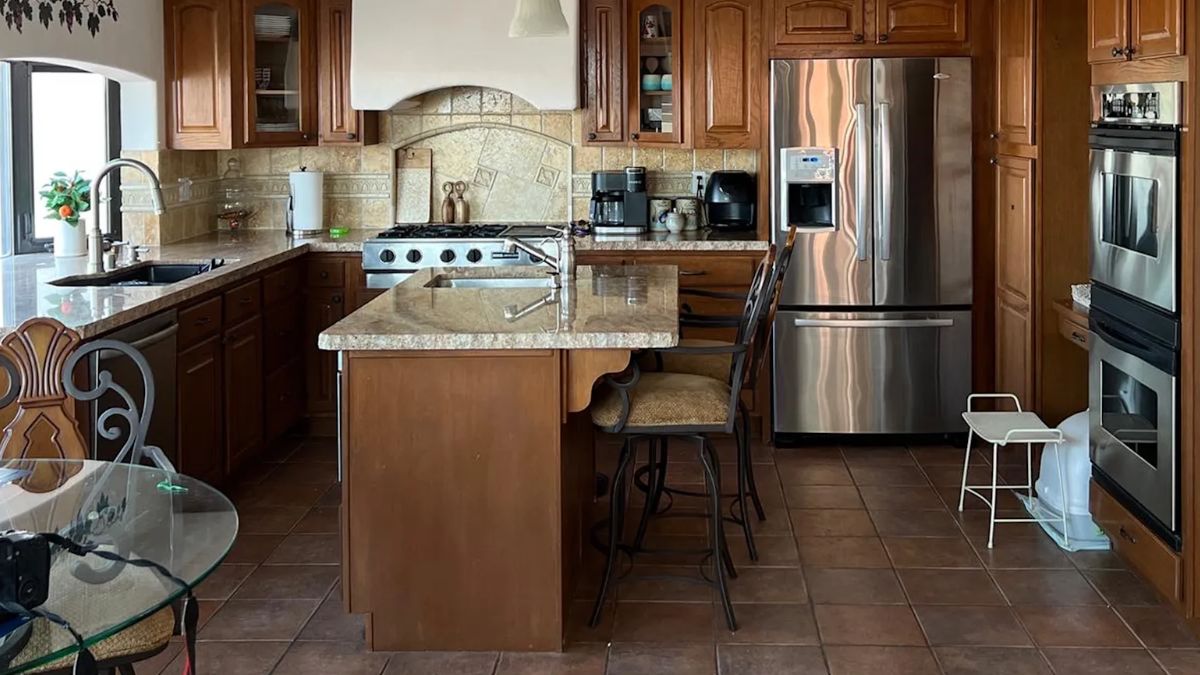
Expanded kitchen islands. Kitchens are gaining more space or larger islands, allowing daily meals to occur in the same area where cooking takes place.
Integrated kitchen dining. An earlier survey by the same institute revealed that designers are blending dining areas into kitchens. In smaller residences, the island often serves as the sole dining spot.
Existing homes can adopt this strategy without demolition. A formal dining room featuring quality windows and trim is frequently the easiest space to repurpose. For instance, the owner of a 100-year-old condo converted her dining room into a guest suite by installing a queen Murphy bed within built-in cabinetry. The space still functions as a dining area when the bed is stowed.
Before you give up your own dining room
This transition varies by region. Dining rooms may persist in areas like the Southeast, where buyers "still value formal dining where it fits," according to Brian D. Miller of the architecture firm Danielian Associates.
Consider your actual hosting habits. With Thanksgiving falling on November 26, the practical question is where everyone will sit. If your honest answer involves a folding table stored in the garage for most of the year, relinquishing the formal room incurs minimal cost. However, if you host large dinners multiple times annually, a flex room with an expandable table might serve you better than a dedicated office.
If your renovation plan involves removing a wall to connect the dining room to the kitchen, have a professional verify whether that wall is load-bearing before demolition begins. Additionally, consult your local building department to determine if a permit is required.
Retain the table, and allow the room to justify its existence throughout the rest of the year.
The post Goodbye to the formal dining room: what more and more new homes are building instead appeared first on Homedit.















So we pay a mortgage to own a room that functions as a coat rack with a view. Because nothing says luxury like paying extra for silence and dust.
Haha, spot on! It’s definitely a shift toward open, multifunctional spaces. But for those who love hosting, that formal room still offers a unique sense of occasion and separation from the chaos. It’s less about utility and more about tradition for some.