
While solid cabinet doors excel at concealing dishes, glassware, and general clutter, this strength becomes a limitation in kitchens dominated by extensive cabinetry. The uniformity of closed doors often eliminates opportunities for visual display.
Designers are turning to glass-fronted units as an alternative to removing doors entirely for open shelving. This approach allows selected storage zones to be visible while keeping items enclosed. Clear panels can showcase dinnerware, whereas textured glass combined with lighting alters the visual impact of a storage wall.
This trend extends beyond standard upper cabinets. Glass doors are now being integrated into kitchen islands, full-height storage walls, and base cabinets under countertops. The strategic placement of these doors is just as critical as the specific glass type selected.
Glass Doors Break Up Walls of Solid Cabinetry
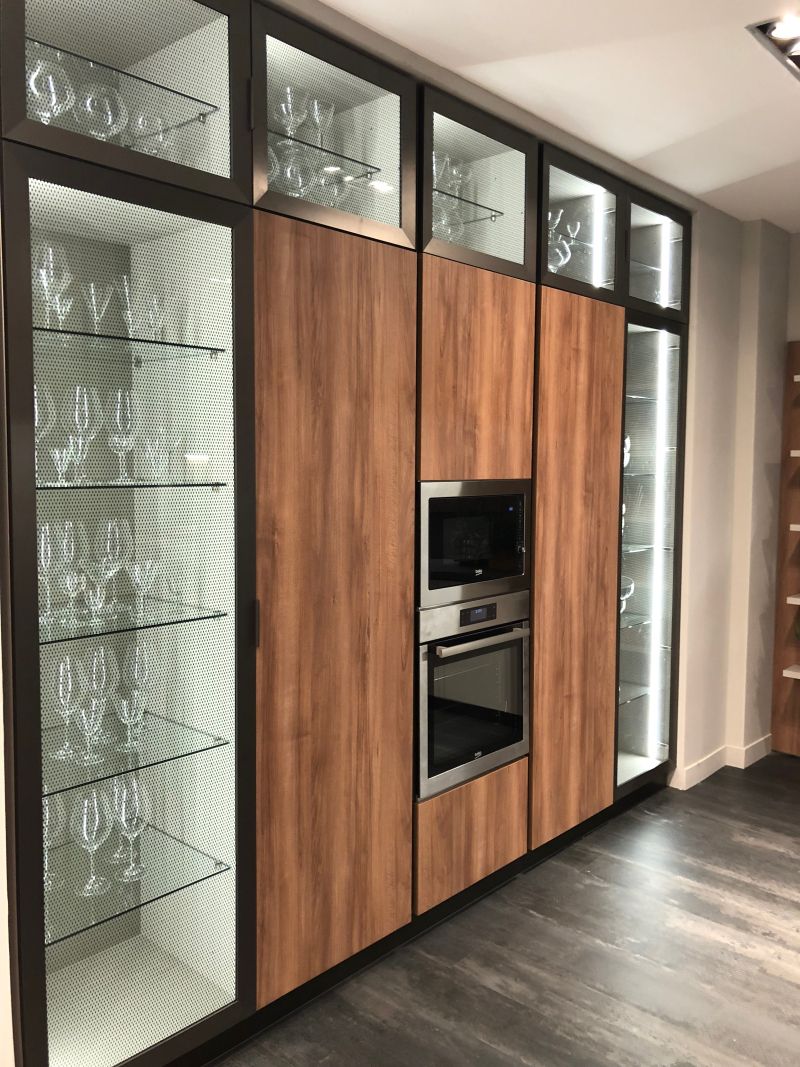
In one design, floor-to-ceiling walnut cabinetry wraps around a built-in oven and microwave. Illuminated glass display cases are positioned at both ends, while additional glazed compartments across the top hold rows of drinking glasses.
This design choice prevents the wall from appearing as a monolithic block of wood. By incorporating glass shelves and internal lighting, designers create distinct display zones without losing the benefit of enclosed storage in the surrounding areas.
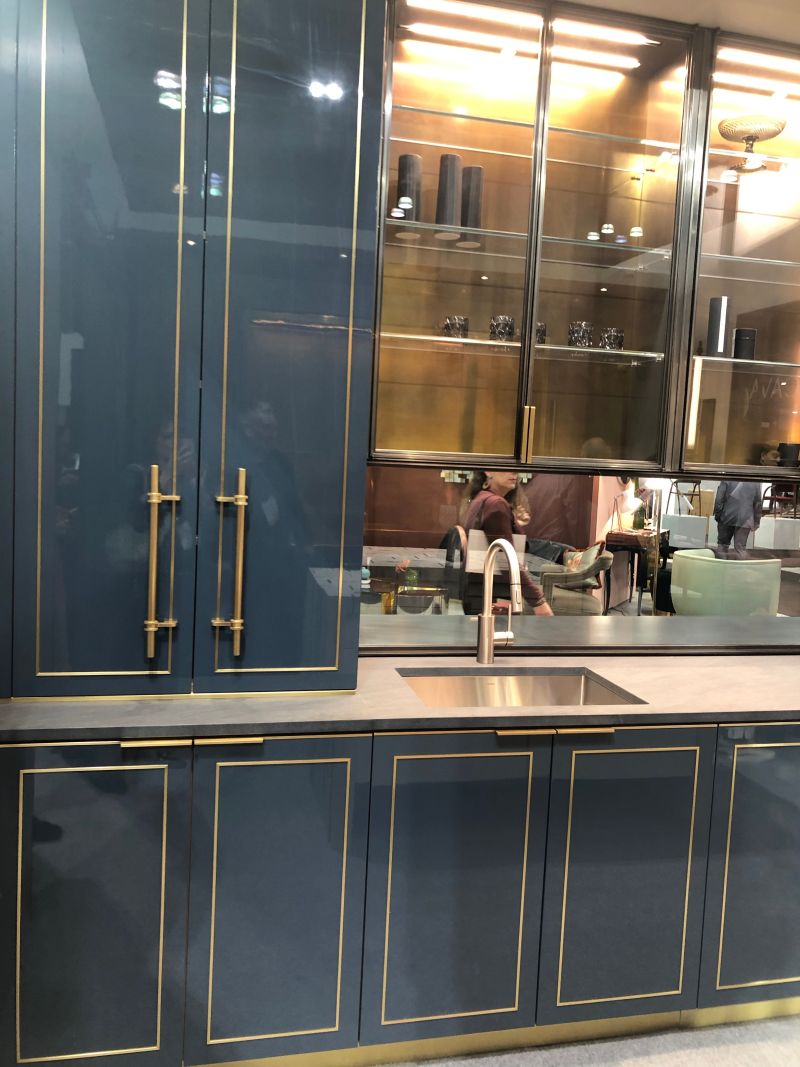
A different aesthetic is achieved with dark blue cabinetry. Solid doors are accented with thin gold outlines, while an adjacent glass cabinet features a dark metal frame and illuminated shelves.
In this setup, the stored items become integral to the room's design rather than vanishing behind uniform cabinet fronts.
Kitchen Islands Are Becoming Display Cabinets
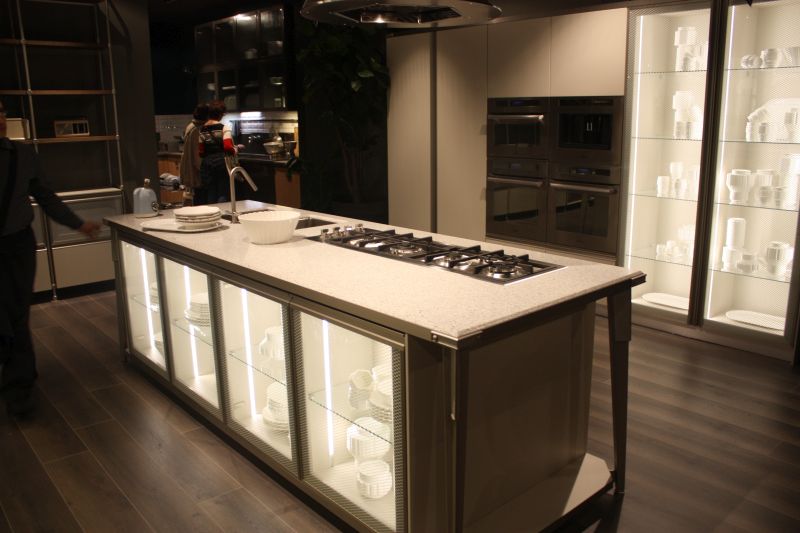
Rather than using solid doors for the entire island, this kitchen features illuminated glass panels on the side facing the room. White dishes are displayed on glass shelves beneath a worktop that houses a gas hob and sink.
This island design fulfills dual functions: it provides a surface for cooking and food preparation above, while offering enclosed display storage below.
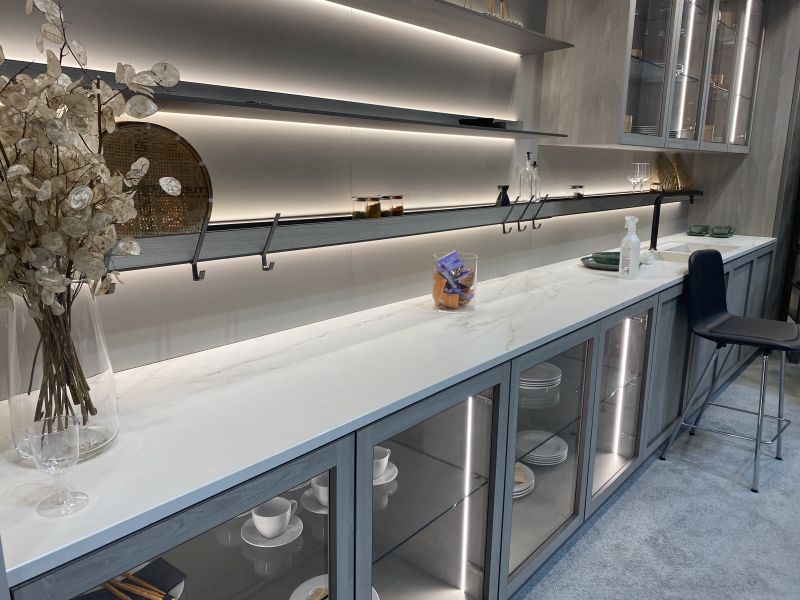
A long counter utilizes glass-front base cabinets to store cups, plates, and serving pieces. Vertical lighting highlights the compartments, and slim wall shelves are installed above the white worktop.
This configuration provides visible storage without leaving dishes fully exposed to the air. Additionally, glass doors help minimize the accumulation of dust and grease on kitchenware that would otherwise be uncovered.
Textured Glass Hides Part of What’s Inside
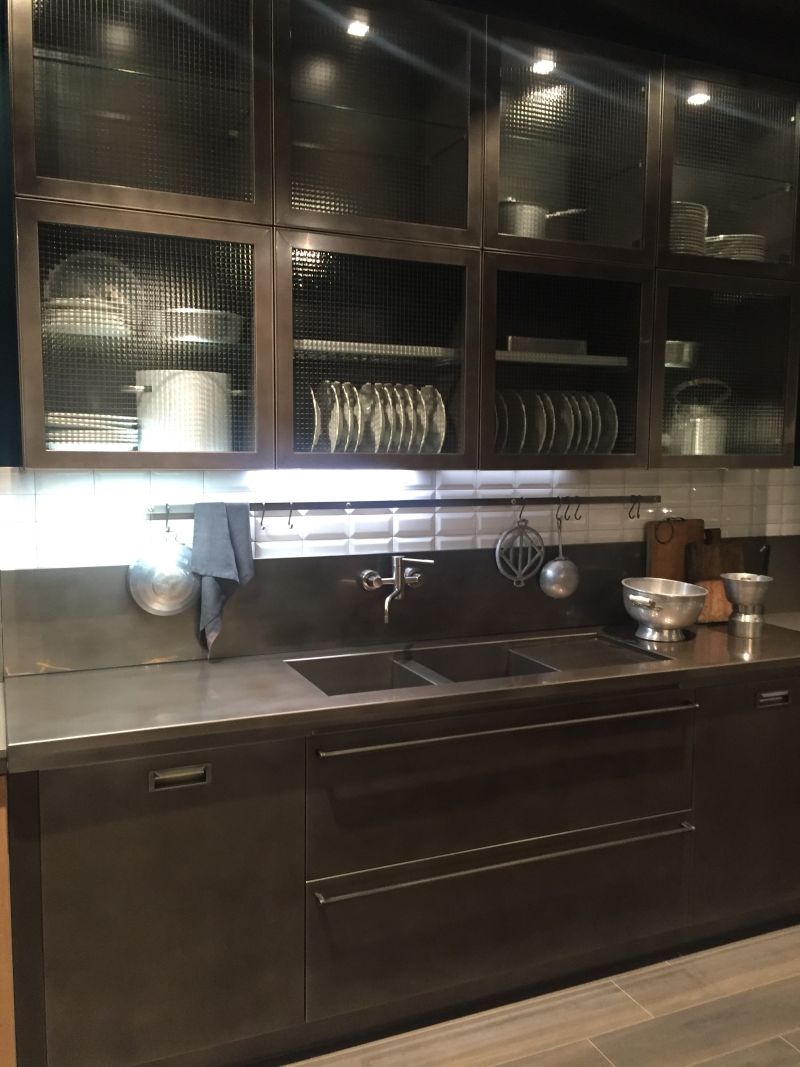
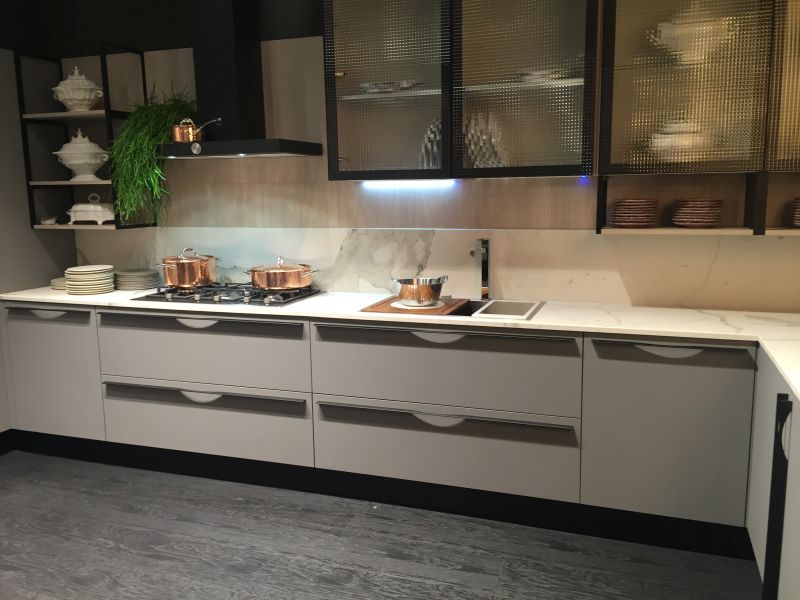
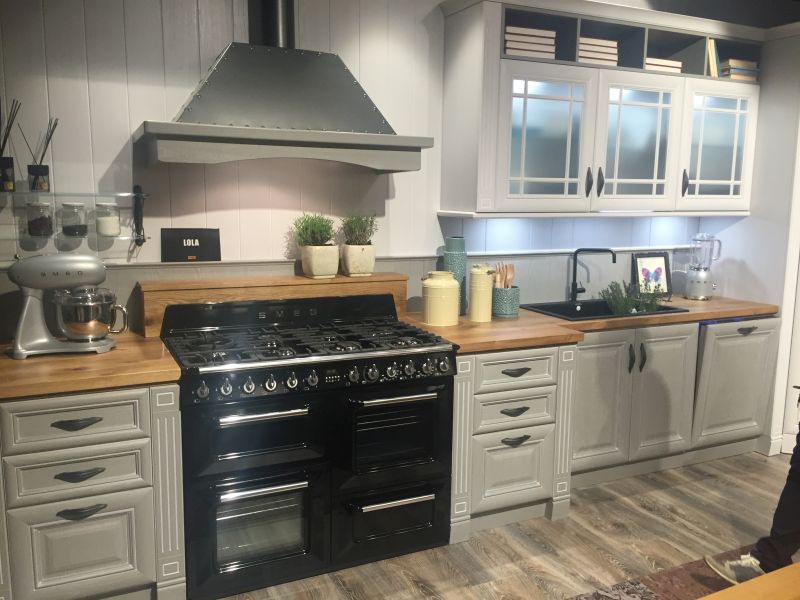
Cabinets with dark metal frames employ patterned glass for upper storage. The grid-like texture of the glass softens the visibility of the dishes while still maintaining the structural outline of the shelves.
Unlike clear glass, which reveals every item in sharp detail, these patterned panels obscure specific objects, offering a more subdued view.
Another kitchen combines dark metal cabinetry with textured glass above a stainless steel worktop and sink. Plates remain visible through the glazing, while a rail beneath the cabinets stores cooking tools.
Here, pale lower cabinets contrast with dark upper units that feature textured glass. The design incorporates white stone surfaces, wood wall panels, and open display shelves, allowing for varied materials without requiring uniform cabinet fronts.
Options like frosted, reeded, and patterned glass provide varying levels of visual screening. These styles are ideal for homeowners who wish to glimpse their contents without fully exposing the interior of the cabinet.
Interior Lighting Makes Glass Cabinets Part of the Room
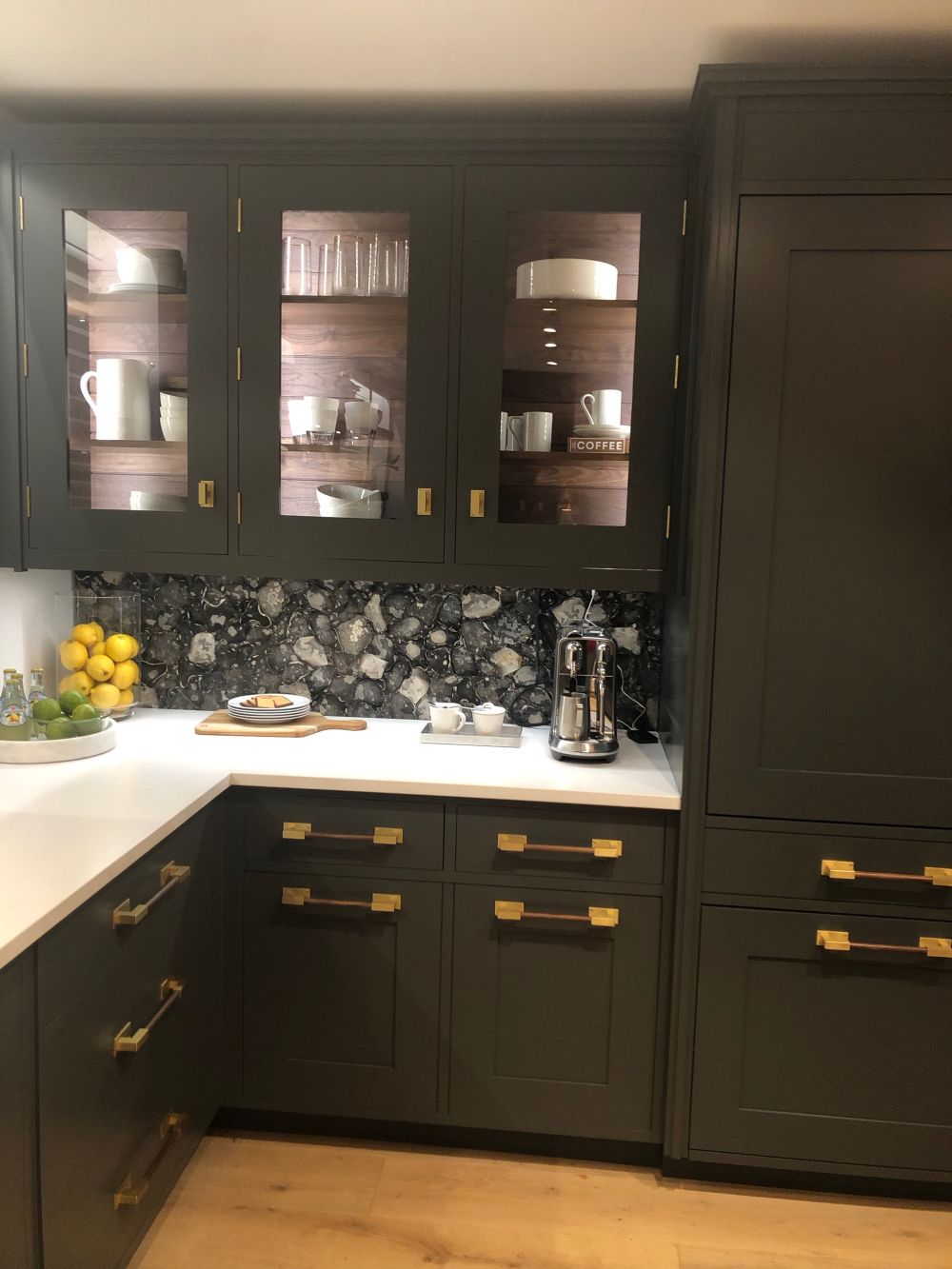
Dark-framed glass doors reveal wood-lined shelves holding white dishes and glassware. Integrated lighting highlights the warm wood interior, creating a striking contrast against the dark exterior of the cabinet.
A full-height display section in this kitchen utilizes glass shelves, tall illuminated compartments, and glass-front storage adjacent to solid doors. Light travels through the shelving units rather than being blocked by a closed wood panel.
Lighting is most effective when it highlights objects intended for display. Items such as glassware, serving bowls, and ceramics can remain visible even after the main kitchen lights are turned off.
Traditional Kitchens Can Use Glass Without Losing Their Character
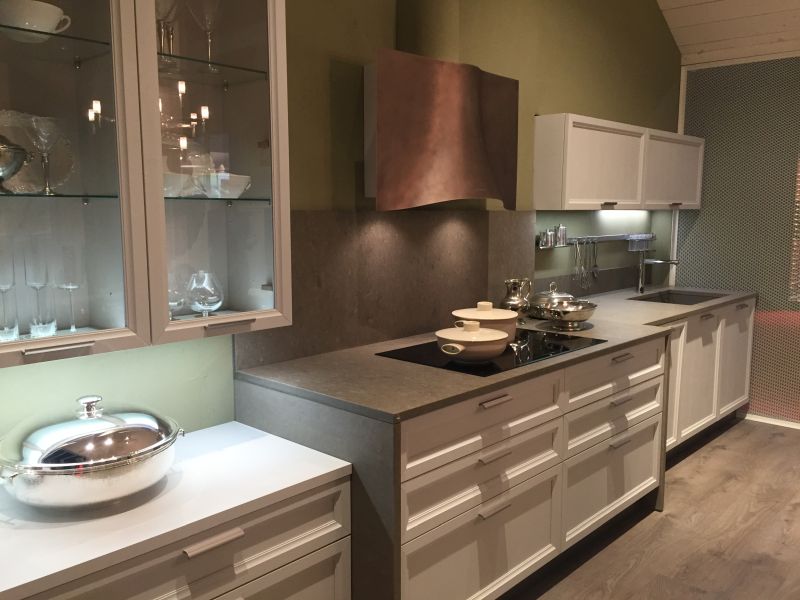
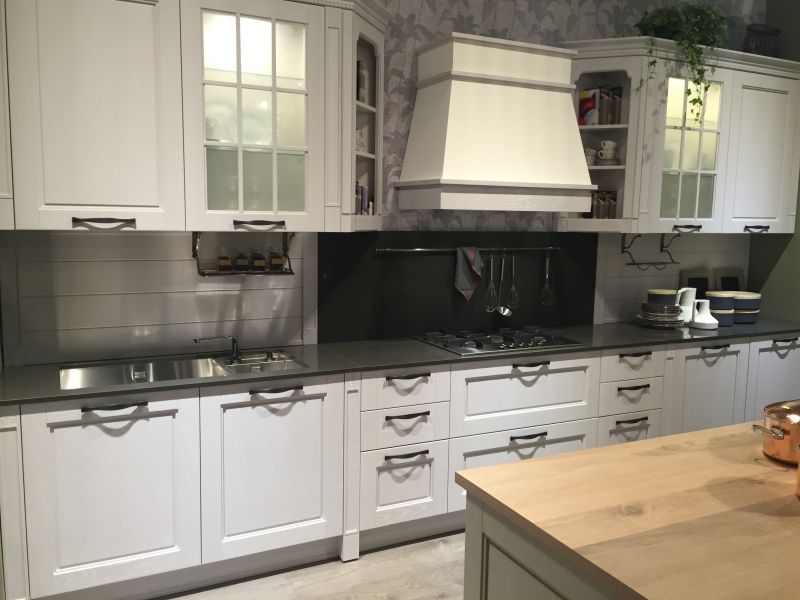
White framed cabinet doors with divided glass panes are installed next to a broad decorative range hood. The glazed sections display plates and glassware, while the surrounding solid cabinets hide other kitchen essentials.
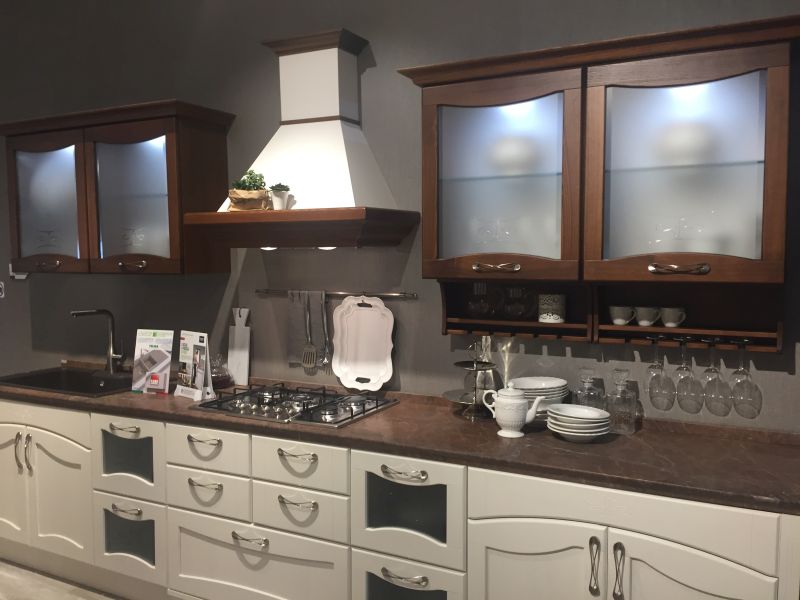
Curved wooden frames and frosted glass give these upper cupboards a distinct look compared to the cream lower doors. The space between them is occupied by a dark countertop, a wall-mounted utensil rail, and hanging wine glasses.
Glass doors do not necessitate slim metal frames or a modern aesthetic. Traditional moldings, curved fronts, and decorative handles can remain intact while the door material is changed to glass.
Would you replace some of your solid kitchen cabinet doors with glass, or keep your storage hidden? I prefer a mix of both.
The post Glass Kitchen Cabinet Doors Are Making a Comeback: What They Offer That Solid Doors Can’t appeared first on Homedit.









Love this insight! Glass doors truly break up heavy cabinetry while keeping clutter hidden. It’s the perfect compromise between open shelving and solid doors. Great choice highlighting this elegant design trend.
Thank you! You nailed it. That balance of visual lightness and hidden storage is exactly why glass is having such a strong moment right now. Glad you enjoyed the piece!