
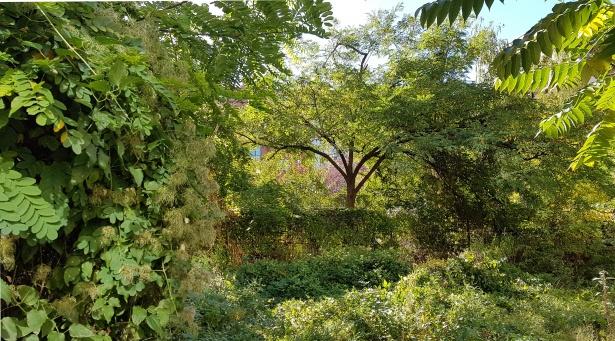
When James and Chrystal McGuire moved to Highland Park, Illinois, in 2020, they wanted their yard to provide food and shelter for wildlife. James had been watching birds since college. Four years into the project, he wrote for the Chicago Botanic Garden that the couple had planted more than 130 species native to northern Illinois and recorded more than 100 bird species. The counts describe plant diversity and bird observations on that property over time.
Planning before planting
The couple found that many nurseries carried few of the plants they wanted. They looked to specialist online sellers and the Illinois Native Plant Society’s sales, usually held from March through June. They also sought advice from master gardeners and horticulture specialists via the Chicago Botanic Garden’s Plant Information Services.
James emphasized the design of the planting. He took inspiration from Piet Oudolf’s work at the Lurie Garden in Chicago and on New York’s High Line. Plants of different heights, shapes and bloom times gave the couple a way to vary the garden across the seasons and suit different light conditions.
Building a garden in layers
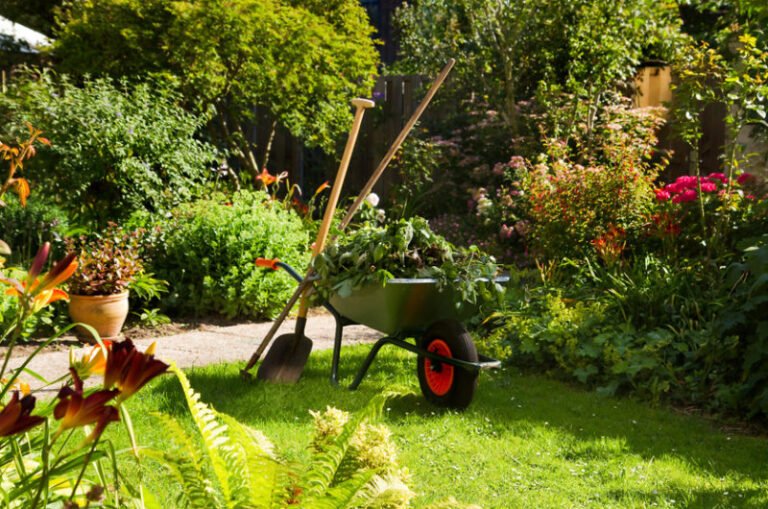
The McGuires used lower grasses and sedges such as little bluestem, Pennsylvania sedge and prairie dropseed. Wildflowers included prairie smoke, wild columbine, butterfly milkweed and purple coneflower. Above those plants, shrubs such as serviceberry, winterberry and red osier dogwood create a different layer. Eastern redbud and pagoda dogwood are among the trees James listed.
In a separate example, native plants replaced pachysandra and English ivy around stone paths. Growth filled gaps there after about 18 months. That example offers another way to think about planting beneath trees.
What the family recorded
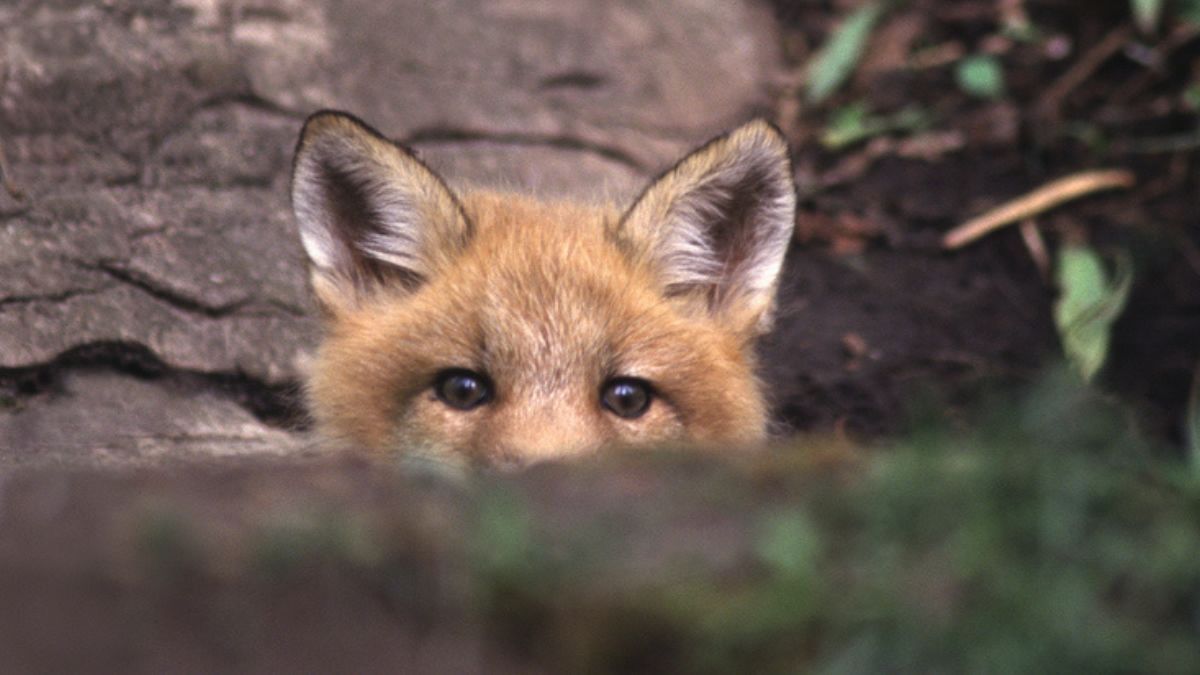
James reported dozens of bee and butterfly species and said the yard provided a stopover for migrating birds. The family also saw foxes, chipmunks and other mammals. The National Wildlife Federation and Openlands certified the garden as habitat. The federation suggests aiming for at least 70 percent native plants and including water for wildlife.
The McGuires’ account does not give a lawn removal method, a cost or a maintenance schedule. For a smaller first step, choose one bed and ask a local extension office or native plant society what suits the site. Check local rules and call 811 before digging. The McGuire yard is an example of what one family observed after several years, and the same mix of plants will suit some places better than others.
Firsthand account: James McGuire, Chicago Botanic Garden.
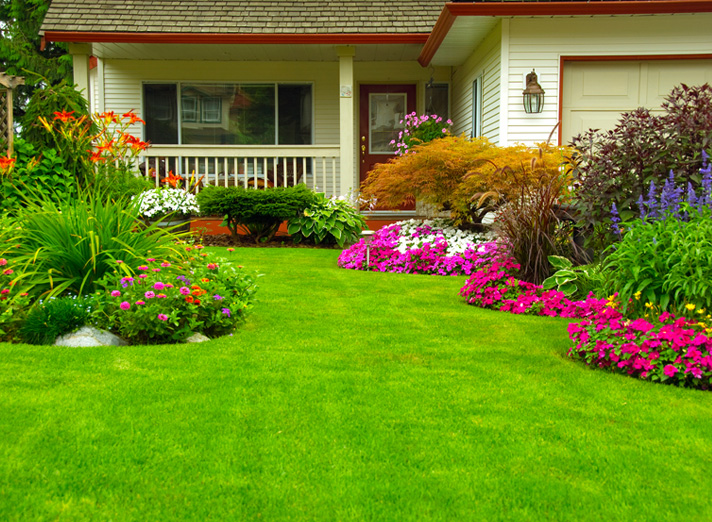
Mixed planting also changes what is visible at different times of the year. Among the flowers James lists are blue flag iris, bottle gentian and black-eyed Susan. Their variety was intentional: the McGuires chose plants with different flowering seasons and matched their choices to available sunlight. The grasses and sedges bring another texture even where flowers are not the main feature.
James says the garden prompted questions about native plants from neighbors. Plant sales and advice from horticulture specialists helped the family get started, while the plantings at the public gardens gave them examples of how to combine plants. For someone beginning with only a strip along a fence, those same kinds of advice can help narrow the choice to plants suitable for that particular site.
Source: Homedit.























I’m fascinated by the layering technique! Did the specific height variations help attract more bird species, or was it the nectar sources that made the biggest difference?
Hi there! While height variation provides essential nesting habitats, the nectar sources were truly the star. Native blooms like coneflower and bee balm attracted a wider variety of pollinators and birds. The structure supports them, but the flowers feed them!