
The wallpaper came off a Victorian bedroom to reveal a patchwork of lime plaster and previous repairs. Rather than skim the entire room, the owners decided to fill the damage and keep the texture that was already there.
 @thenatural.home
Terracotta became the basis for the new scheme. Wall repairs were only one part of a broader job that also brought the old boards and fireplace back into use.
The renovation was shared by @thenatural.home. The couple brushed on two closely related clay paints from COAT Paints to give the walls variations in tone.
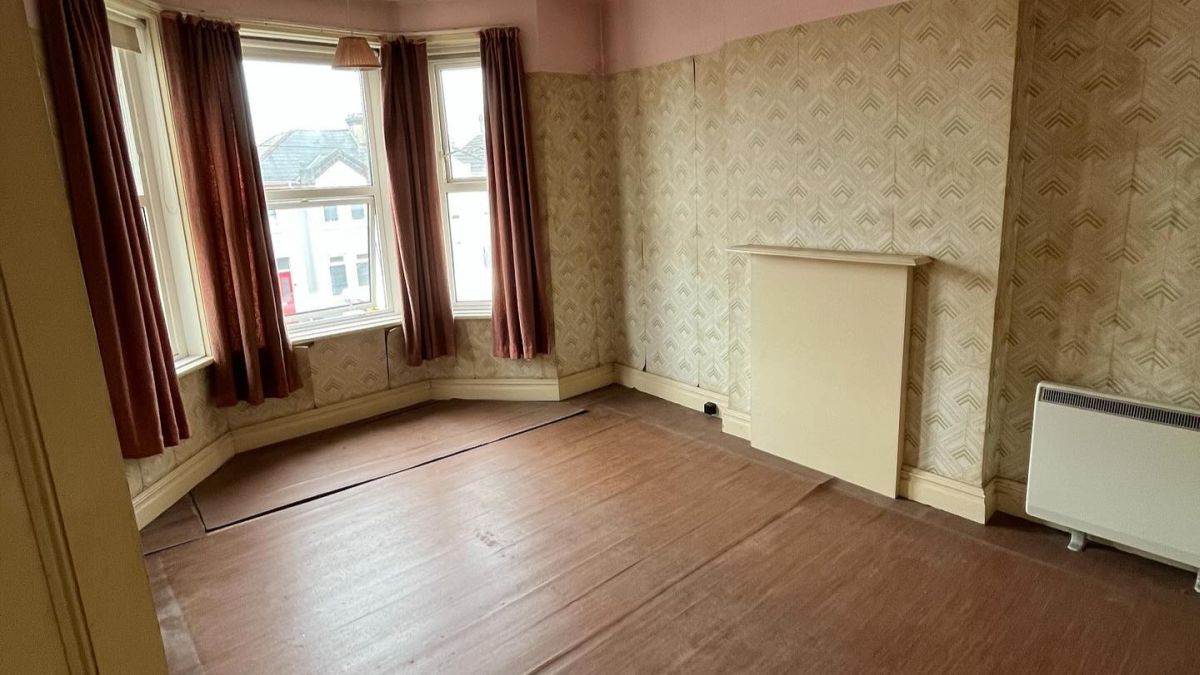
The Bedroom Had Patterned Wallpaper and Flooring Covering the Wood
 @thenatural.home
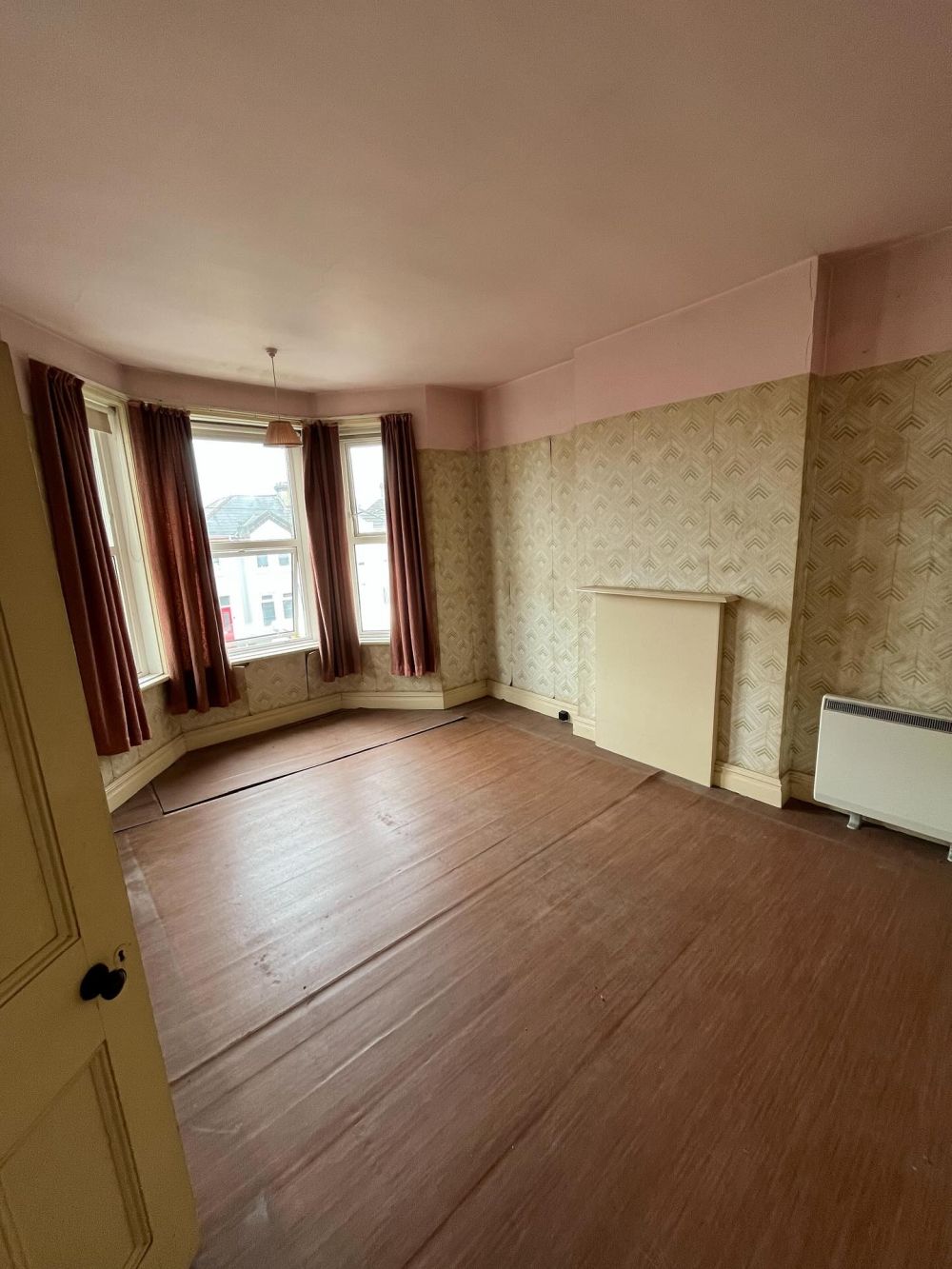
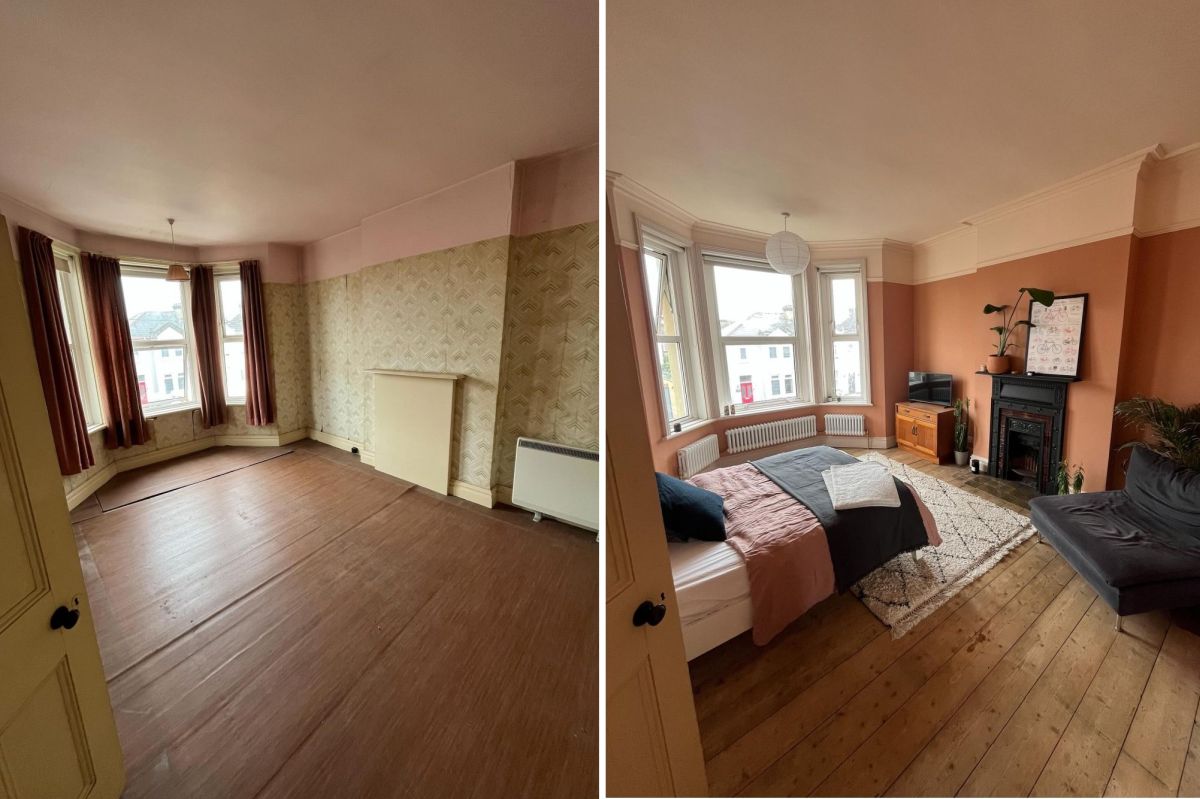
Before the work, the bay was framed by brown curtains, the upper walls were pink, and patterned paper covered the area below. Across the room sat a cream fireplace surround.
Sheet flooring hid the wood. The bay and fireplace still gave the room its period proportions, although the finishes obscured much of the original character.
Removing the Floor Covering Exposed the Original Boards
 @thenatural.home
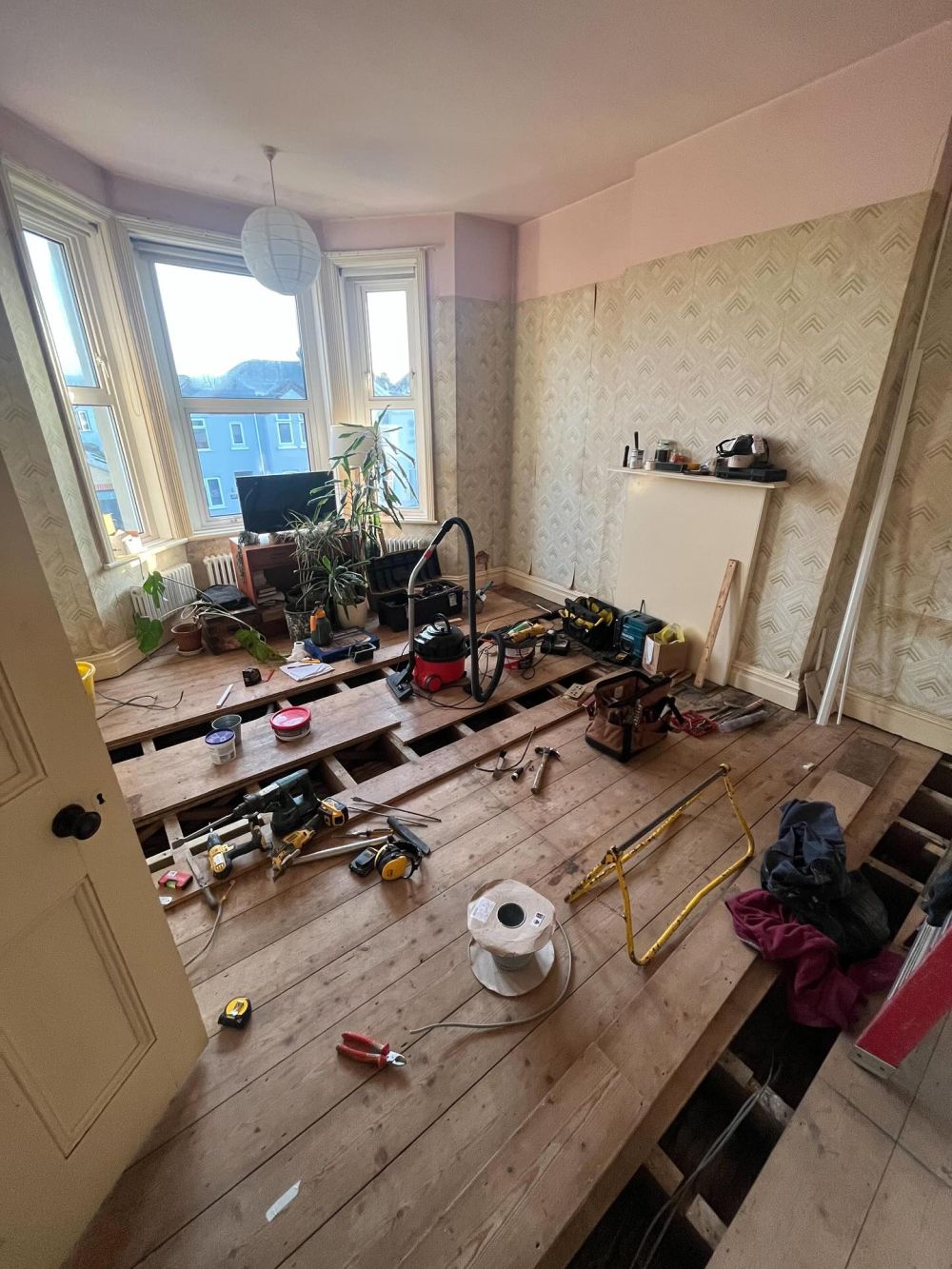
As the surface covering came up, the owners lifted sections of the floor. The work-in-progress pictures show bare joists, tools and cabling.
The renovation also included rewiring, eight new sockets and plumbing for three radiators.
The Fireplace Was Restored as Part of the Renovation
 @thenatural.home
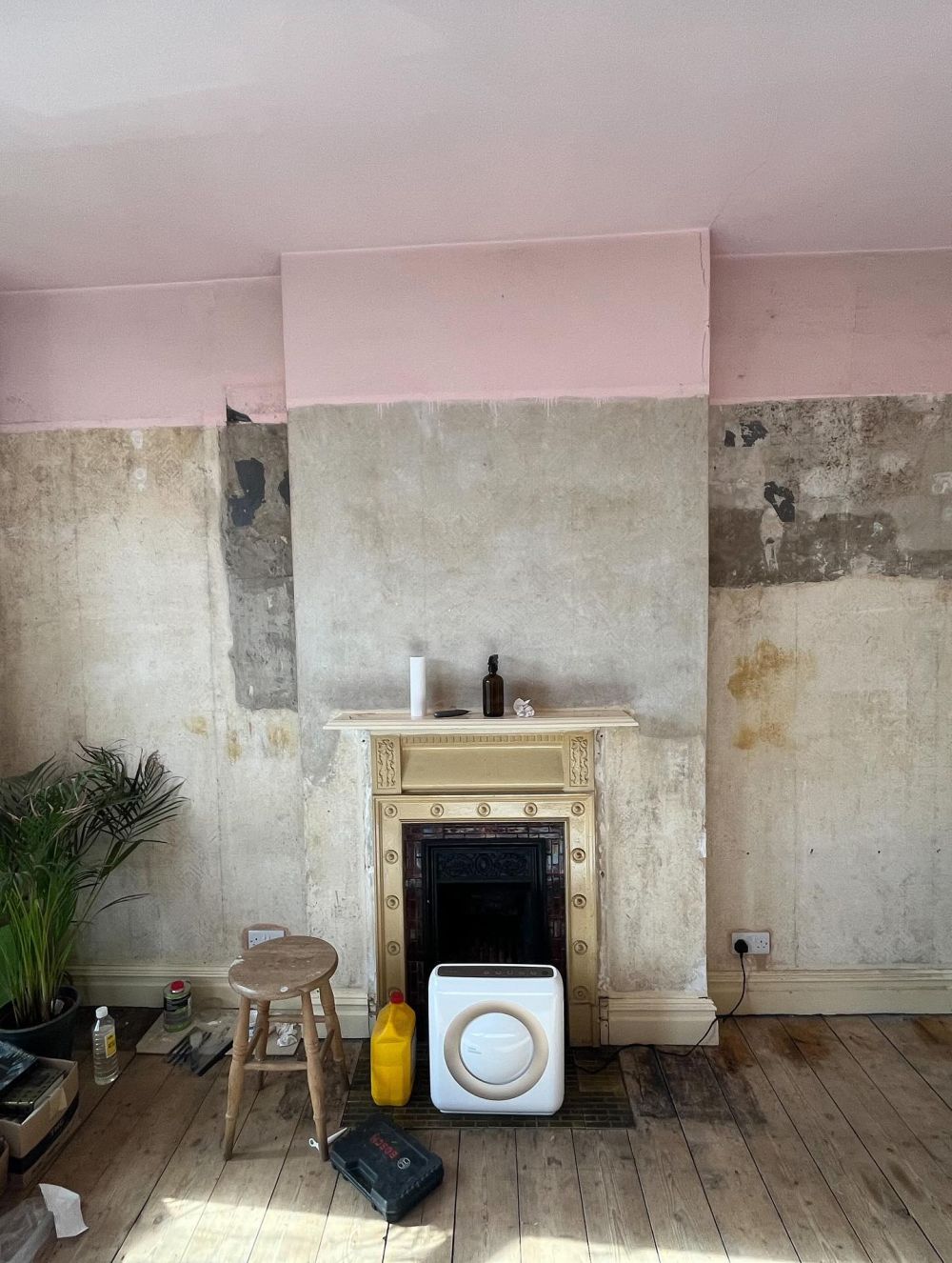
Near the hearth, stripping the paper revealed several layers of wall finish and the edges of previous repairs.
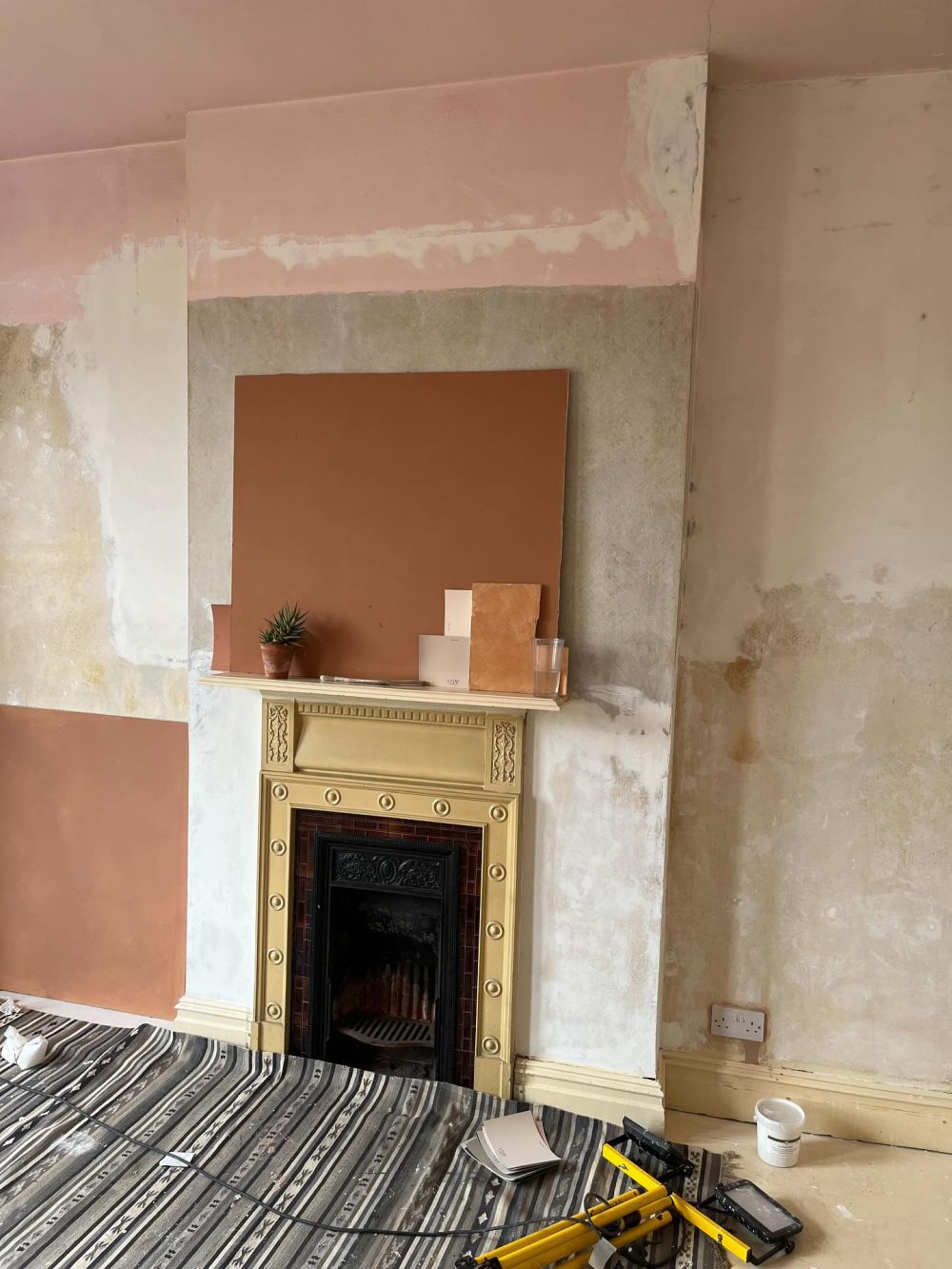
The couple retained and restored the fireplace. During the work its cream surround framed dark tiles and a cast-iron insert.
They Chose Terracotta Paint Instead of Replastering
 @thenatural.home
The exposed lime plaster had holes and cracks. The owners patched those areas and selected a clay paint finish instead of covering the entire surface with a fresh skim.
They tried warm brown and clay-colored samples on the wall. A picture rail marks the line between the terracotta below and the much paler area above.
For a separate example of the color family, HGTV Home by Sherwin-Williams chose Persimmon for its 2024 Color of the Year. Persimmon has a tangerine cast. The paints used in this room were from COAT Paints.
The Couple Restored the Room’s Trim Before Painting
 @thenatural.home
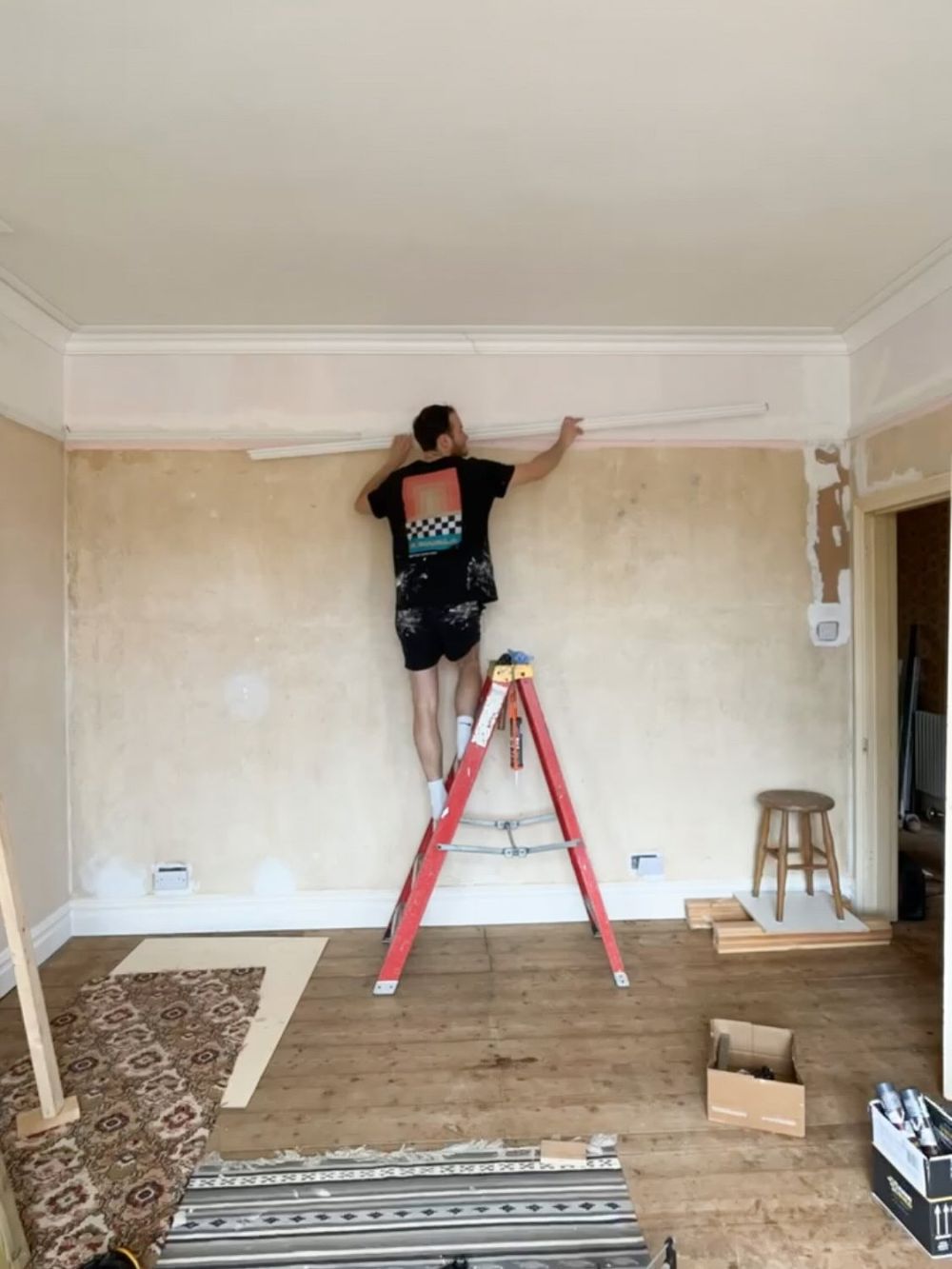
New coving and a picture rail joined retained skirting and door trim. The woodwork sets off the ceiling and creates a clear edge for the darker wall colors.
The floorboards were left visible when the room came back together, replacing the sheet finish that had hidden them.
Old Plaster Was Repaired Without Covering the Entire Wall
 @thenatural.home
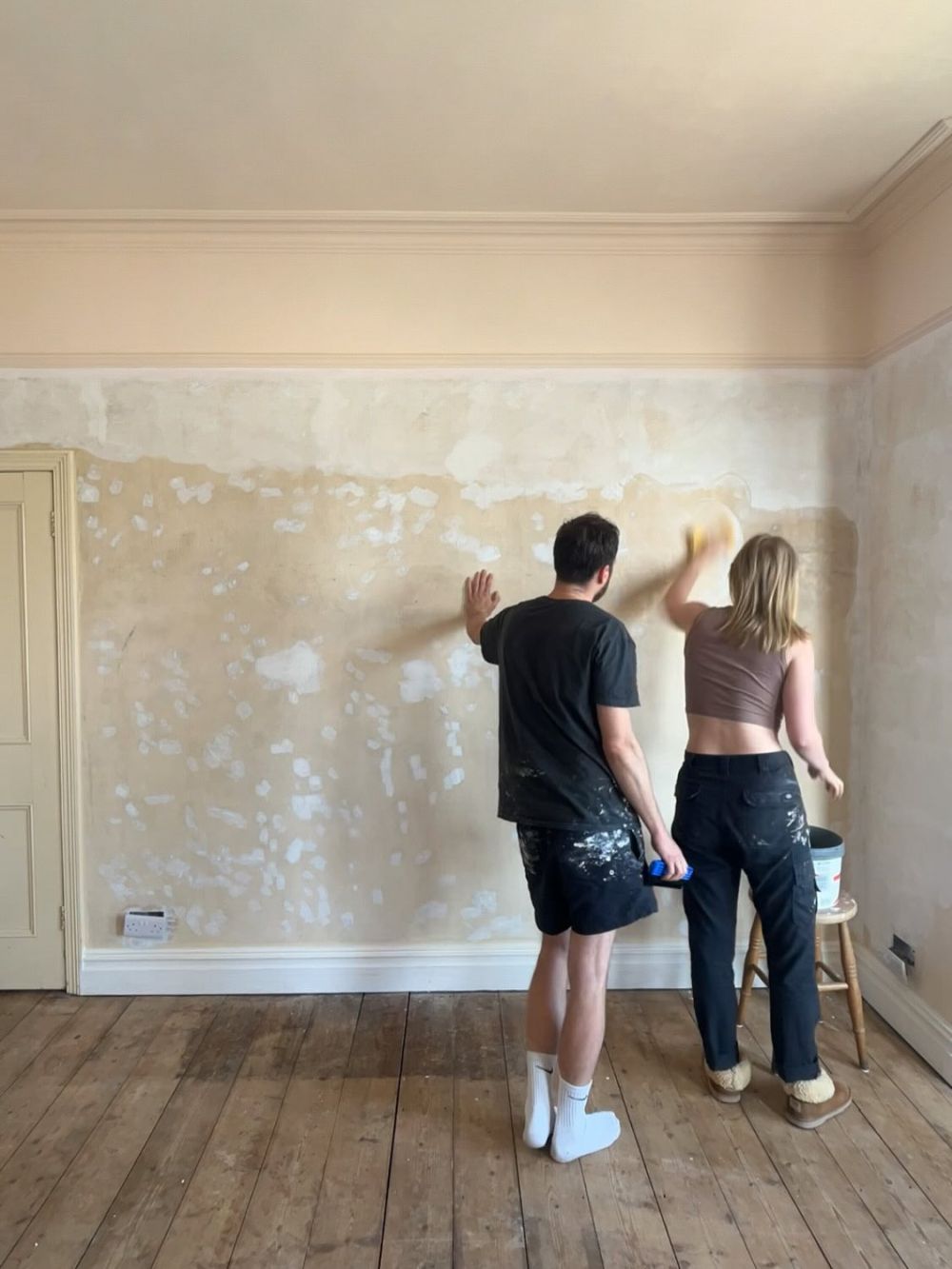
In the preparation photos, small areas of filler stand out against the older plaster. The owners dealt with the damaged spots without erasing the overall texture.
 @thenatural.home
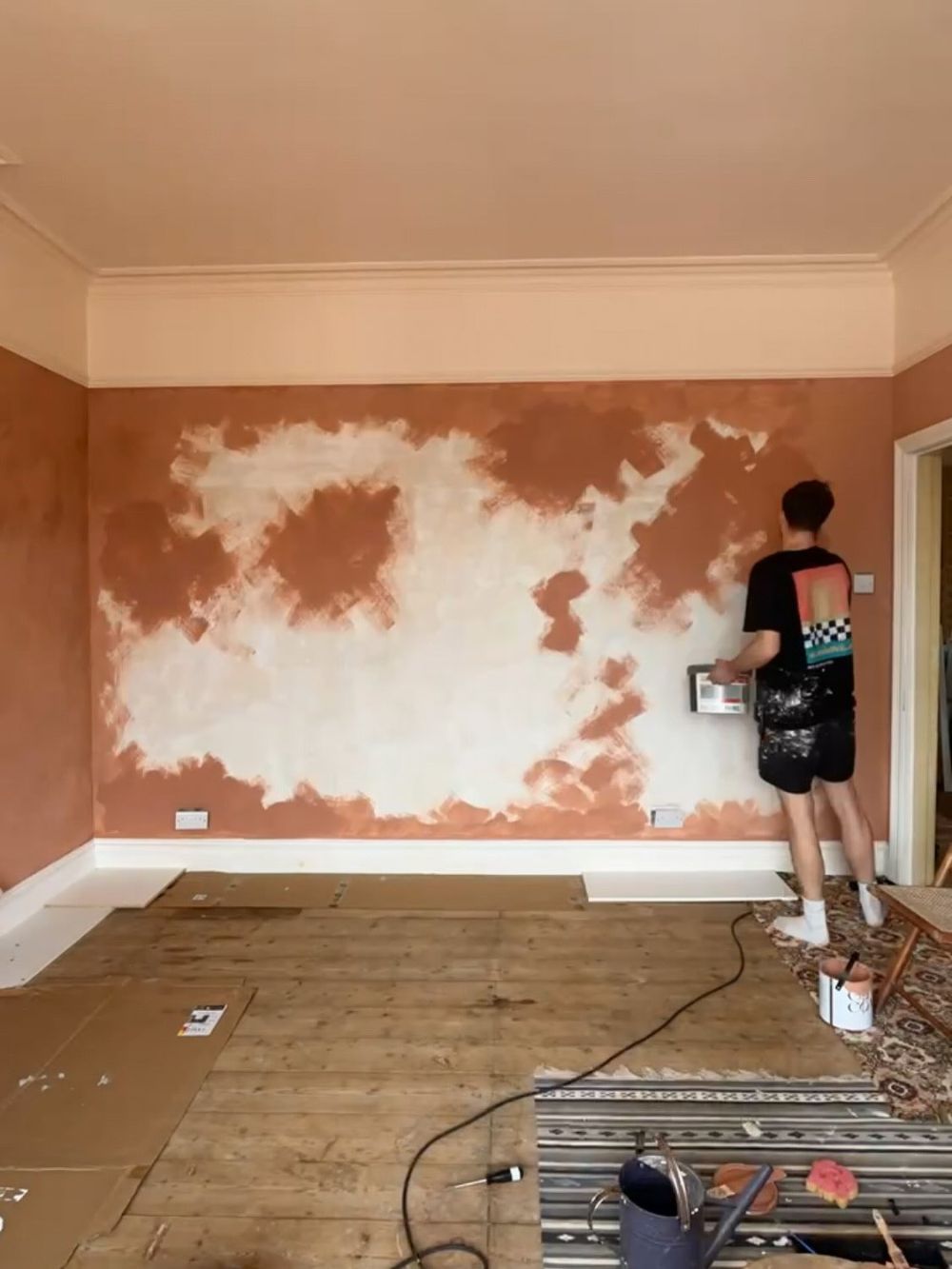
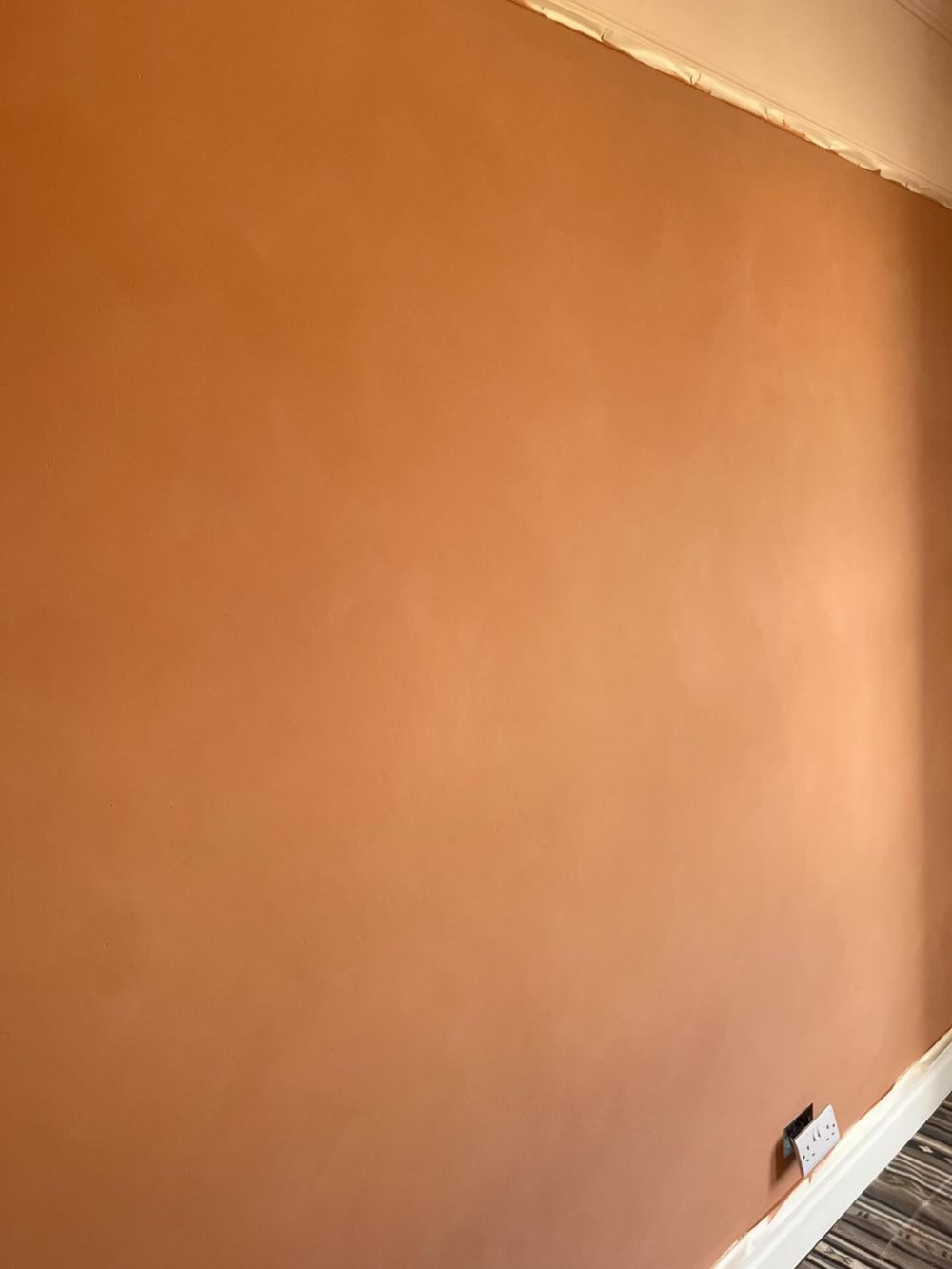
The first passes of terracotta left pale patches visible between strokes. Brushing on the two similar shades let their tones mingle across the wall.
Instead of flattening the variation beneath the finish, the paint makes the differences in the old surface part of the room.
Two Shades of Clay Paint Covered the Bedroom Walls
 @thenatural.home
Light and dark patches remain visible in the final coat. The owners used brushes, which suited the uneven appearance they wanted.
The ceiling and upper walls stayed light. The darker colors run below the picture rail and draw attention to the restored woodwork.
The Finished Bedroom Kept Its Wood Floors and Fireplace
 @thenatural.home
After the work, timber boards and terracotta surround the refurbished fireplace, now with a dark surround. The brown curtains are gone and the heating occupies the area below the bay windows.
A bed faces the bay. Along the walls are a dark sofa, a wood cabinet and plants near the restored details.
The Original Wallpaper and Floor Covering Are Gone
 @thenatural.home
The before-and-after photos show the biggest changes at floor and wall level. The old wall surface remains beneath the clay paint, and the original boards are visible where the sheet floor used to be.
The hearth still occupies its old spot with a different finish. Behind the visible changes, the owners also updated the electrical and heating systems.
Project and photographs by @thenatural.home on Instagram.













































Wait. You claim these are original repairs, but where’s the proof? I see patches, not necessarily history. Did anyone actually test the lime content? Without evidence, this is just a stylistic choice, not a preservation victory.
Great question! We didn’t chemically test the lime, but we documented the patch textures and layering patterns against historical archives of the building’s original construction. The visual evidence strongly aligns with period-specific repair methods, supporting our preservation assessment.