
You wash the sheets every week, the pillowcases look clean, and you still wake up stuffy. The mattress itself never gets washed. It just sits there under the sheets, year after year, collecting what the bedding doesn’t catch.
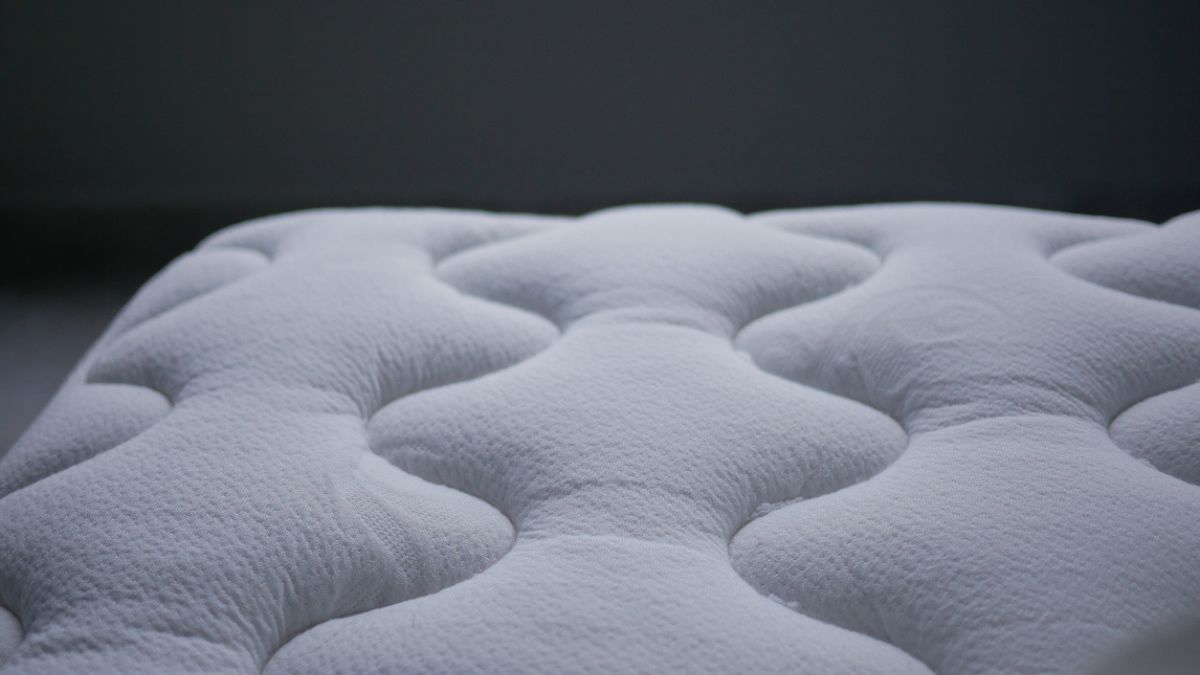
© towfiqu ahamed
The sheets aren’t the problem; the mattress under them is. Dust mites live in mattresses, pillows, and bedding, and a weekly wash doesn’t reach the fabric of the mattress itself. Cleaning pros suggest an unexpected tool for that: the garment steamer you use on your shirts.
Why steam reaches what the wash cycle can’t
Dust mites thrive in moist air, and a mattress you sleep on every night holds plenty of it. MedlinePlus, the National Library of Medicine’s health site, recommends washing bedding and pillows weekly in hot water, at 130°F to 140°F, and wrapping mattresses, box springs, and pillows in mite-proof covers. A mattress can’t go in the washer, so steam is the next best thing: it penetrates the surface fabric and kills mites near the surface, and a vacuum then lifts them out.
Sweat and skin oils build up the same way. On pillowcases, that buildup shows as yellowing, and a pre-soak with an enzyme detergent before the wash works on the oils a regular cycle leaves behind.
A full mattress refresh, every three months
- Strip the bed. Pull off everything, including pads and protectors, and wash it in the hottest water the care labels allow.
- Vacuum first. Go over the top, the sides, and the box spring with the upholstery tool, pressing or tapping it on the fabric. Use the crevice tool along quilting, piping, and pillow-top seams.
- Steam the surface. Hold the garment steamer nozzle close to the fabric without letting it drip, and move slowly across the whole mattress. No steamer? Short bursts of steam from a clothes iron work too.
- Vacuum again. Steam kills the mites near the surface; the second pass removes them.
- Spot-treat stains. For pet or food stains, use an enzyme pet-stain cleaner and dab from the outside edge in, without soaking the mattress.
- Lift yellow stains. Mix 1 cup of hydrogen peroxide, 1 cup of warm water, and 1/4 teaspoon of mild dish liquid. Work it in with a soft brush, wait about 30 minutes, spritz with plain water, blot, and let it air-dry completely.
- Freshen it. Between deep cleans, sprinkle baking soda, brush it in lightly, wait 15 to 30 minutes, and vacuum.
Plan B, if a full routine every three months isn’t realistic: vacuum and steam the top of the mattress each time you change to winter bedding, and add a washable mattress pad so most of the buildup lands on something you can wash.
What steam can’t fix in an old mattress
Steam treats the surface, not the core. It won’t reach mites or stains deep inside the foam or springs, which is why mite-proof covers matter so much for anyone with allergies. Encase the mattress and box spring, and wash the covers regularly.
Let the mattress dry completely before you make the bed. Moisture trapped under sheets is exactly what mites and mildew like. Open a window or run a fan if the room is cool and damp.
Check the label before you steam a memory foam or specialty mattress, and test a small corner first. Some covers and adhesives don’t like heat.
And know when to stop cleaning. A mattress that sags, has lumps, or leaves you aching in the morning is due for replacement, usually every 8 to 10 years. Steam the surface, vacuum twice, and cover what you can’t wash. That’s the trick.
The post Running a garment steamer over the mattress: what is it for and why is it recommended appeared first on Homedit.






















































So we’ve reached the point where my shirt steamer is more vital to my health than my actual job. Truly, the pinnacle of modern hygiene is paying to steam a giant dust sponge under my bed while I ignore the real issue: I’m too tired to vacuum.
Haha, relatable! While vacuuming is essential, a steamer’s heat truly kills dust mites and allergens deep in the fibers. It’s not just hygiene; it’s sleep hygiene. Maybe delegate the vacuuming, but keep steaming that “giant dust sponge” for your health!