
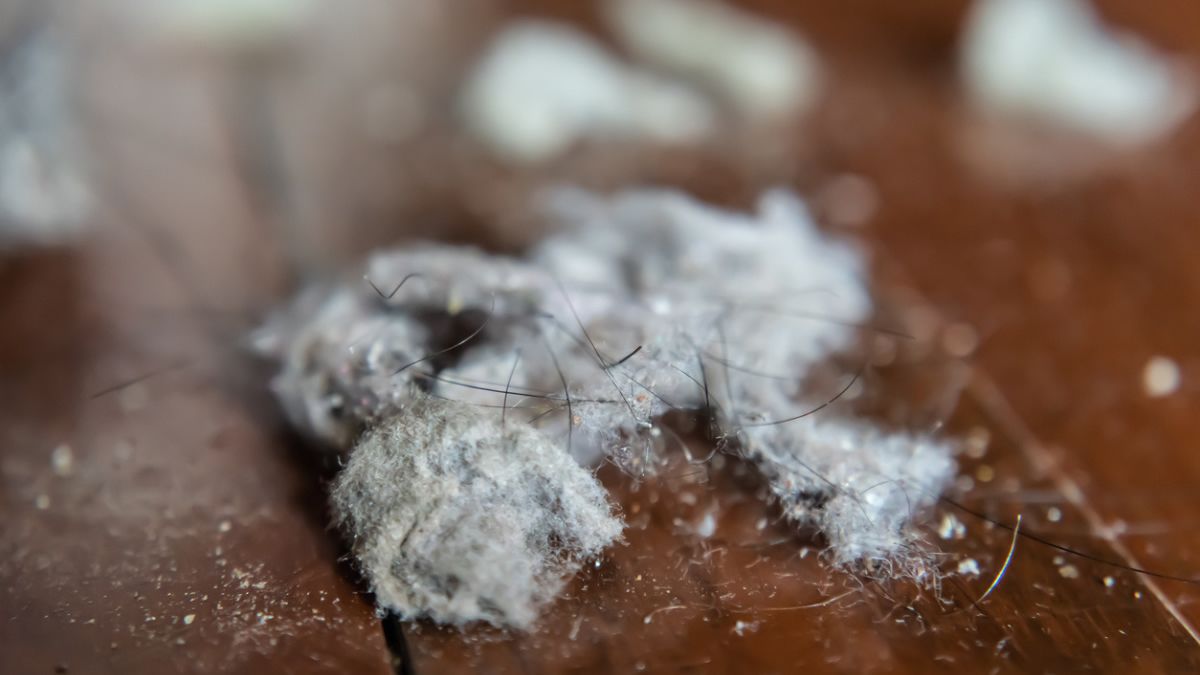
You dust the shelves on Saturday, and by Wednesday there’s a gray film on the TV stand again. The vacuum fills up faster, the windowsills look fuzzy, and it feels like the house got dirtier the minute the heat came on, even though you’re cleaning just as much as you did in summer.
© Wachiwit
Your cleaning isn’t the problem; the season is. In winter, the house is sealed up, the heating system keeps air moving all day, and the air itself gets drier. Each of those changes how much dust floats around and where it settles.
What the heating season changes about indoor dust
With windows closed, the particles made indoors stay indoors. The EPA notes that indoor particles come from cooking, burning candles, fireplaces, and unvented space heaters, and that particles from outside also find their way in. Winter is the season of all of those at once: more cooking, more candles, more fires in the fireplace, and fewer open windows to air the place out.
A forced-air system then keeps those particles moving. Every time the furnace kicks on, air is pulled through the returns and pushed back out of the vents, and anything the filter doesn’t catch gets carried around the house and settles on the nearest flat surface.
Dry air adds its own problem. Heating warms the air but holds very little moisture, so indoor humidity drops once the heat comes on—the same reason houseplant leaves turn brown at the tips every winter. Dry air also lets static build up, the same static that makes clothes cling in winter.
Six fixes that work better than dusting more often
- Change the furnace filter on schedule. The EPA advises changing filters on central heating and cooling systems and air cleaners according to the manufacturer’s directions. Check it when the heat first comes on, and again during the season.
- Keep humidity in range. The EPA recommends keeping indoor humidity below 60 percent, ideally between 30 and 50 percent. A small humidifier in the driest rooms helps, as long as it stays in that range.
- Dust with a damp cloth. A slightly damp microfiber cloth traps dust instead of pushing it into the air, where it settles again an hour later.
- Vacuum with a HEPA filter. A vacuum with a HEPA filter holds on to fine particles instead of blowing them back out the exhaust.
- Vent the kitchen. Run an exhaust fan that vents outside while you cook, as the EPA suggests.
- Go easy on candles. Burning candles and wood adds particles indoors, so save them for occasions rather than every night.
If you can’t change the HVAC setup, start with the filter and a damp cloth. A clean filter and dusting that actually removes dust cover most of the difference.
When winter dust is a sign of something else
If the house is still dusty after a filter change, look at the system itself. A filter that doesn’t fit snugly lets air bypass it, and leaky return ducts in a basement or attic can pull dust straight into the airflow. An HVAC technician can check both.
Anything that burns fuel needs to vent outside. The EPA advises venting all fuel-fired appliances, including stoves, heaters, and furnaces, to the outdoors. Soot around a furnace or a gas appliance is a reason to call a pro, not to dust more.
Don’t overcorrect with the humidifier, either. Pushing humidity above 60 percent trades dust for condensation on windows and a higher risk of mold.
Fix the air first, and the dusting gets easier. That’s the trick.
The post Every winter, the house gets dustier: the reason has little to do with how often you clean appeared first on Homedit.

















































Great post! I never realized how much our heating and dry air contribute to winter dust. Thanks for explaining why my shelves get so dusty so fast. Love the clear breakdown of the science behind it!
Thank you! I’m glad the explanation helped. It’s fascinating how much our heating systems really do contribute to that winter buildup. Happy cleaning!