
After a long Thanksgiving drive, you enter your hotel room and instinctively drop your suitcase on the bed before unzipping it. This is a common habit, yet health authorities advise against it.
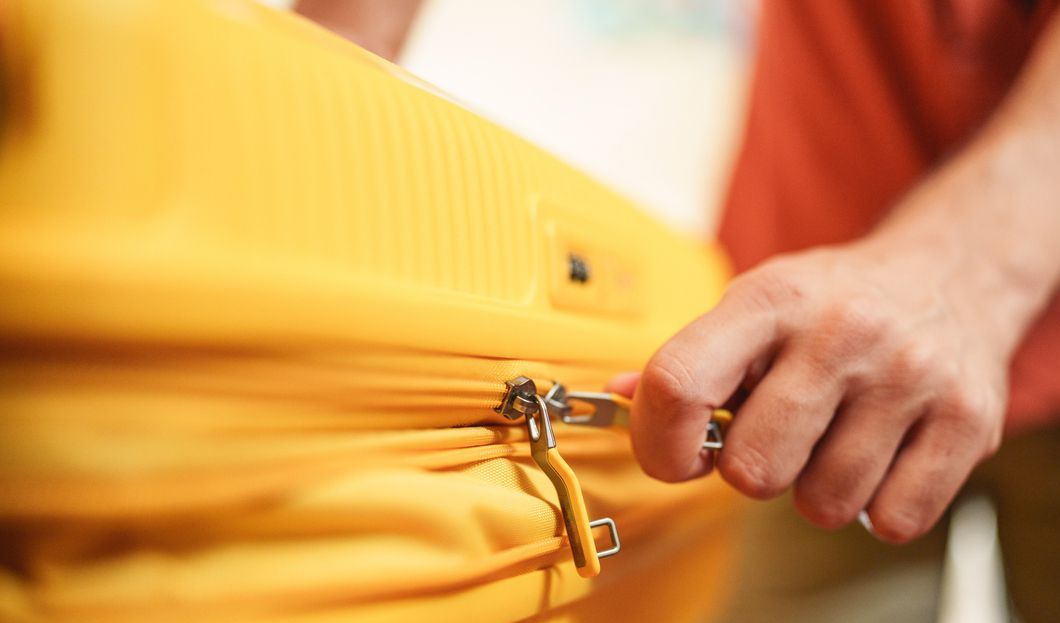
The suggestion to store luggage in the bathtub when no rack is available may seem unusual initially. The primary goal is not hygiene but rather distance from bed bug habitats, preventing pests from hitching a ride back to your home.
Why the bed is the worst place for a suitcase
Bed bugs thrive in areas where people rest, such as mattresses, box springs, headboards, and upholstered seating. An open suitcase resting on a bedspread or armchair places your belongings directly in this danger zone, offering easy access for hitchhikers.
The New York City Health Department recommends placing luggage on a hard, elevated surface rather than on the floor or soft furniture. If no suitable surface exists, a dry bathtub is the next best option because it is smooth, hard, and distant from beds and upholstered items. A metal luggage rack is also acceptable after a visual inspection.
How to check a hotel room in 5 minutes
- Place your suitcase in the dry bathtub or on the luggage rack before bringing other items into the room.
- Lift the sheets at the corners and sides to inspect mattress seams and box springs for dark spots or live insects.
- Examine the headboard and the luggage rack itself for signs of pests.
- Keep the suitcase zipped when it is not in active use.
- If you spot evidence of bugs, notify the front desk and request a different room before unpacking.
The EPA’s travel tips echo this advice, emphasizing the need to check the mattress and headboard before sleeping and to use luggage racks for storage during packing and unpacking.
This routine extends to your home. Instead of unpacking onto your bed, place items directly into the washing machine. The city health department suggests washing washable clothing in hot water and drying them on the highest heat setting for at least 20 minutes. You can also shake out clothes in a bathtub or shower. Remember to clean the lint screen before this long, hot cycle, as you should with every load. If you wish to save the lint, it serves as a free fire starter, which explains the recommendation for storing dryer lint in an empty toilet paper roll.
What a bathtub won’t protect you from
Using the tub reduces risk but does not eliminate it entirely. The tub must be dry, as moisture can soak a fabric bag and its contents. Additionally, this method only protects the suitcase, leaving coats dropped on chairs or backpacks placed near the bed vulnerable.
According to city guidance, items unsuitable for hot dryers can be dry-cleaned or steam-cleaned. Always check the care label before applying high heat.
Itchy bumps after a trip do not necessarily indicate bed bug infestation, as many conditions cause bites and rashes. If you discover live bugs at home, contact a licensed pest professional instead of treating the entire house yourself.
A dry tub, a quick sheet inspection, and a hot dryer at home constitute the effective strategy.
Source: Homedit.





















































Ah yes, the bathtub. Because nothing says “luxury” like sitting on cold porcelain while waiting for your luggage to stop being contaminated by the very bed you paid extra to sleep in. Truly, the height of modern travel sophistication.
Haha, well noted! While bathtubs aren’t exactly five-star luxury, their tiled surfaces are far less hospitable to bedbugs than upholstered furniture. It’s a practical compromise to ensure a restful night’s sleep, even if it feels a bit ironic.