
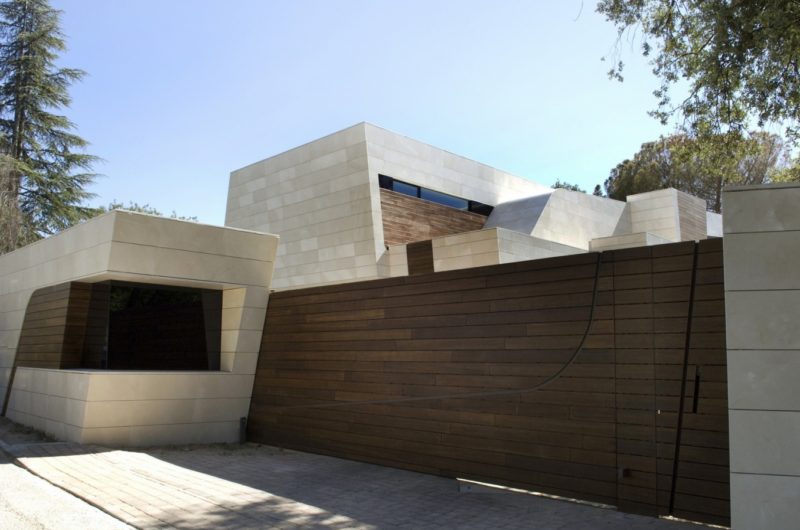
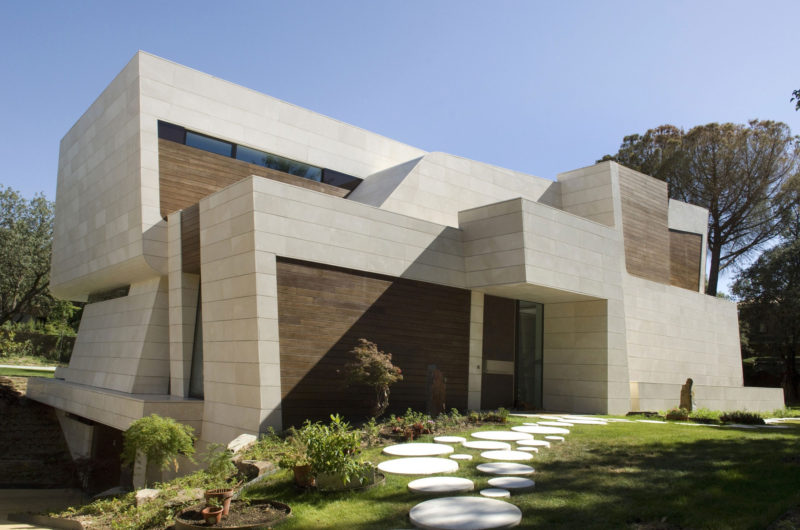
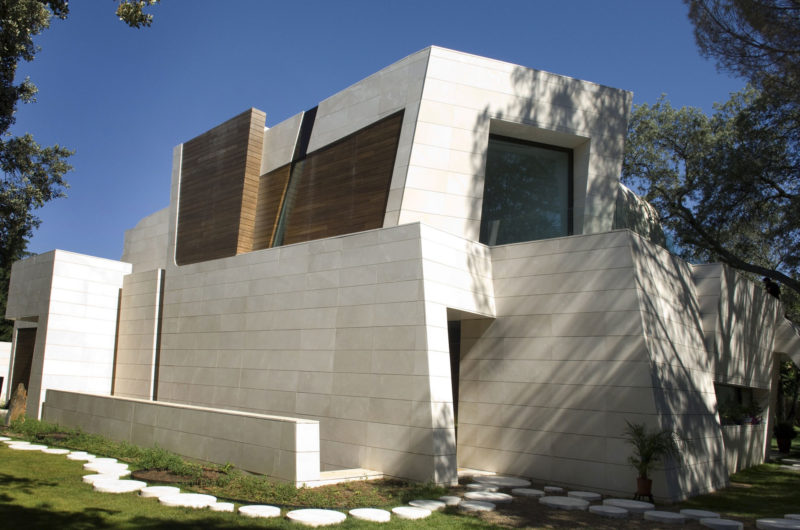
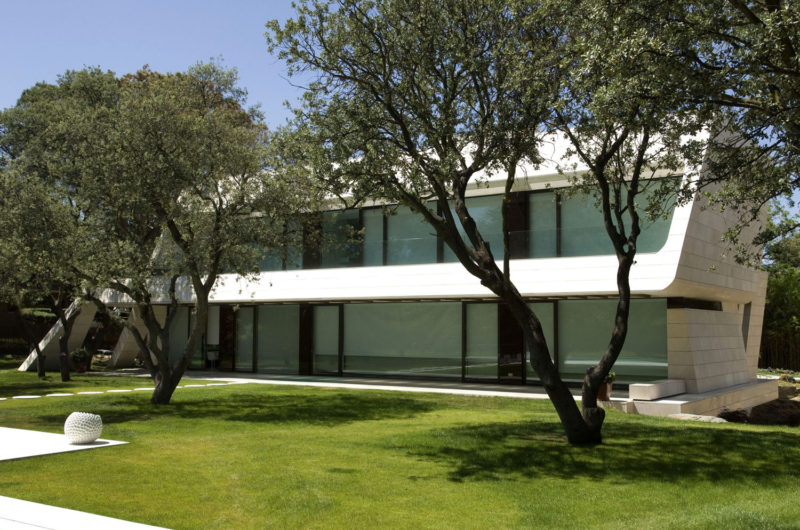
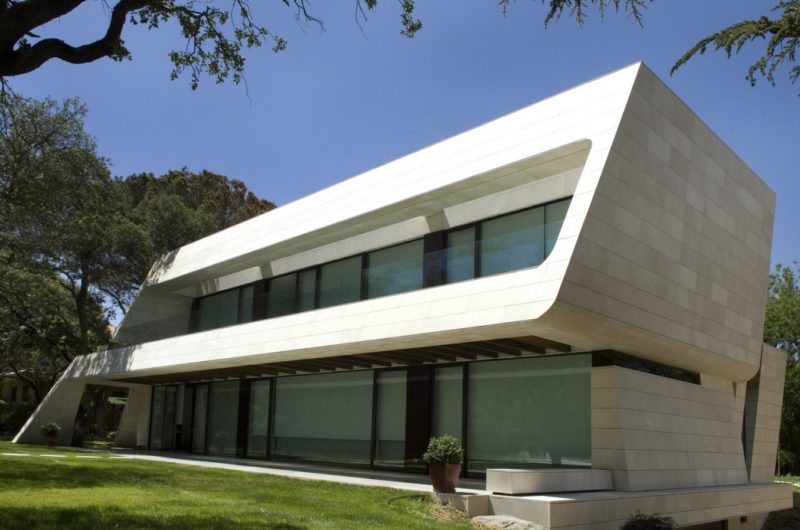
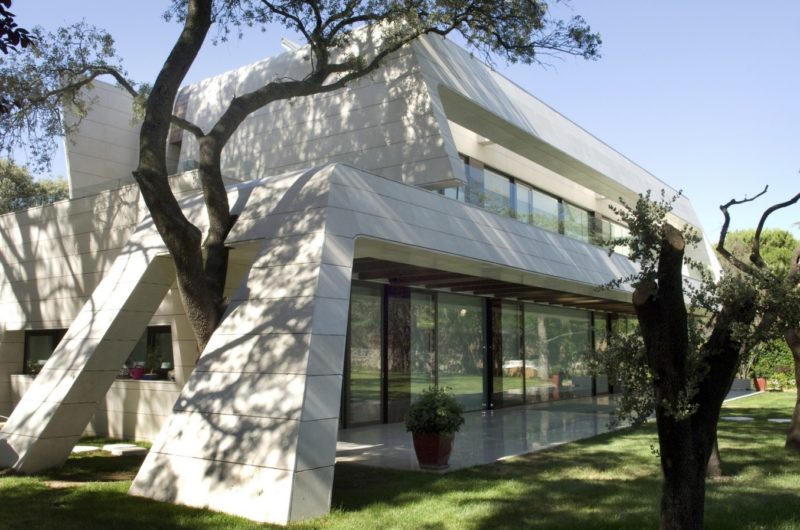
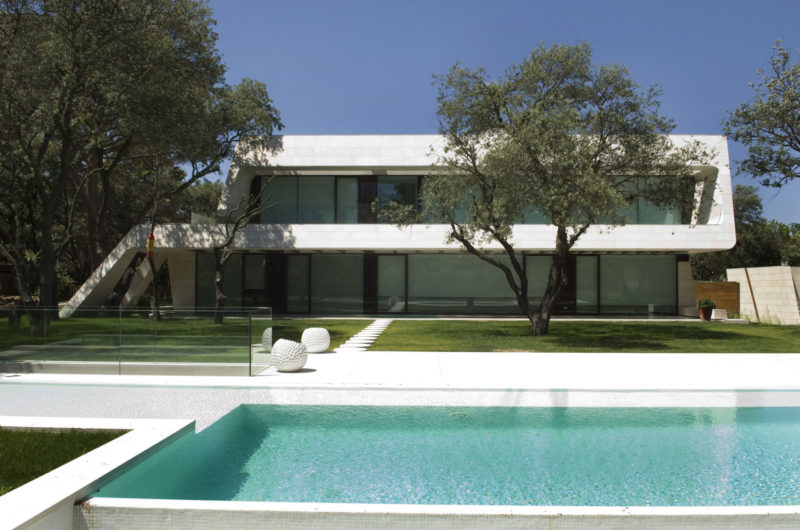
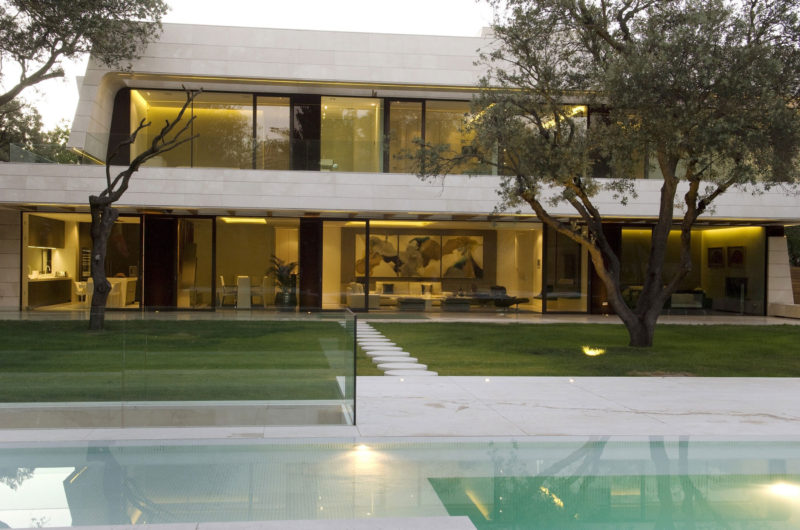
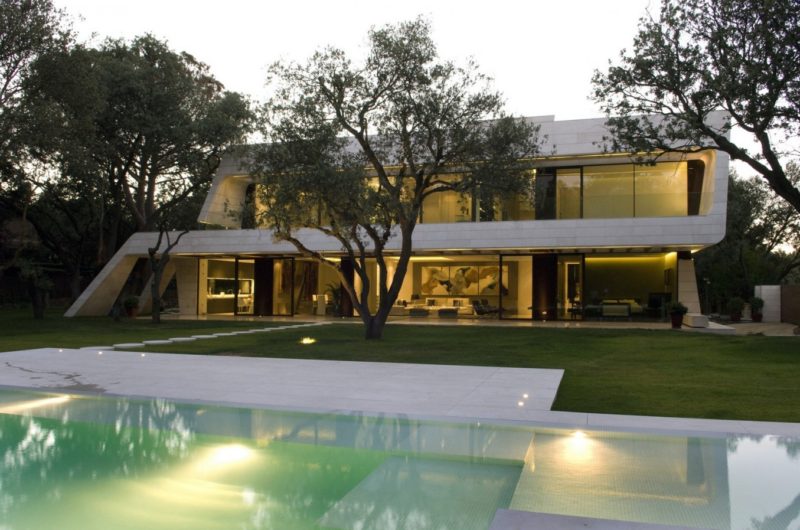
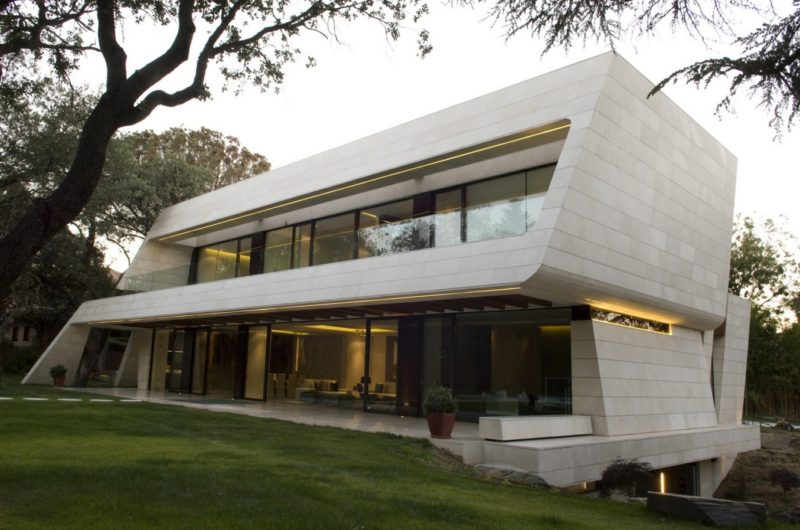
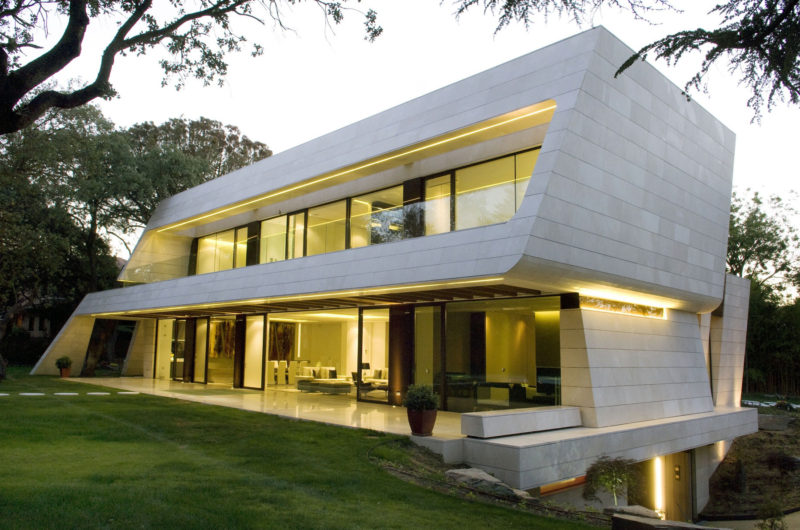
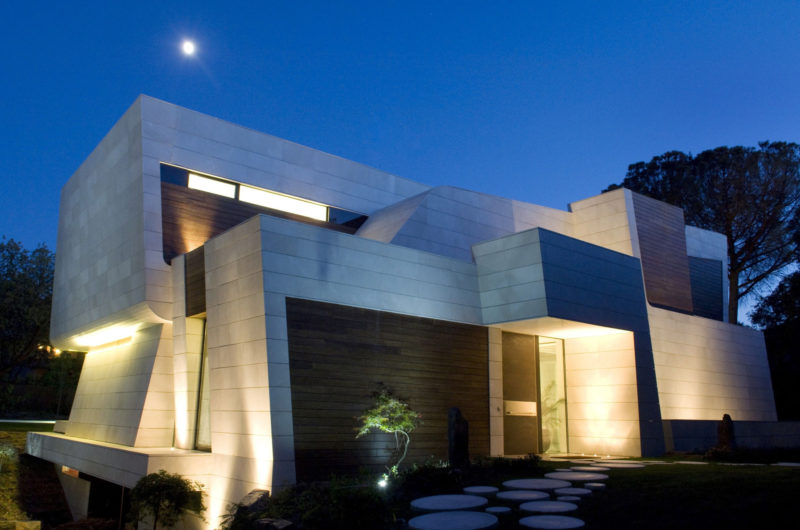
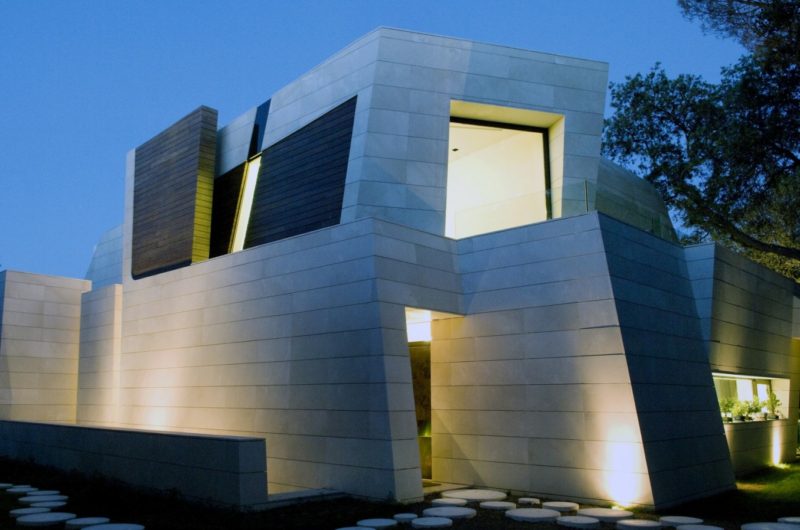
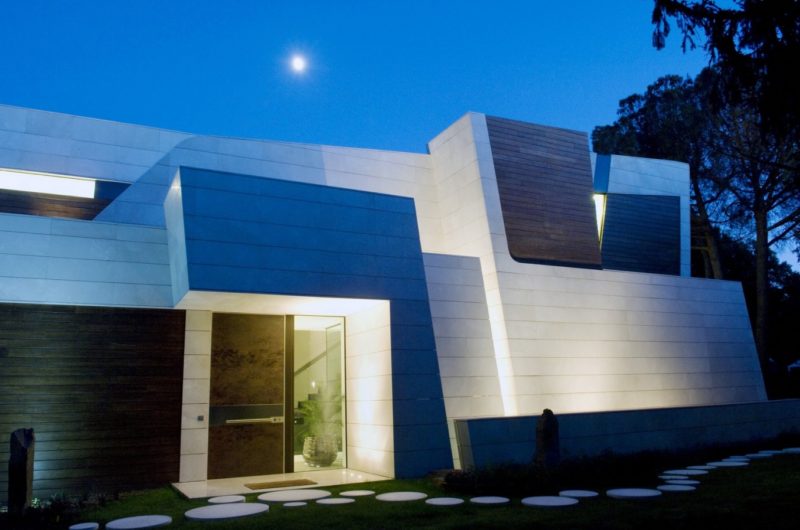
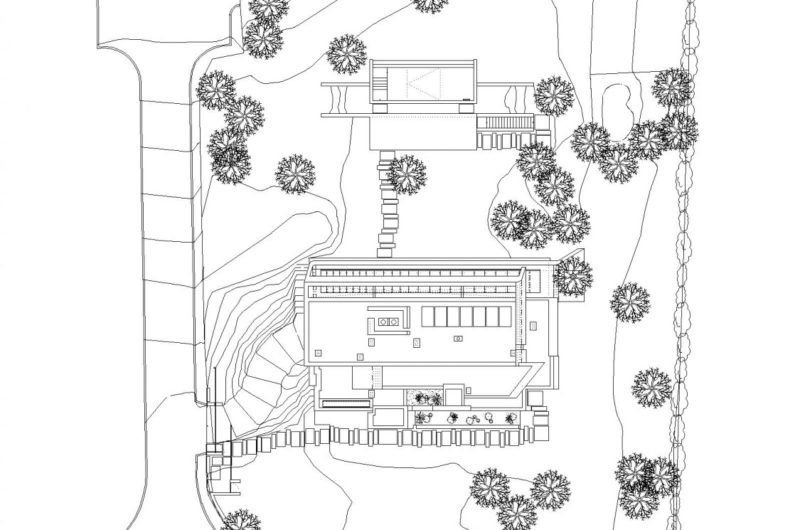
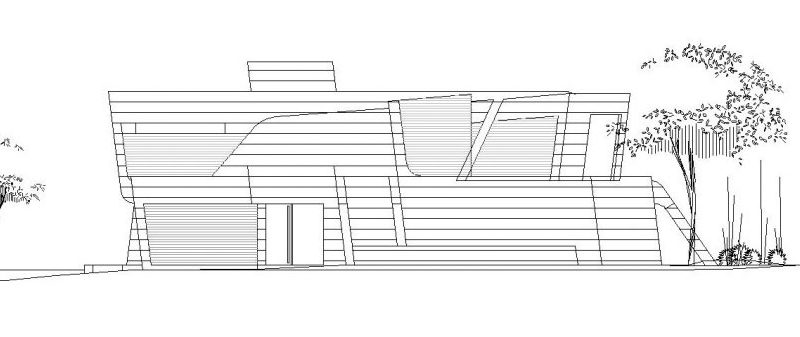
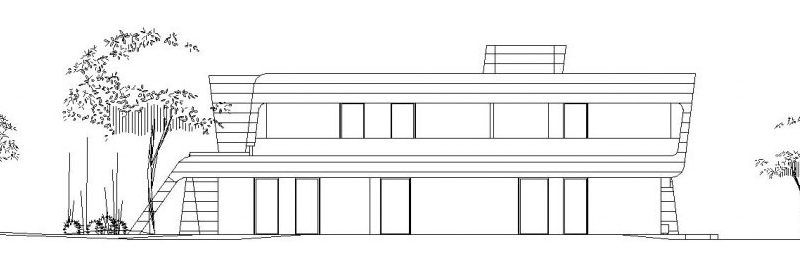
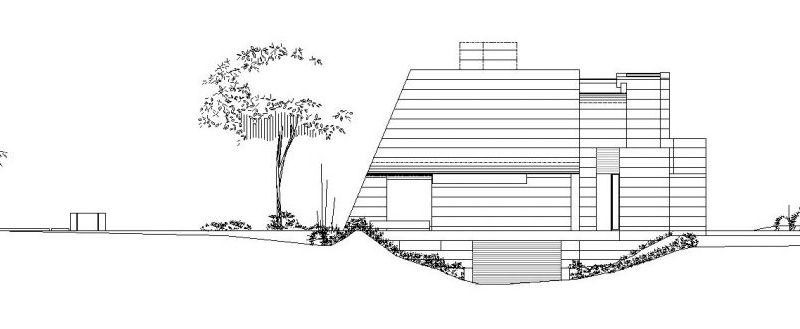
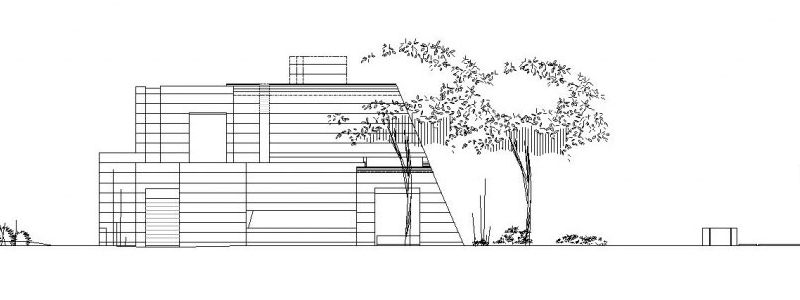
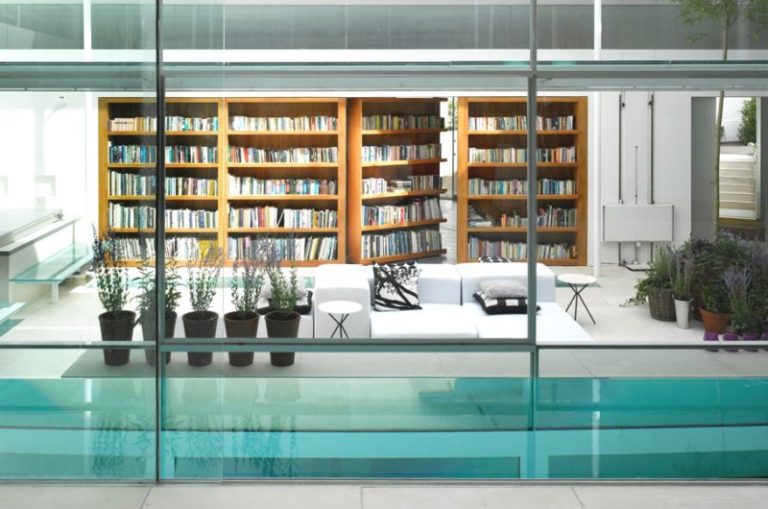
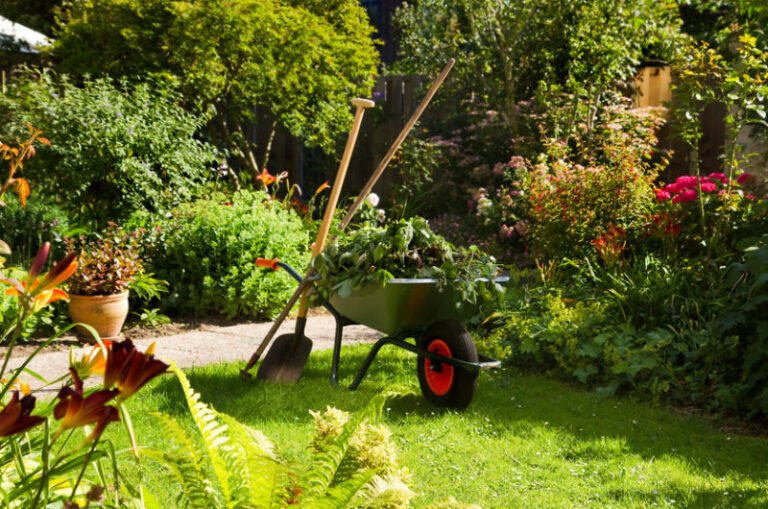
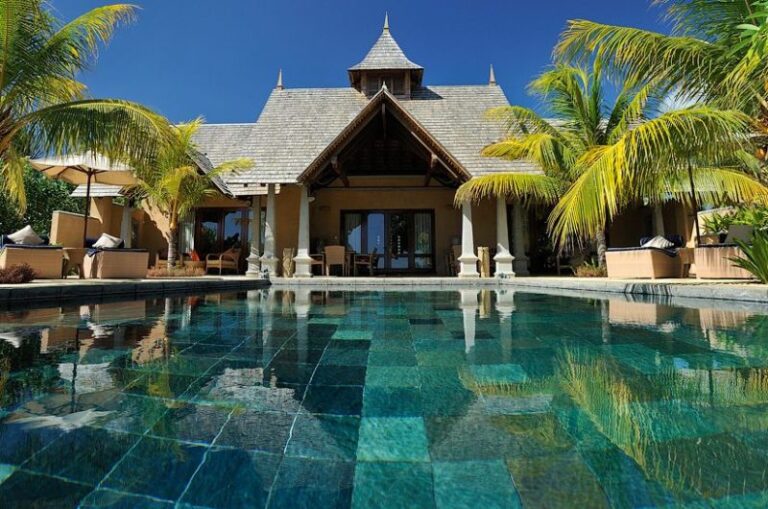
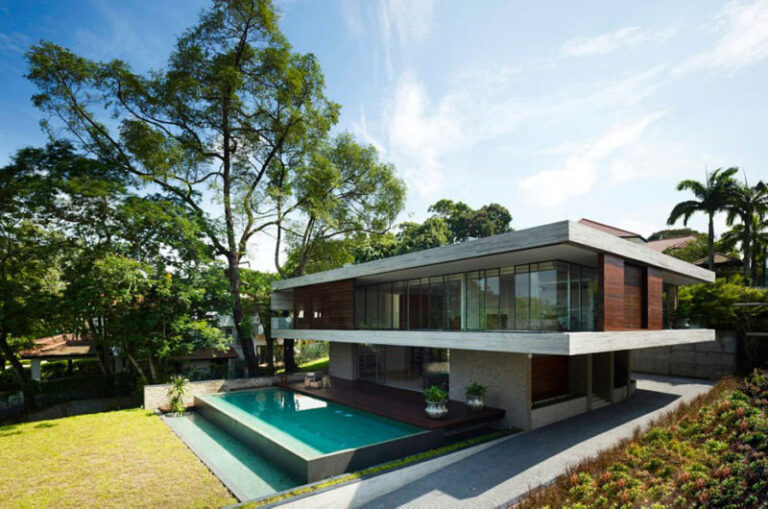
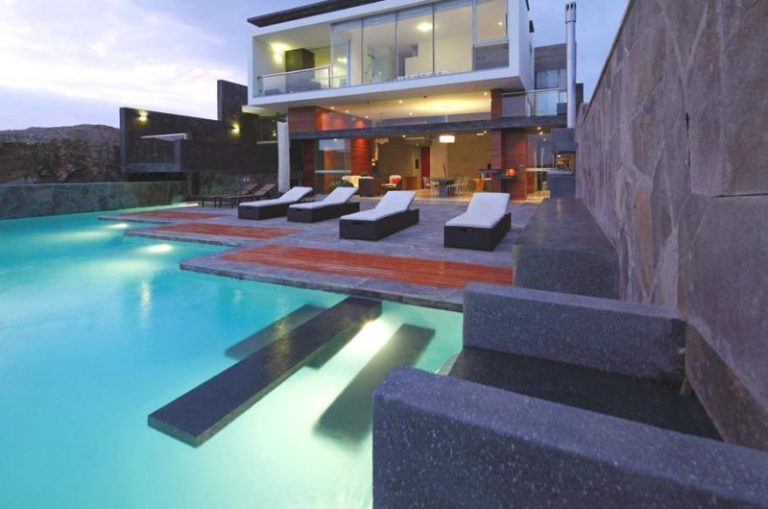
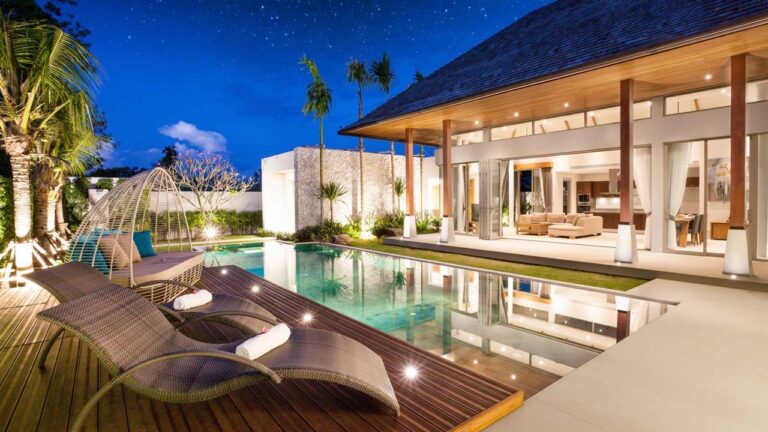
This single-family home in northern Madrid, Spain, was completed by famous Spanish architecture studio A-cero. It is situated on a rectangular plot, surrounded by oaks and pines. The architects designed the residence in a way that minimized its impact on the environment and the lovely Mediterranean vegetation.
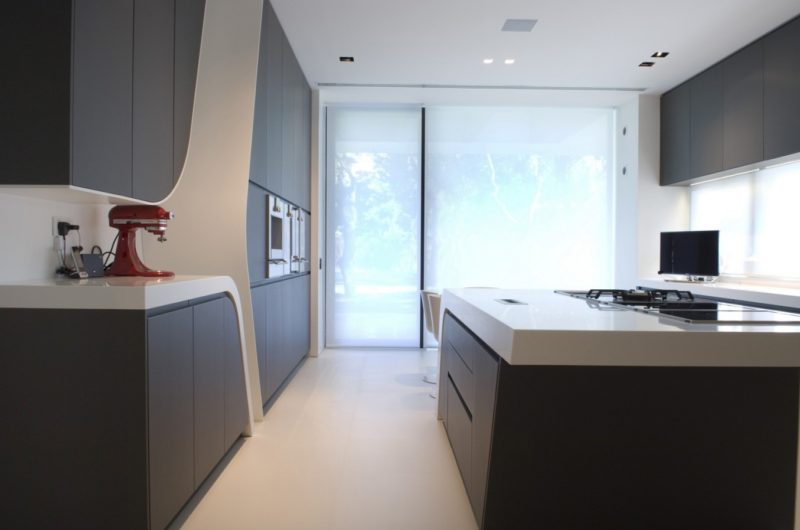
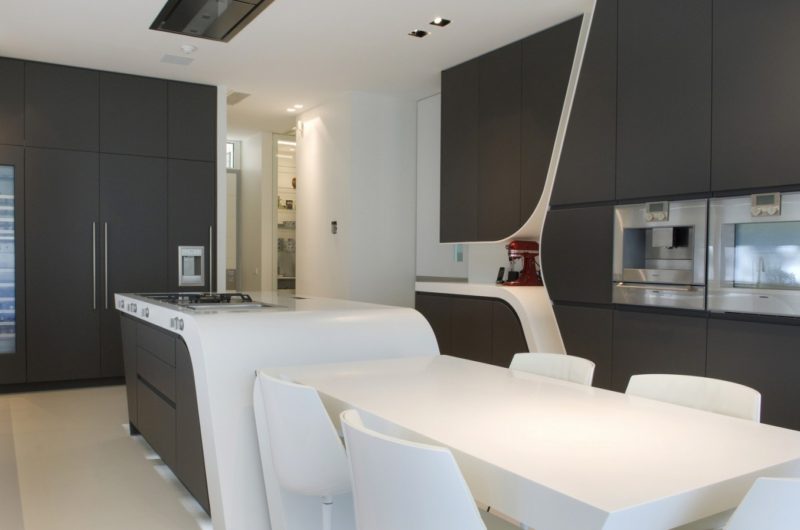
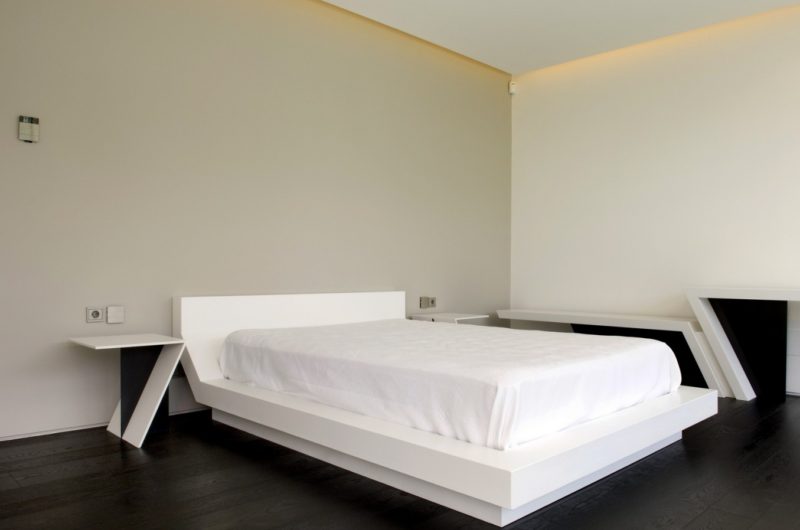
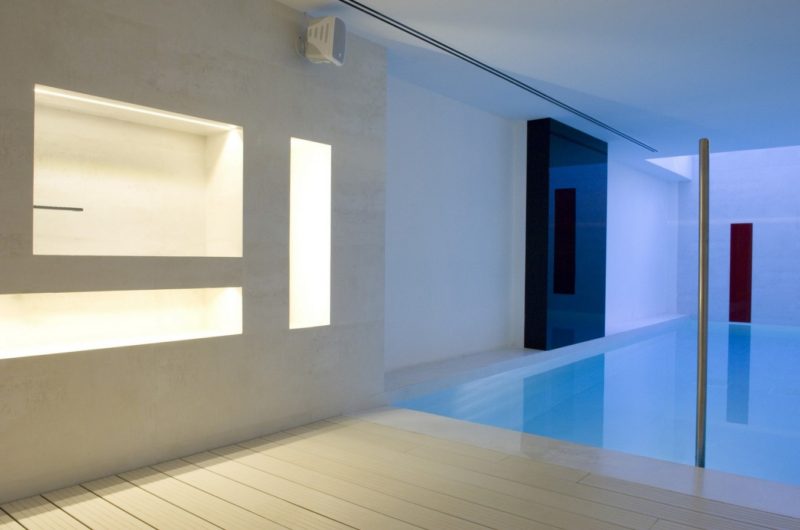
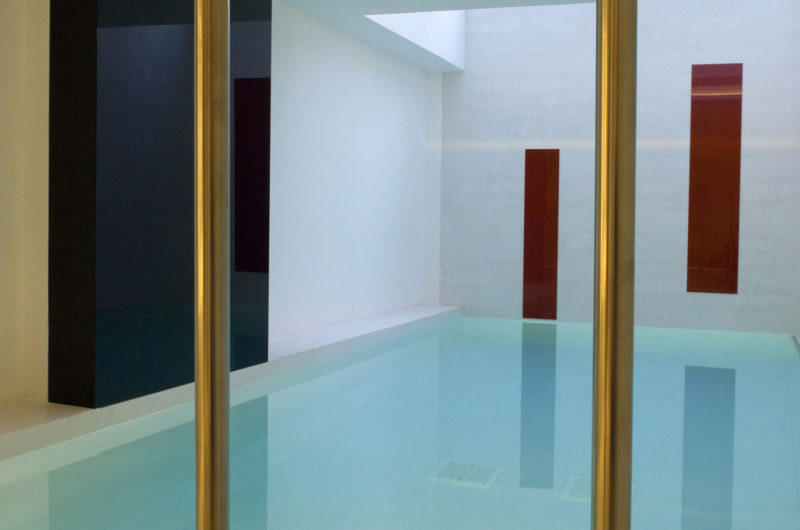
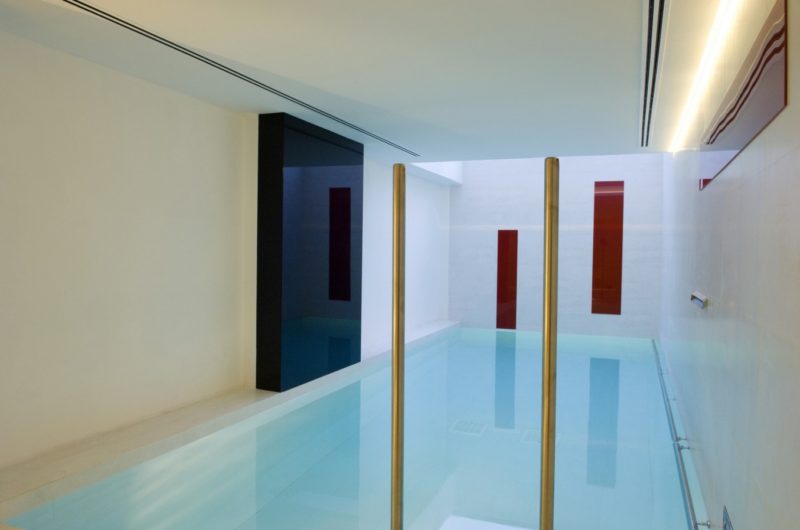
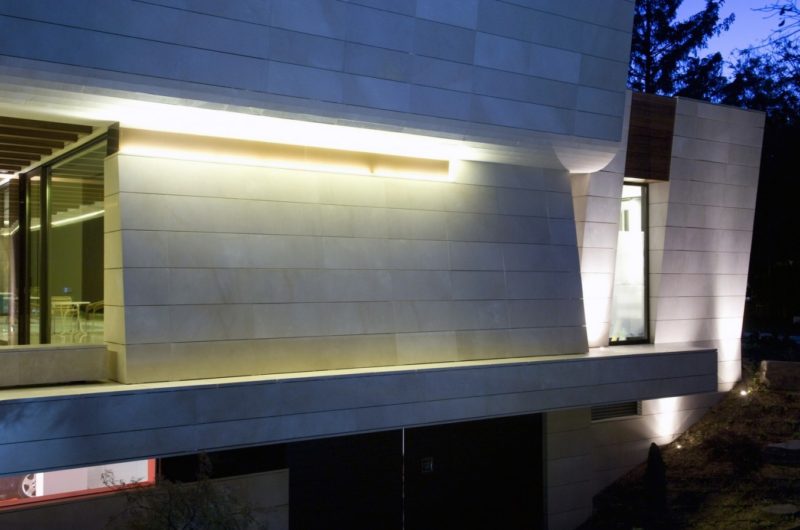
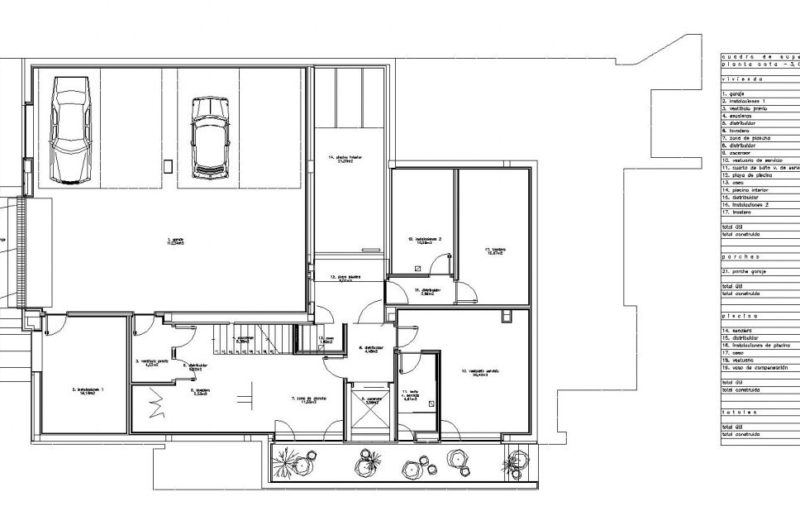
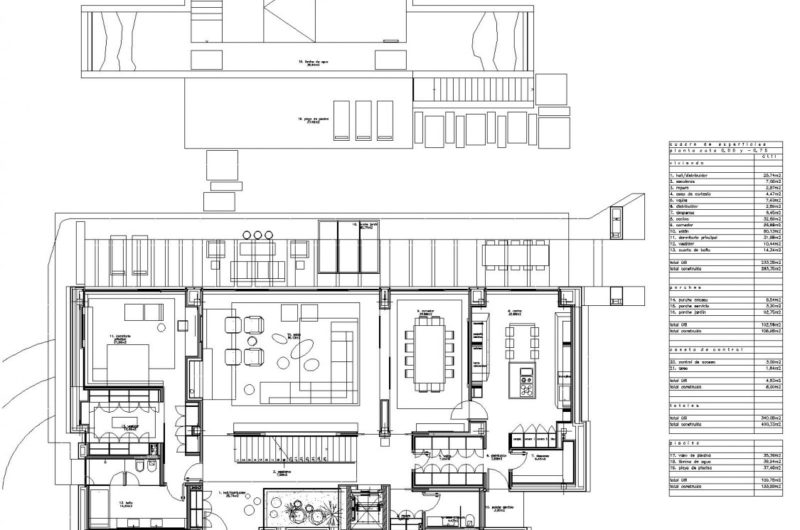
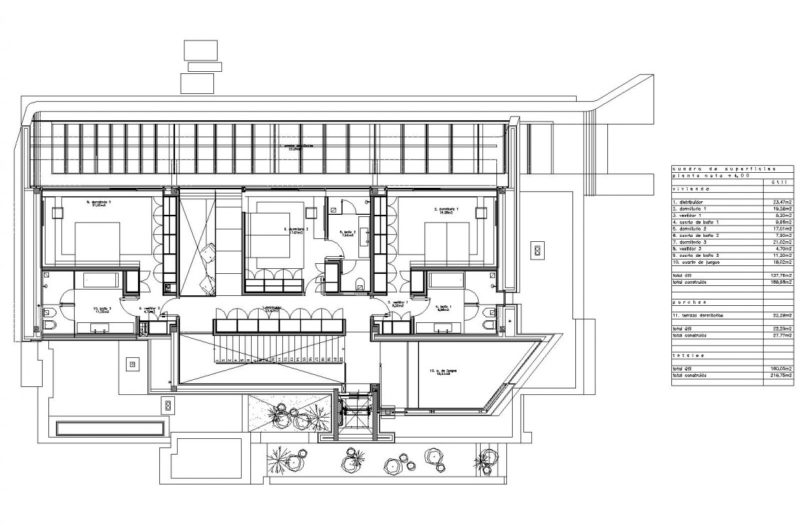
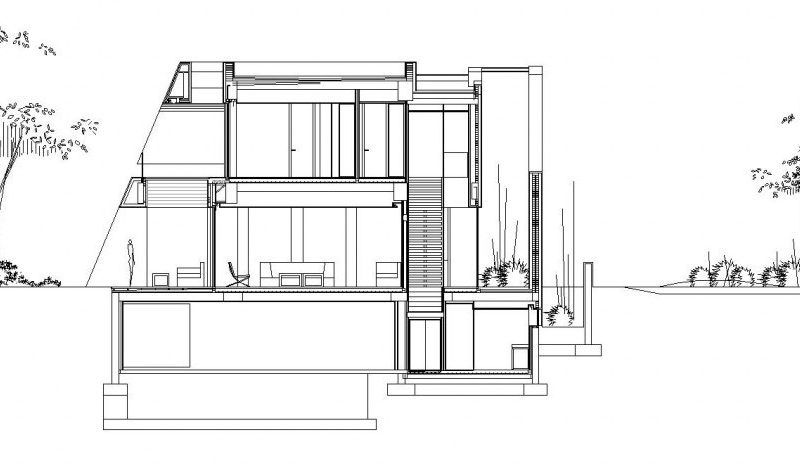
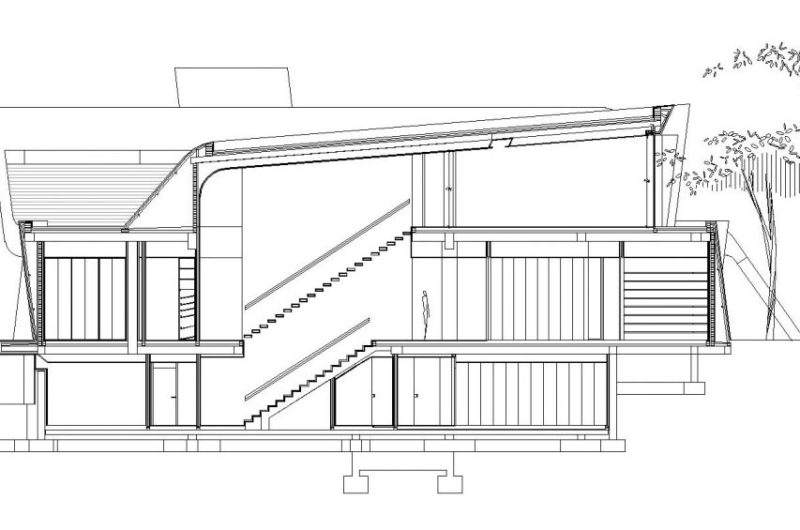
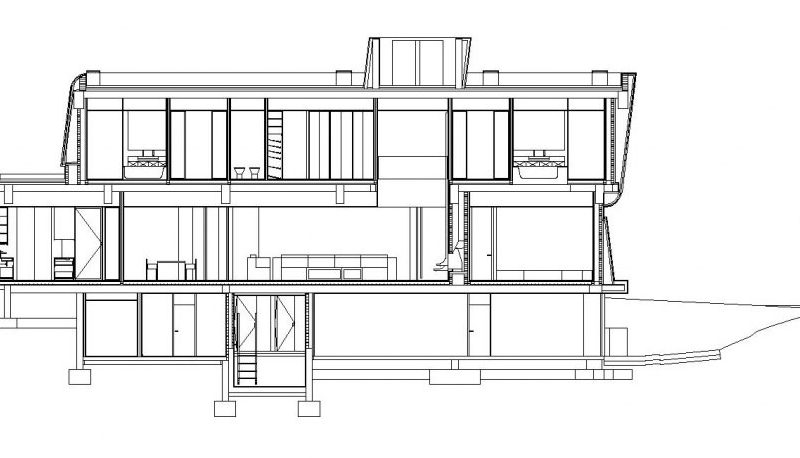
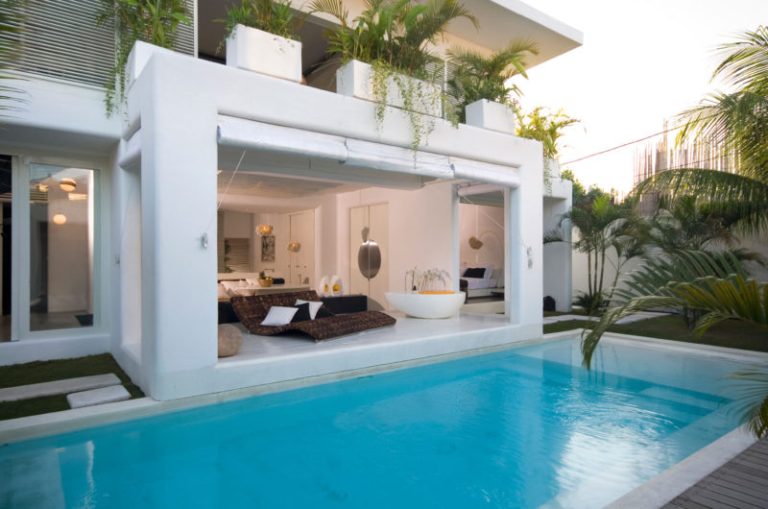
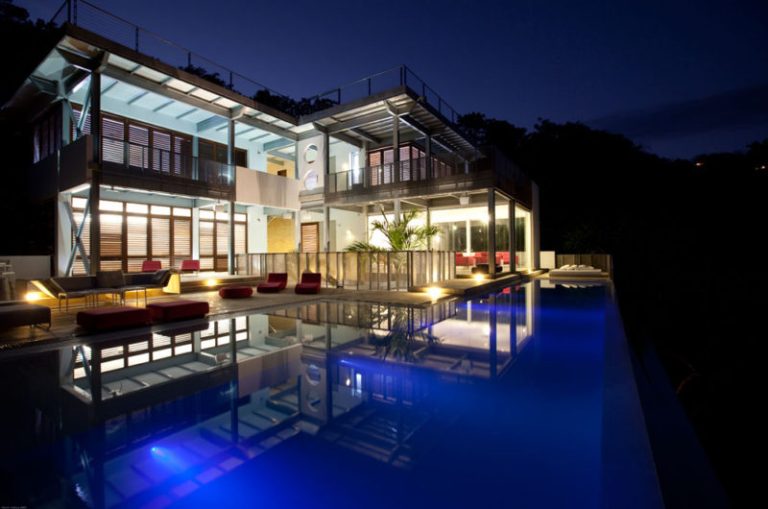
The house is called Vivienda en Madrid, and its architecture makes it easily recognizable by connoisseurs as an A-cero creation. It features three levels: the basement, housing the garage, service area and several other facilities; the ground floor with a spacious living room, kitchen with storage area, guest toilet, and large master bedroom with dressing room; and an upper floor with three more en-suite bedrooms.
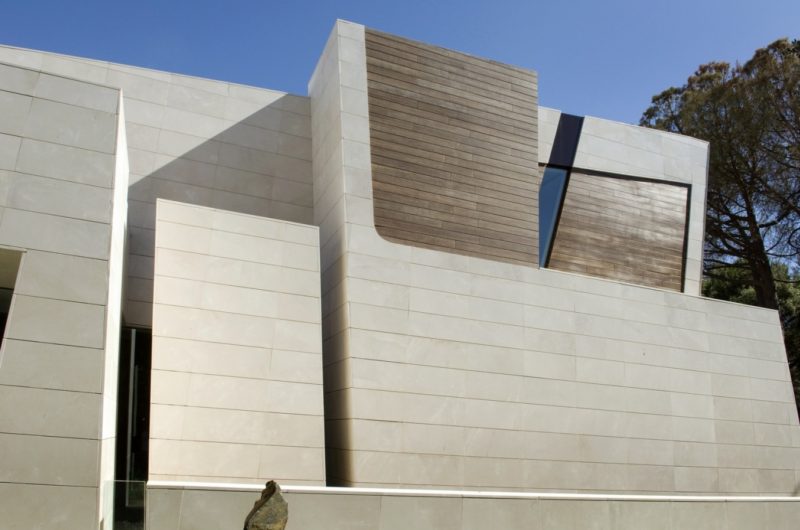
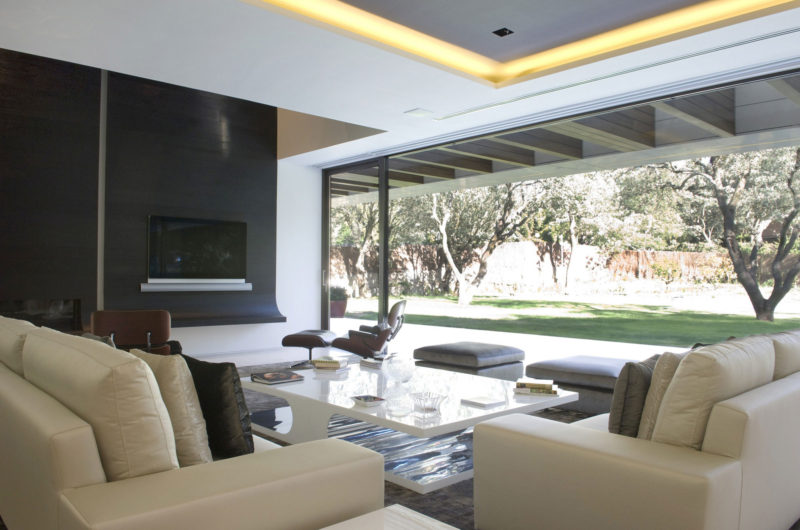
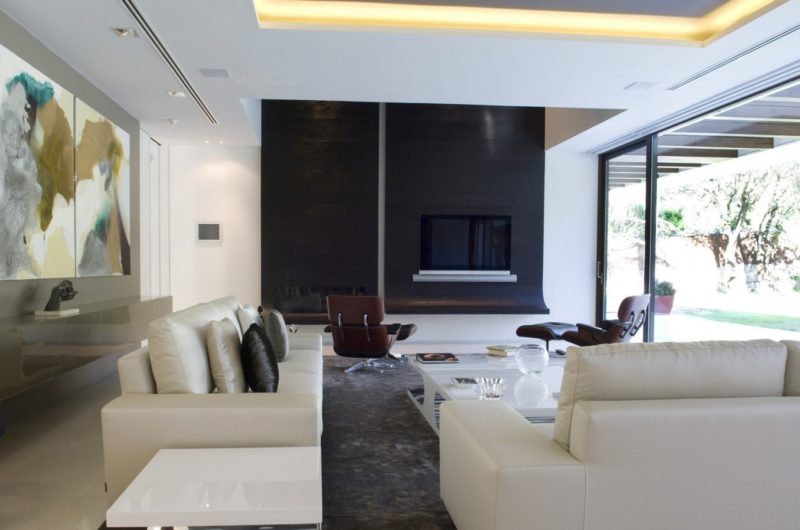
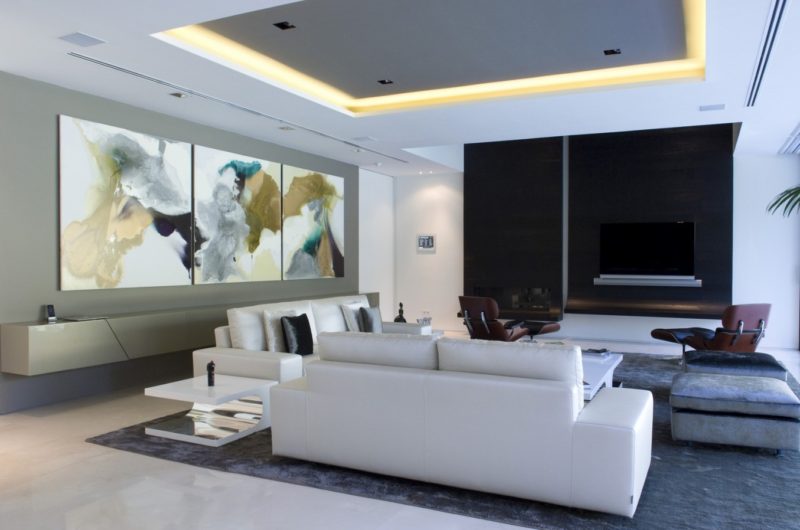
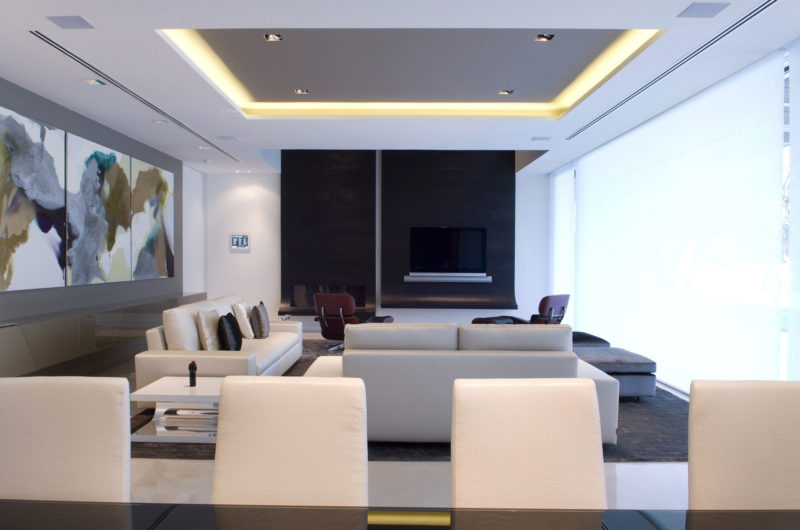
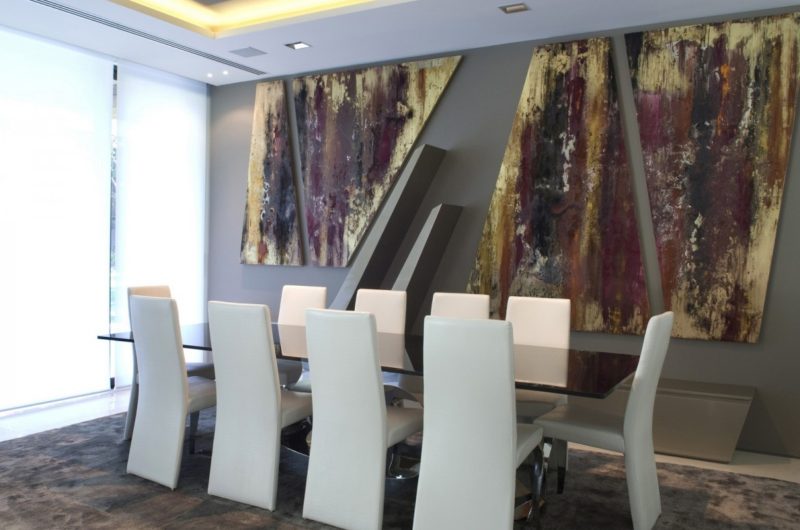
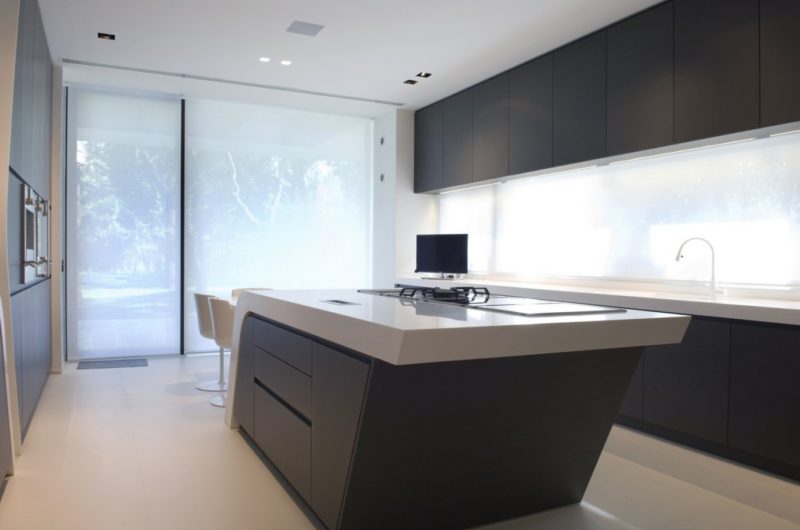
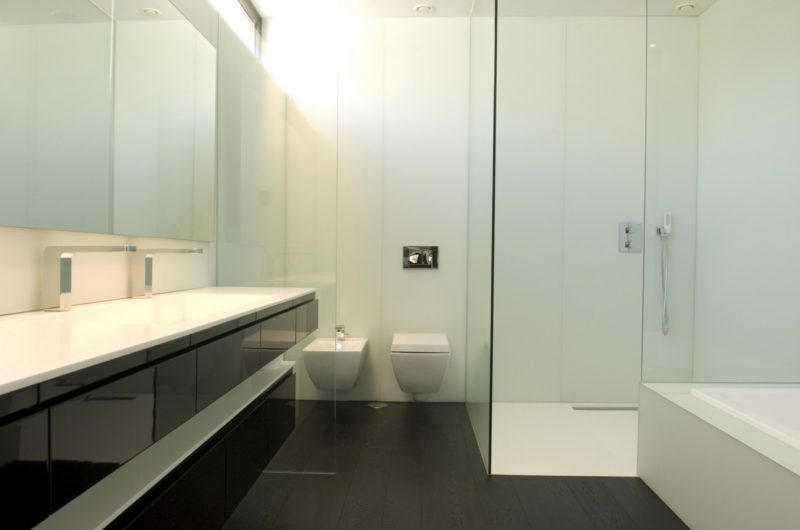
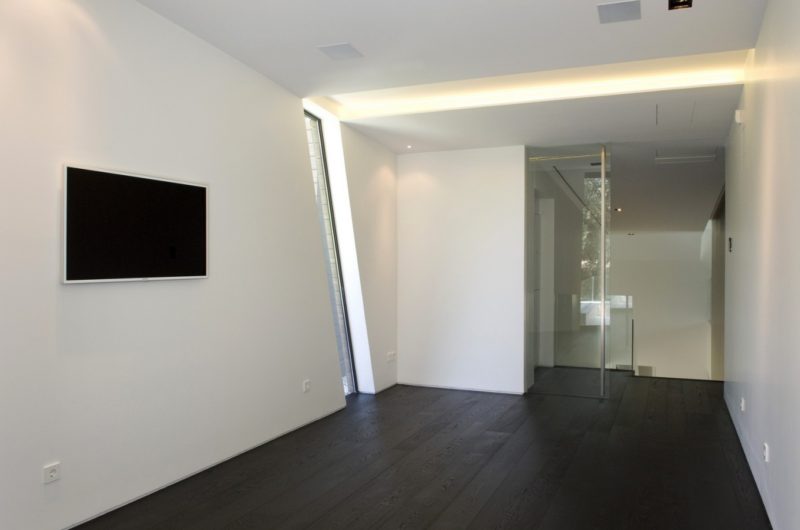
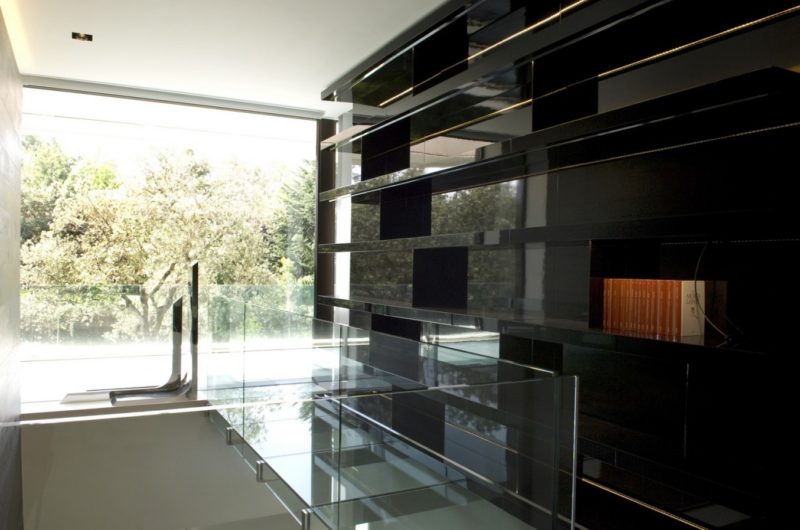
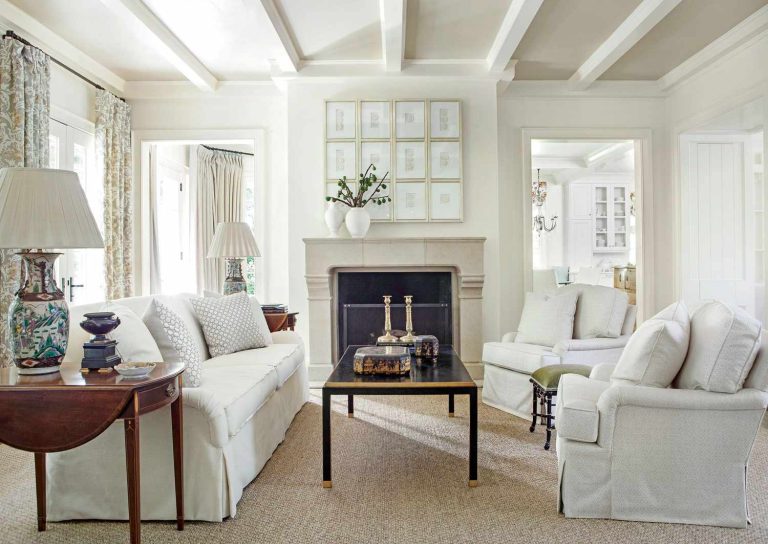
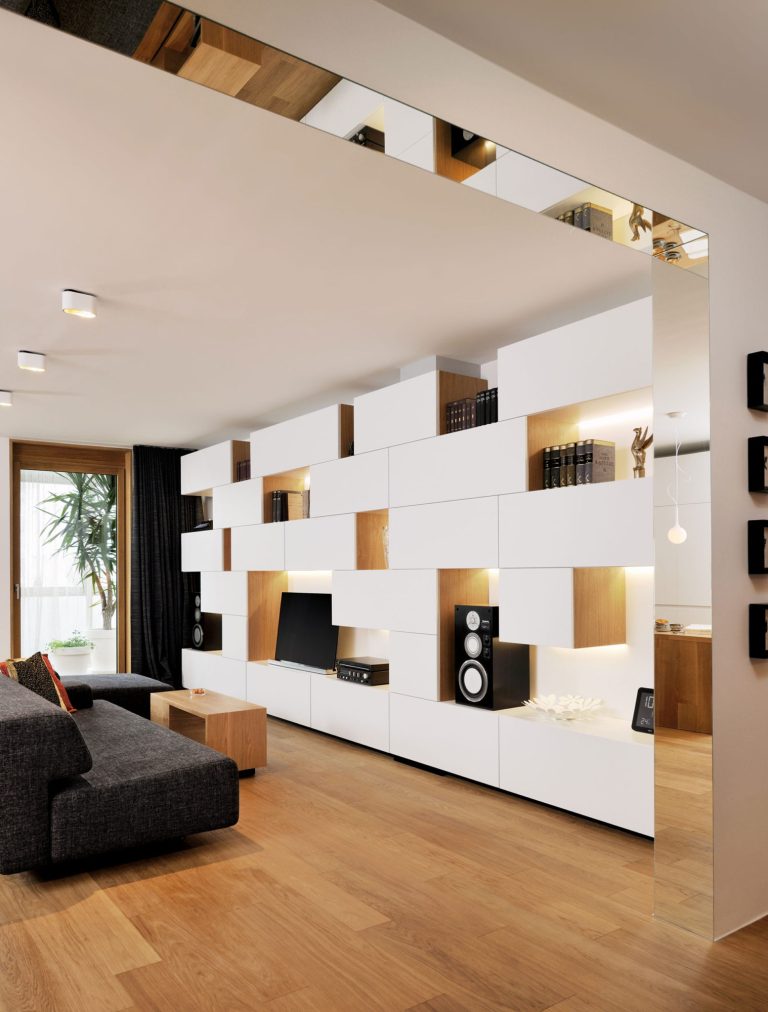
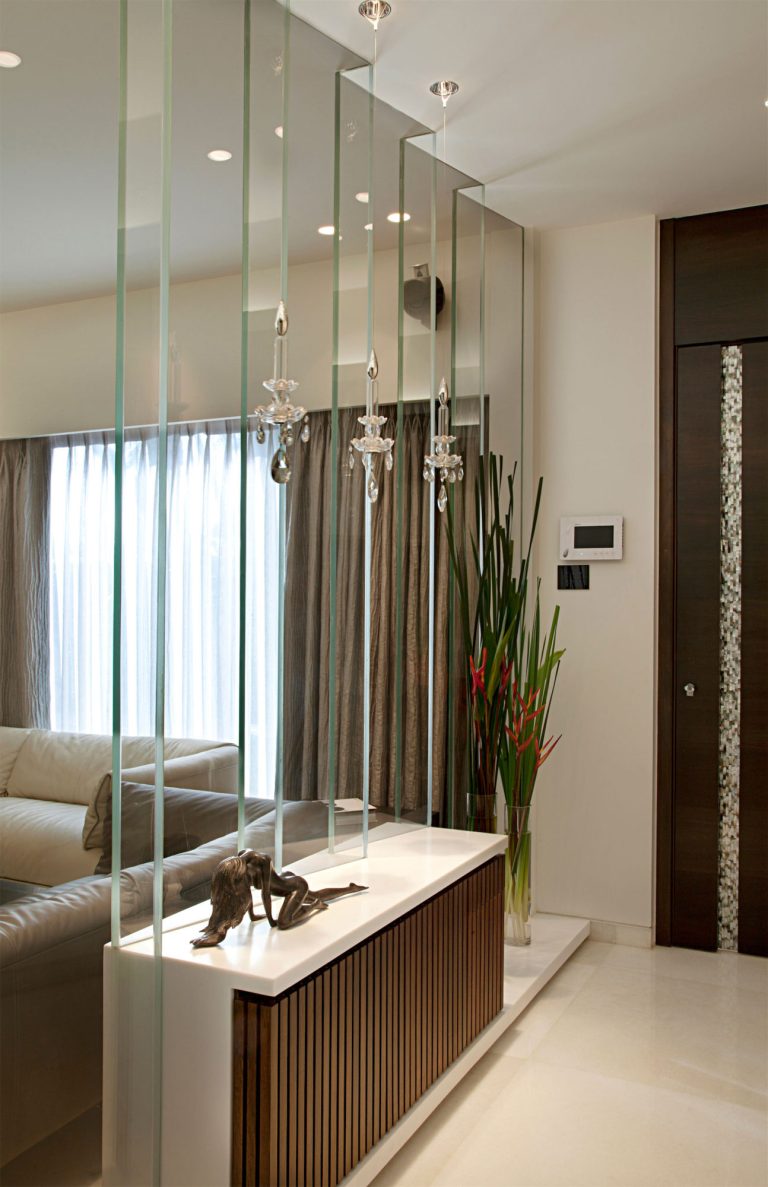
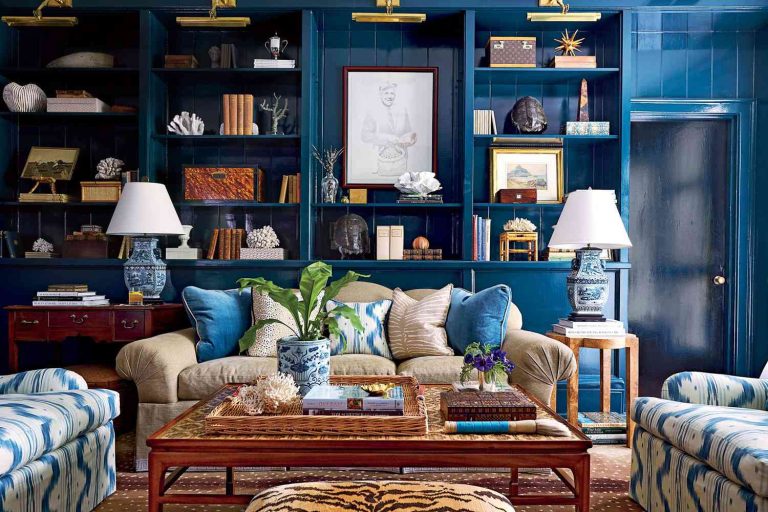
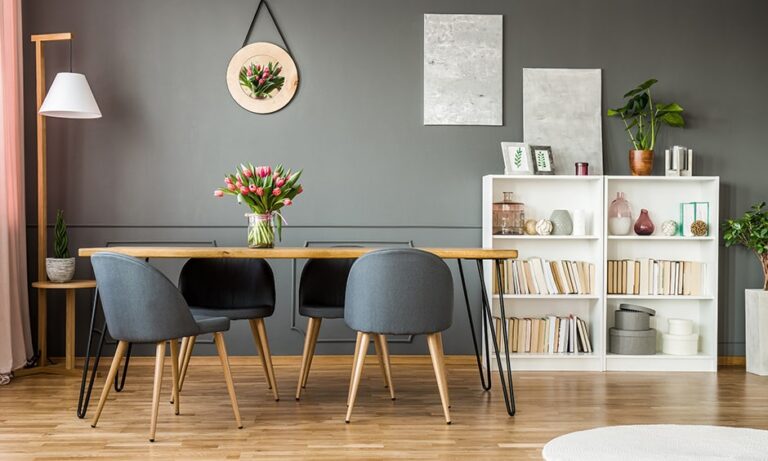
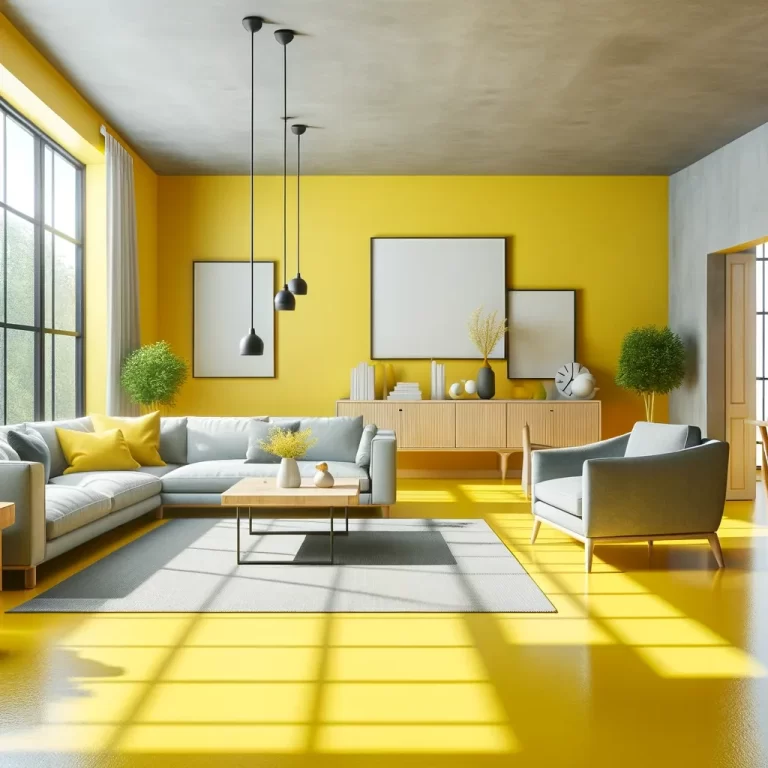
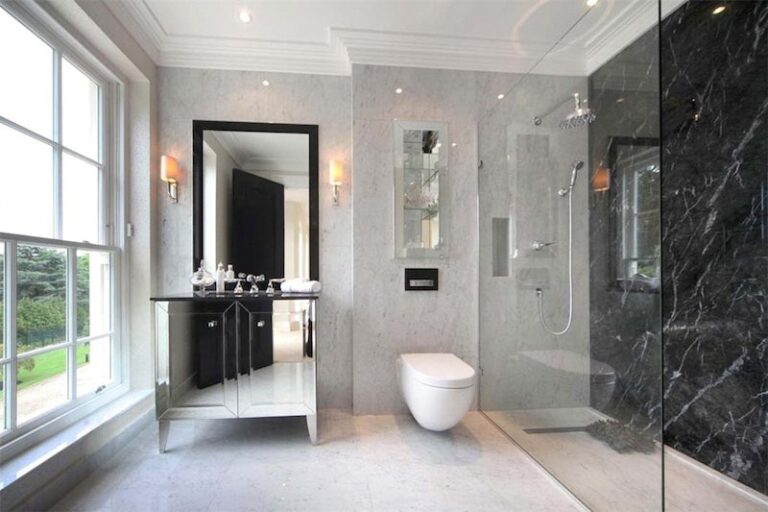
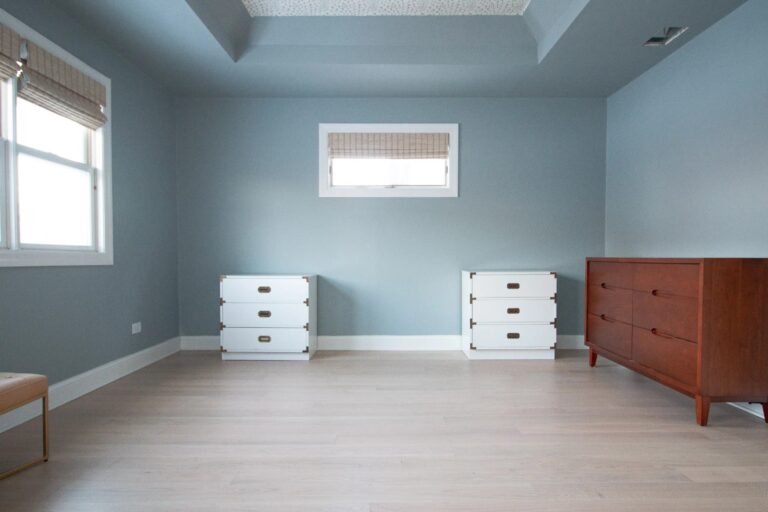
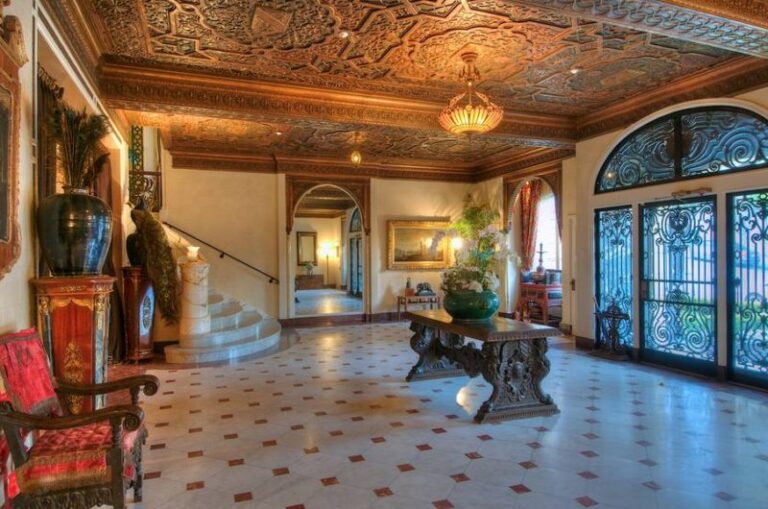
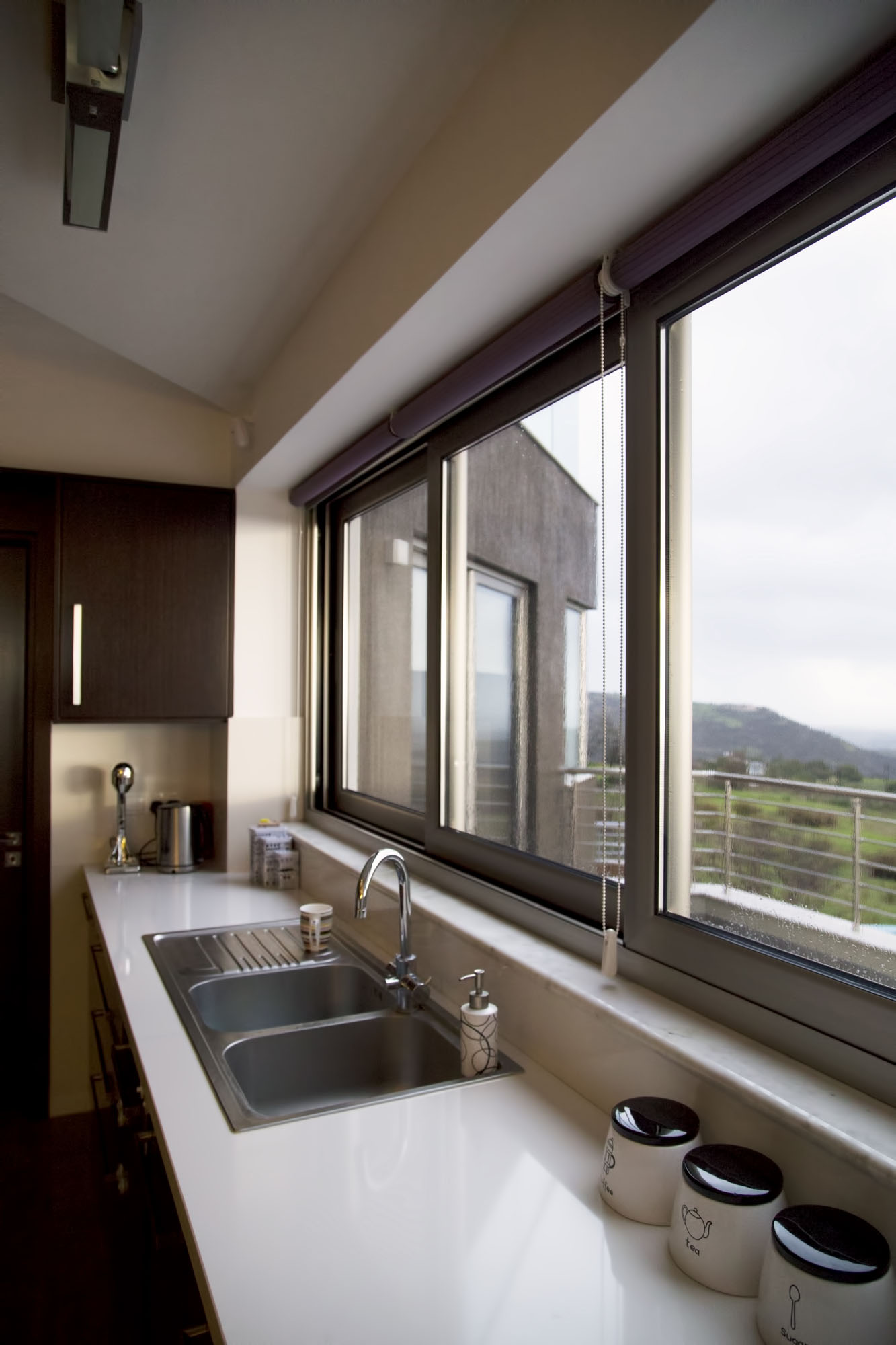
The furniture inside the house was partly designed by A-cero, but the owner completed the design with other furnishings that complemented the general feel of the house. Havanna oak, polished marble, bamboo wood and stone are some of the materials used for this project. The interiors are warm and elegant, featuring a lovely color palette: a lot of white, plus some accents of gray and brown tones.









This sounds impressive, but how exactly did A-cero minimize the environmental impact? Are there any specific sustainability measures or certifications to back up these claims? More concrete details would help validate this project’s green credentials.
A-cero minimized environmental impact by using energy-efficient materials, incorporating natural ventilation, and optimizing solar orientation. While specific certifications aren’t mentioned, these sustainable design strategies significantly reduce the building’s carbon footprint.