
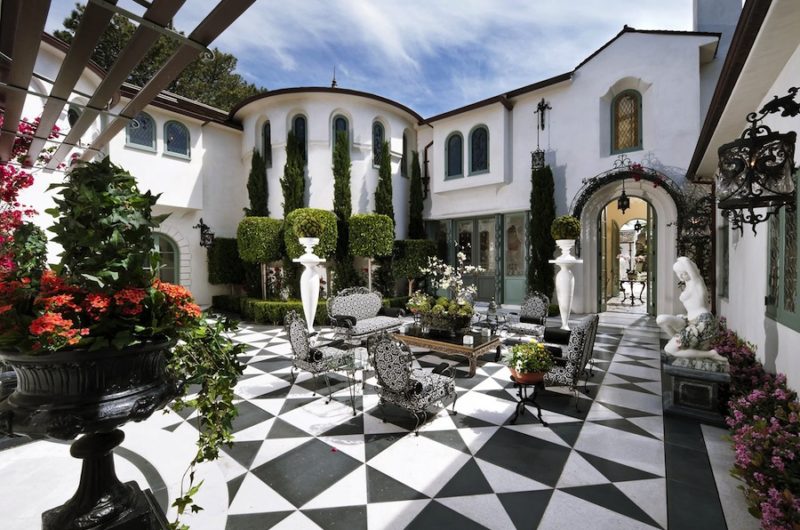
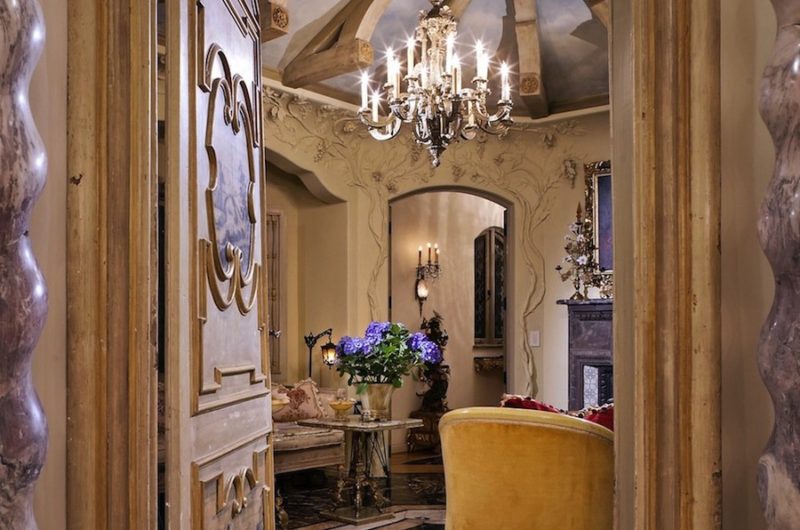
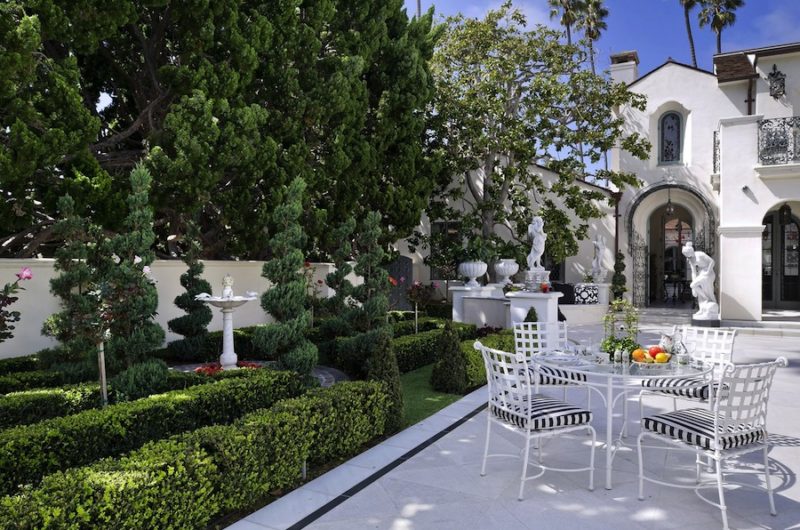
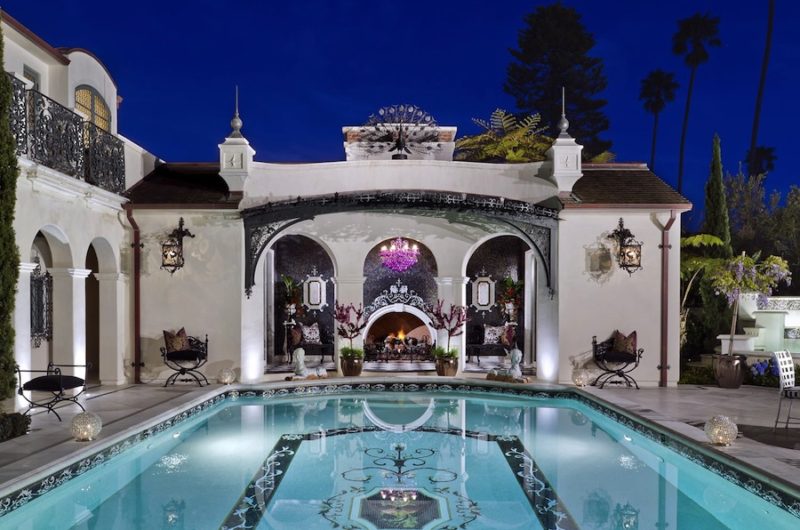
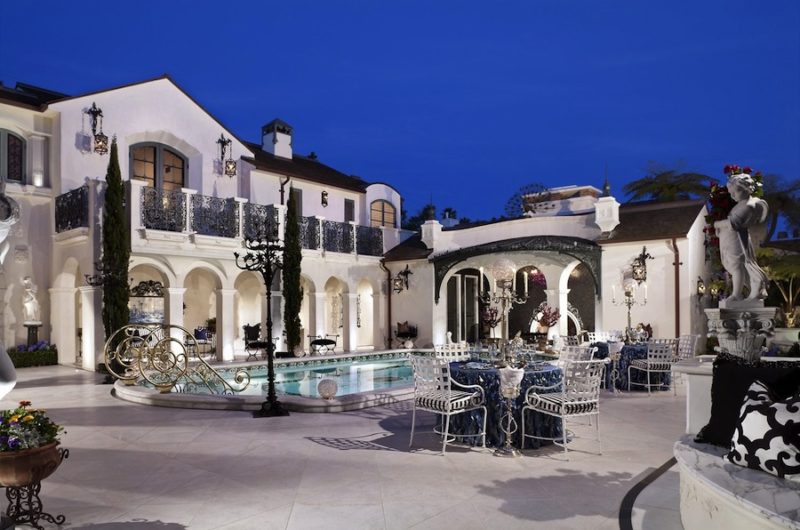
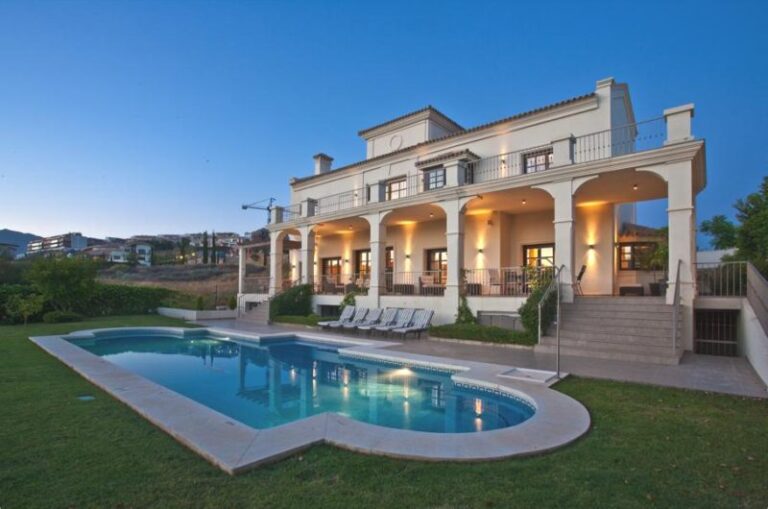
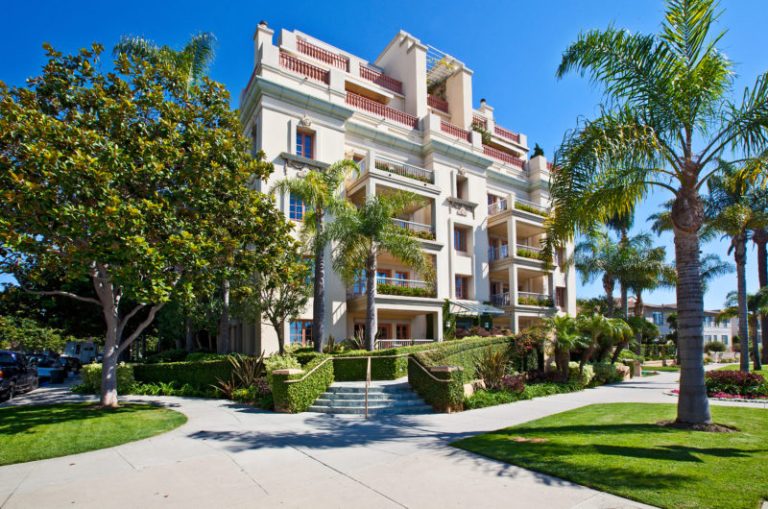
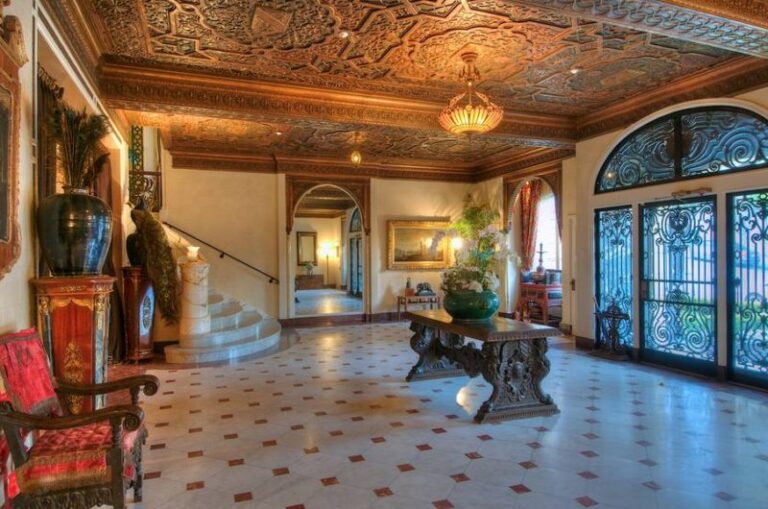
This amazing piece of art was patterned after ‘La Fenice’ opera house in Venice, Italy. It is located in Lower Hermosa area of La Jolla where was brought a piece from the heart of Italy.
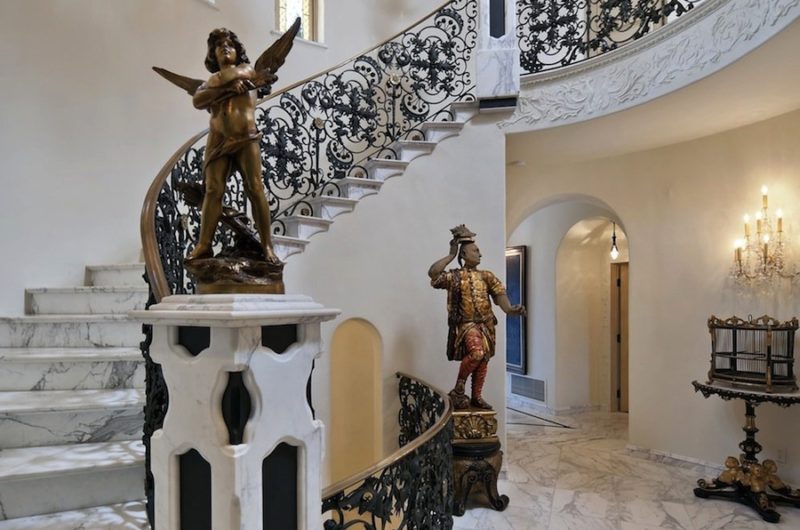
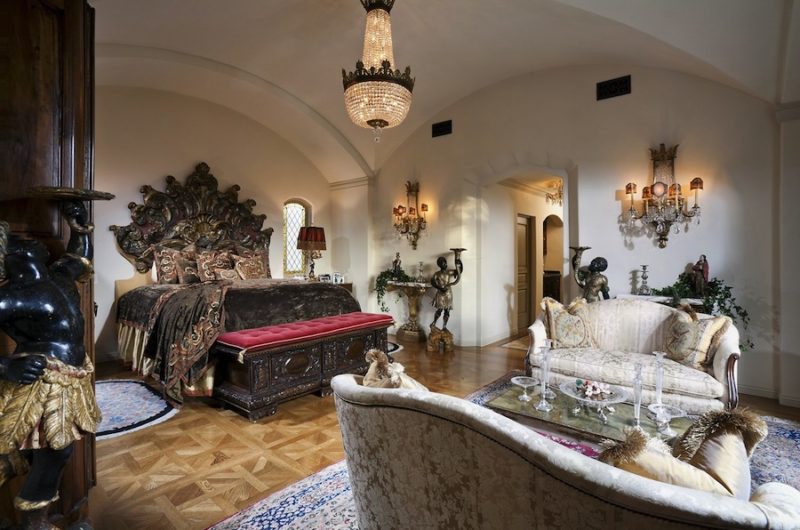
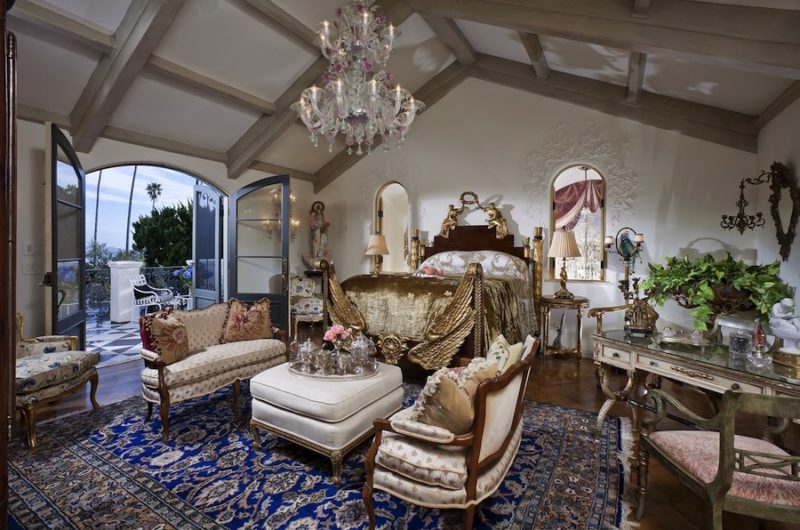
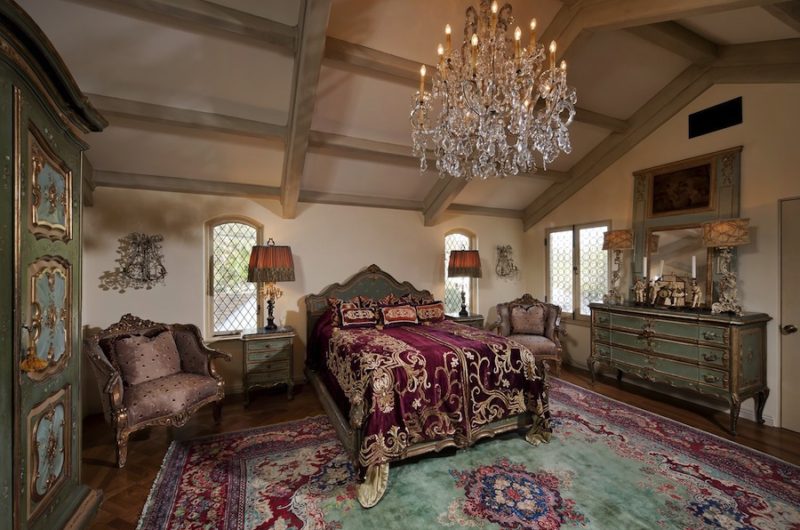
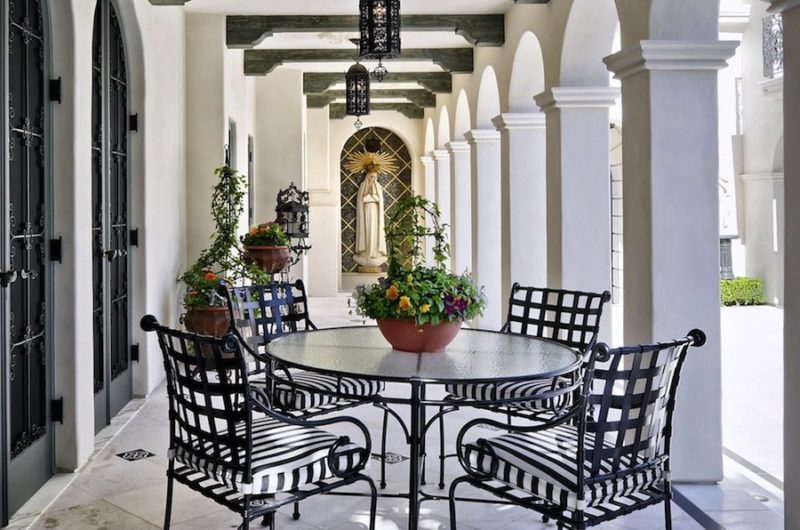
Elegance is its main characteristic and luxury is no secret for this beautiful gem. The Architect Tom Shepherd was the one because of whom Renaissance architecture was crept in the house.
Because the exceptional tax benefit of the State of California Mills Act was retained, the residence was doubled in size to about 10.000 square feet.
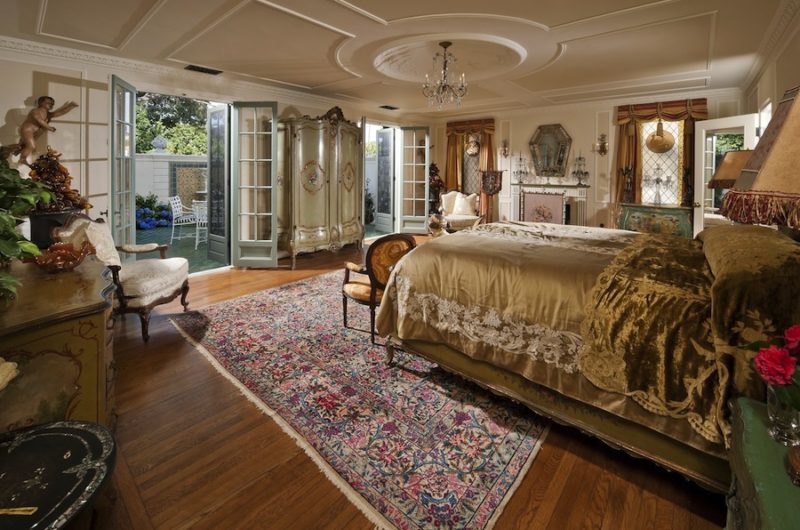
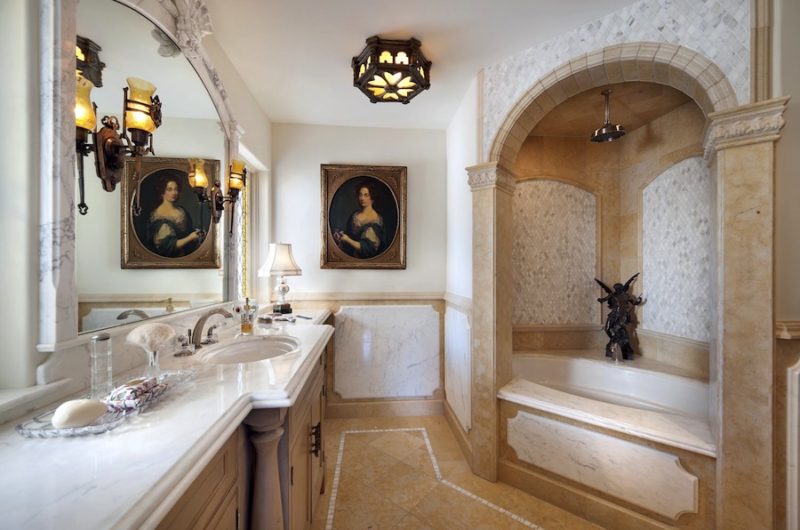
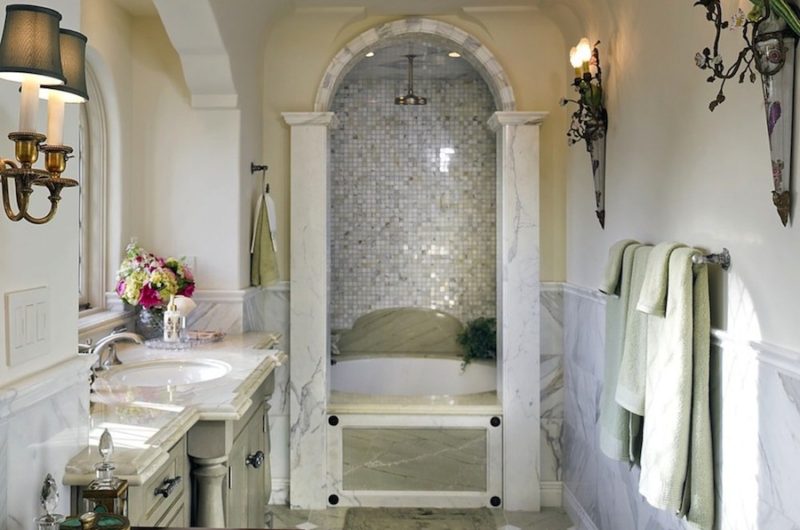
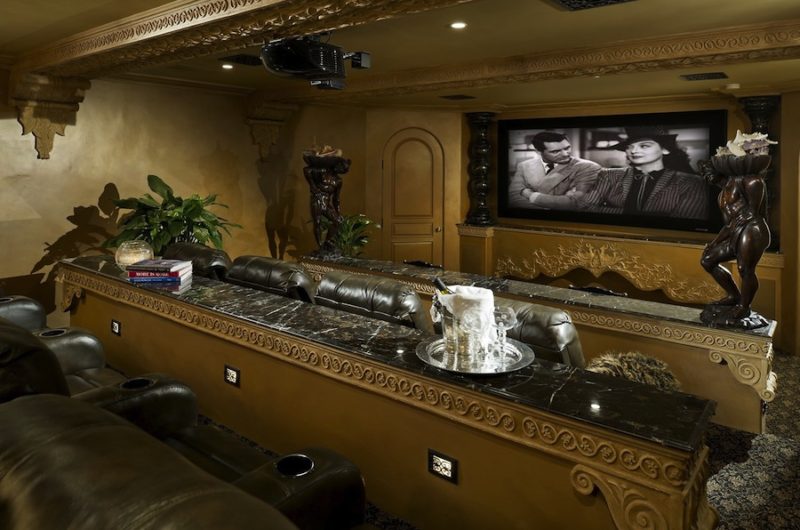
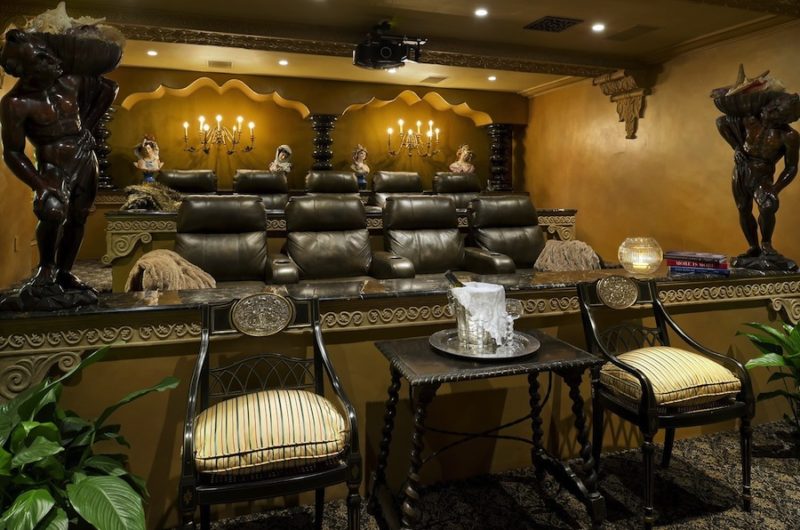
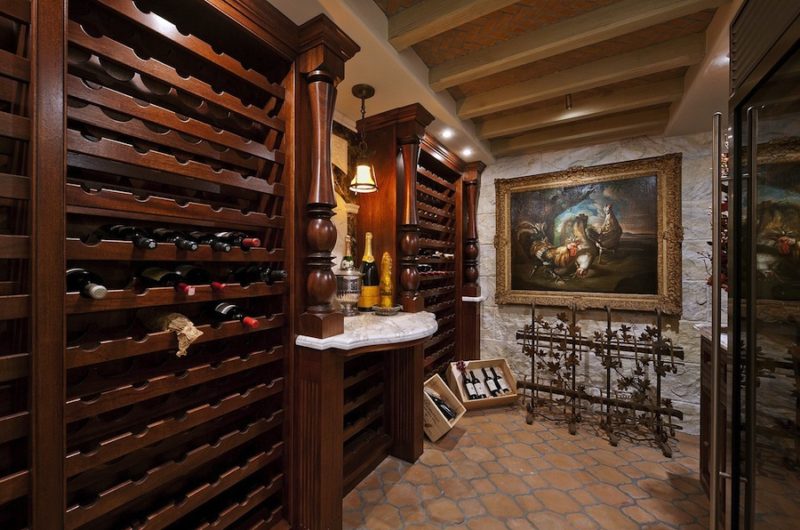
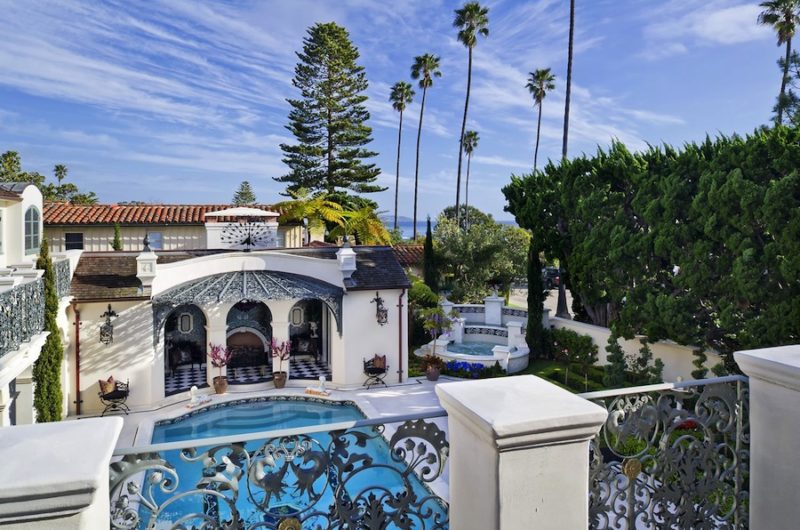
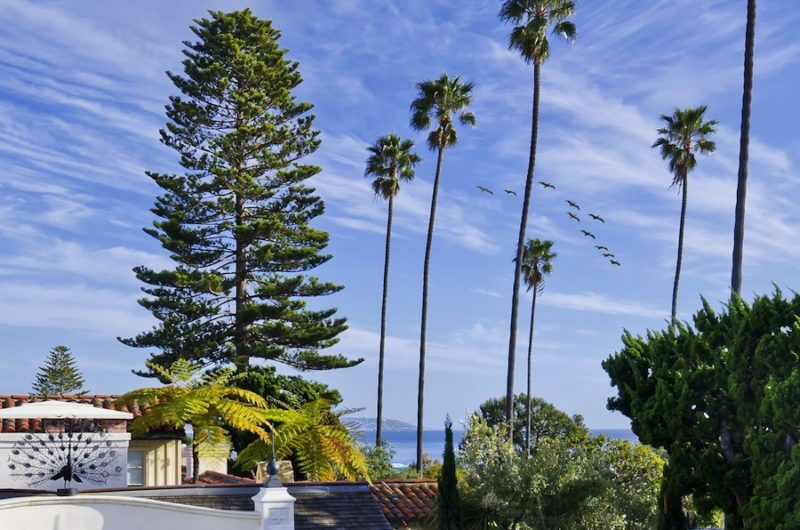
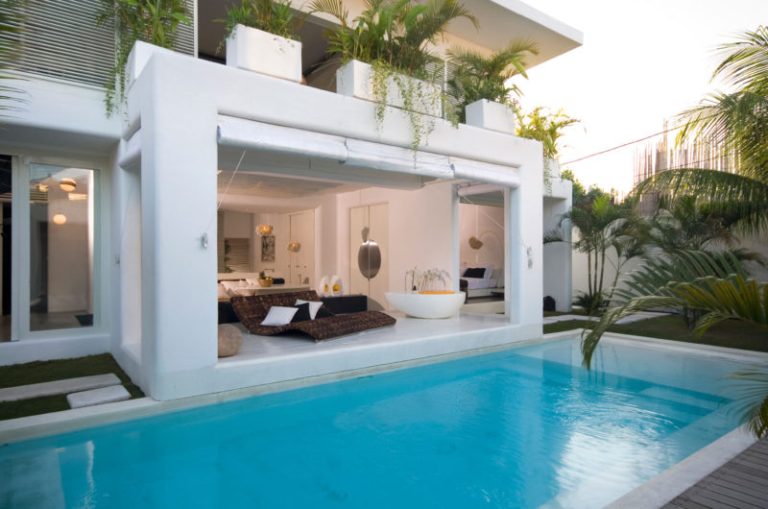
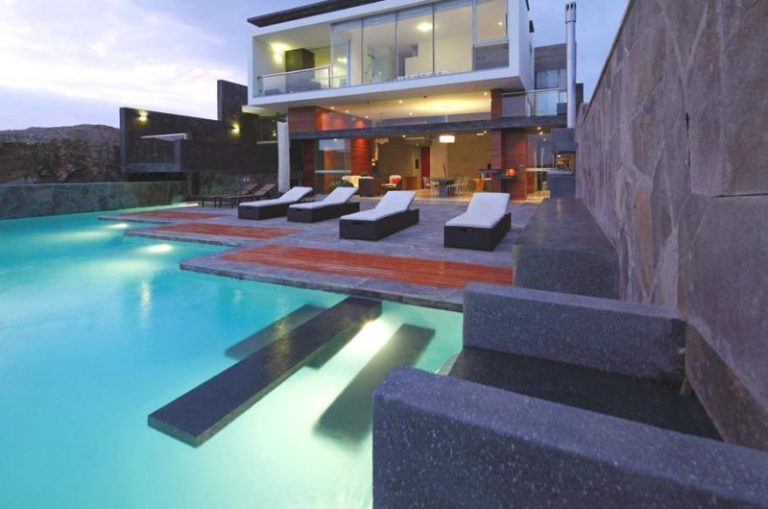
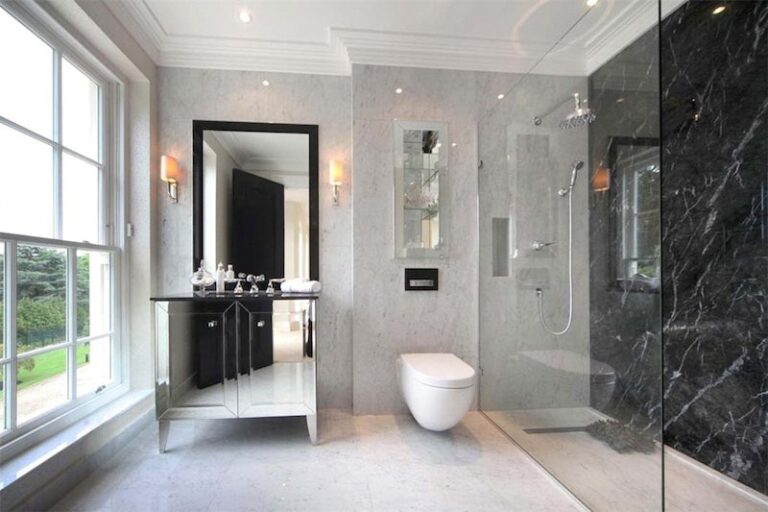
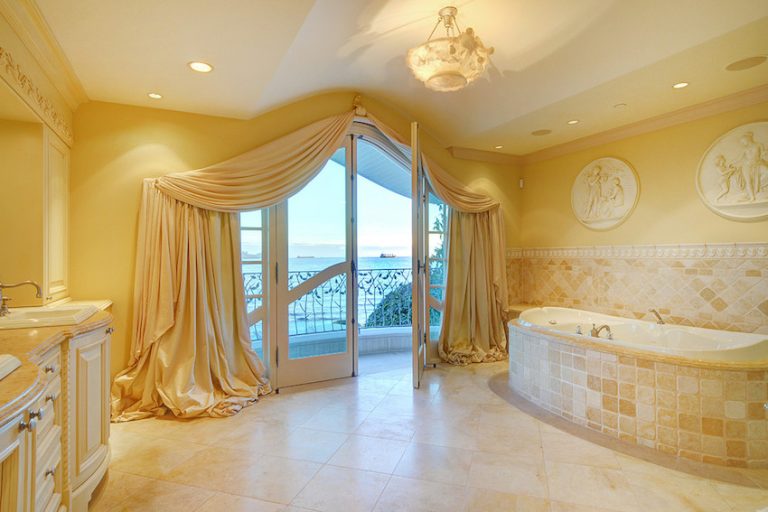
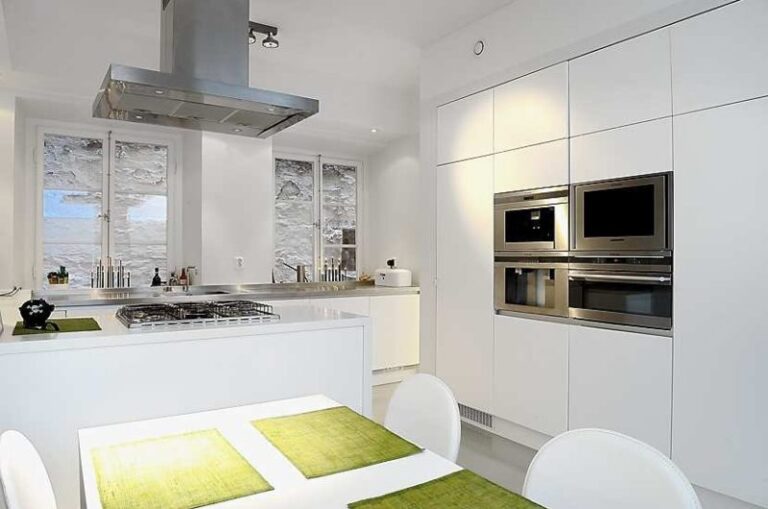
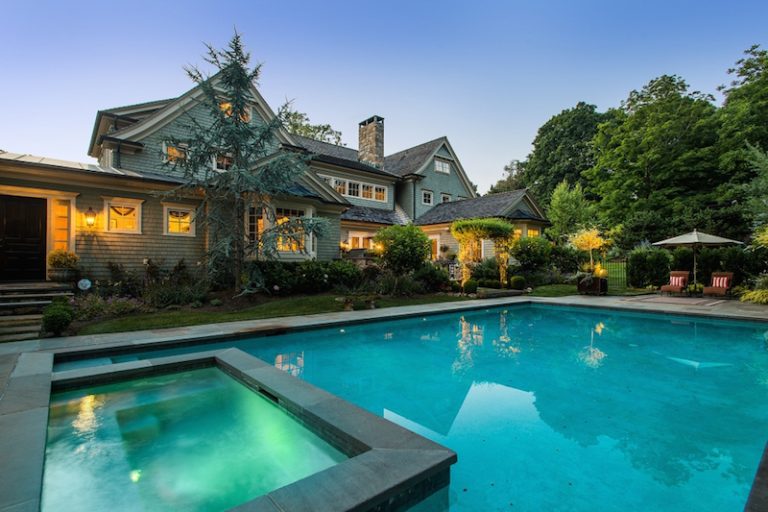
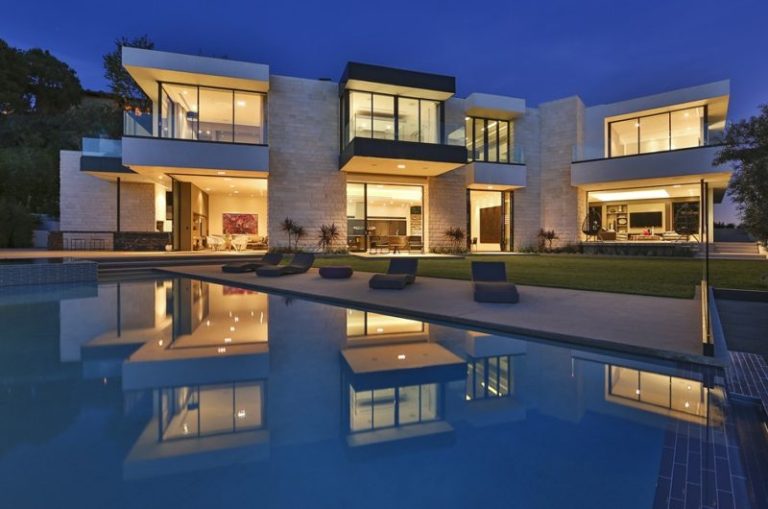
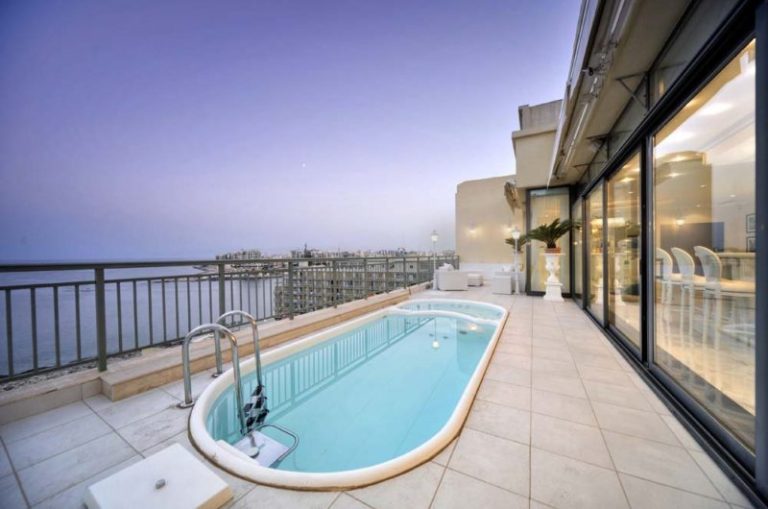
This masterpiece features no less than 6 bedrooms and 10 bathrooms, a private master suite with ocean views, his and hers bathrooms, a sitting area, a home theatre, a wine cellar, some ancillary rooms, five courtyards and an infinity pool.
All these and more for $12.950.000 after the price went down twice.
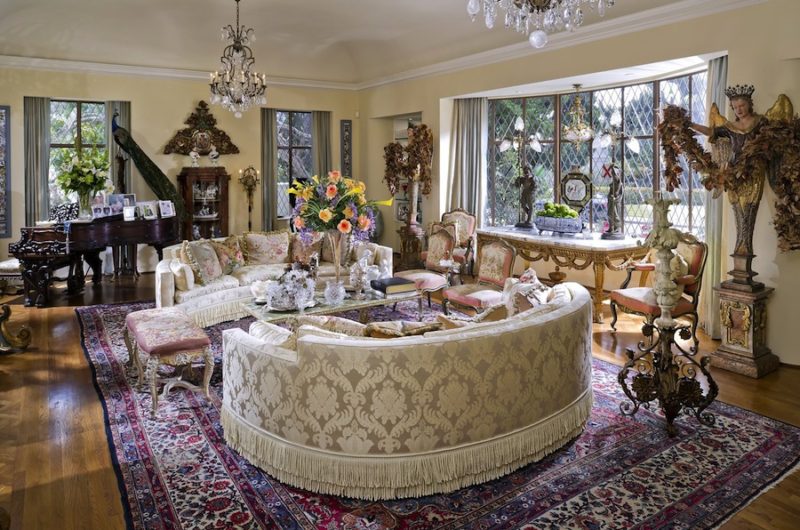
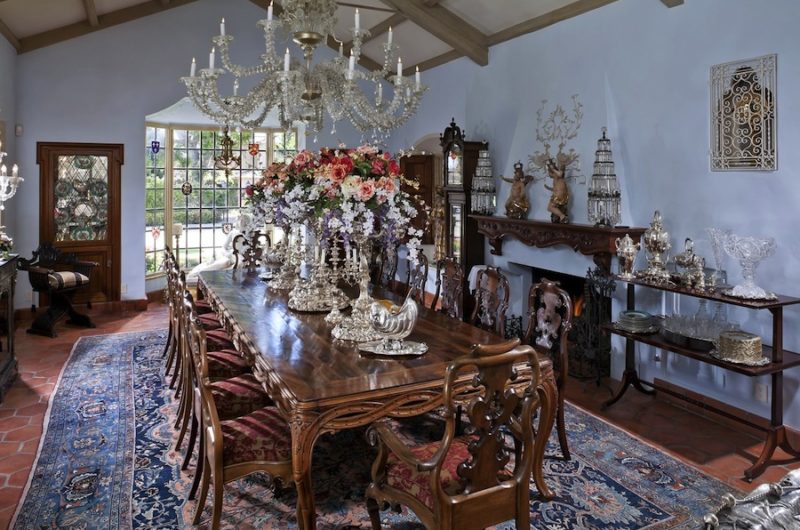
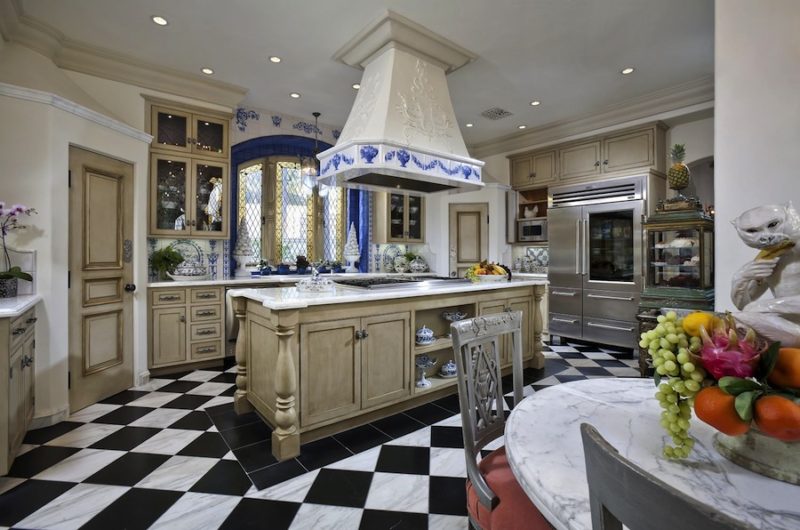
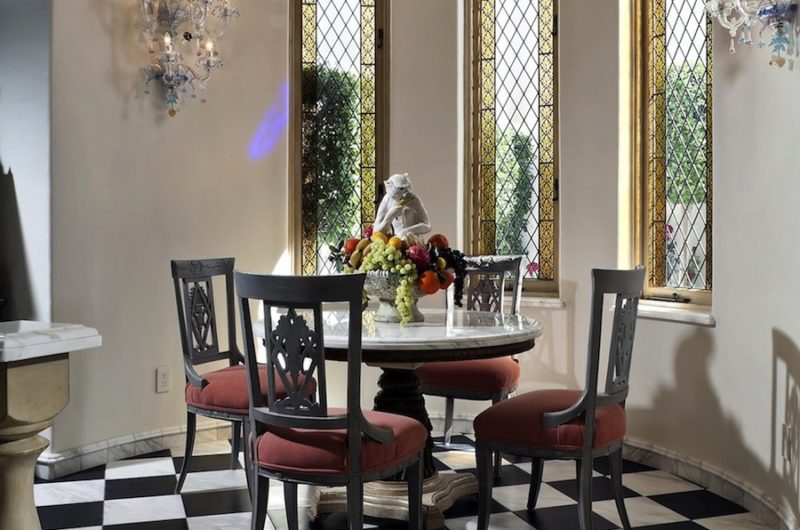





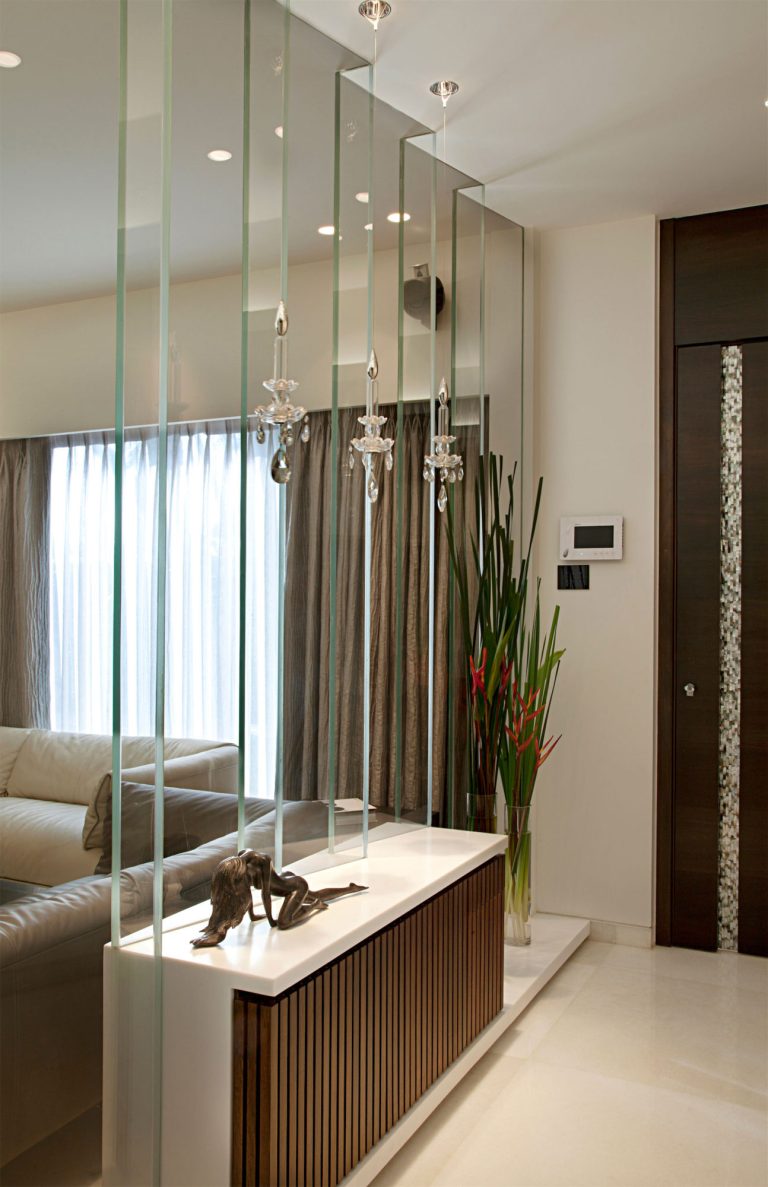
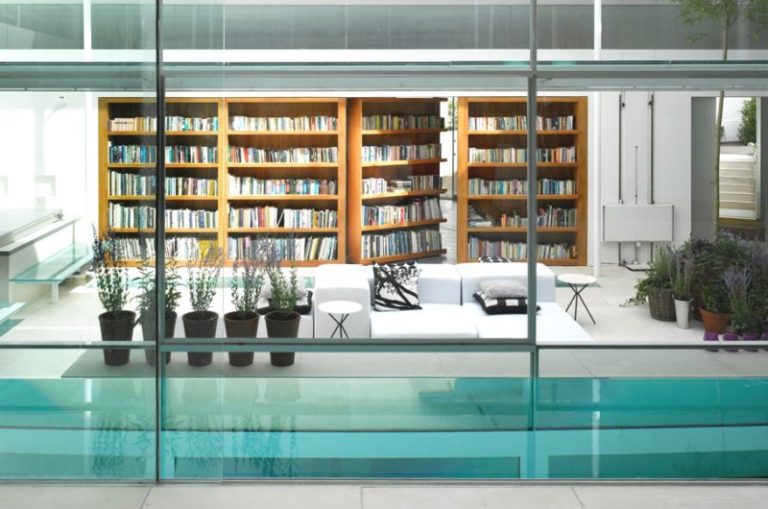




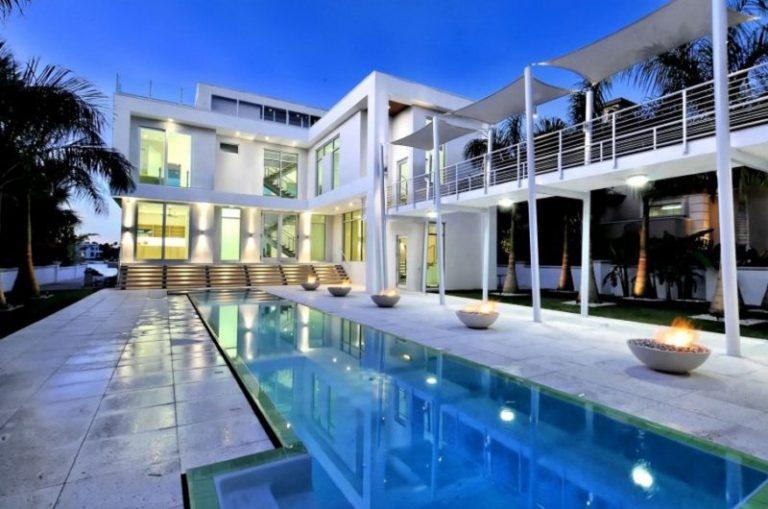


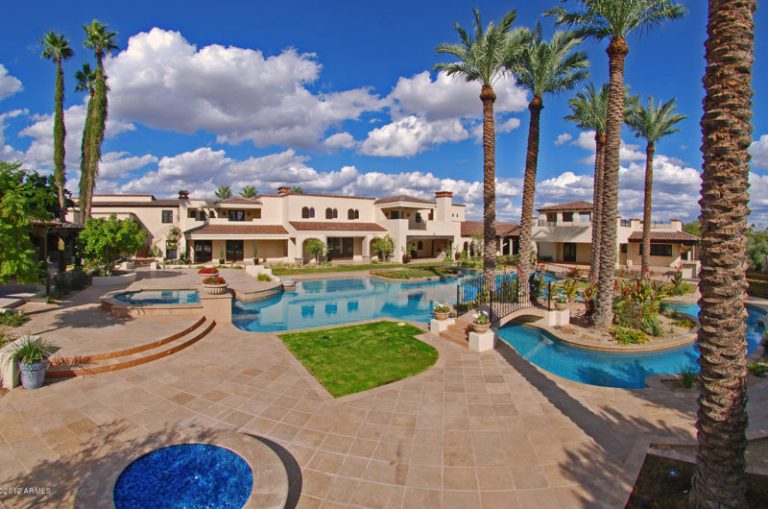























I’m intrigued but curious—how exactly does this residence embody Renaissance architecture beyond just aesthetics? And what concrete benefits did the Mills Act provide here? More specifics would help make this luxurious claim truly convincing.
This residence features classic Renaissance elements like symmetrical design, arched windows, and detailed stonework. The Mills Act provided significant property tax savings, enabling careful preservation while enhancing its historic value and luxury appeal.
This sounds impressive, but where’s the proof that it truly reflects La Fenice’s design? Also, how exactly did the Mills Act double its size? I’d like to see official documentation before buying into these claims.
Thank you for your interest! The design inspiration from La Fenice is detailed in our architectural plans, available upon request. The Mills Act allowed for permitted expansions, effectively doubling the residence’s size through approved additions. We’d be happy to provide official documents for your review.