
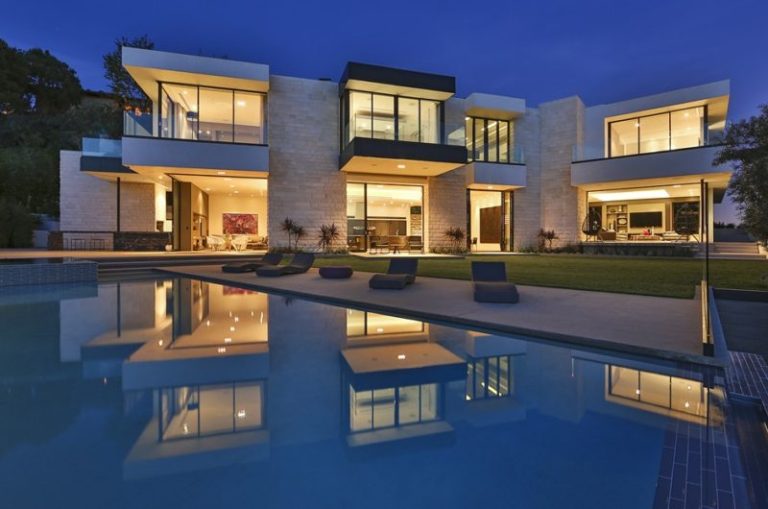
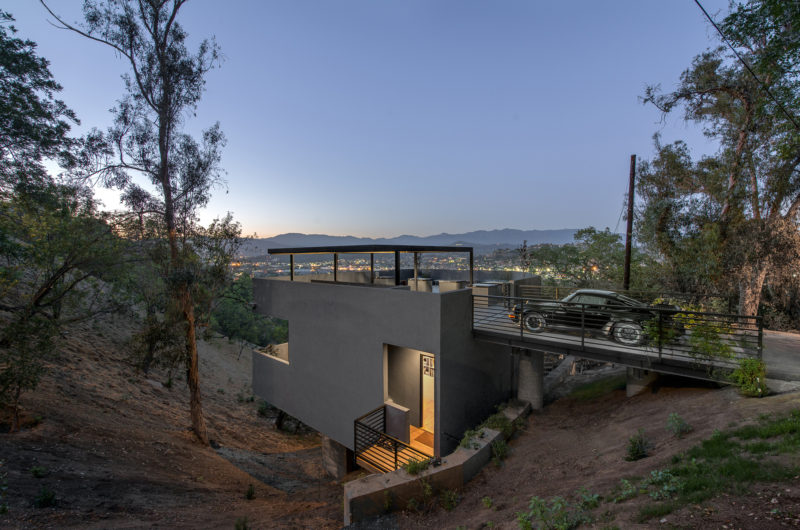
A client in Shizuoka, Japan hired the Mount Fiji Architects Studio in 2009 to design the Plus – a modern weekend home located on a difficult terrain.
The architectural concept is based on the crossing of two rectangular parallelepipeds at very right angles, the lower one featuring private rooms with bathroom, while the upper one contains a salon and a kitchen, lying astride the lower one and the mountain ridge.
This highly abstracted building never stops of being part of the nature.




Did the crossing design actually solve the slope’s drainage issues, or just look good in photos? I need technical details on how the upper volume handles seismic activity on such unstable ground.
Great question! The crossing design channels water through integrated subsurface drains, preventing saturation. For seismic stability, the upper volume uses a base-isolation system with high-damping rubber bearings, effectively decoupling the structure from ground tremors while maintaining aesthetic integrity.