
Dee Saale and her husband purchased a 1950s house in Boulder, Colorado, which had been lovingly maintained by the same family for 63 years. While the structure was sound, the home had not been renovated in decades, and the kitchen required a complete overhaul.
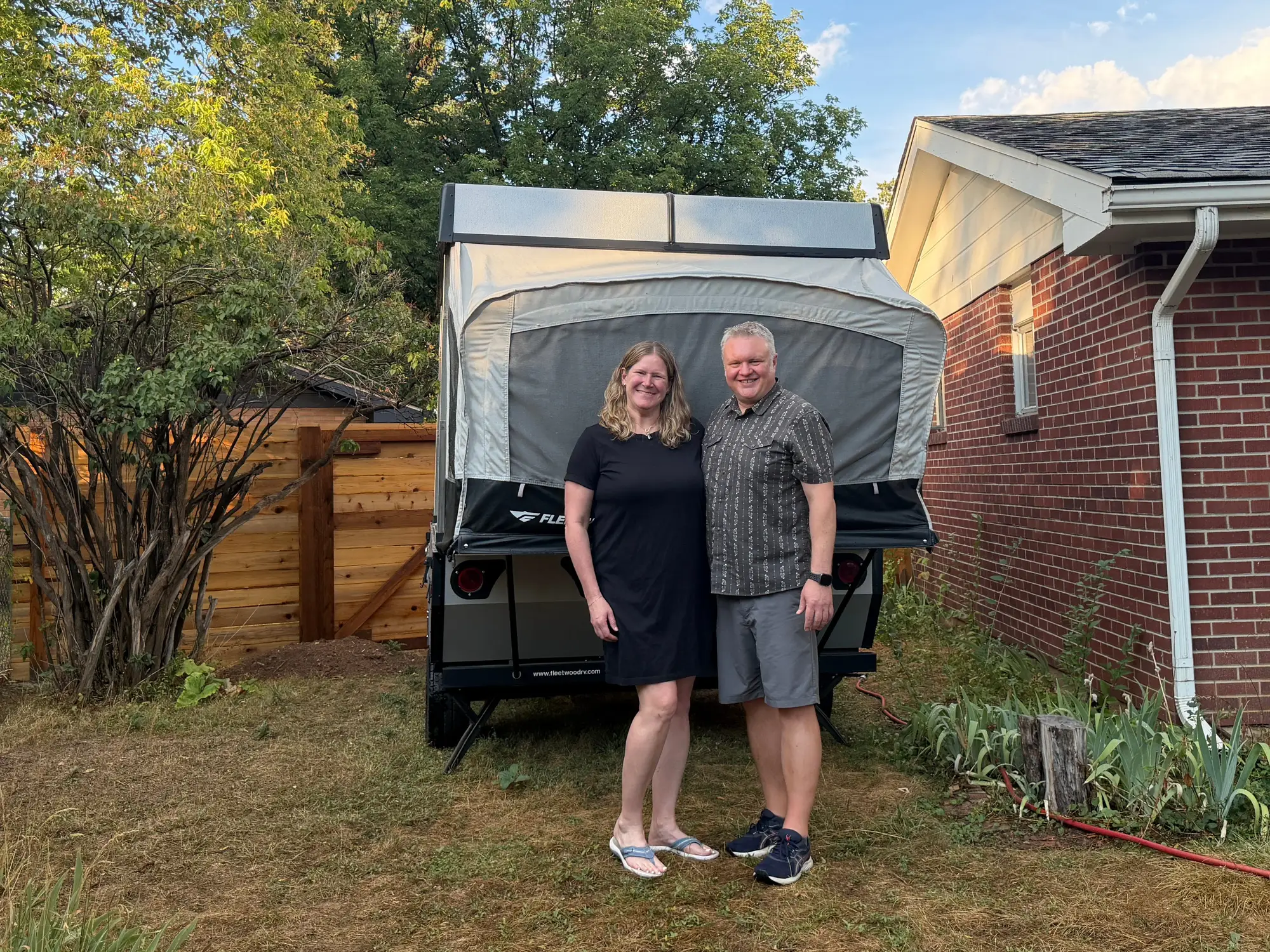
Renovating while living in the house presents a common dilemma: living without a kitchen is difficult, and paying for temporary accommodation can drain the budget allocated for the renovation. The couple’s solution was to utilize a pop-up camper they had purchased about 20 years prior for camping trips.
Why they skipped the hotel
Staying in a Boulder hotel would have cost hundreds of dollars per night. Short-term rentals were similarly expensive, particularly during the summer and the university move-in season.
The couple also planned for the work to be done in stages. “We knew we couldn’t do everything at once,” Saale wrote.
The property’s size facilitated the plan. The lot exceeds a third of an acre, which is large by Boulder standards, providing ample space for the camper next to the patio.
Three months in a 15-foot camper
The couple lived in the backyard for three summer months. Their daily routine included the following arrangements:
- The camper. Fully extended, the unit measures approximately 15 feet long, 7 feet tall, and 7 feet wide. It contains two double beds on foam mattresses and a small booth-style table.
- No camper sink. They did not hook up the camper’s water supply, citing concerns about mold.
- The house bathroom. The indoor bathroom remained functional, allowing them to shower there. They even used it to rinse fruits and vegetables after the kitchen was demolished.
- An outdoor kitchen. A toaster oven, slow cooker, and microwave were powered by outdoor outlets. Meals were primarily eaten on the patio using disposable dishes.
- Careful cooking. They avoided cooking methods that might attract wildlife.
This caution was particularly relevant in Colorado. According to Colorado Parks and Wildlife, bears may move into neighborhoods when natural food sources are scarce. The agency advises residents to clean and store grills and never leave pet food outdoors.
The three-month duration was sufficient to rework a tiny 1937 Charleston-style kitchen that originally had no room for a stove. Old tile from the attic was reused as the oven backsplash.
The renovation of the Boulder home is now largely complete, and the couple is living with a new kitchen.
What a backyard stay doesn’t fix
Saale does not claim the experience was effortless. She admits that the three months in the yard were not entirely enjoyable. The couple could have spent thousands of dollars to improve the camper’s comfort but chose to direct those funds toward the house instead.
The setup relied on three key factors: summer weather, a functional indoor bathroom, and nearby outdoor outlets. Removing any of these would have made the stay significantly more difficult.
The age of the house is also a consideration. According to the EPA, homes built before 1978 are more likely to contain lead-based paint. Renovation that disturbs painted surfaces can generate significant lead dust. In a 1950s house, this is a factor to check before demolition begins, especially if residents plan to live in close proximity to the work area.
Saale’s verdict is clear: the stay was not perfect, but it saved a significant amount of money. By staying on the property and investing comfort money into the house, they achieved their renovation goals efficiently.
The post Couple lives in backyard camper for three months to save on renovation costs while renovating 1950s Boulder home appeared first on Homedit.


















Ah, the classic “save money” strategy. Pay thousands to live in a 15-foot box with no sink, just to avoid paying thousands for a hotel. Because nothing screams financial savvy like trading comfort for the sheer joy of mold anxiety in the backyard.
Haha, you nailed it! The irony wasn’t lost on us. While the mold anxiety was real, the savings on the hotel and the convenience of being on-site for the renovation made the trade-off worth it. It’s all about prioritizing what matters most during a project.