
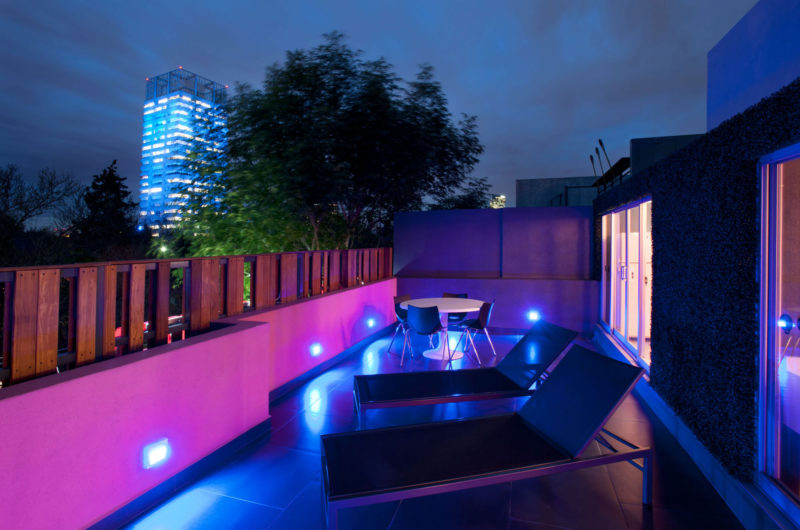
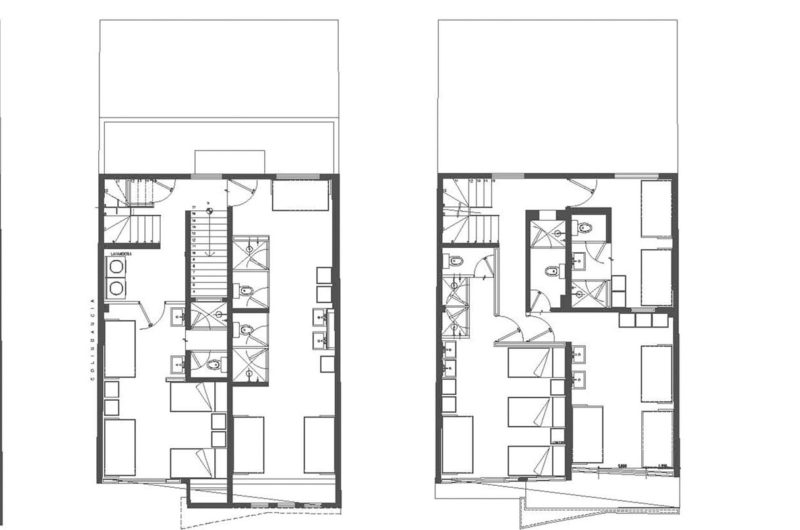
The Hostal La Buena Vista designed by ARCO Arquitectura Contemporánea is a formal residential development from the early years of the XX century in Mexico City that was revived by the investors due to the recent economic growth of the area.
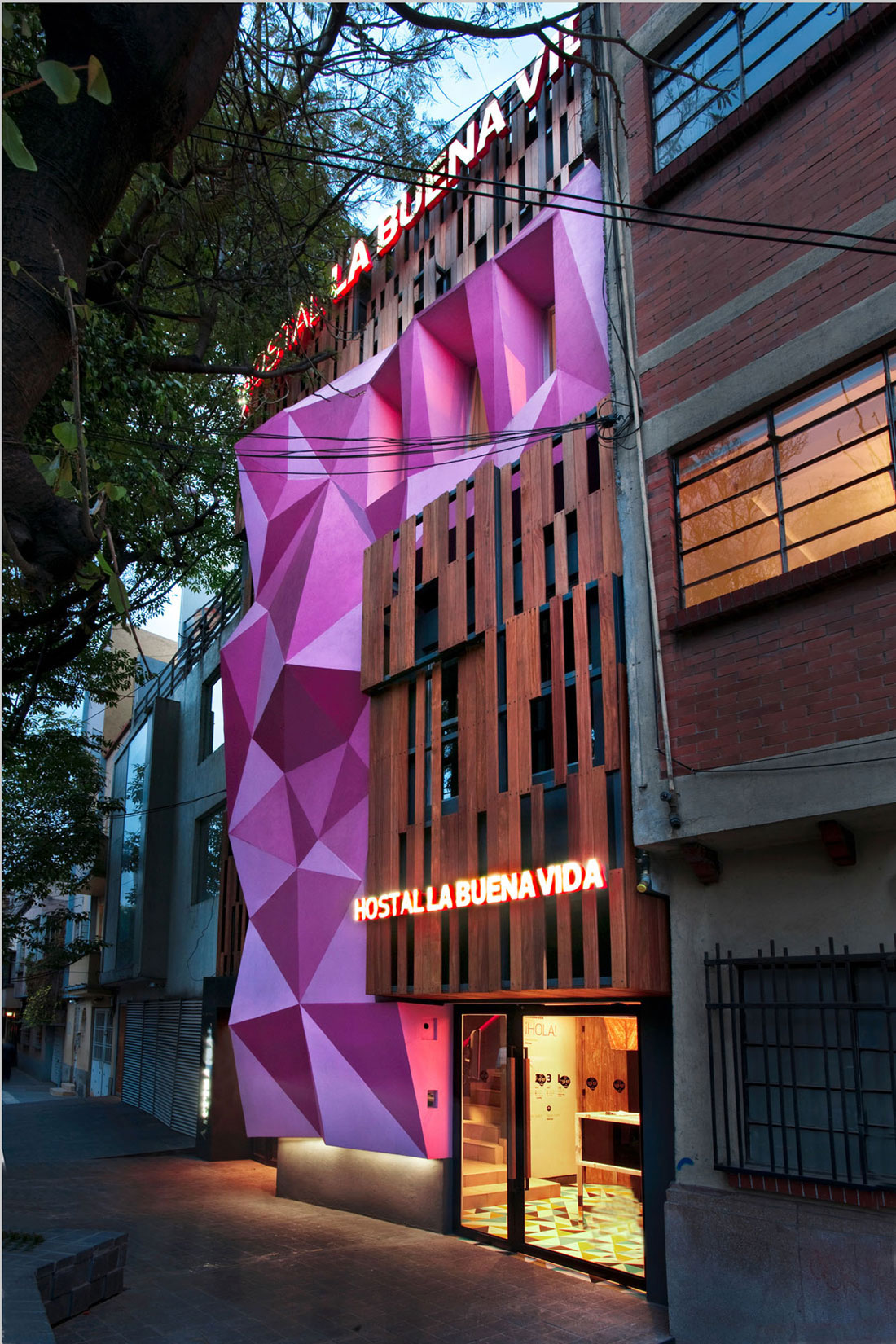
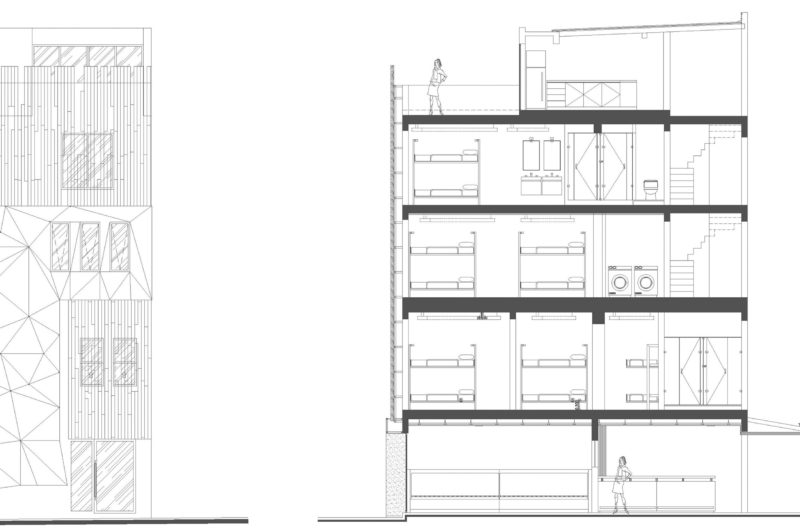
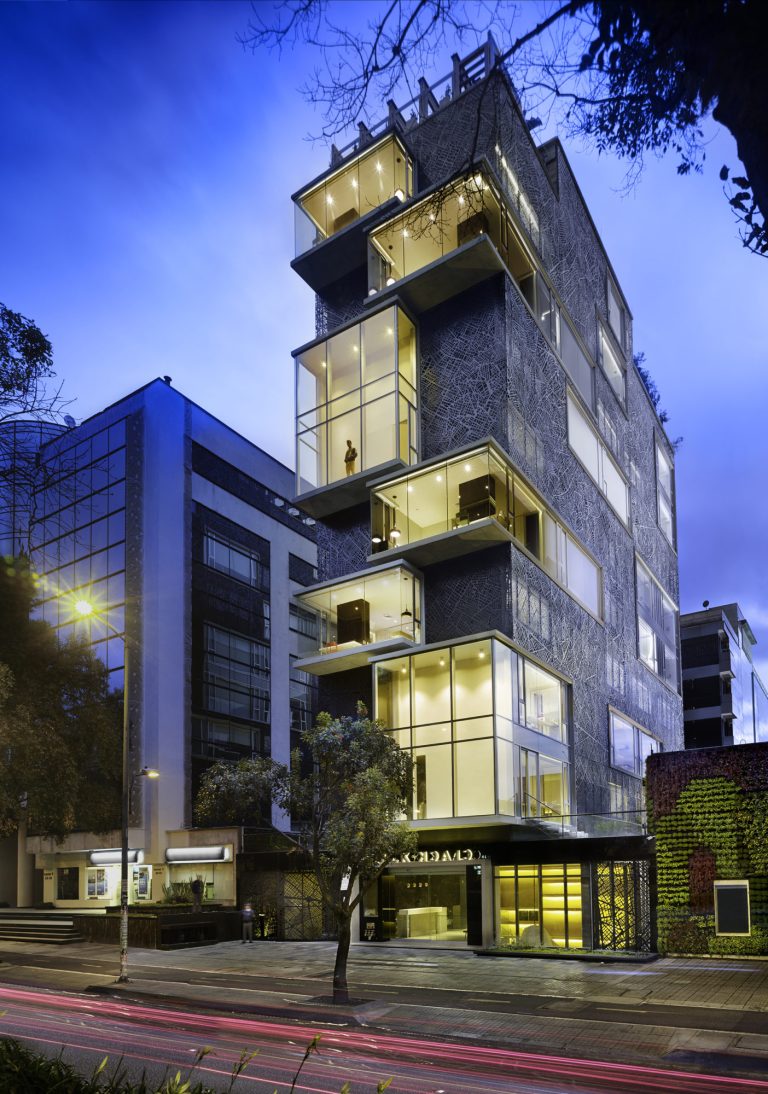
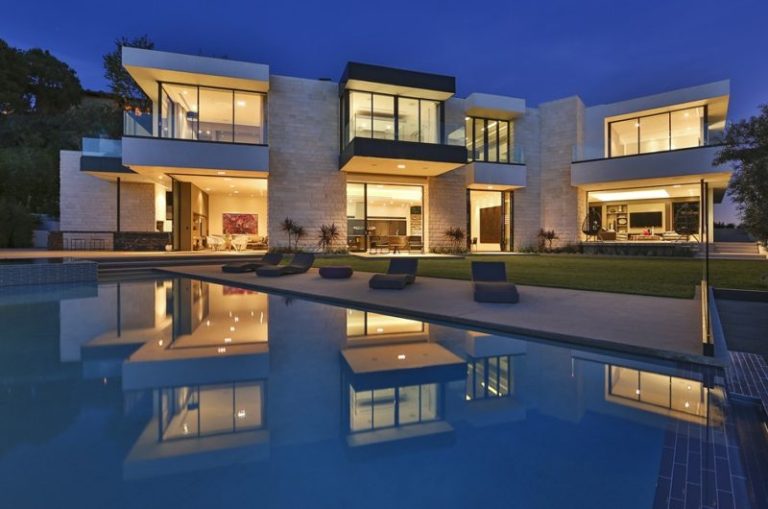
The architecture team accessorized the new building with a double skin on the façade in order to reduce the street noise and to control the temperature inside. The colors and the textures used make the hostel an eye catcher.
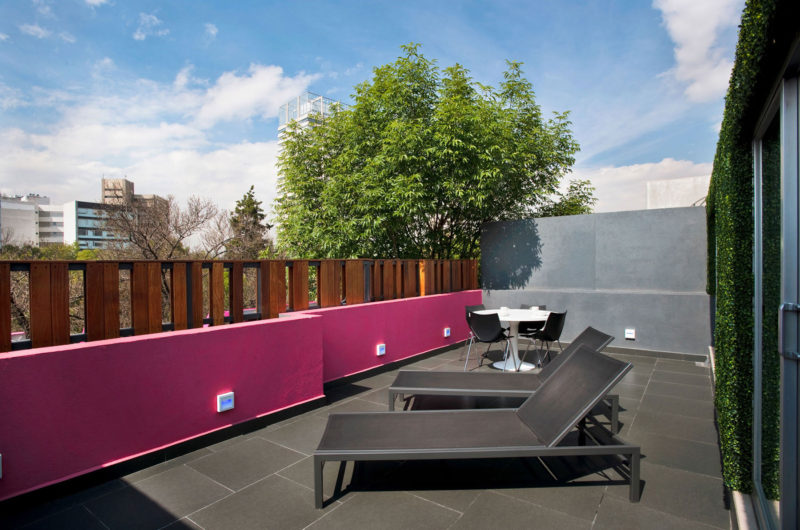
The attractive geometric shapes on the façade that evoke the Mexican style are complemented with the warmth of the Ipe wood lattice.
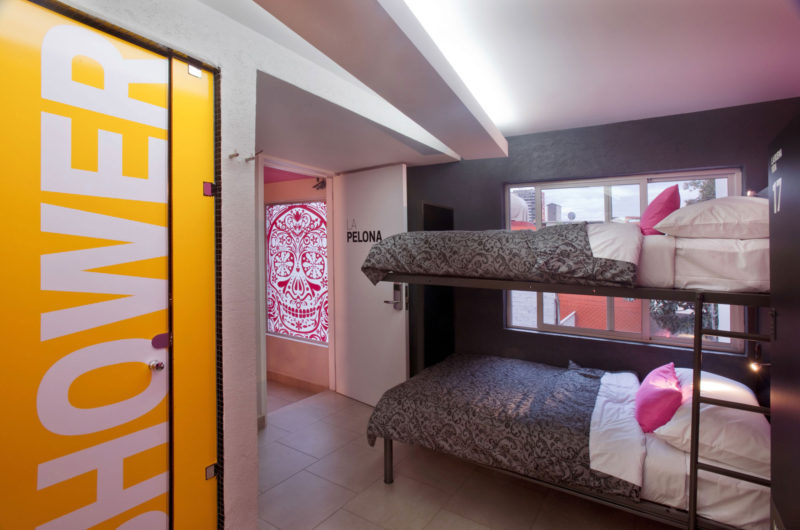
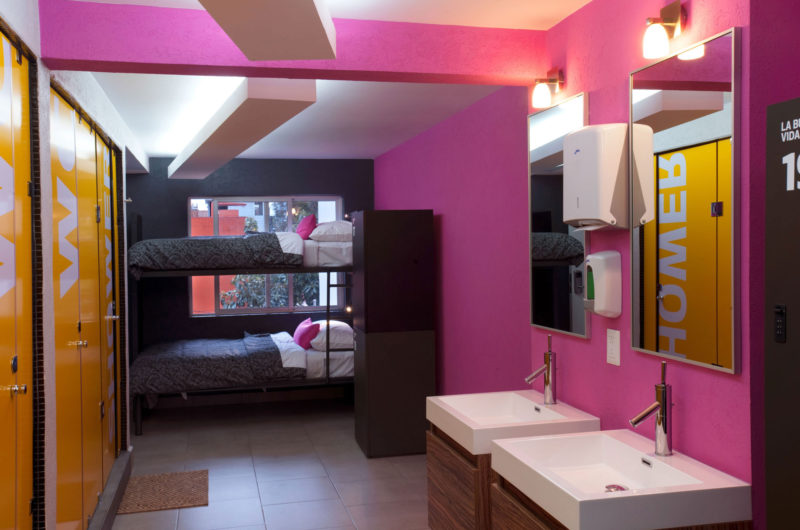
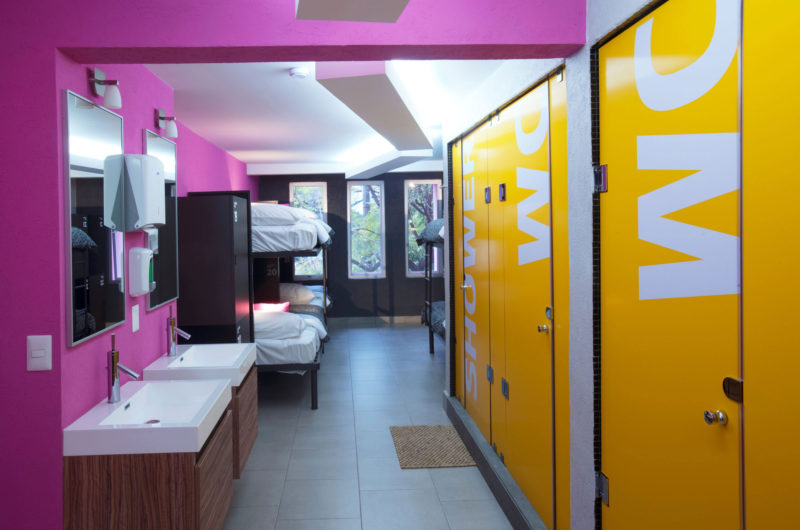
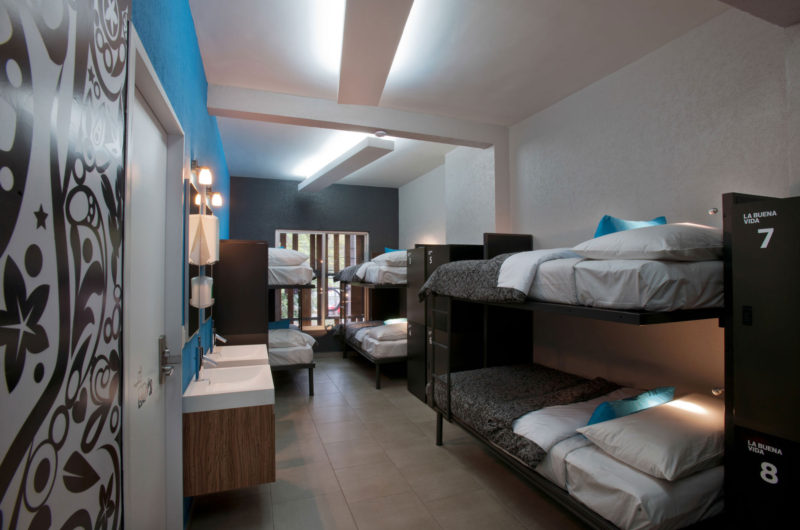
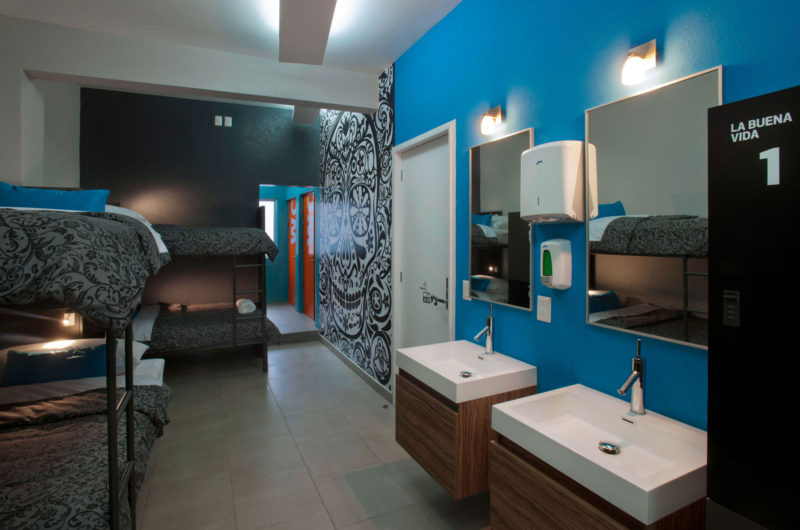
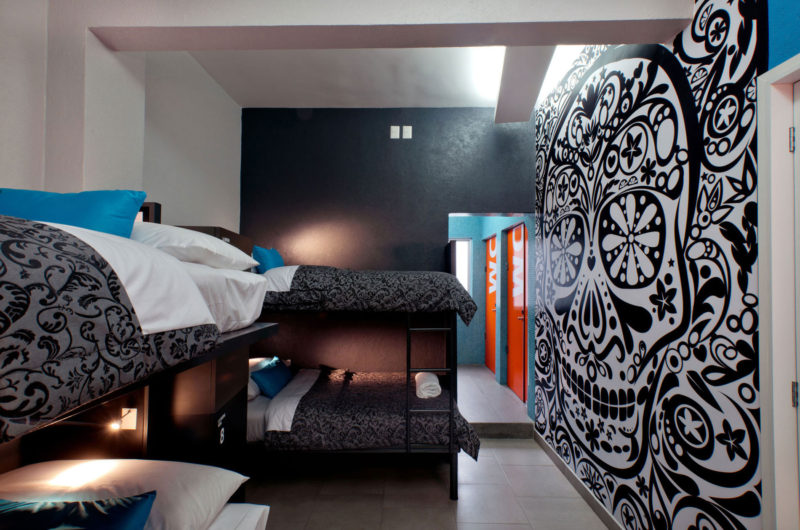
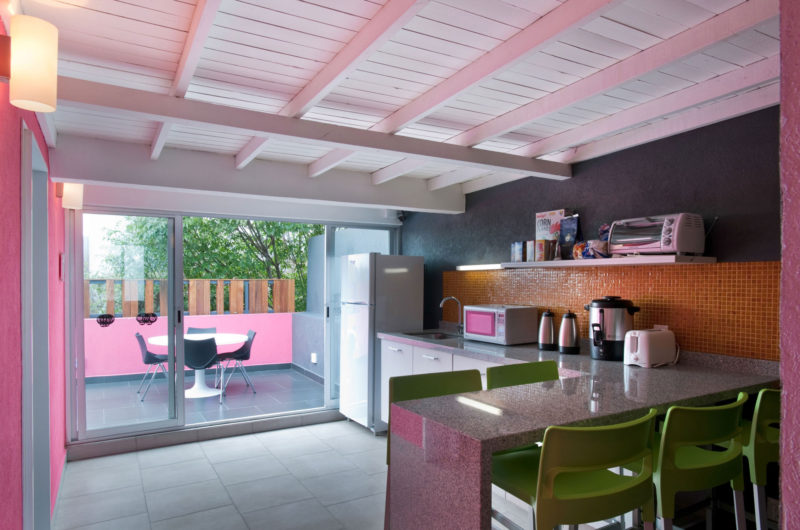
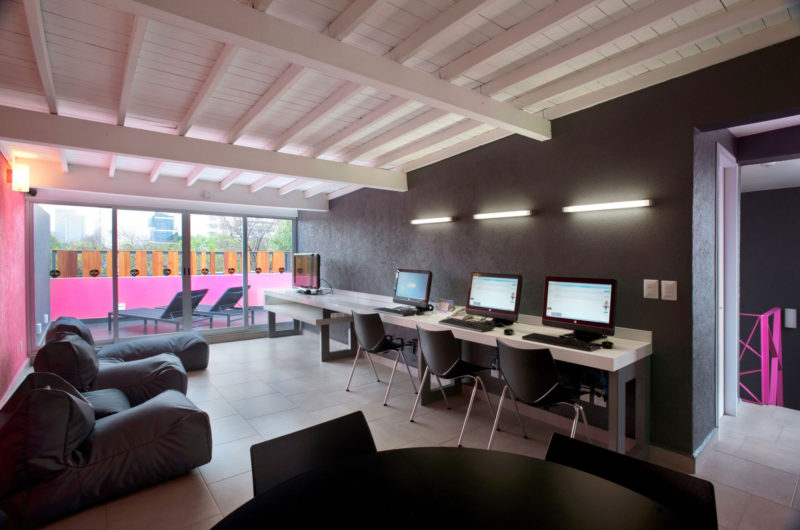
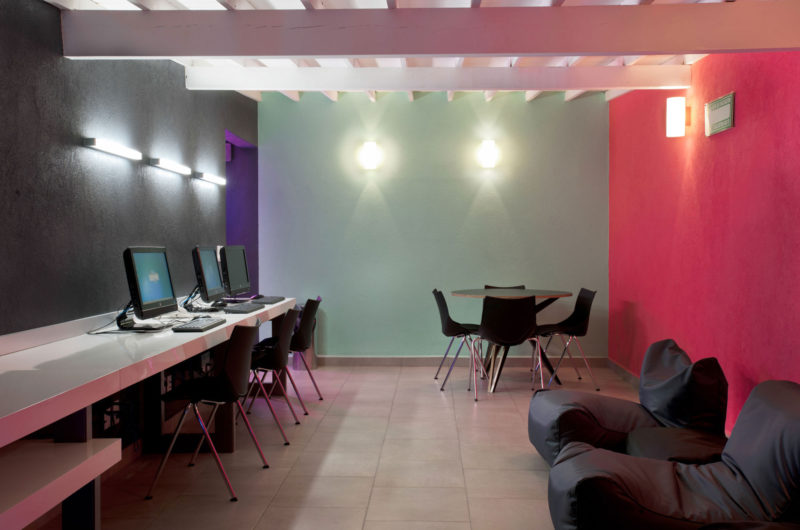
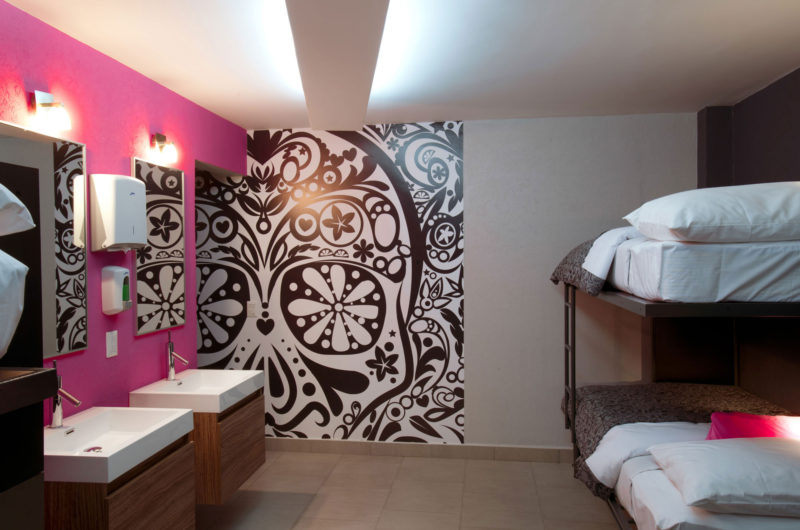
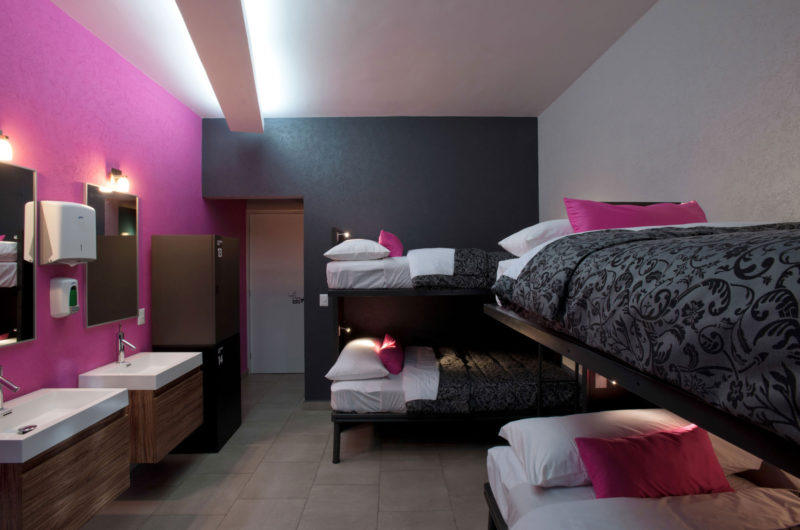
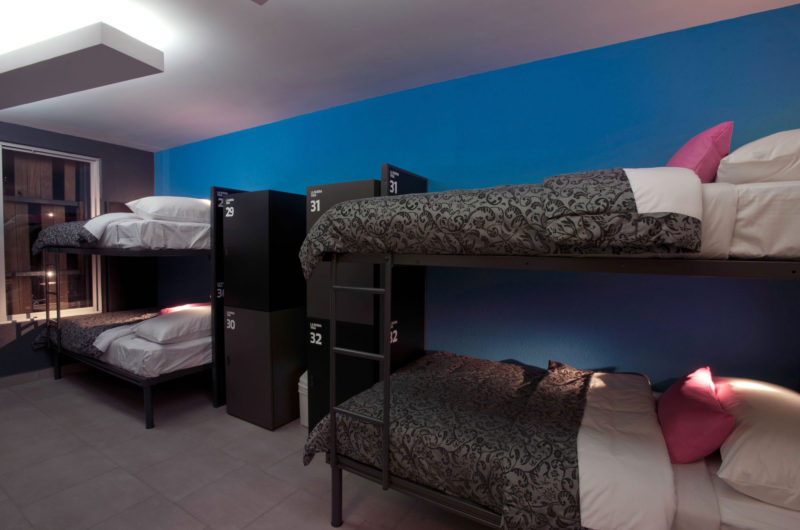
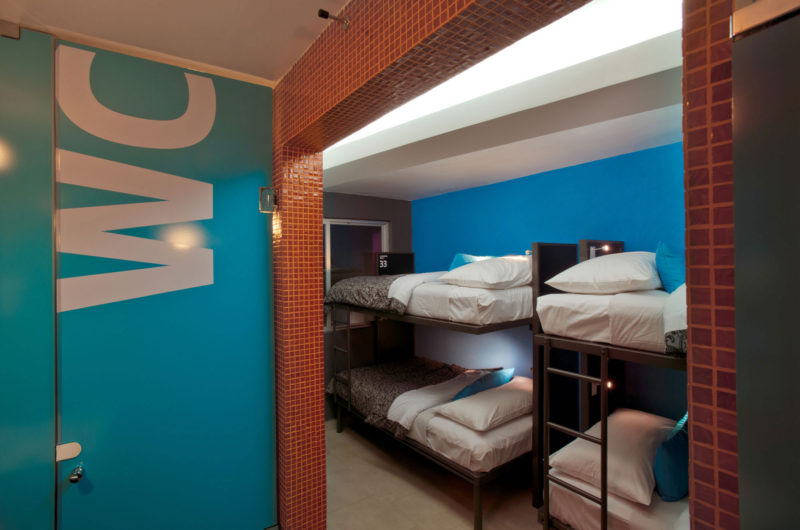
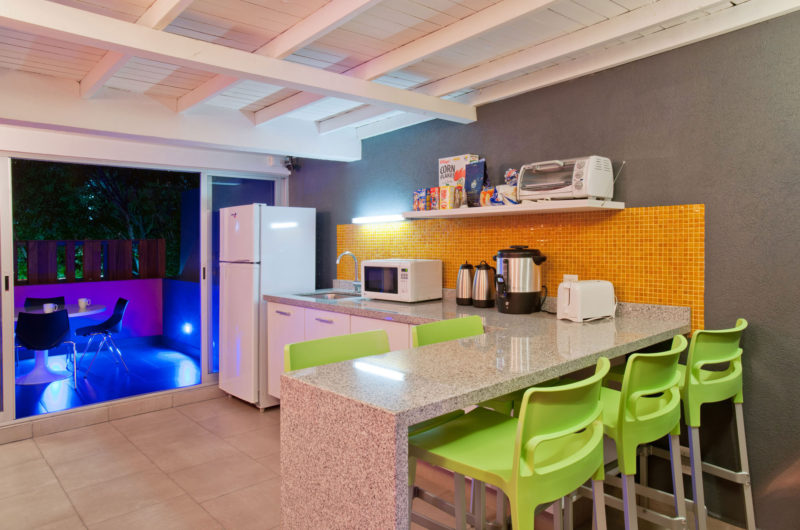
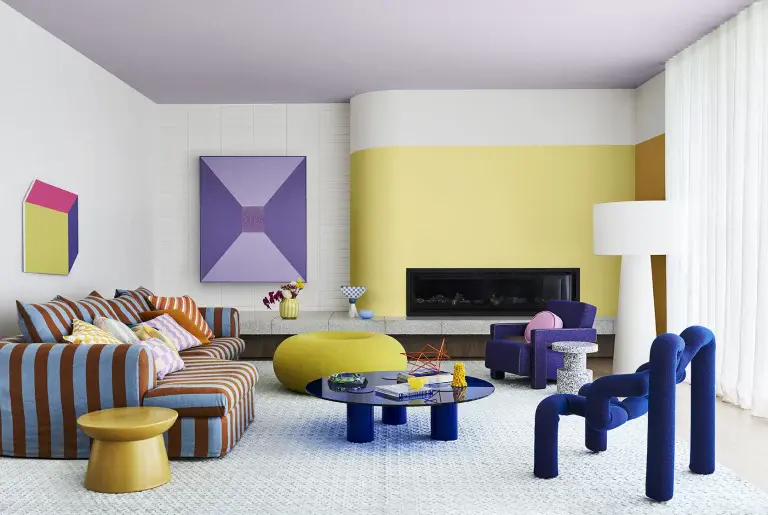
The color seems to be the key element, color accents both in walls and furniture being mixed with grand murals with patterns and skull shapes that reveal and maintain the Mexican traditions.
















Funny how a hostel named “La Buena Vista” needs a double skin just to block out the city noise—guess the “good view” doesn’t include a quiet neighborhood! Irony at its finest in urban revival.
Thank you for your insight! Indeed, the double skin balances the vibrant city life with comfort, ensuring guests enjoy both the stunning views and a peaceful stay—embracing urban energy without compromising tranquility.