
308 Mulberry property located in Lewes, DE, USA, was designed by Robert M. Gurney Architects. The owner bought this formal historical property with the purpose of renovating it and adding an extension and a swimming pool. The
exterior of the original structure was restored, while the shed-roofed screened porch, the storage room and the small living spaces added to the back of the house in the early twentieth-century were removed.
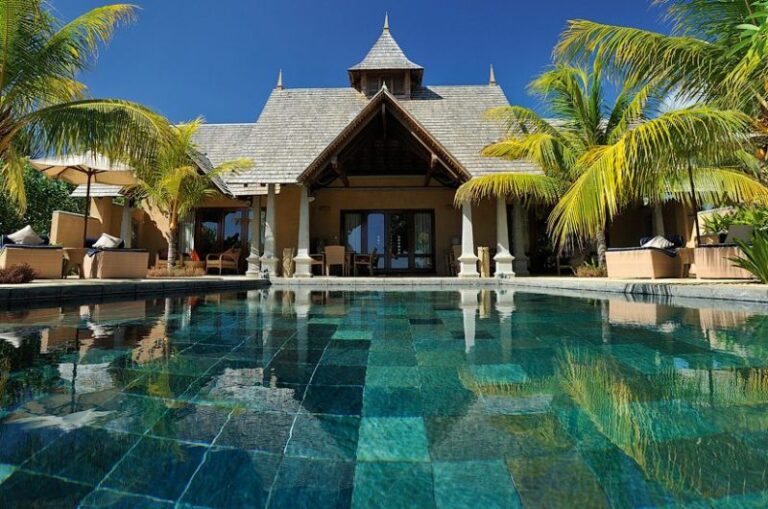
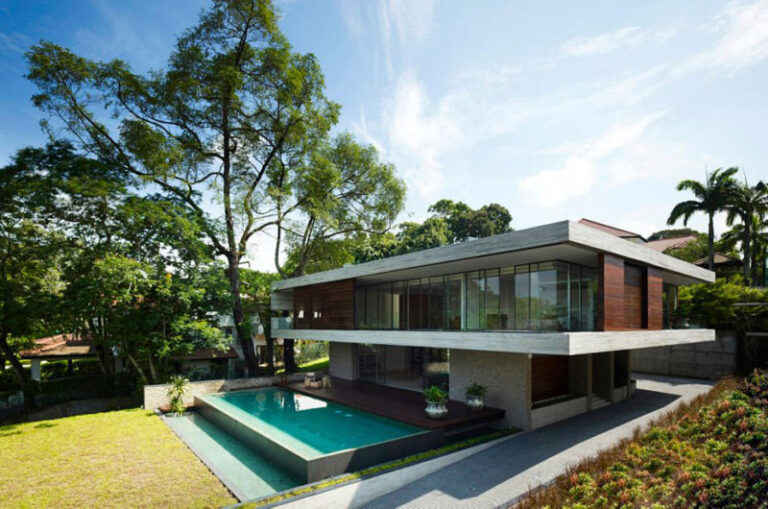
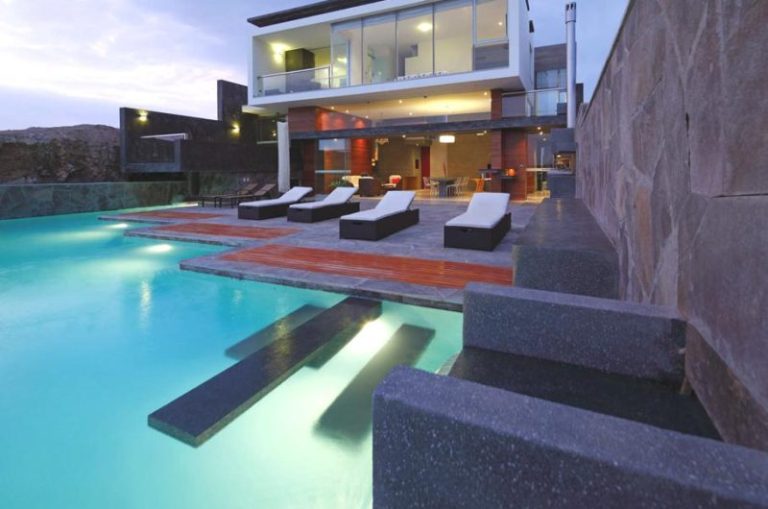
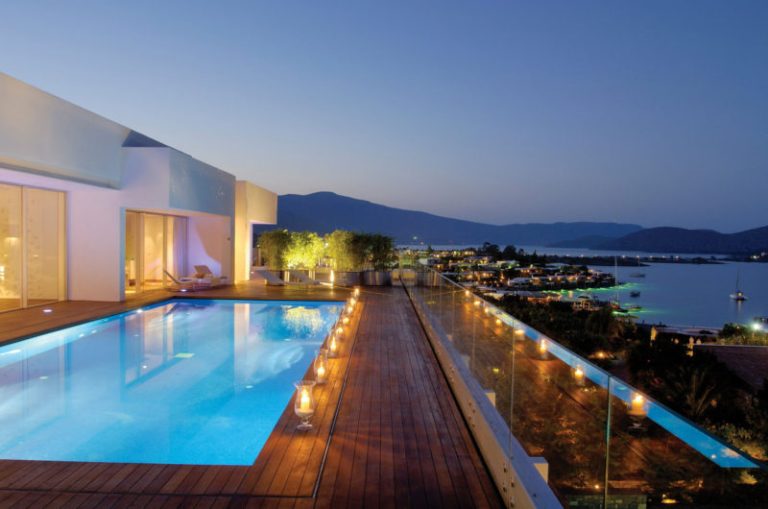
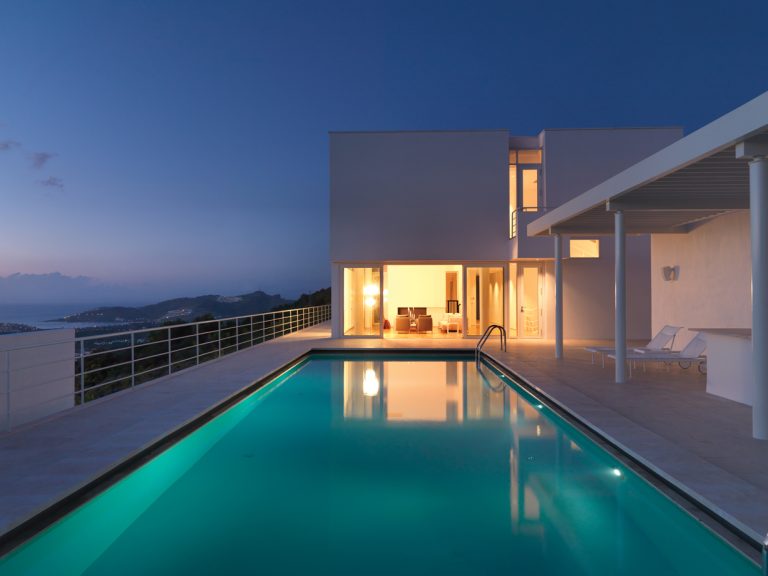
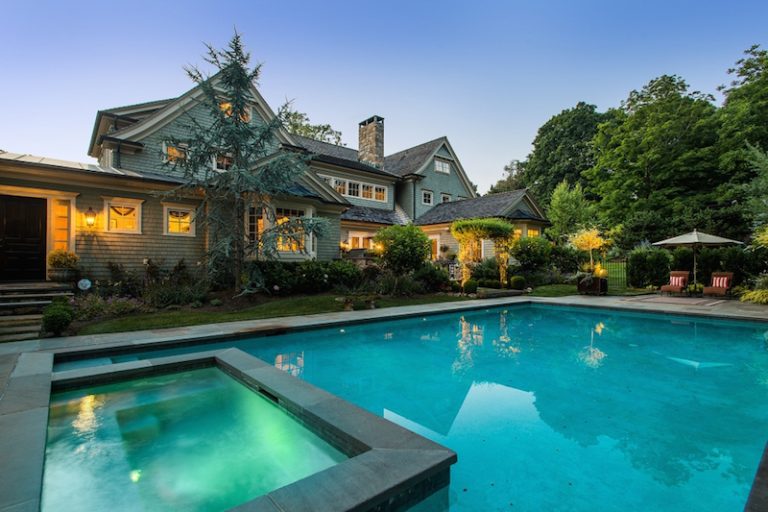
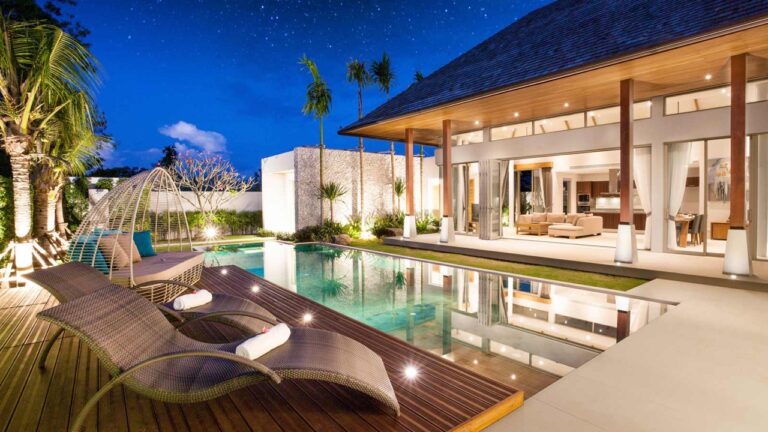
Because the client requested more space, there were added additions that are conceived as one-story pavilions placed around the new swimming pool and the Deodor Cedar tree.
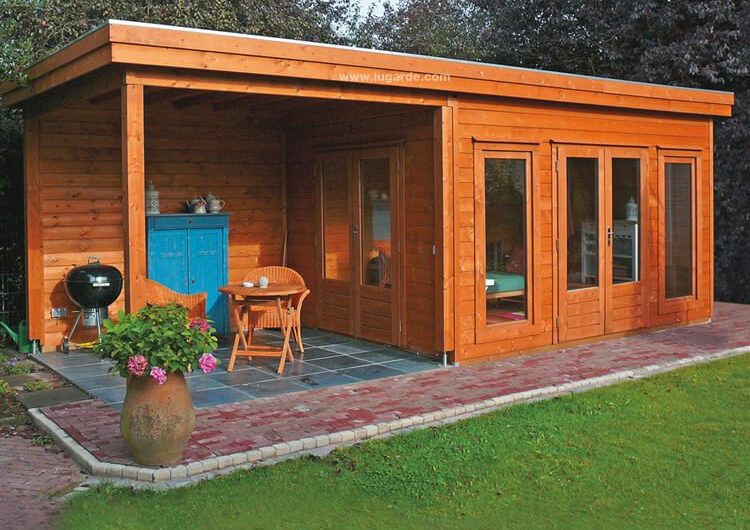
The cedar walls of the house are punctuated by large expanses of glass embellished by black steel frames.
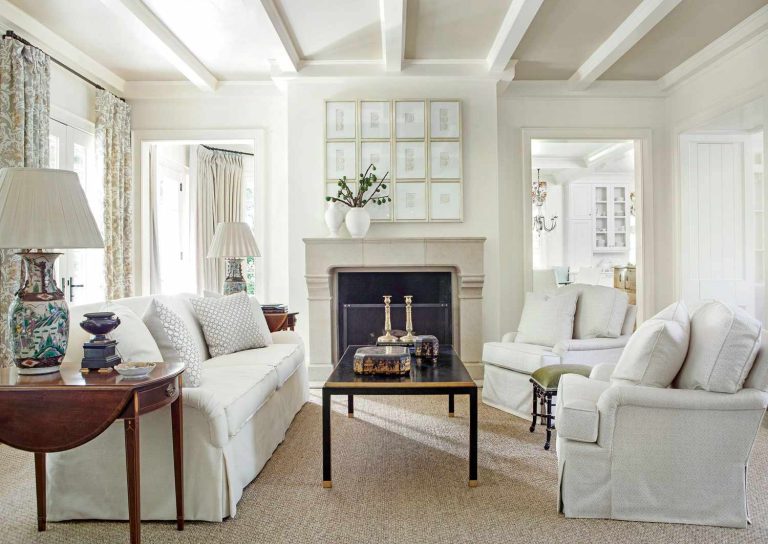
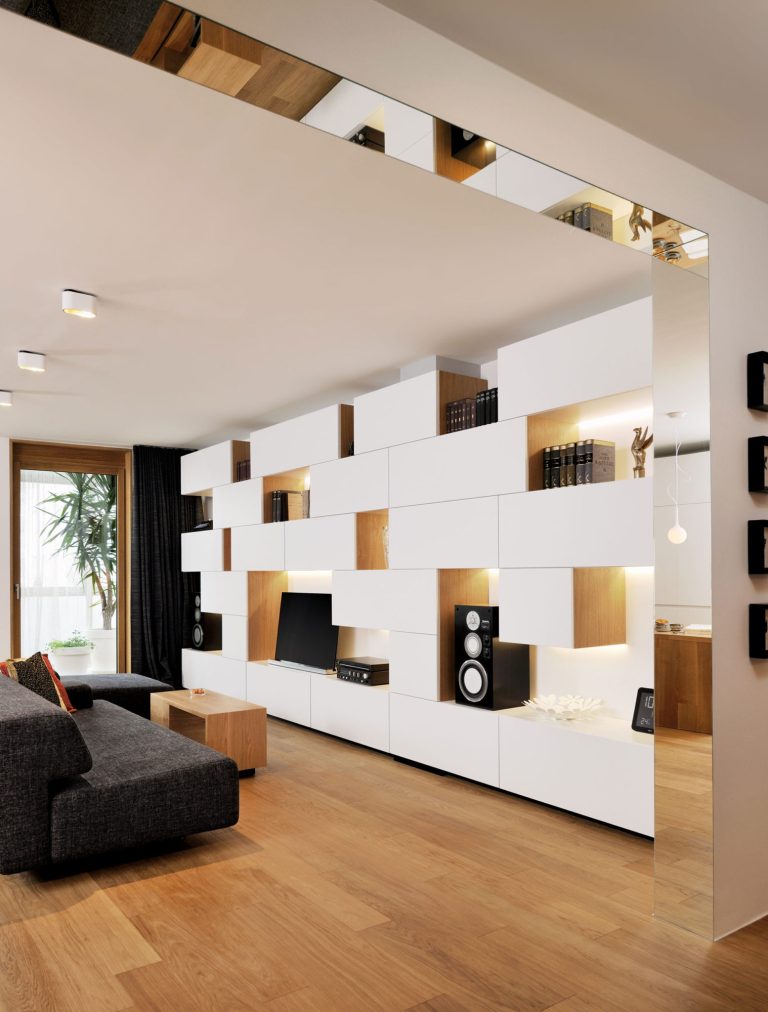
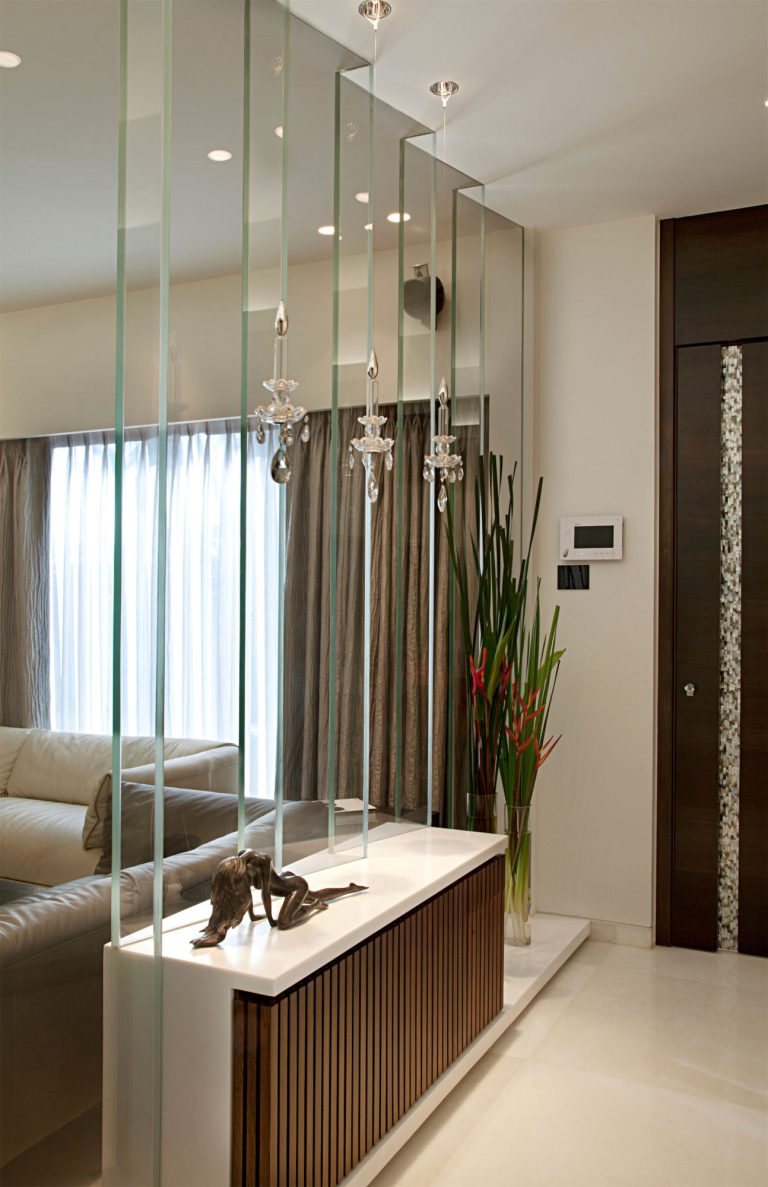
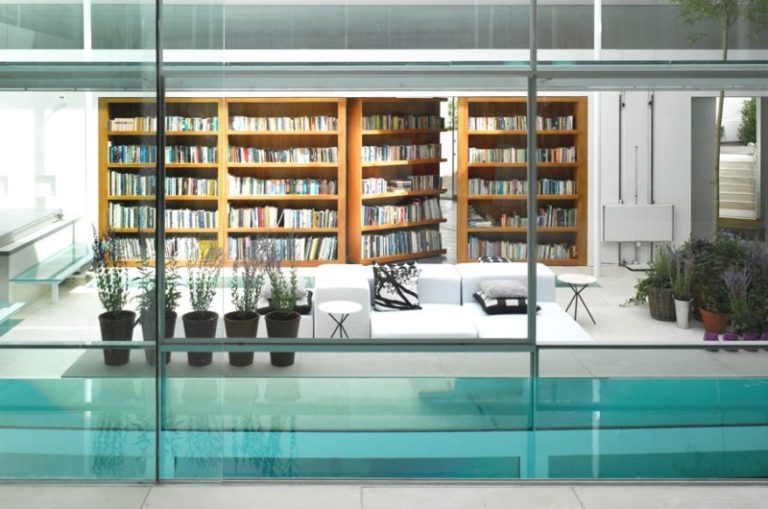
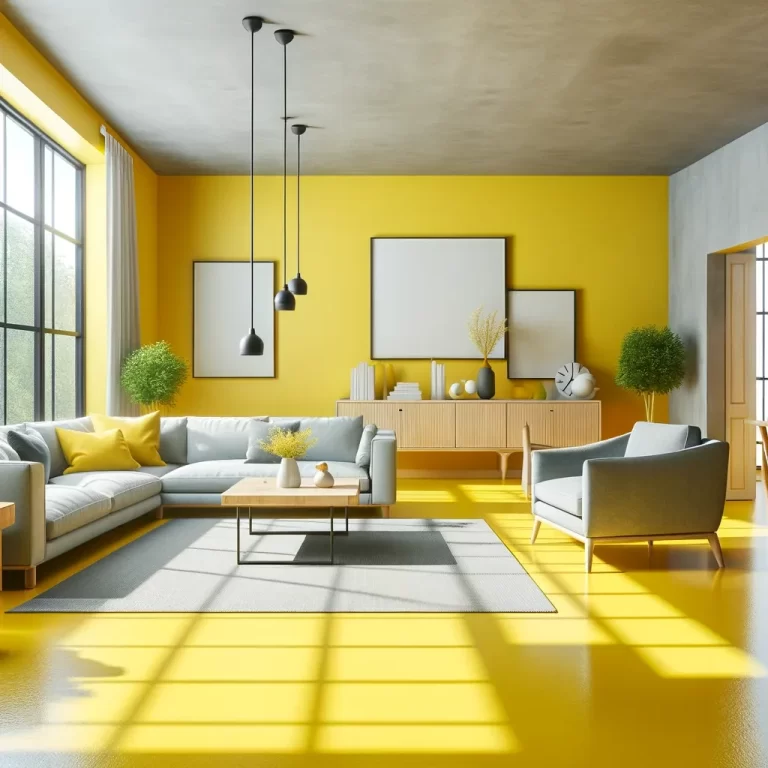
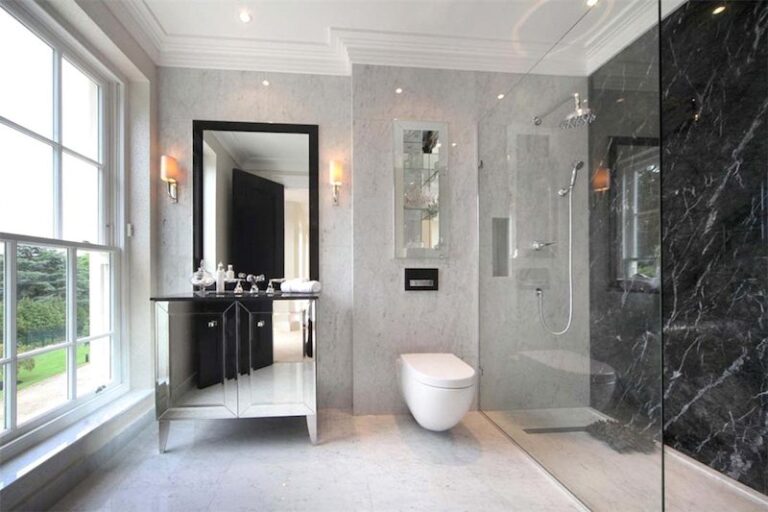
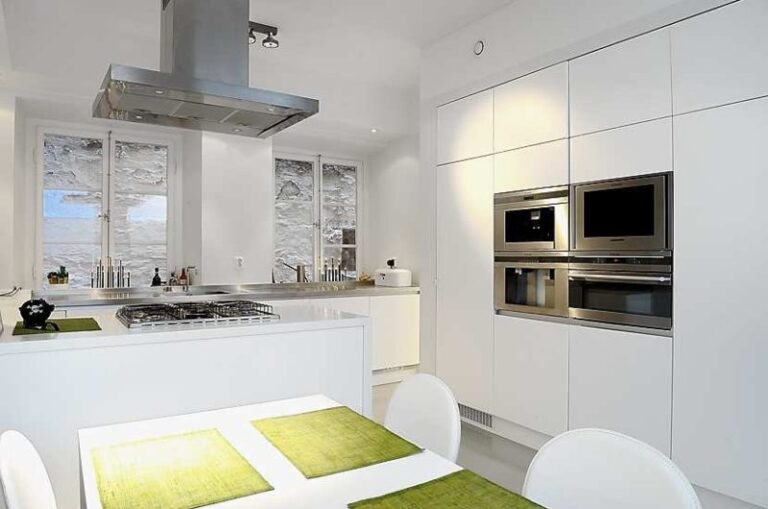
The interiors of the house are very modern, featuring white walls with no trims, casings, moldings and baseboard that engage white ash flooring, a floating staircase, glass walls, aluminum and stainless steel.
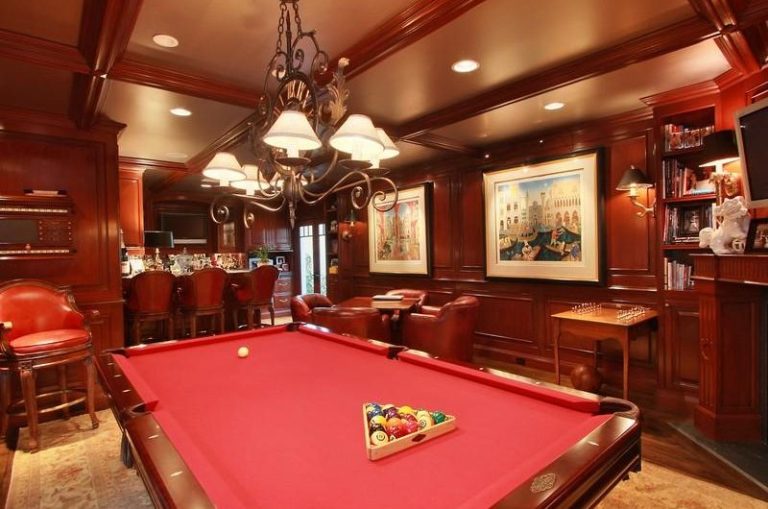
The new living pavilion includes mahogany walls and ceilings, basalt flooring, white marble countertops and a fireplace and a stainless steel pavilion.













How did the architects balance the modern interior’s stark minimalism with the historical context of Lewes? I’m curious about the material choices for the pavilions—why cedar and mahogany specifically?
Thank you for your thoughtful question! We selected cedar and mahogany for their natural durability and warm tones, which soften the modern minimalism while honoring Lewes’s coastal heritage. These materials create a seamless dialogue between the home’s contemporary lines and its historic setting, ensuring both longevity and aesthetic harmony.