
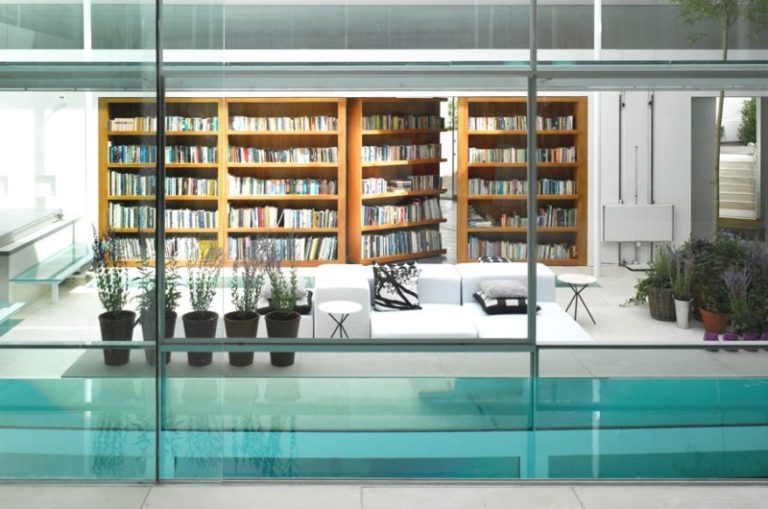
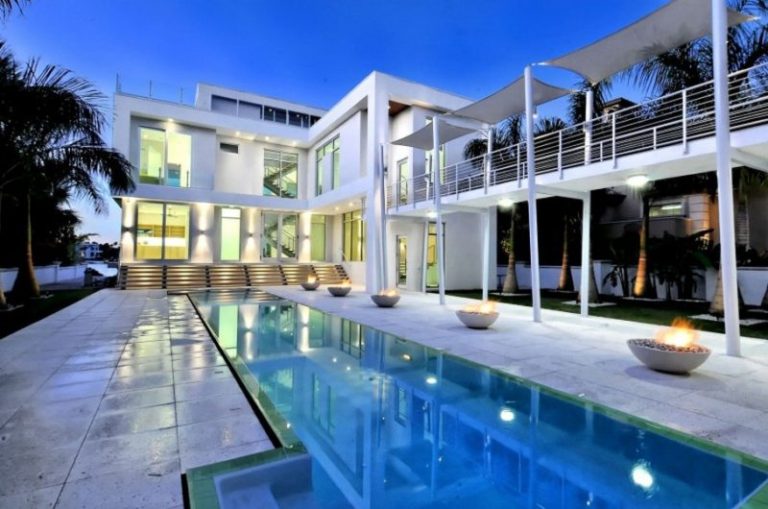
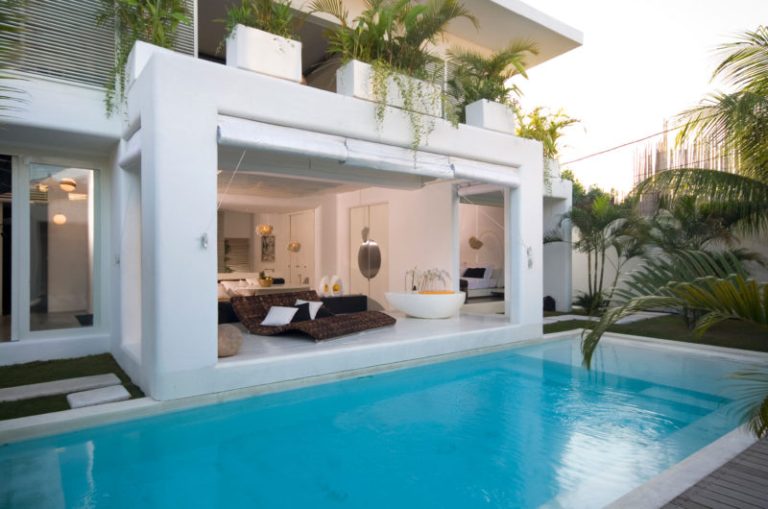
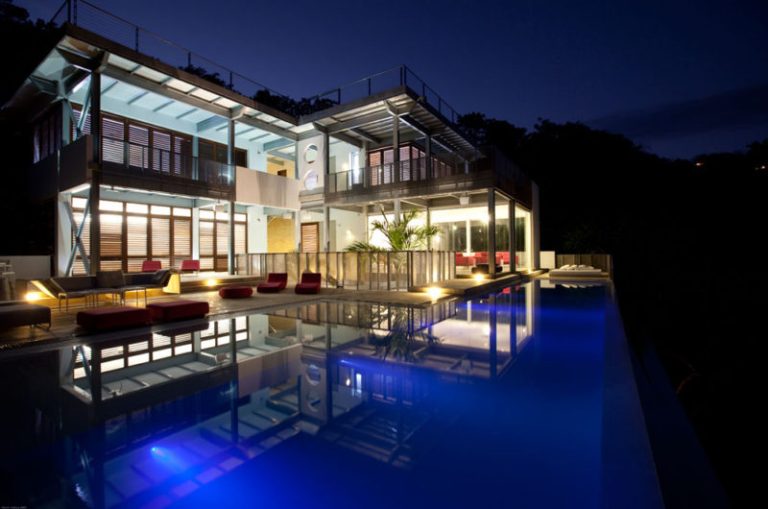
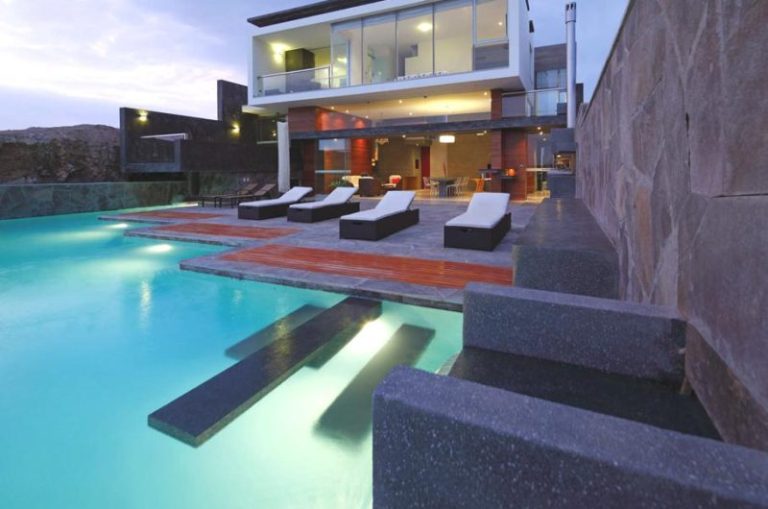
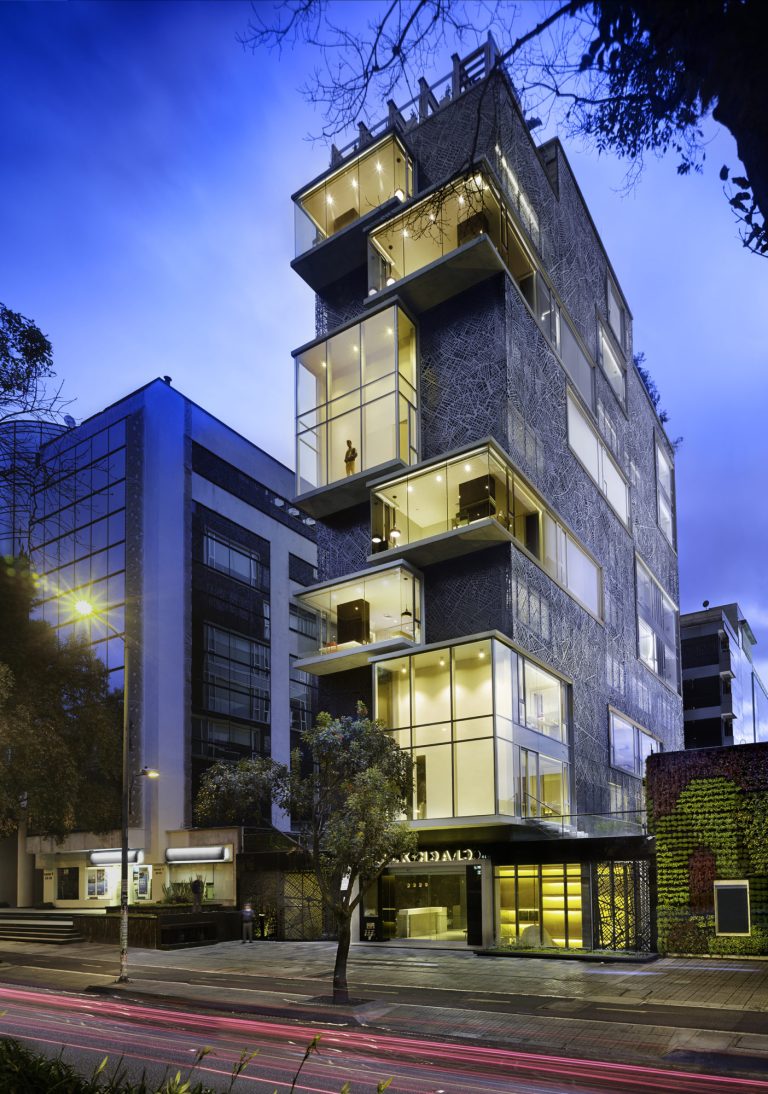
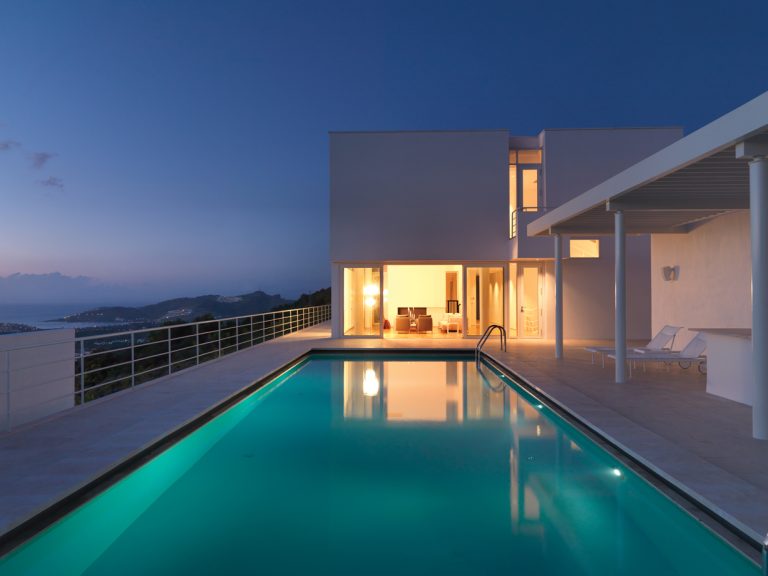
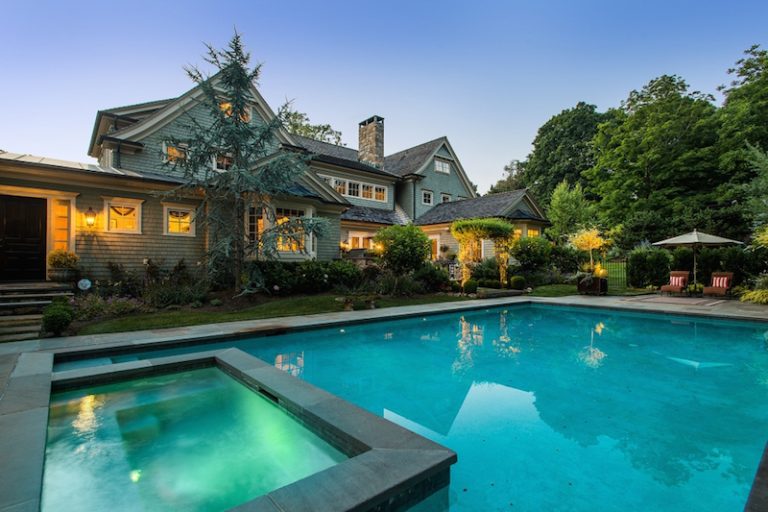
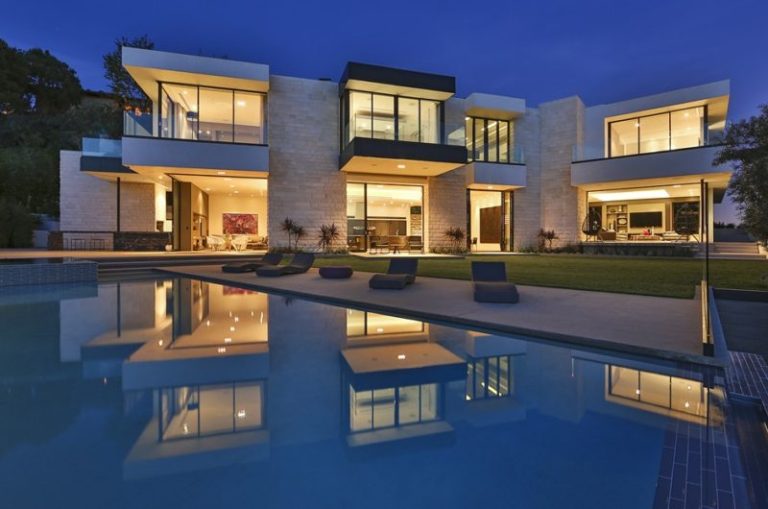
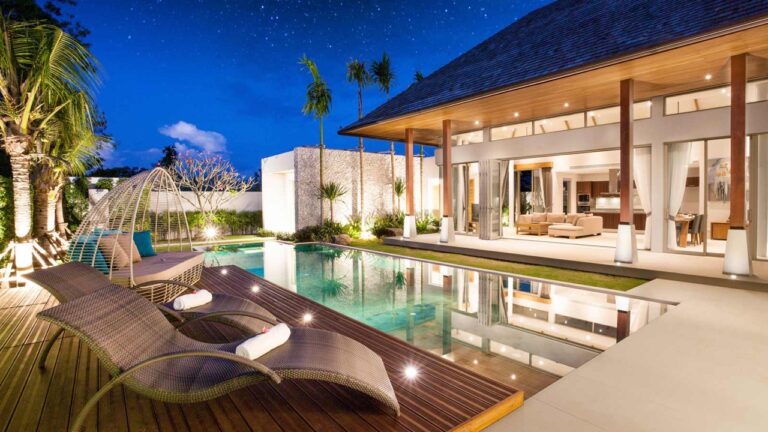
In 2011, architect Miguel Angel Aragonés designed a house to create a relationship between the space and the sun. Or, how he puts it, the sun is an important tool for an architect and this lively presence must be captured, seduced and manipulated to become useful to a house during summertime or winter.
The sun can be found in every aspect of a house. It is not only about light, but also about the temperature of the house. In Mexico, this aspect regarding the connection between sunlight and warmth is visible when it comes to the temperature differences from a southern house to a western one.
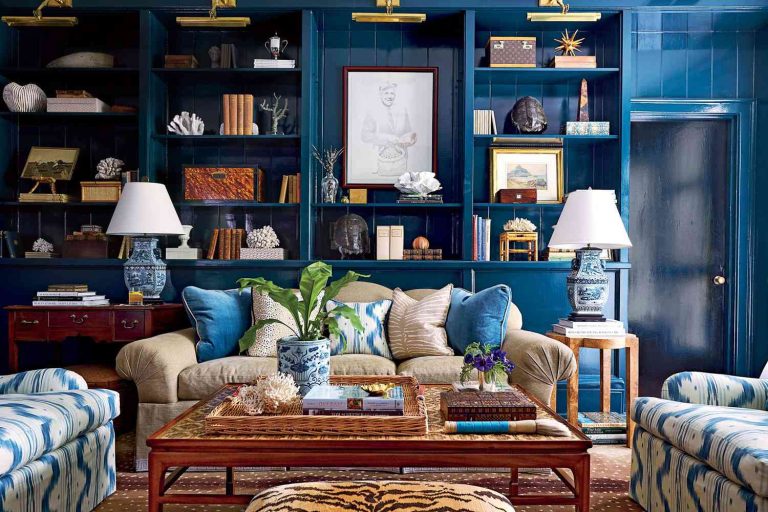
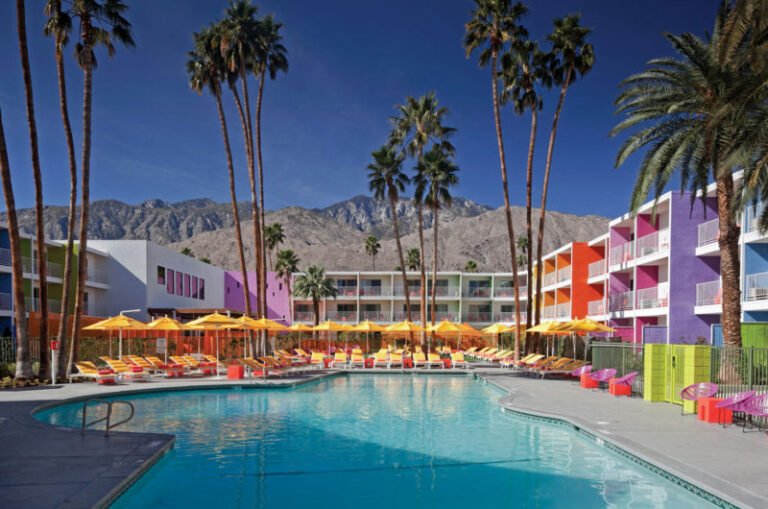
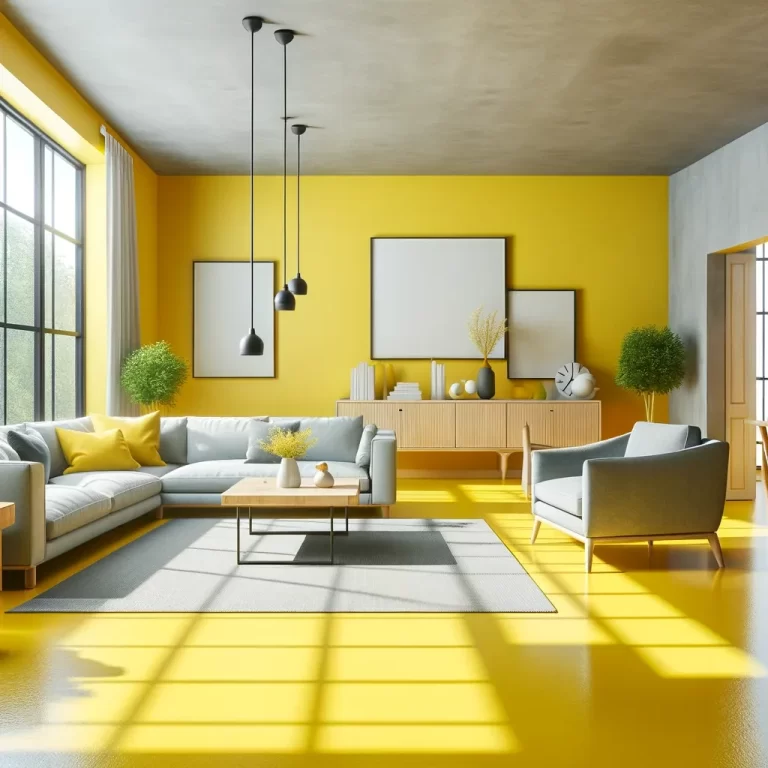
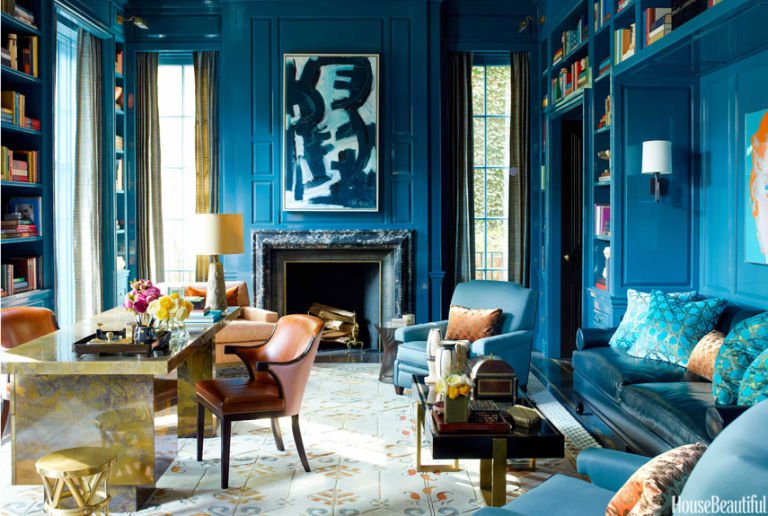
Another feature of the light given by the sun is that it splits into different colors. The architect can use all of the shades the sunlight reflects to paint a house in tones of yellow, blue, red… The walls become canvases for the changing colors from dusk to dawn.


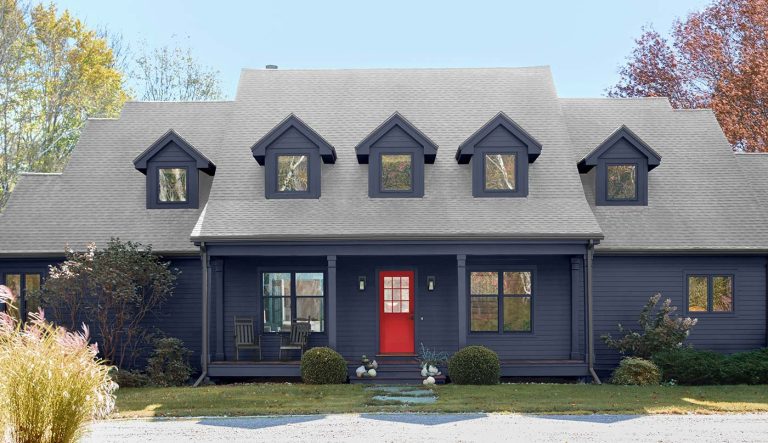
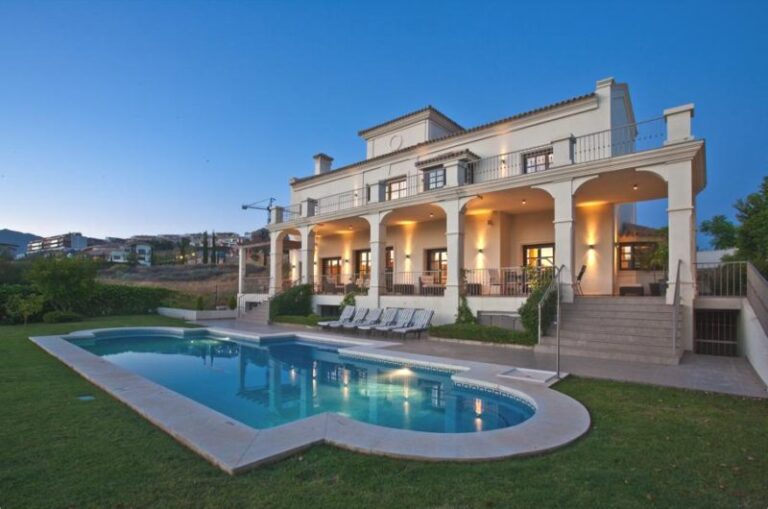
Photos by Joe Fletcher










You claim the sun is a tool to be “seduced,” but where is the data? How do you quantify this manipulation? I need concrete evidence that this approach actually improves thermal comfort, not just poetic descriptions of colored walls.
Great question! While poetic, the “seduction” refers to strategic glazing and reflective surfaces that redirect heat. Studies show such passive solar design reduces cooling loads by up to 30% in Mexico City’s climate. It’s about guiding sunlight, not just painting walls, ensuring consistent thermal comfort without heavy reliance on HVAC systems.