
Why is a Design Project Necessary?
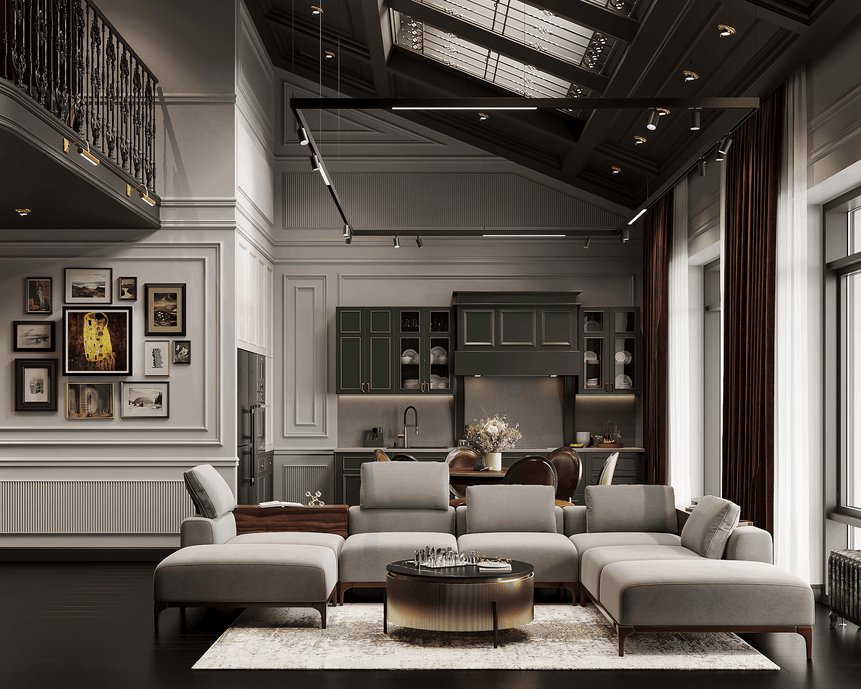
A design project is not just images that visualize how the future interior will look. It is an important and multi-stage process that helps save time, money, and effort while ensuring high-quality and efficient renovation. It includes all necessary calculations, schemes, and drawings, and provides a clear understanding of how the space will be organized. The design project serves as a guide for all participants in the work, from designers to builders and finishers, and helps avoid many problems during implementation.
The main goal of a design project is not only to present the final result but also to carefully work through all stages of the work. It helps avoid unnecessary rework and adjustments, optimize costs for materials and construction services, and eliminate unnecessary steps in the renovation process. Without a design, it is difficult to calculate what work and materials will be needed, which can lead to unforeseen expenses or issues with functionality and aesthetics.
Main Reasons Why a Design Project is Essential
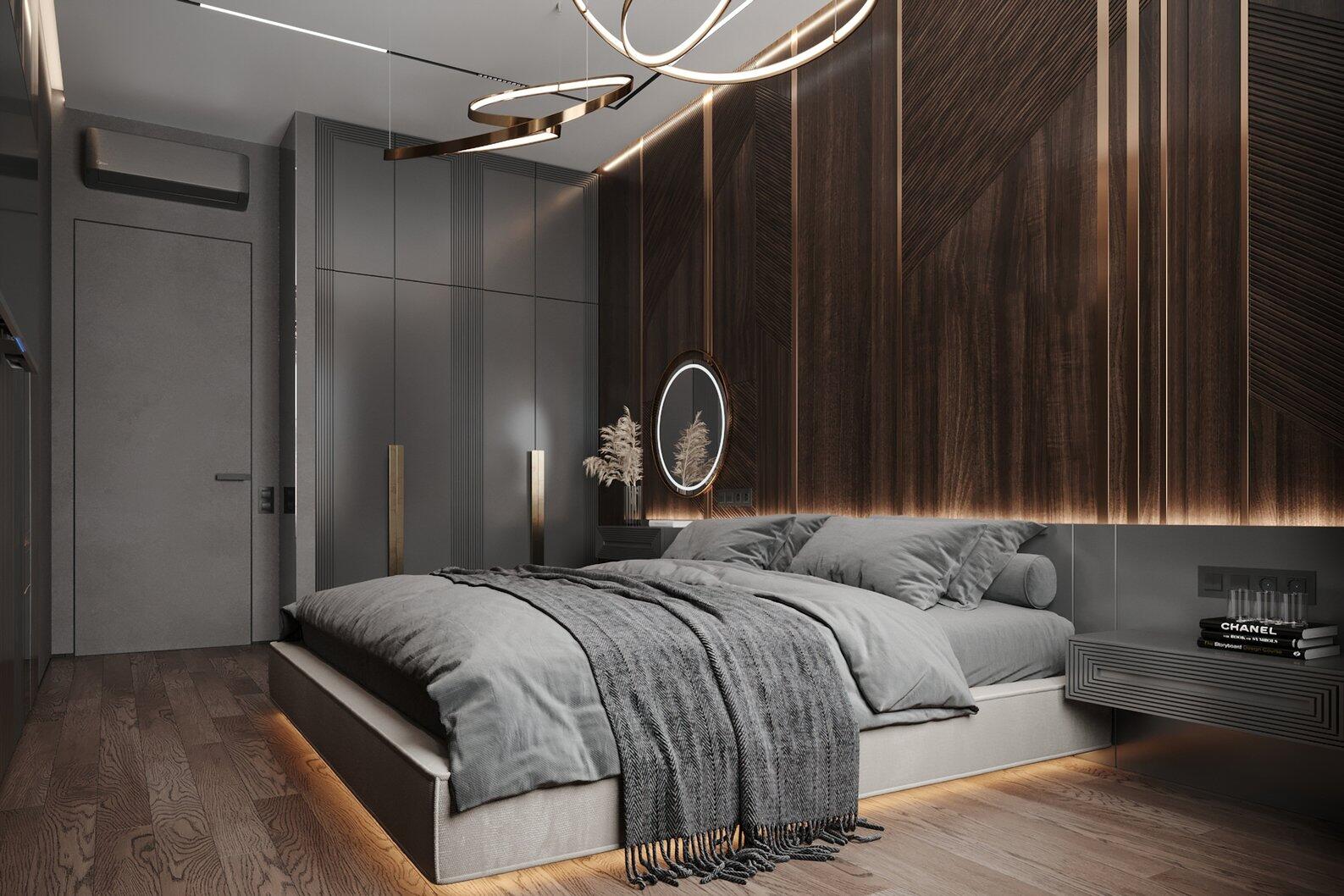
-
Time and cost savings. A well-thought-out project allows for the advance calculation of all stages of work, avoiding ineffective actions and progressing step-by-step in the renovation. This helps avoid mistakes, rework, and unnecessary expenses.
-
Space optimization. A design project allows for the most efficient use of every square meter of the room. Zoning, proper placement of furniture and appliances—all of this is planned in advance and helps create a harmonious and comfortable space.
-
Selection of materials and furniture. The project clearly specifies all necessary materials, finishing coverings, furniture, and lighting fixtures. This simplifies the selection process, eliminates spontaneous purchases, and allows for budget planning in advance.
-
Harmony and aesthetics. A design project allows for the creation of a stylish and modern interior where each element harmoniously combines with others. This helps achieve not only visual appeal but also psychological comfort.
-
Planning and coordination. A design project is a kind of agreement between the client, designer, and contractors. It outlines all stages of work, deadlines, as well as requirements for materials and quality of execution in advance.
-
Prevention of misunderstandings. When all participants in the project have a unified understanding of the final result, the likelihood of misunderstandings or discrepancies is minimal. This reduces the risk of unpleasant surprises during the work process.
Step 1: Measuring the Room and Creating a Plan
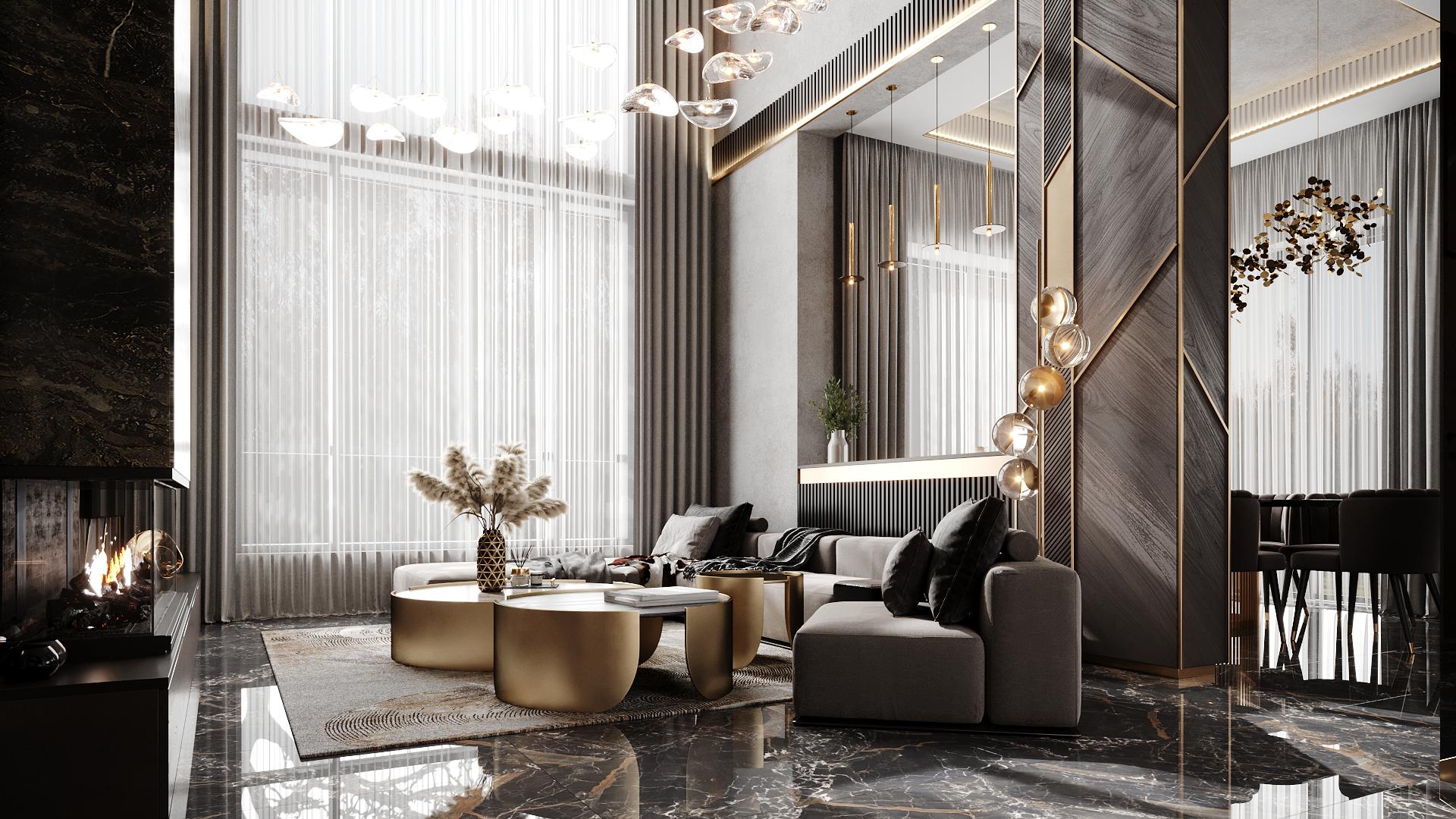
The first stage of working on a design project is gathering accurate data about the room. This requires careful measurements of all rooms to create a detailed plan. The process includes several key aspects:
-
Measuring the length, width, and height of each room: this data is necessary for accurately determining the area and proportions of the space, which will help in properly arranging furniture and organizing zoning.
-
Location of doors and windows: it is important to note where doors and windows are located to consider possible obstacles when arranging furniture and installing lighting.
-
Protrusions, niches, columns, and other structural elements: it is equally important to take into account all architectural features, such as niches, protruding parts of walls, or columns, which may require an individual approach in planning.
-
Connection points to engineering systems: this is a key point that allows for consideration of the location of outlets, switches, pipes, and ventilation openings, so that these elements can later be integrated into the design.
Based on the collected data, a drawing is created, which can be done manually or using specialized programs such as AutoCAD or SketchUp. It is important that the plan is accurate, as even minor measurement errors can lead to problems with furniture arrangement, outlet placement, and other communications. It is not recommended to rely solely on BTI plans, as they may contain inaccuracies.
Step 2: Defining the Concept and Functional Zones
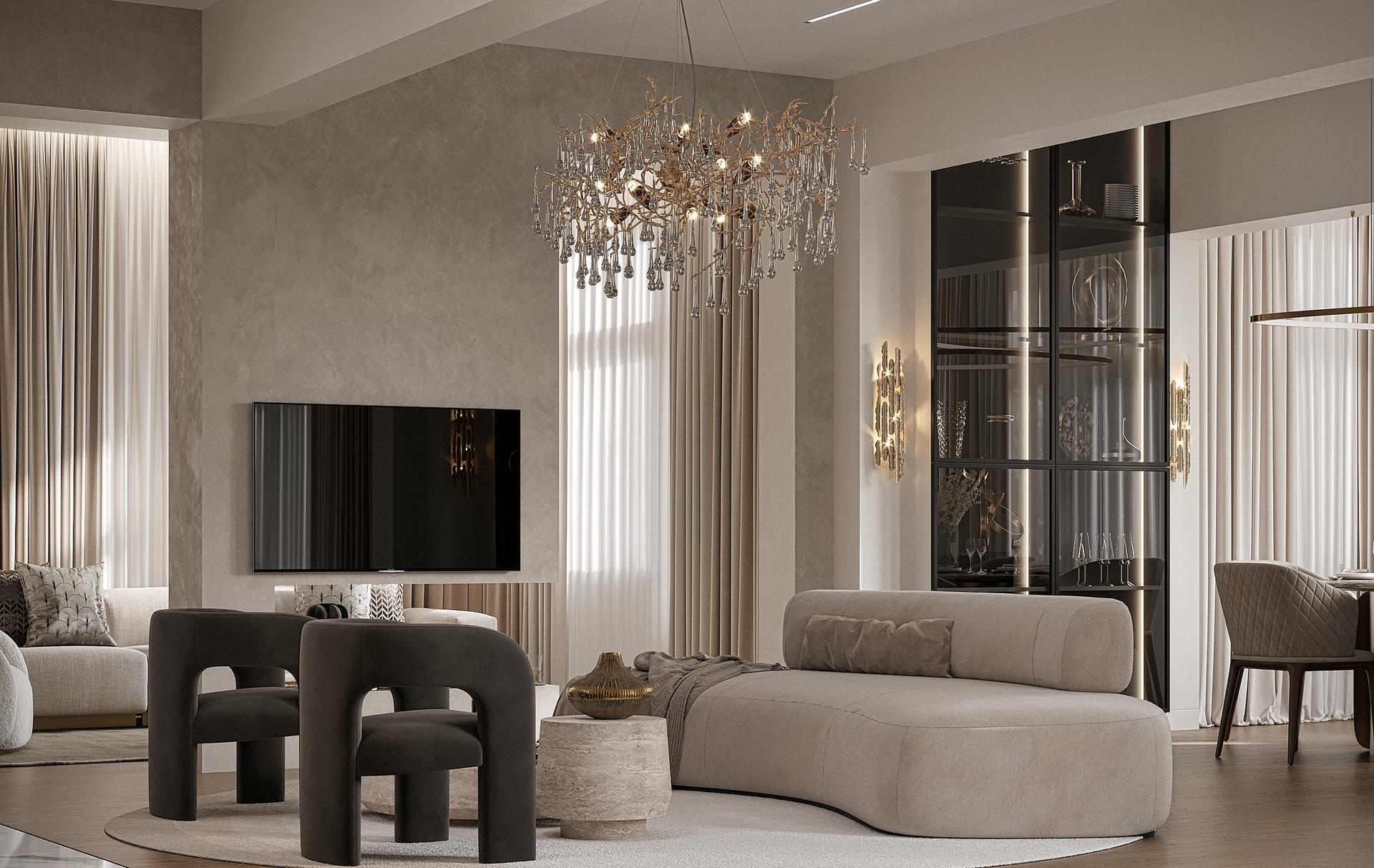
This stage requires careful consideration, as the choice of concept and functional zones will determine how comfortable and practical the future interior will be. At this step, several important factors should be taken into account:
-
Defining the interior style: what styles do you like and what resonates with you? This could be minimalism, Scandinavian style, modern high-tech, or something more classic. It is important that the style reflects your taste and creates the desired atmosphere in the home.
-
Choosing colors and materials: what colors do you prefer? For example, warm or cool shades, bright accents or neutral tones. It is also important to decide on materials for finishing: wood, stone, glass, or metal.
-
Defining functional zones: at this stage, it is important to understand what specific zones will be necessary in the apartment: for example, a relaxation area, workspace, kitchen-living room, children’s room, etc. This helps in properly distributing space and arranging furniture later on.
A useful tool for this stage will be the collection of references—images of interiors that you like. This will provide a clearer idea of your future project. If a reconfiguration is planned during the renovation, it is necessary to consider building regulations and obtain the necessary permits for changes.
Step 3: Planning and Arranging Furniture
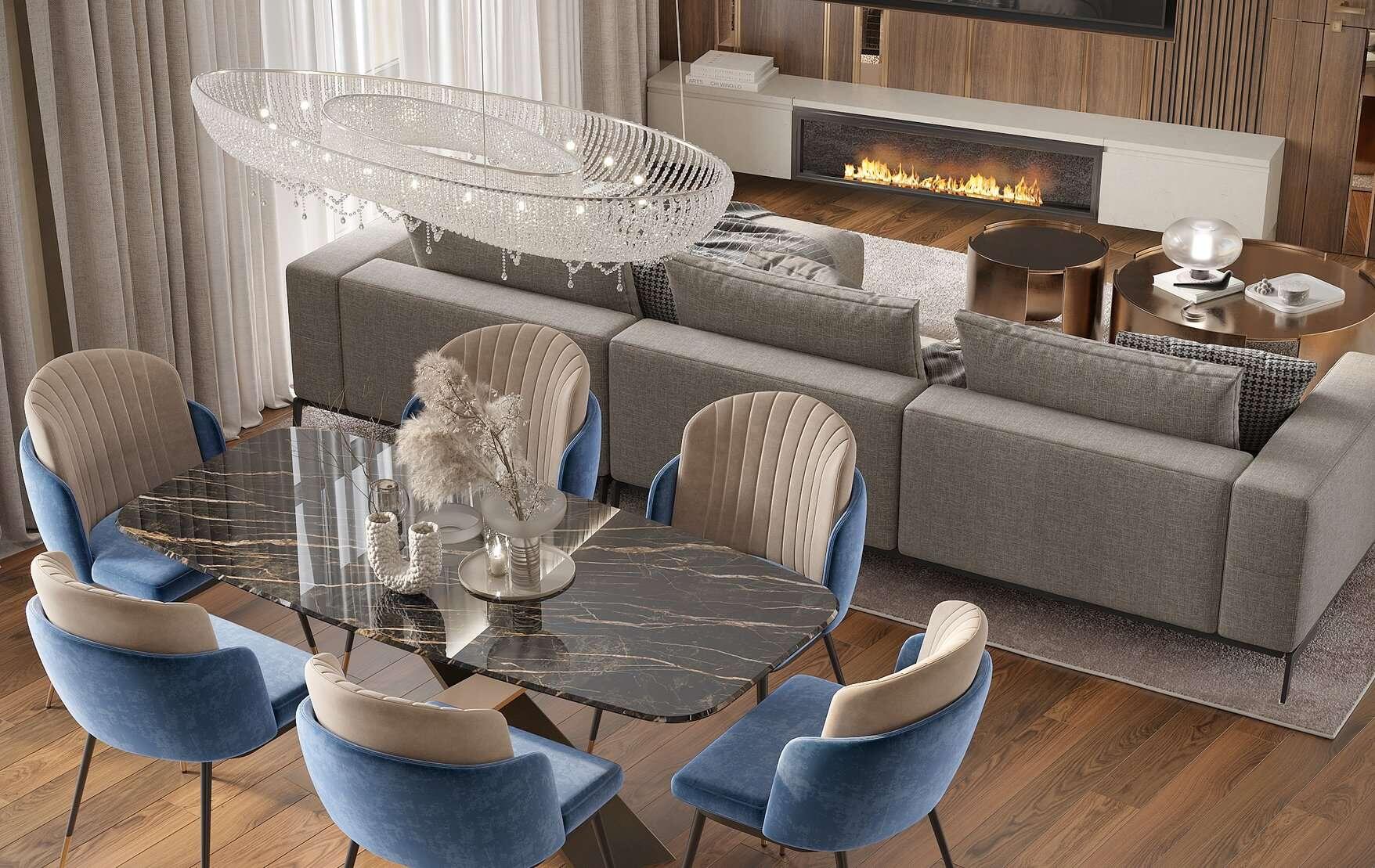
Once the concept and functional zones are defined, you can move on to developing the layout itself. This step includes not only visualizing the space but also functionally distributing all elements of the interior. It is important to consider:
-
Comfortable pathways and distances between furniture: it is necessary to ensure comfortable movement within the room. For example, it is important not to place furniture too close to doors or too close to each other.
-
Location of work zones: it is important that high-activity zones (kitchen, dining area, workspace) are conveniently located relative to each other, as well as close to connection points for engineering systems.
-
Ergonomics: the space should be comfortable for everyday use, whether it is a relaxation area or a workspace. It is necessary to think about how it will be convenient to move around the room, sit, work, or relax.
Useful tools for planning include 3D programs such as Planner 5D, SketchUp, or HomeStyler. These allow you to visually represent how the space will look and ensure the functionality of each element.
Step 4: Choosing Finishing Materials and Lighting
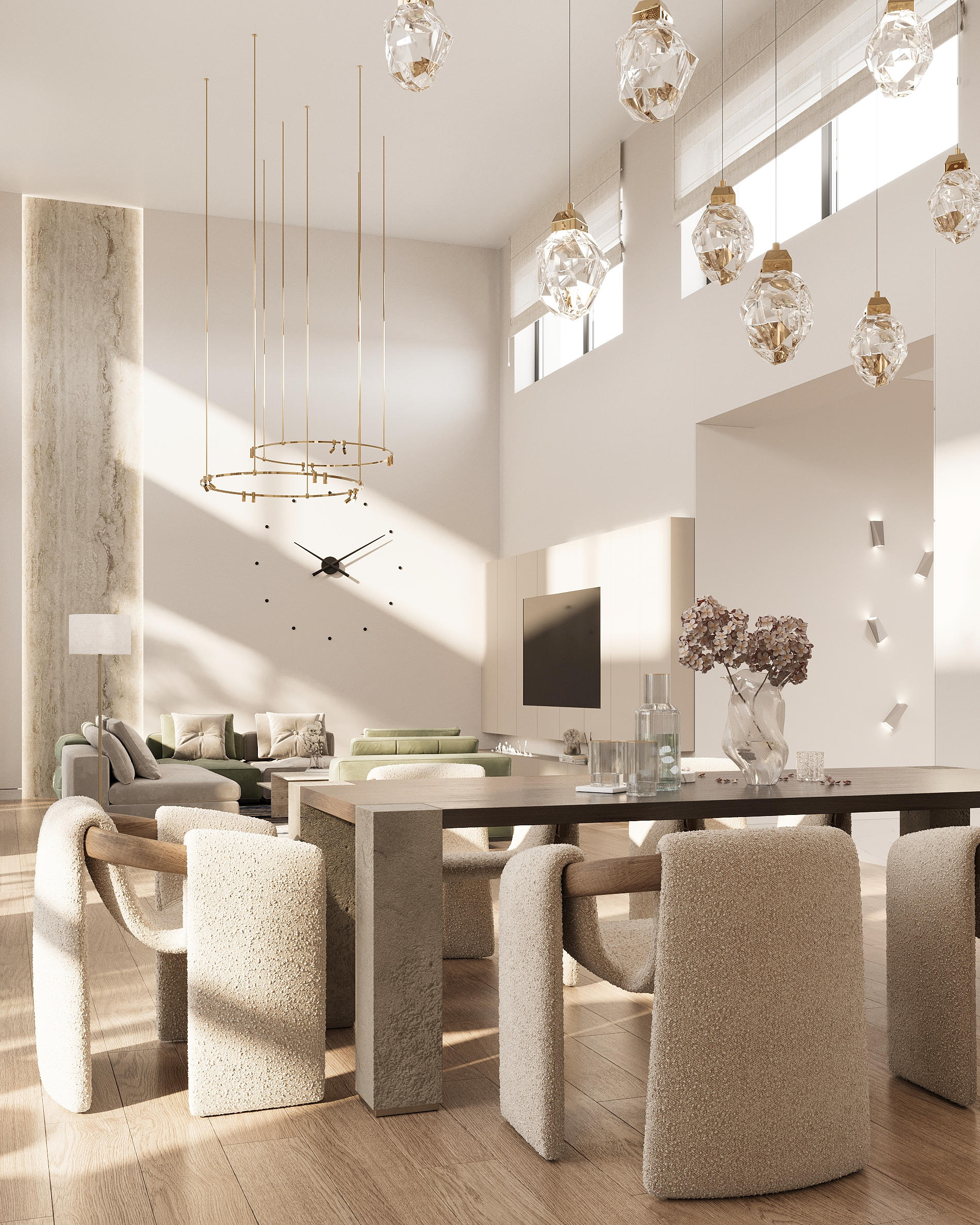
This stage is crucial, as finishing and lighting play an important role in creating the atmosphere in the interior. At this step, it is important to:
- Choose finishing materials for the floor: this can be laminate, parquet, tiles, poured floors, and other coverings. The choice depends on the functionality of the room, aesthetic preferences, and budget.
- Finish the walls: for walls, you can choose wallpaper, paint, decorative panels, plaster, or brickwork—all depending on the style and purpose of the room.
- Design the ceiling: the choice between a stretch ceiling, drywall, or plaster also depends on the style and features of the room.
At this stage, a lighting scheme is also developed. It is important to consider several levels of lighting:
- Main lighting: chandeliers or built-in fixtures.
- Zone lighting: table lamps, wall sconces, pendant lights to create accents.
- Decorative backlighting: LED strips, spotlights, and accent lighting that help highlight the features of the interior.
Step 5: Distribution of Technical Elements
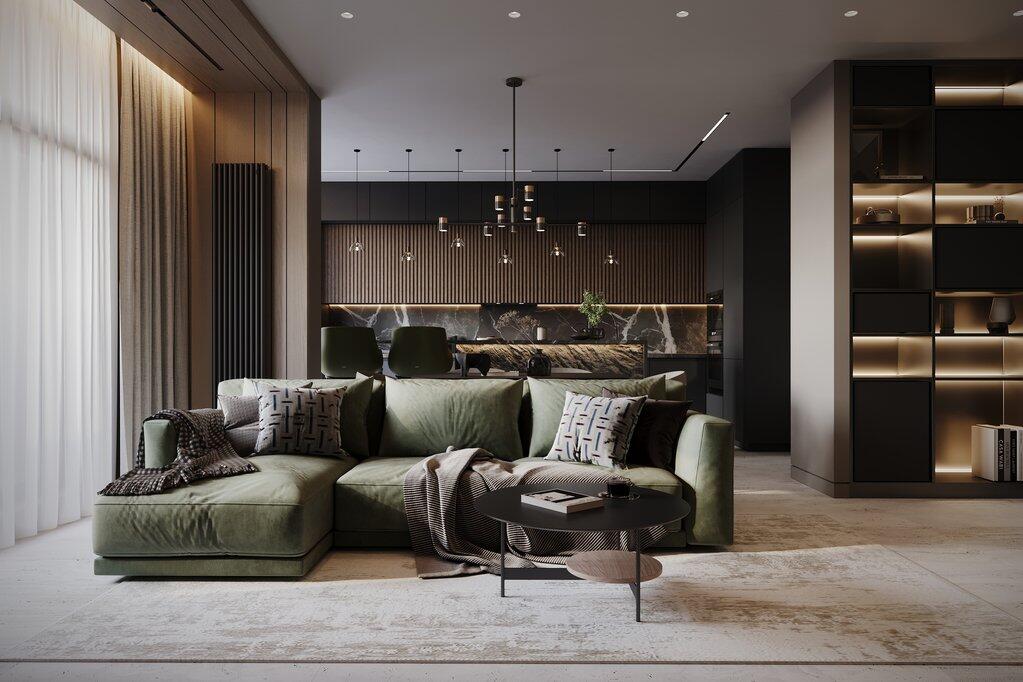
This step involves the proper distribution of all technical elements, which are the foundation of comfort in the apartment:
-
Placement of outlets and switches: it is important to think about a convenient location for each outlet depending on where the appliances and lighting fixtures will be located.
-
Running cables for lighting, internet, and air conditioners: it is necessary to plan the paths for wiring in advance so that they do not interfere in the future. Cables for lighting, internet, and air conditioners should be hidden in the walls or under the ceiling.
-
Placement of plumbing fixtures: it is important to plan in advance where plumbing devices—sinks, bathtubs, toilets, washing machines—will be located.
These schemes and drawings are handed over to builders for the precise installation of all communications in the required places, which significantly simplifies the renovation work and eliminates the likelihood of errors.
Each of these steps plays its role in creating the perfect interior. A carefully thought-out project with detailed drawings and schemes ensures comfort and efficiency during the renovation process, guaranteeing that the results will meet your expectations.
Creating a design project is an important stage in preparing for renovation. It helps avoid mistakes, shorten work timelines, and achieve a space that meets your needs. A good project is not only about beauty but also about convenience, safety, and durability of your interior.



















More Similar Articles Like This
Extraordinary Constance Halaveli Maldives Resort
Gorgeous And Spacious Home In Sunset Strip
Pure Perfection: Discover the Top White Paint Colors for a Flawless Décor
The Superb Maradiva Villas Resort & Spa in Mauritius
Different Types Of Foundations For Summer Houses and Garden Buildings
Astonishing El Tovar by the Sea
Contemporary BO House In Envigado, Antioquia, Colombia
Exploring the New World of Luxury Hoteling