
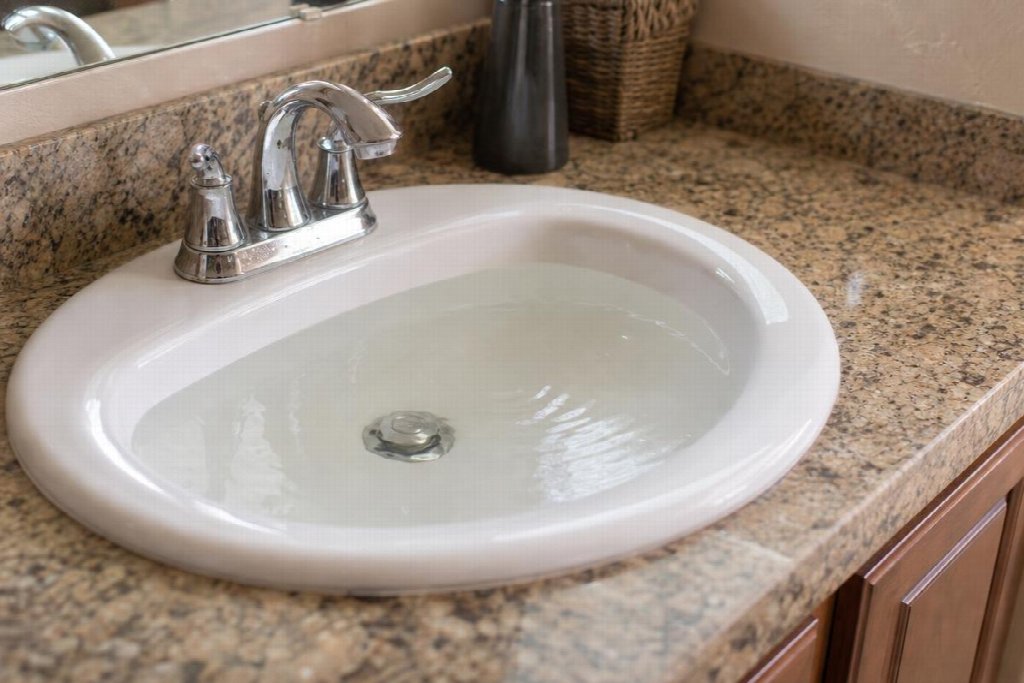
Your Phoenix sewer line is backing up, and someone suggests rooter service. But is that the right fix, or will it buy only a few months before a bigger problem surfaces? That question matters for Greater Phoenix homeowners, where aging pipes and hard water can turn a slow drain into a serious repair. Penguin Air, Plumbing & Electrical, serving the Phoenix Valley since 2011, helps homeowners sort out exactly that kind of call before it becomes a costly mistake.
Is Your Drain Clog a Quick Fix or a Warning Sign?
Many Chandler, Tempe, and Mesa neighborhoods still have original clay tile or cast-iron sewer laterals from the 1950s–1980s. Those pipes crack and shift over decades. Caliche soil moves with seasonal temperature swings, stressing every joint. Desert shade trees make things worse. Eucalyptus and mesquite roots travel 30 or more feet chasing moisture and can grow into a full blockage within a season or two.
A straightforward grease or debris clog often responds well to rooter service. A clog caused by root intrusion or a cracked pipe needs a camera inspection first. Skipping that step can turn a manageable repair into a much larger one.
What Does Rooter Service Actually Do to a Sewer Line?
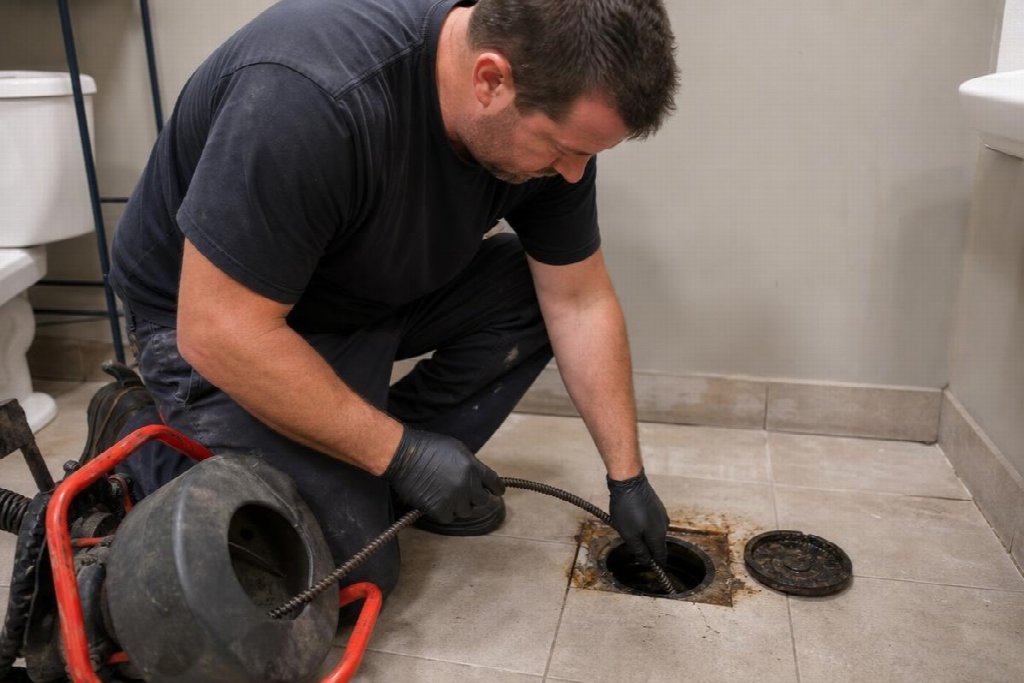
How a Rooter Machine Works
A rooter machine feeds a long, flexible steel cable into the drain line. The rotating cutting head cuts through or snags whatever is blocking the pipe. Most straightforward clogs clear in under an hour. A trained plumber runs the cable to the blockage, clears it, and confirms flow is restored.
What Rooter Service Can and Cannot Remove
Rooter service works well on soft, single-point blockages. It does not fix structural pipe problems.
Rooter clears these well:
- Grease and soap buildup
- Hair and paper products
- Minor root tendrils just entering a pipe joint
- Single-point clogs in a structurally sound line
Rooter cannot fix these:
- Heavy root masses filling the full pipe diameter
- Collapsed or bellied pipe sections
- Cracked or offset joints
- Hardened mineral scale coating the pipe walls
That last point matters in the Valley. Many Phoenix-area municipalities report water exceeding 300 parts per million of total dissolved solids, leaving mineral scale inside older pipes. A rooter cable cuts soft clogs but cannot scrub hardened scale. For scale-coated or grease-heavy lines, hydro jetting at 3,000 to 4,000 PSI is the stronger option.
Mesquite root masses common in Scottsdale and Fountain Hills yards can completely fill a 4-inch sewer lateral, requiring camera inspection and possibly trenchless pipe lining or spot replacement. Caliche soil in the East Valley can also cause pipe bellying, creating low spots where debris collects repeatedly. An in-line camera survey is worth adding before concluding the job is finished.
Most sewer lateral repairs in Maricopa County require a plumbing permit and inspection. A licensed plumber handles that paperwork so a homeowner is not caught with an uninspected repair at resale.
When a Camera Inspection Should Follow a Rooter Service
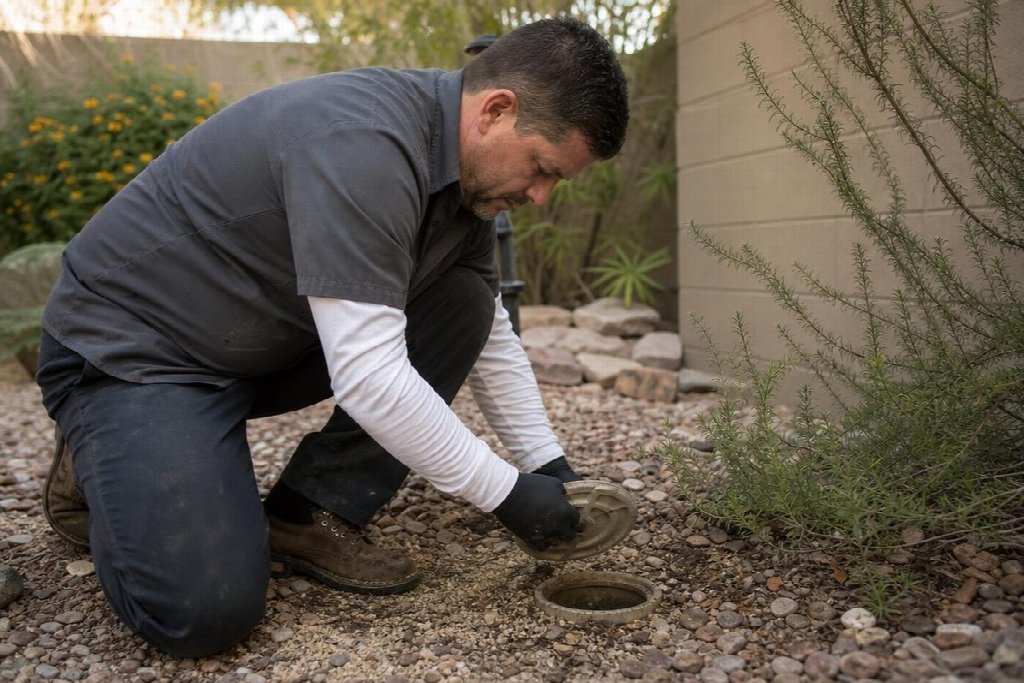
A rooter cable confirms the line is flowing again. It does not confirm why it blocked or whether the pipe wall behind the clog is intact. In Phoenix Valley homes, those two questions are worth answering before closing the job.
Clay tile and cast iron lines common in pre-1985 construction across Maryvale, Sunnyslope, and older Tempe neighborhoods often have multiple stress points from decades of caliche soil movement. A rooter may clear the immediate blockage at one joint while a cracked section six feet further downstream goes undetected. The same clog returns in a few months, and the homeowner assumes the first service failed.
Adding a camera scope after a rooter service on a line older than 30 years, or one that has backed up more than twice in the past year, removes that uncertainty. The video footage documents current pipe condition, pinpoints any cracked or offset joint, and determines whether hydro jetting or a spot repair is the right next step. Rooter services from Penguin Air, Plumbing & Electrical include the option to add a camera inspection in the same visit, so the scope of the repair is based on what is actually inside the pipe rather than what the cable resistance suggested.
Frequently Asked Questions
How Long Does a Rooter Service Appointment Typically Take?
Most residential rooter service visits take one to two hours. Complex blockages involving tree root intrusion or collapsed pipe sections may require additional time. Same-day appointments are available across the Phoenix Metro Area.
Will Rooter Service Damage Older Clay or Cast Iron Pipes?
When performed by a licensed plumber, rooter service is generally safe for older clay and cast iron pipes. Pipes already in poor structural condition carry a higher risk of cracking under mechanical intervention. A camera inspection before or after the service can confirm pipe condition and catch concerns early.
How Soon After Rooter Service Can I Use My Drains Normally?
Normal drain use can resume immediately after rooter service. No waiting period is required because the process involves no adhesives, coatings, or curing materials. The technician will confirm the line is flowing freely before leaving.
Does Homeowners Insurance Cover Rooter Service or Sewer Line Repairs?
Standard Arizona homeowners insurance policies generally do not cover drain cleaning or rooter service as routine maintenance. Coverage may apply if a sudden, accidental event caused the blockage. Reviewing your policy or adding a sewer line endorsement is worth considering for older Phoenix homes.
How Often Should a Phoenix Homeowner Schedule Preventive Drain Cleaning?
Most plumbing professionals recommend preventive drain cleaning every one to two years. Homes with large trees near sewer lines, older pipes, or frequent clogs may benefit from annual service to catch early signs of root intrusion before they become costly repairs.
Can Grease Buildup Return Quickly After a Rooter Service?
Yes, grease and soap scum can begin accumulating again within weeks if cooking oils and food particles continue going down kitchen drains. Rooter service removes existing buildup but does not prevent future accumulation. Running hot water after dishwashing and avoiding pouring grease down the drain extend the results of a professional cleaning.
What Is the Difference Between Rooter Service and Hydro Jetting?
Rooter service uses a rotating mechanical cable to cut through blockages, making it well suited for solid obstructions like tree roots. Hydro jetting uses high-pressure water to scour pipe walls, which is more effective for grease buildup and biofilm. A licensed plumber can assess the situation and recommend which method, or combination, will deliver the best long-term result.
About Penguin Air, Plumbing & Electrical
Founded in 2011 and headquartered at 3710 East University Dr Suite 1, Phoenix, AZ 85034, Penguin Air, Plumbing & Electrical provides HVAC, plumbing, and electrical services across the greater Phoenix metro area, including the East Valley, West Valley, and Northwest Valley communities. The company holds a BBB A+ Rating and BBB Accreditation since 2011, and has maintained a long-standing commitment to straightforward service for Arizona homeowners.
Business Name: Penguin Air, Plumbing & Electrical
Address: 3710 E University Dr # 1, Phoenix, AZ 85034
Phone Number: (480) 525-5400

More Similar Articles Like This
Loving Luxury at Mardan Palace Resort, Turkey
Lovelli Residence: Mediterranean-Style Dwelling in Bali
2 Comments
These Top Tips Will Help You to Turn Your Garden into the Ultimate Glamping Site!
2 Comments
Heavenly Lily Beach Resort & Spa In Huvahendhoo, Maldives
Wonderful Yachting Club Villas at Elounda Beach by Davide Macullo Architects
2 Comments
Spectacular Luxury House in Sarasota, Florida by DSDG Inc. Architects
4 Comments
Extraordinary Constance Halaveli Maldives Resort
70 Shades of Green: Benjamin Moore’s Vibrant Paint Colors